
A 9th-century BCE stone stele could preserve the earliest known reference to David’s dynasty.
For centuries, King David has stood at the center of biblical history as a warrior, poet, ruler. For many believers, his story feels foundational. Yet outside the pages of scripture, historians have long searched for physical evidence that his dynasty truly existed.
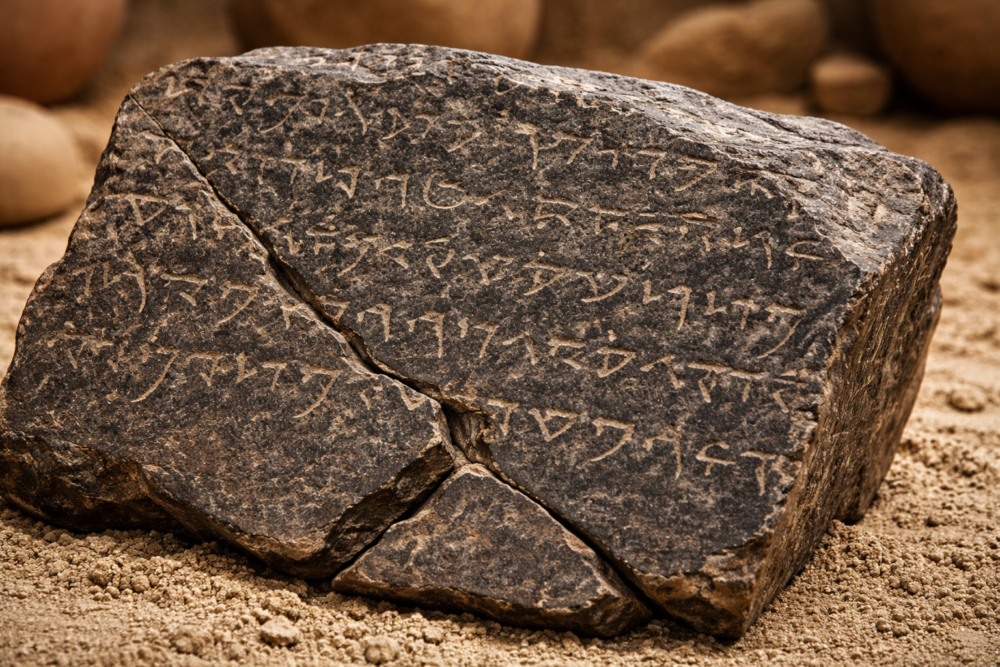
Then a shattered stone fragment surfaced in northern Israel. Carved nearly 3,000 years ago, it contains a phrase many scholars believe refers to the “House of David.” If that reading is correct, it could be the earliest known mention of his royal line beyond the Bible, and it’s reshaping the debate over ancient Judah’s past.
1. A Broken Stone Found by Chance
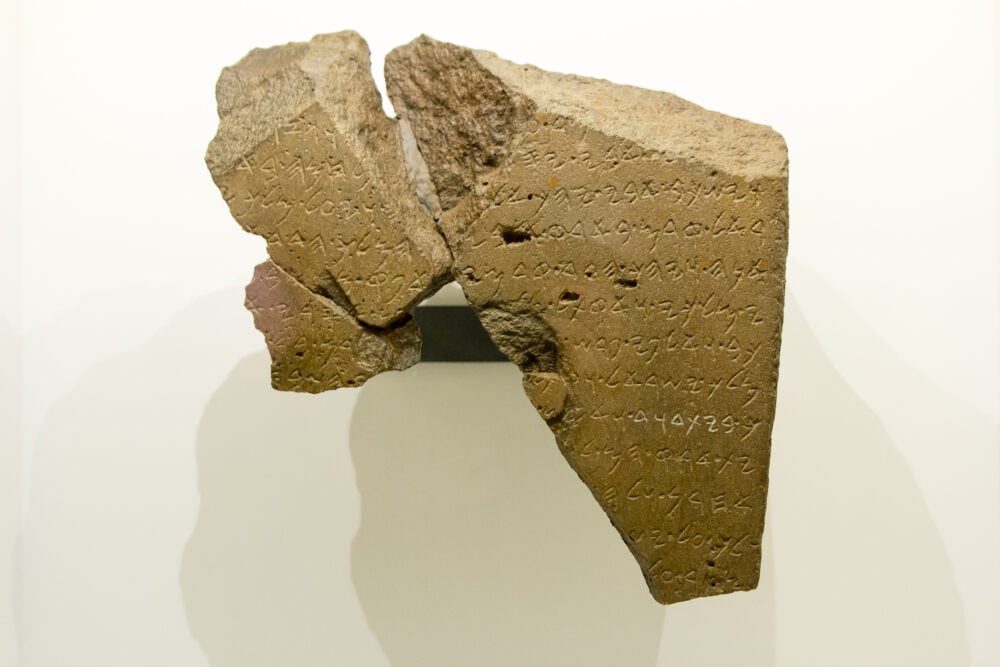
In 1993, archaeologists excavating the ancient city of Tel Dan in northern Israel uncovered a fragment of black basalt. At first glance, it looked like just another broken inscription among many found in the region.
But as researchers began cleaning the surface, lines of Aramaic text slowly came into view. What they were reading would soon spark one of the most important debates in biblical archaeology and change conversations about King David’s historical footprint.
2. The Fragment That Sparked a Debate
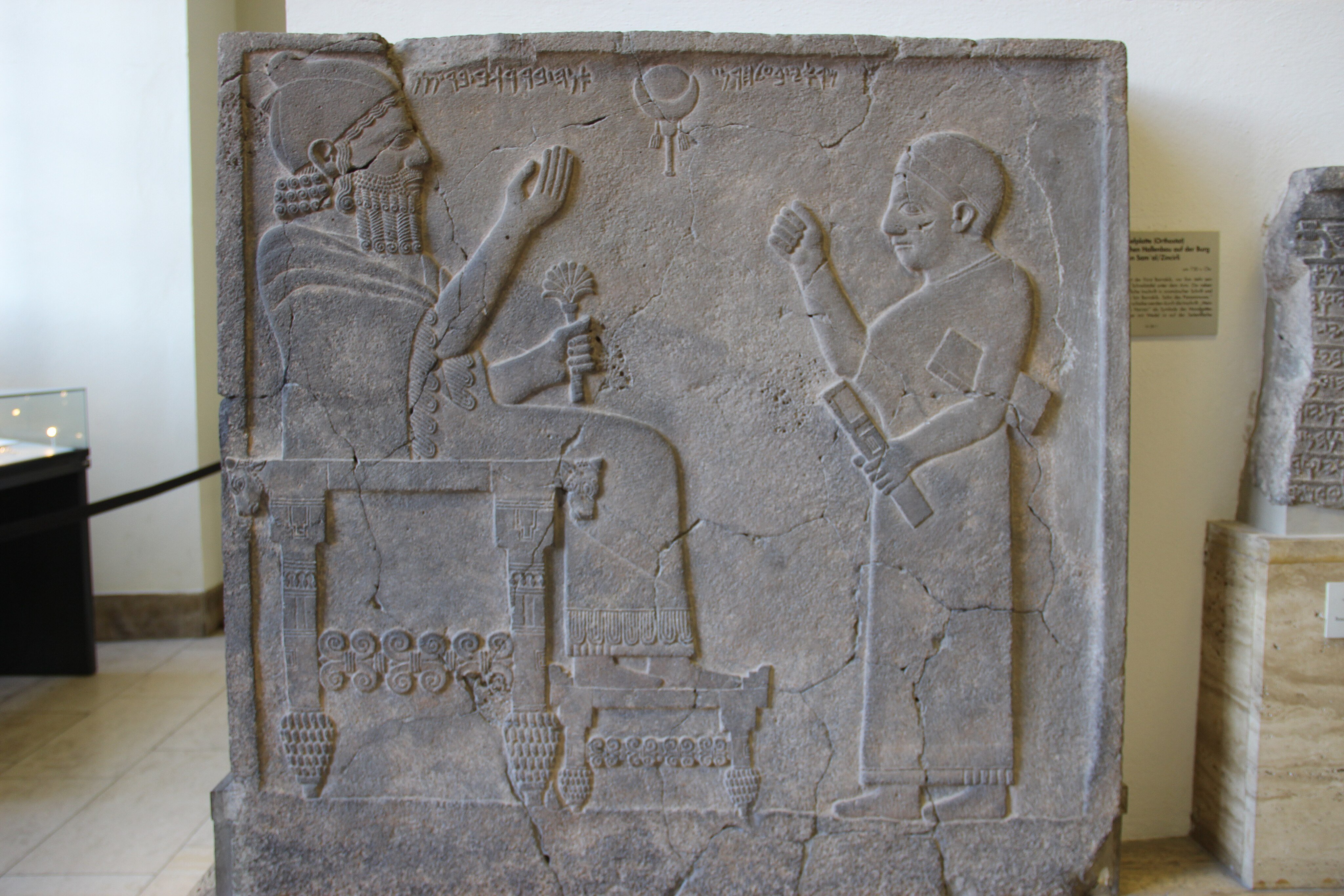
The stone turned out to be part of a victory stele, likely commissioned by an Aramean king in the 9th century BCE. These monuments typically celebrated military triumphs and named defeated enemies.
Among the surviving lines was a phrase that stunned scholars. It appeared to reference the “House of David.” If that interpretation was correct, it would mark the first time David’s royal dynasty was mentioned in an ancient inscription outside the Bible.
3. What Does “House of David” Mean?

In the ancient Near East, kingdoms were often described by the name of their founding dynasty. The phrase “House of Omri,” for example, was used by Assyrians to describe the kingdom of Israel.
So when scholars saw the words that seemed to read “House of David,” many interpreted it as a dynastic reference. That would suggest David was not just a legendary figure but the recognized founder of a ruling line known to neighboring kingdoms.
4. Dating the Inscription
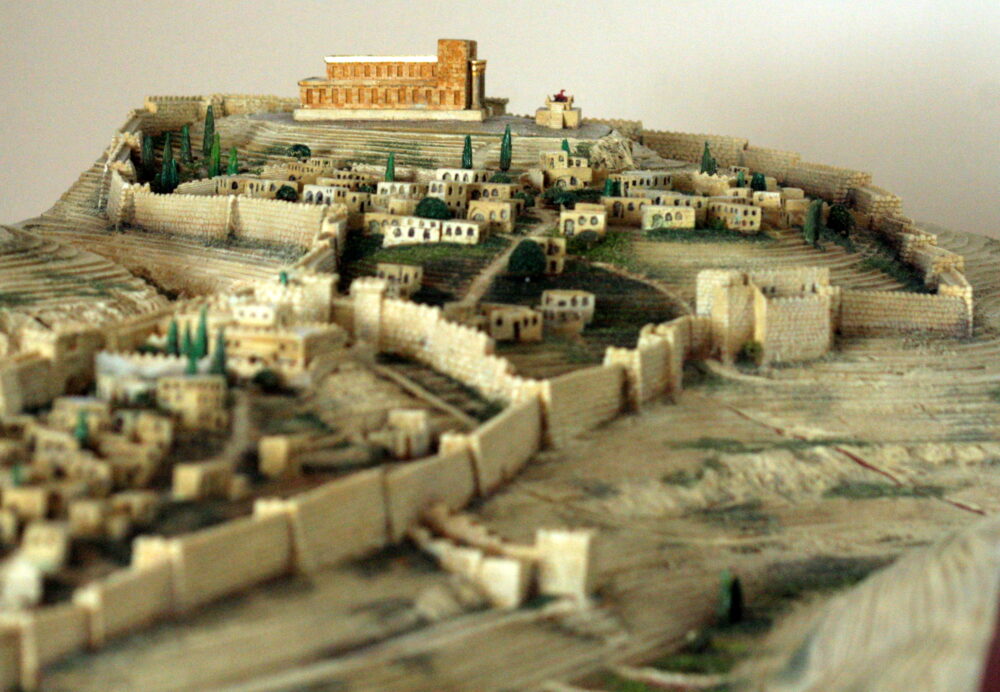
Archaeologists dated the stele to the 9th century BCE based on the style of writing and the archaeological layer where it was found. That places it roughly a century after the traditional timeline for King David’s reign.
While it does not describe David directly, the timing is significant. It suggests that within generations of his life, a neighboring kingdom acknowledged a political entity associated with his name.
5. Why This Discovery Matters

Before the Tel Dan Stele was found, some scholars questioned whether David was a historical figure at all. There was little archaeological evidence tying his name to verified ancient records.
This inscription changed that conversation. It did not prove every biblical account, but it offered independent confirmation that a Davidic dynasty was recognized in the ancient Levant, shifting the debate in meaningful ways.
6. Not Everyone Agreed at First
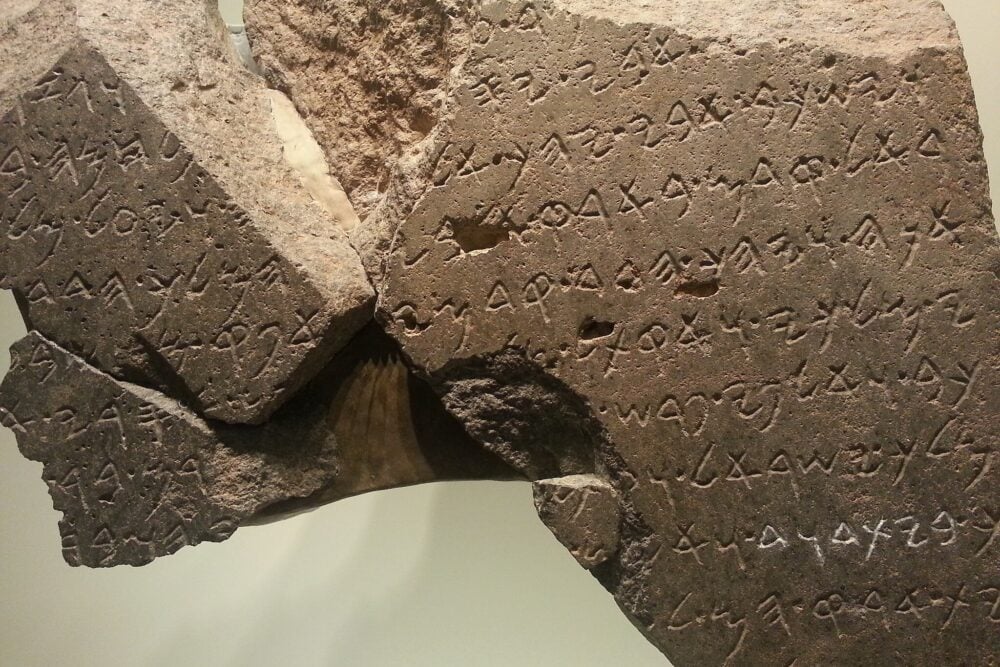
As with many major discoveries, the interpretation was not immediately accepted by everyone. Some scholars proposed alternative readings of the damaged letters, suggesting different translations.
Over time, however, the majority of experts came to support the “House of David” interpretation. While debate still exists in academic circles, the stele is widely regarded as strong evidence for a historical Davidic line.
7. A Window Into Ancient Politics

The stele was not written by Israelites but by an Aramean ruler boasting of victory over rival kings. That outside perspective makes it especially valuable to historians.
It shows that the kingdom centered in Jerusalem was significant enough to be named in foreign propaganda. In the ancient world, dynasties were only referenced if they carried political weight.
8. How the Pieces Came Together

Interestingly, the inscription was discovered in fragments across multiple excavation seasons. It took careful work to fit the pieces together like a puzzle.
Once assembled, the text revealed a coherent account of warfare and conquest. The dynastic reference became clearer in context, strengthening the case that the inscription truly mentioned David’s royal house.
9. What the Stele Does Not Say

It is important to note what the Tel Dan Stele does not claim. It does not recount David’s battles with Goliath or describe his rule in detail.
Instead, it simply refers to a ruling dynasty associated with his name. For historians, that modest reference is powerful precisely because it appears in an ordinary political boast, not a religious text.
10. The Broader Archaeological Context

The stele is not the only piece of evidence tied to ancient Judah. Excavations in Jerusalem and surrounding regions have uncovered fortifications, administrative seals, and inscriptions from the same era.
Together, these finds paint a picture of an organized kingdom in the early first millennium BCE. While debates continue about its size and influence, few now argue that it was purely mythical.
11. Faith, History, and Evidence
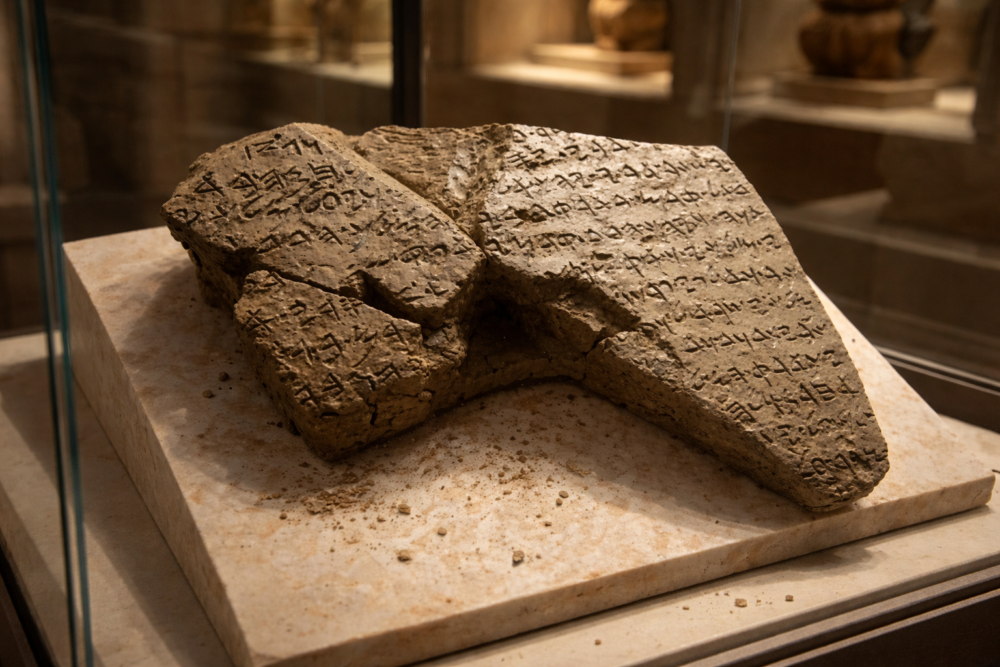
For many readers, discoveries like this sit at the intersection of faith and scholarship. Archaeology does not aim to prove scripture, but it can illuminate the historical setting behind it.
The Tel Dan Stele offers a rare bridge between ancient text and physical artifact. It invites both believers and skeptics to reconsider how history and tradition sometimes overlap.
12. Why the Conversation Continues
Even decades after its discovery, the Tel Dan Stele remains central to discussions about biblical history. New technologies and fresh excavations continue to refine our understanding of the ancient Near East.
What began as a broken piece of stone has become a cornerstone in the study of early Israel and Judah. And for many, it remains one of the most compelling clues that the House of David was more than legend.