
As digital payments surge, experts warn that traditional paper checks may be closer to extinction than ever.

Paper checks, once a cornerstone of U.S. banking, are quickly slipping into the past. Their use has dropped by more than 90% since the 1990s, and many banks, government agencies, and businesses are accelerating the shift toward faster, digital payment methods. With rising processing costs, fraud concerns, and widespread adoption of electronic transfers, experts say checks may soon disappear entirely. As the financial landscape evolves, Americans are preparing for a future shaped by instant payments, digital wallets, and new cashless technologies.
1. Checks Now Make Up a Tiny Fraction of U.S. Payments

In the mid-1990s, Americans wrote more than 40 billion checks per year. Today, according to the Federal Reserve, that number has fallen to fewer than 3 billion and continues dropping annually. Most consumers now prefer debit cards, online bill pay, and direct deposit.
This dramatic decline shows how quickly digital payments have replaced traditional paper methods. As younger generations rely almost entirely on digital banking, financial analysts say the check’s long era as a standard payment tool is nearly over.
2. Banks Are Phasing Out Check Services Slowly but Steadily

Many major banks have reduced check-printing services, limited branch ordering, and encouraged customers to shift to electronic transfers. Mobile banking apps now promote features like Zelle, ACH payments, instant transfers, and digital bill pay.
While banks haven’t officially “banned” checks, they are nudging customers toward faster, cheaper alternatives. This gradual phase-out mirrors the disappearance of paper statements and passbooks, signaling a shift toward a fully digital banking environment.
3. The Government Is Moving Away From Paper-Based Payments
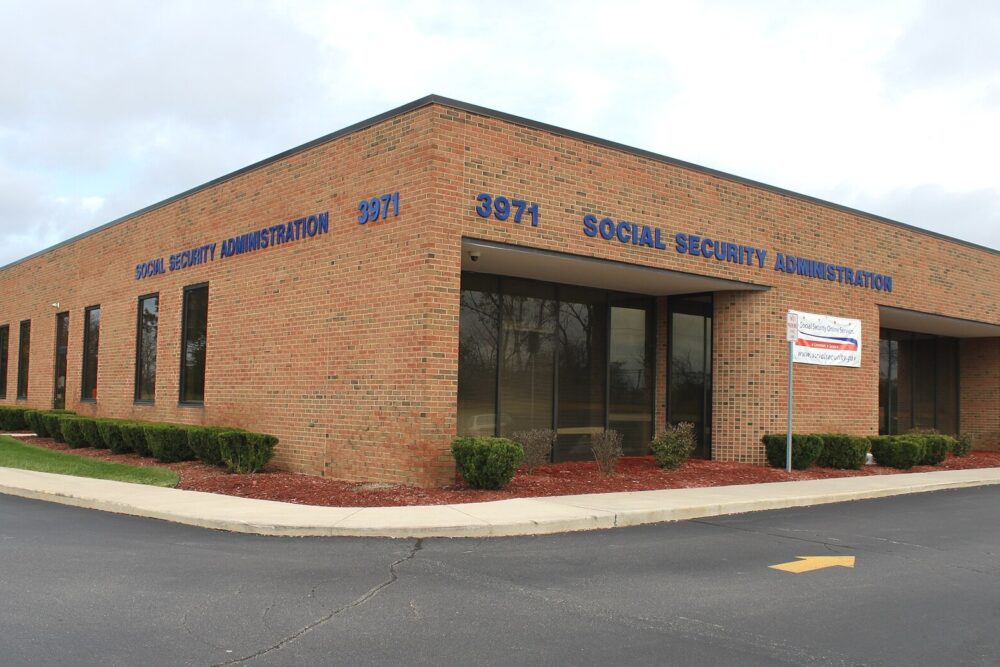
Federal benefit programs—including Social Security, veterans’ benefits, and disability payments—have largely ended paper checks in favor of direct deposit or prepaid debit cards. This move has saved billions in processing and mailing costs.
Only a very small number of exceptions remain, mostly for hardship cases. As government agencies streamline systems, paper checks are becoming an outdated and inefficient administrative burden.
4. Processing Paper Checks Is More Expensive Than Digital Payments
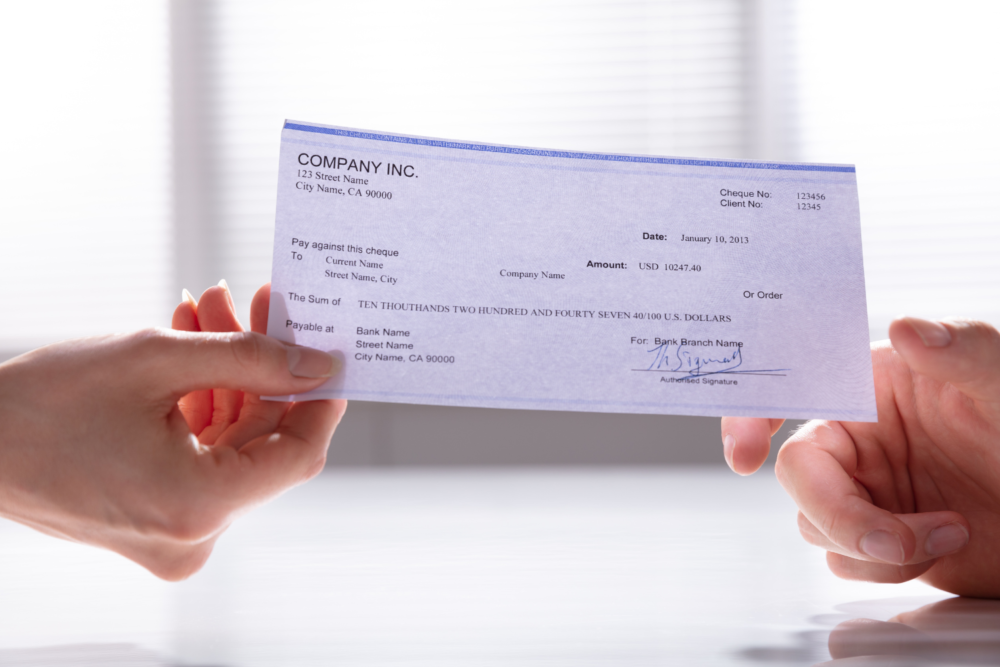
The hidden cost of processing a single paper check can exceed $4 when accounting for printing, mailing, handling, fraud protection, and back-office labor. Electronic transactions, by comparison, cost only pennies.
As inflation and labor costs rise, paper checks have become financially impractical for banks and businesses. Eliminating them reduces expenses significantly while speeding up transaction times and improving accuracy.
5. Fraud Risks Are Pushing Businesses Toward Digital Tools
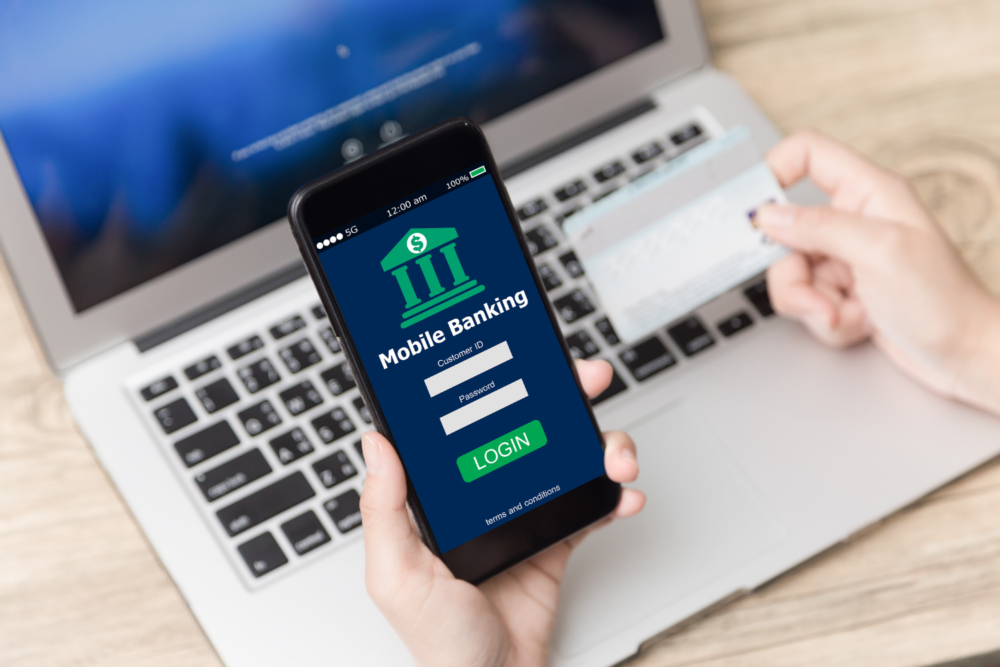
Paper check fraud—including mail theft, check washing, and forgery—has surged in recent years. U.S. Postal Service and banking officials report a sharp increase in stolen mail and altered checks.
Digital payments reduce these vulnerabilities because they bypass physical mail entirely and offer built-in verification systems. With fraud costing billions annually, companies view digital transfers as a safer, more secure alternative.
6. More Employers Are Requiring Direct Deposit

Direct deposit has become standard for payroll, with over 93% of U.S. workers now receiving wages electronically. Many employers no longer offer paper checks except when legally required to do so.
This shift has familiarized millions of Americans with digital banking. As electronic payroll becomes universal, the need for checks in everyday financial life continues to shrink.
7. Younger Generations Rarely Use Checks At All

Studies show that Gen Z and younger millennials write almost no paper checks. Many have never purchased a checkbook, and most rely on digital wallets or peer-to-peer payments for everyday transactions.
Because younger generations are shaping the future of consumer habits, their near-zero use of checks is a powerful indicator that paper payments are entering their final phase.
8. Digital Wallets Are Becoming the New Normal

Apps like Apple Pay, Google Pay, Venmo, Cash App, and PayPal now handle billions of transactions annually. These platforms offer instant transfers, encrypted security, and easy mobile access.
As retailers, restaurants, and service providers increasingly accept digital wallet payments, the convenience of mobile transactions continues to pull consumers away from paper-based methods.
9. Real-Time Payment Systems Are Expanding Nationwide

The U.S. recently launched FedNow, a government-backed instant payment system enabling 24/7 real-time transfers. Many banks already use The Clearing House’s RTP® network for similar services.
These tools eliminate one of the last major uses for checks—time-sensitive bill payments. With money now able to move instantly, paper checks simply can’t compete.
10. States Are Modernizing Tax Refunds and Rebates
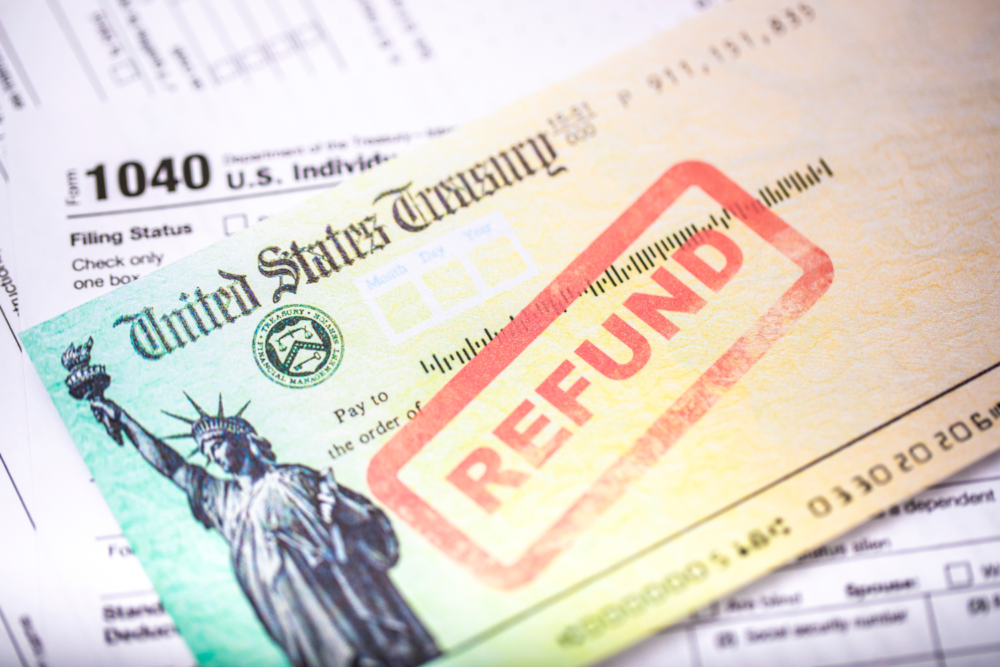
Several states now deliver tax refunds, rebates, and stimulus payments via direct deposit or prepaid cards instead of paper checks. This approach speeds delivery and reduces administrative costs.
As more state governments adopt electronic distribution systems, fewer paper checks need to be printed or mailed. The trend strongly suggests that official check payments may disappear entirely in the coming years.
11. Experts Predict Paper Checks Could Vanish Within a Decade

Financial analysts note that while checks won’t disappear overnight, their decline is accelerating. Some predict they may become functionally obsolete in the U.S. within 5–10 years.
The combination of digital adoption, cost pressures, and fraud concerns is pushing both institutions and consumers toward electronic alternatives. If current trends continue, the familiar paper check could soon become a relic of the past.