
A third of U.S. bird species are vanishing—and nearly 80 are in freefall.
The State of the Birds 2025 report delivers a sobering wake-up call: one-third of all bird species in the United States are now in decline. Nearly 80 species have lost more than half their populations over the past five decades—and they’re still disappearing. Compiled by top conservation and scientific organizations, the report warns of an accelerating collapse tied to habitat loss, climate change, and human activity.
From songbirds to shorebirds, once-familiar species are vanishing from skies, forests, and wetlands across the country. Here’s what this alarming trend means for ecosystems, the planet, and our own future.
1. Birds are vanishing from everyday places you used to see them.
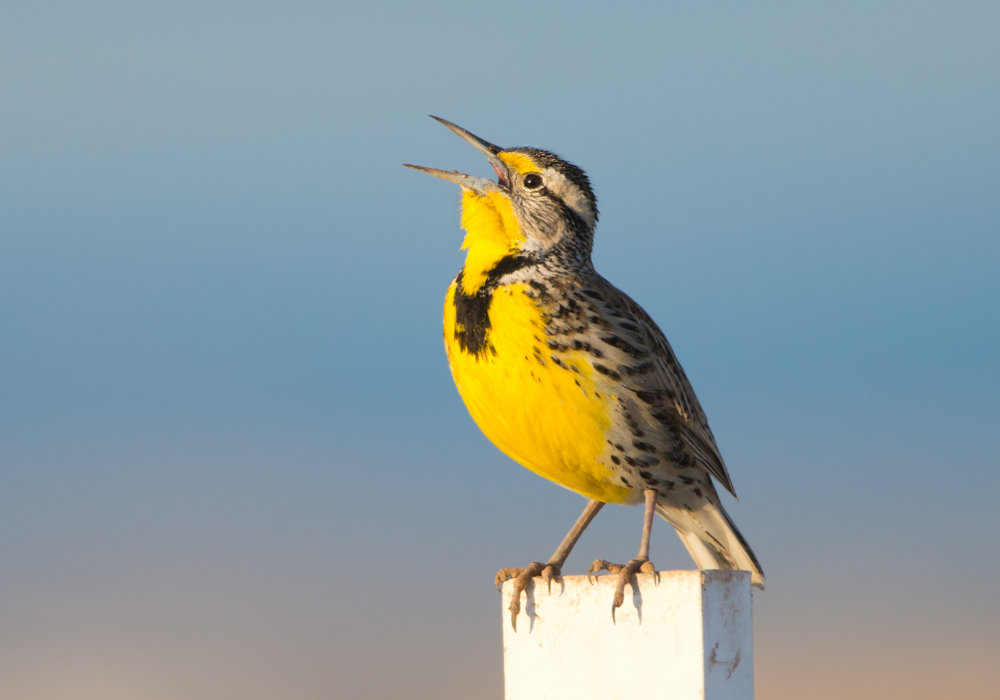
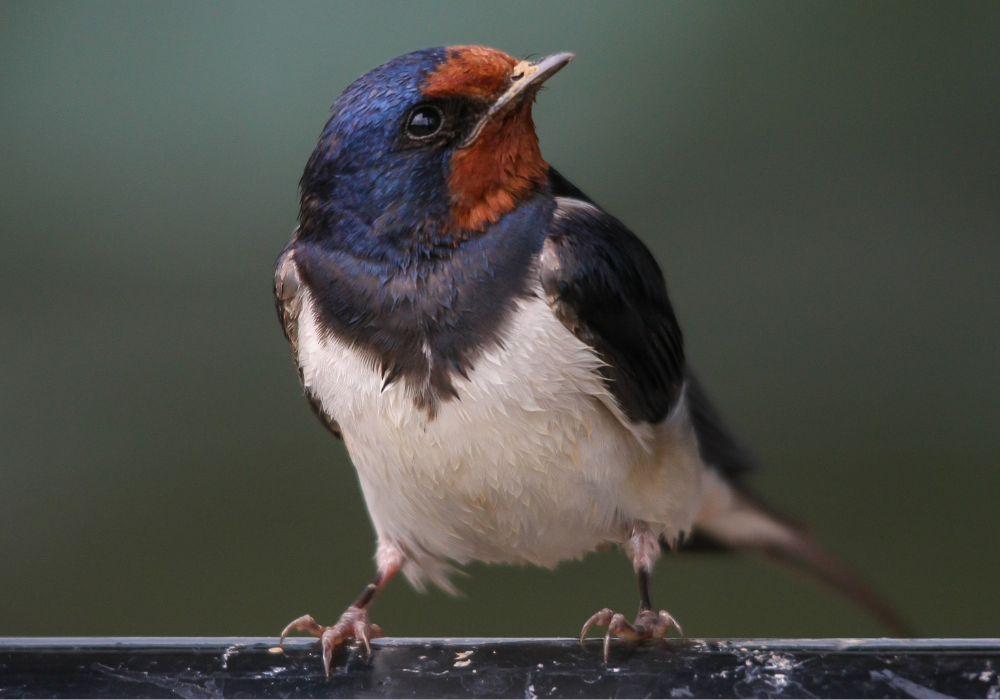
Once-common birds like the meadowlark and the barn swallow are becoming rarer in backyards, parks, and neighborhoods. These species are declining so gradually that most people don’t notice—until they’re gone. The quiet loss of these birds from daily life signals a deeper environmental crisis. Their disappearance often reflects deteriorating habitat quality and growing imbalances in local ecosystems.
If a place can no longer support birds, it likely can’t support other wildlife—or human well-being—either. Birdsong is more than background noise; it’s an indicator of ecosystem health, and its absence should be a red flag for us all.
2. Grassland birds are declining faster than almost any other group.

Birds that rely on prairies and open fields—like bobolinks, grasshopper sparrows, and loggerhead shrikes—are seeing catastrophic drops in numbers. Decades of agricultural expansion, pesticide use, and development have devastated grassland habitats. These birds are especially vulnerable because they require large, unbroken stretches of native grasses to breed and forage. When those spaces disappear, so do the birds.
Even protected grasslands are often surrounded by inhospitable farmland or fragmented by roads and cities. If we don’t protect and restore these open landscapes, we risk losing entire bird communities that once defined the heartland of America.
3. Wetland birds are sending mixed but urgent signals.

Species like herons, egrets, and ducks have made some gains thanks to wetland restoration and hunting regulations, but the progress is fragile. Sea-level rise, coastal development, and pollution threaten to reverse these trends. Birds that depend on tidal marshes, estuaries, and inland wetlands are particularly vulnerable to climate-driven flooding and water-quality issues.
Wetlands act as natural filters and flood buffers, so their loss isn’t just bad for birds—it puts human communities at risk too. Maintaining and expanding wetland habitats isn’t just a bird issue; it’s a climate resilience strategy with far-reaching benefits.
4. Migratory birds are losing critical stopover habitats.
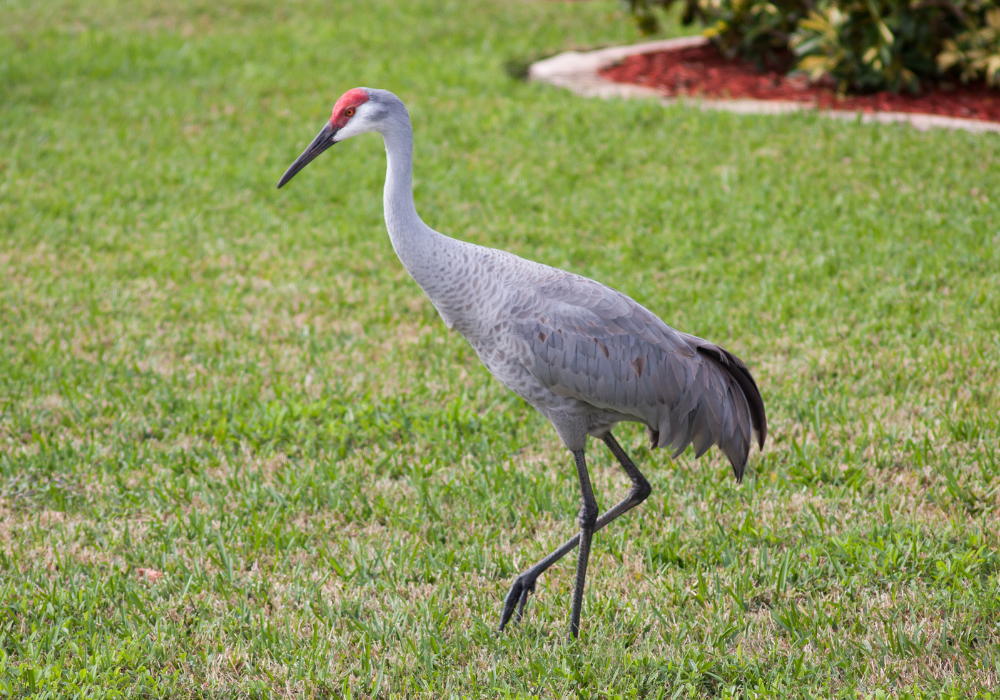
From tiny warblers to majestic sandhill cranes, migratory birds rely on a network of resting and feeding grounds to survive long journeys. But many of these crucial stopover sites are disappearing due to urban sprawl, deforestation, and land conversion. Without safe places to rest and refuel, birds struggle to complete migrations, leading to population declines.
Protecting these migratory corridors is like safeguarding lifelines across the continent. A single lost habitat in one state can affect birds traveling thousands of miles. Their journeys connect ecosystems and countries—yet we’re letting those pathways vanish one development at a time.
5. Climate change is upending birds’ food and breeding cycles.

As seasons shift and temperatures rise, birds are being thrown off their natural rhythms. Some arrive at breeding grounds too early or too late to find enough food or ideal nesting conditions. Others encounter extreme weather—floods, droughts, heatwaves—that kills offspring or drives adults away. Birds that once adapted well to their environments are now struggling to keep up with the pace of change.
These disruptions ripple through food chains and threaten biodiversity. Climate change doesn’t just shift where birds live—it alters their very chances of survival, often with tragic results.
6. Pesticides and chemicals are poisoning the food chain.
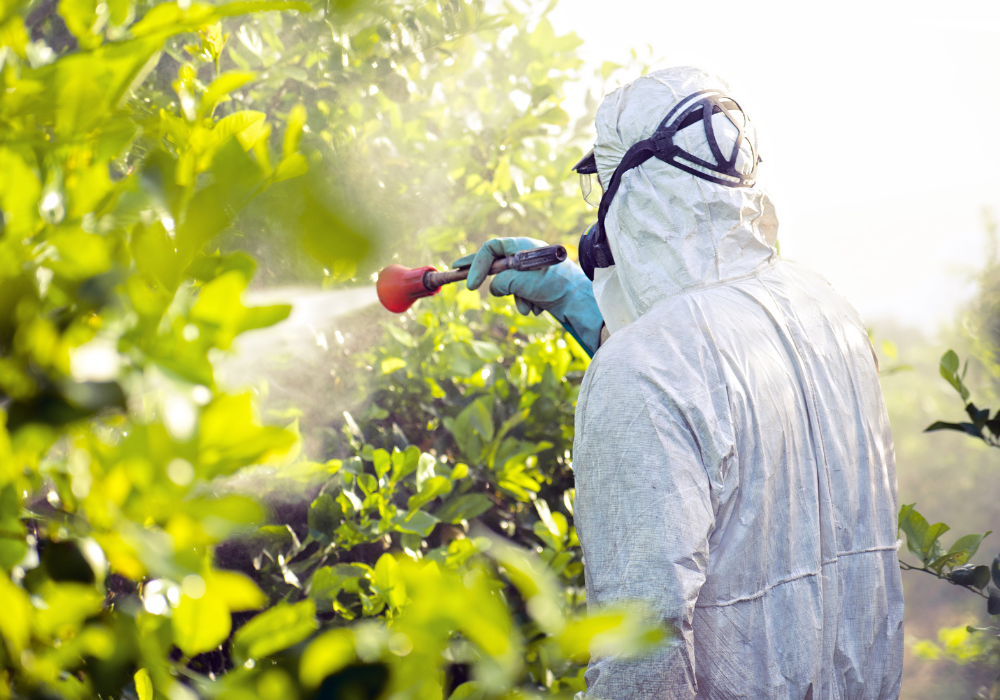
Insects form the foundation of many birds’ diets, especially for nestlings. But widespread pesticide use—particularly neonicotinoids—has decimated insect populations. When birds lose access to abundant, nutritious insects, chick survival plummets. Some chemicals also accumulate in birds’ bodies, impairing reproduction or causing death.
Even “safe” levels of exposure can be devastating over time. This silent form of poisoning is happening on a massive scale, especially in agricultural regions. Reducing chemical use and switching to bird-friendly practices are crucial if we want future generations to enjoy even the most basic backyard birds.
7. Window strikes and light pollution are killing millions annually.
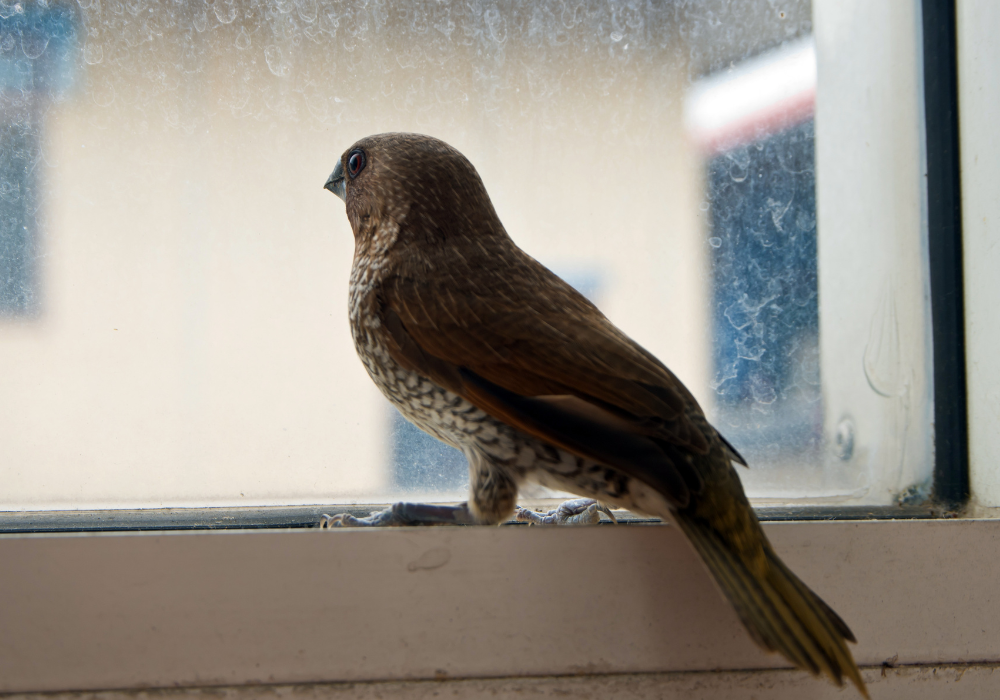
Glass buildings may look sleek, but to birds, they’re deadly. Reflections of trees or sky can lure birds to their deaths, and it’s estimated that up to a billion birds die from window collisions each year in North America alone. Meanwhile, light pollution disorients migratory birds flying at night, causing them to veer off course or become exhausted.
Simple measures—like bird-safe glass, reduced nighttime lighting, and building design changes—can dramatically lower these deaths. Yet few cities have adopted these fixes, despite the evidence and urgency. This preventable problem continues to cost bird lives every night.
8. Invasive species are disrupting bird habitats and diets.
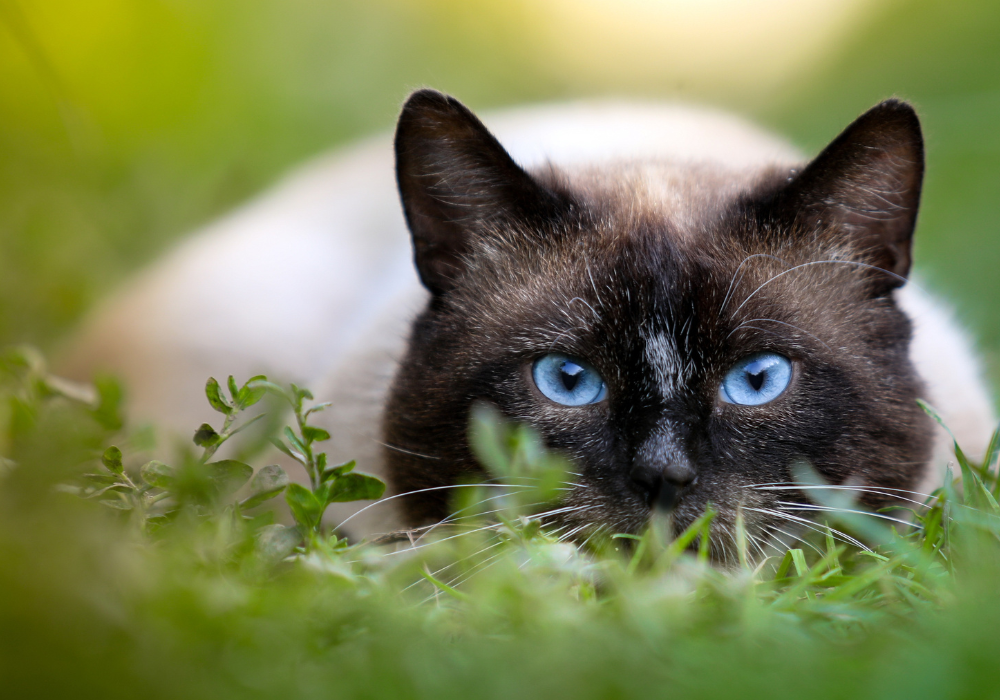
Non-native predators like domestic cats, rats, and snakes have decimated ground-nesting birds and island species. Meanwhile, invasive plants crowd out native vegetation birds depend on for food and shelter. In some regions, insects introduced from other continents outcompete or destroy native food sources. These invasions often worsen when ecosystems are already stressed by development or climate change.
Birds have evolved with very specific diets, nesting needs, and predator awareness—and when that balance tips, they can’t adapt fast enough. Stopping the spread of invasive species isn’t just about plants—it’s about saving the birds that depend on them.
9. Native forests are being fragmented faster than birds can adapt.
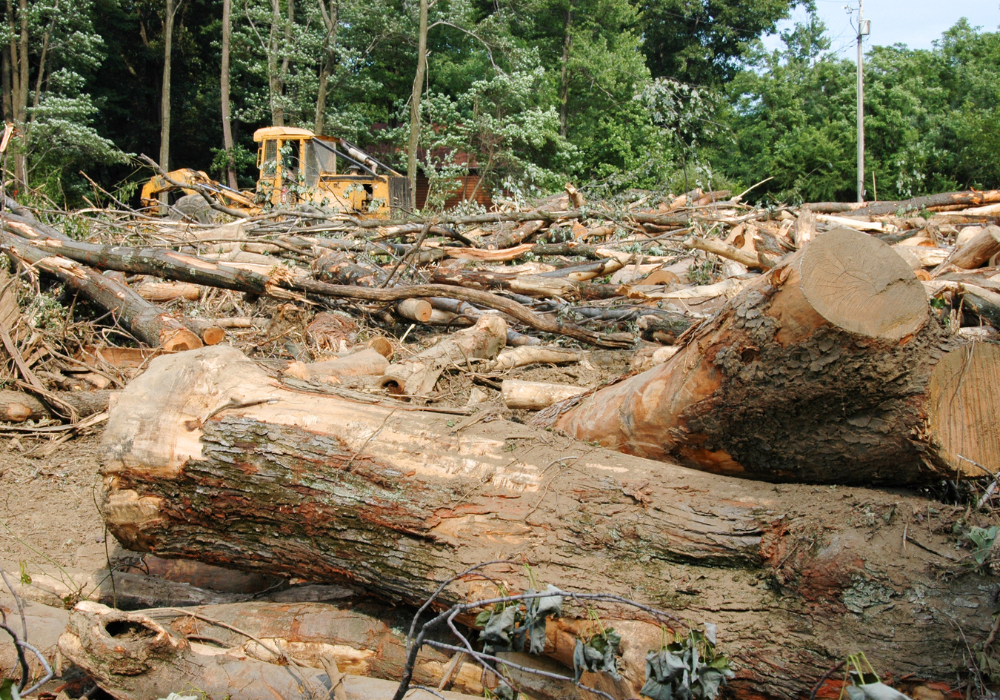
When forests are carved into smaller pieces for roads, farms, or suburbs, bird habitats shrink—and their predators and competitors multiply. Species that thrive deep in undisturbed forests often won’t nest or feed near the edges, making them especially vulnerable to fragmentation. As connectivity disappears, isolated bird populations struggle to find mates, food, or safe shelter. Forest fragmentation also disrupts the complex web of species interactions birds rely on.
To save forest-dwelling birds, we must not only preserve woodlands but keep them connected and intact. A patchwork of trees isn’t enough—it takes whole, living forests to keep bird populations thriving.
10. Birds are early warning systems—and we’re ignoring the alarm.
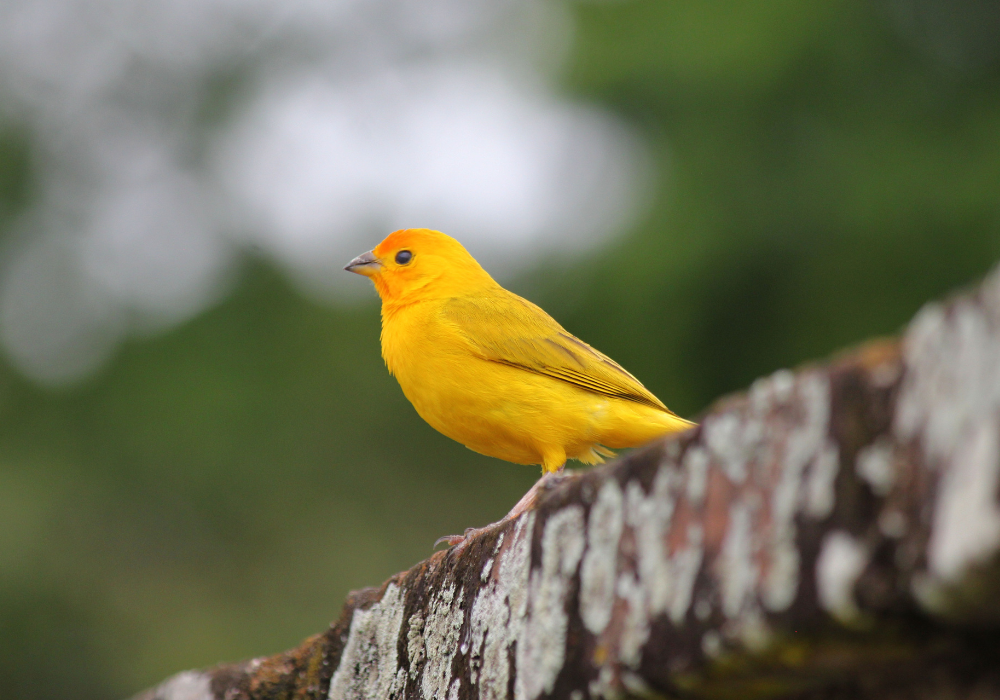
Birds are nature’s canaries in the coal mine. Their declines often precede broader ecological collapses. When we lose birds, we’re not just losing beauty and song—we’re losing pollinators, pest controllers, and vital links in food webs. Their absence tells us that something is deeply wrong in our environments. If a third of U.S. bird species are declining, we can’t pretend everything else is fine.
Ignoring these warnings risks not just more extinctions, but ecosystem breakdowns that ultimately harm human health and food security. Protecting birds is one of the smartest ways to protect ourselves.