
Scientists warn subsiding land is putting millions at risk as infrastructure and coastlines face growing threats.
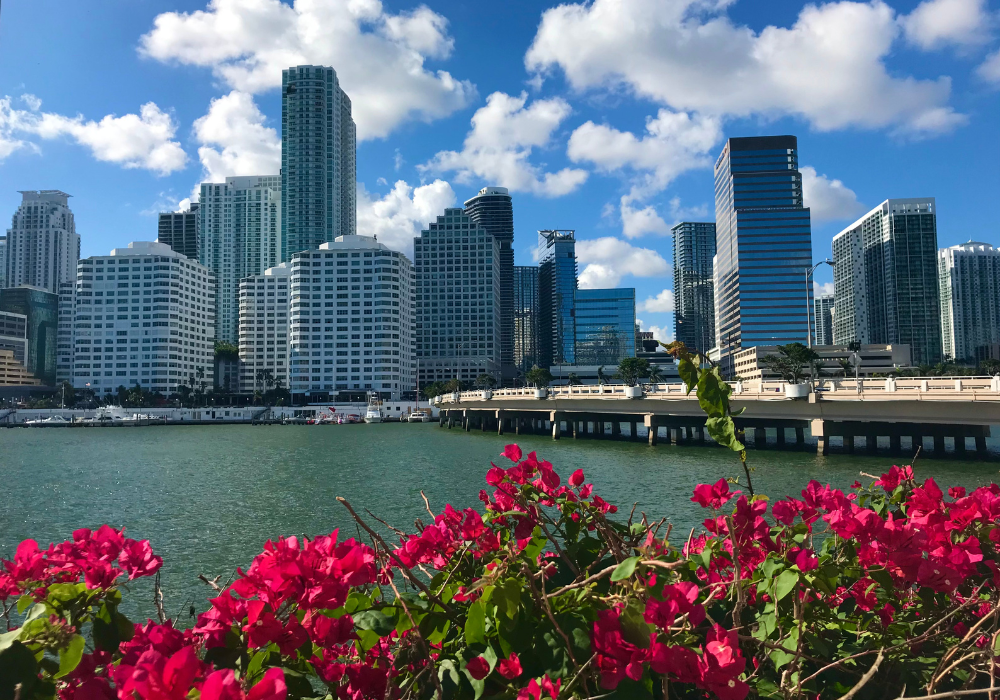
While Americans obsess over rising sea levels, the ground beneath our biggest cities is quietly doing the opposite – sinking like stones tossed into a pond. Satellite data has revealed that major metropolitan areas are literally disappearing into the earth at alarming rates, creating a slow-motion disaster that makes rising oceans look like a gentle inconvenience.
Dr. Michelle Torres from the National Oceanic and Atmospheric Administration warns that urban subsidence is accelerating nationwide, with some cities dropping several inches per year. We’re so busy watching the horizon for climate change that we’ve missed the fact that our cities are staging their own underground disappearing act.
1. New Orleans Is Racing Toward Sea Level Faster Than Anyone Expected
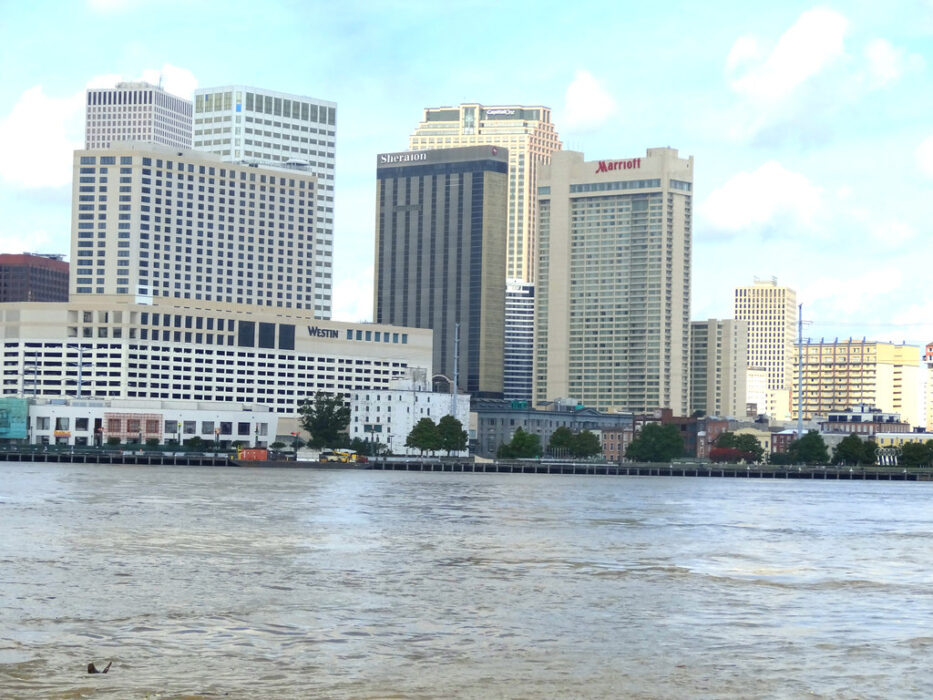
The Big Easy is experiencing anything but an easy descent, with some neighborhoods sinking at rates of up to two inches per year according to recent satellite measurements. The city that’s already below sea level is digging itself deeper into trouble, literally creating a bowl that gets more dangerous with every passing storm season. Decades of groundwater pumping and the natural settling of river sediments have turned New Orleans into America’s most dramatic sinking city.
Certain areas of the French Quarter are dropping faster than others, creating an uneven landscape that threatens the structural integrity of historic buildings. The pumping systems designed to keep the city dry are ironically contributing to its downward spiral by removing groundwater that once provided underground support. Every Mardi Gras parade might be marching over ground that’s lower than it was the year before.
2. Miami Beach Is Literally Disappearing Into the Limestone Below
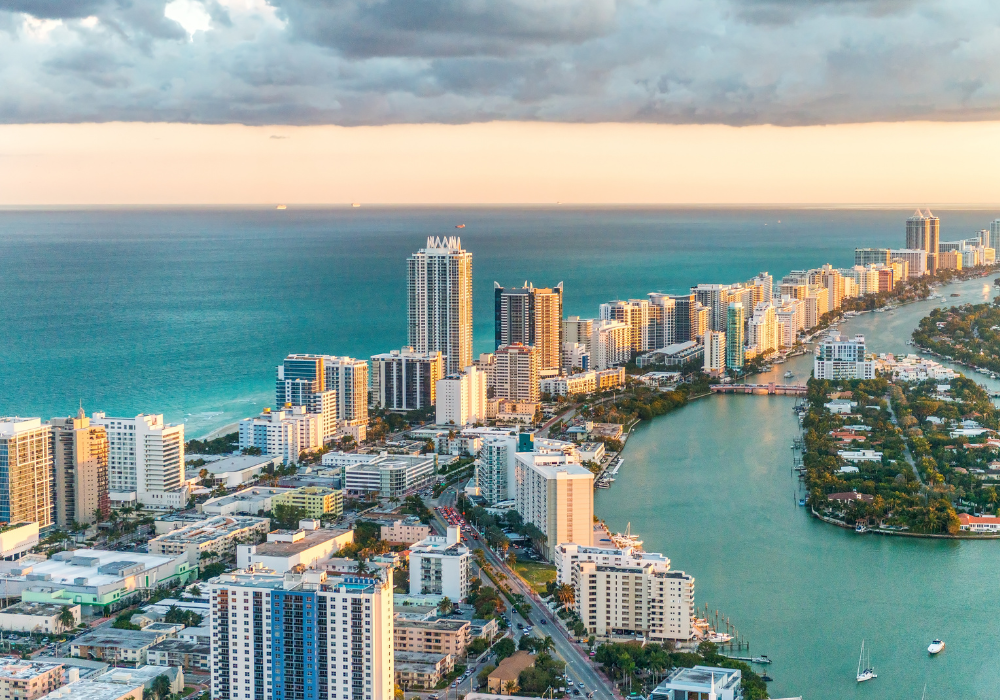
South Florida’s playground for the rich and famous is sinking into the porous limestone bedrock that makes the region so vulnerable to flooding. The combination of natural geological settling and massive development has created a perfect storm of subsidence that’s accelerating with each new high-rise and luxury resort. Miami Beach isn’t just battling rising seas – it’s losing the battle against gravity itself.
The limestone foundation acts like a giant sponge, compacting under the weight of modern development and losing structural integrity from saltwater intrusion. The art deco buildings that define South Beach are literally sinking into the ground that once seemed so solid. High tide flooding isn’t just about water coming up anymore; it’s also about the land going down to meet it.
3. Houston Is Sinking So Fast It’s Rewriting Flood Maps Every Few Years
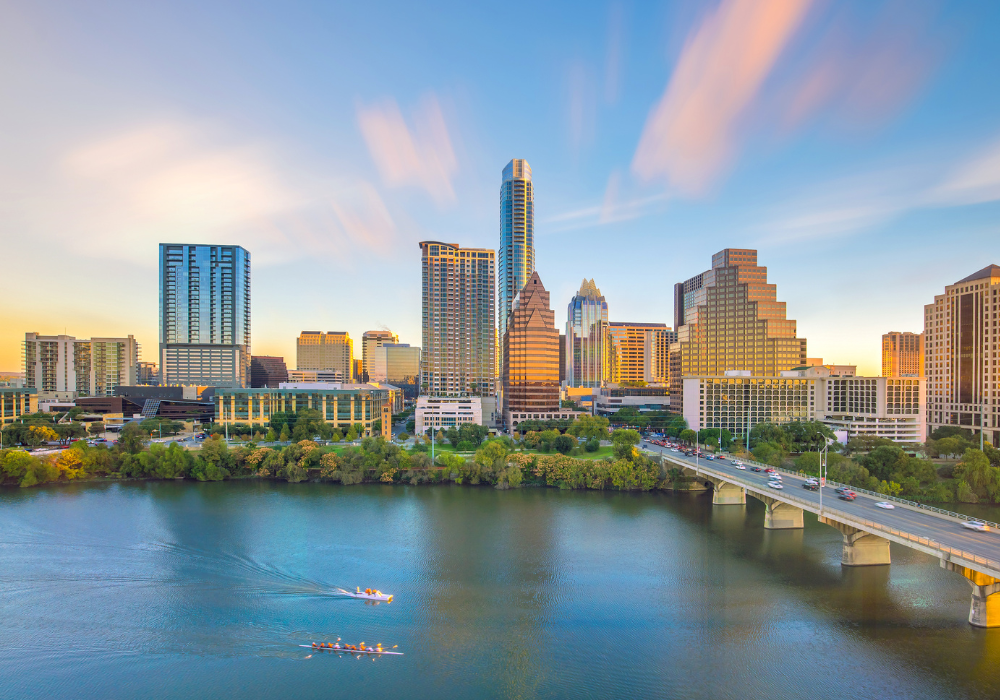
The sprawling Texas metropolis has been sinking steadily for decades due to excessive groundwater pumping, with some areas dropping more than 10 feet since the 1940s. The Harris-Galveston Subsidence District constantly updates flood risk assessments as neighborhoods literally sink below their previous elevation markers. What used to be safe from flooding is now in harm’s way, not because the water got higher, but because Houston got lower.
The problem is worst in northern Harris County, where rapid suburban development combined with industrial water use has created subsidence hot spots. The city’s famous “Bayou City” nickname is becoming more accurate as more areas sink to water level. Every major storm now floods areas that were previously high and dry, creating new disaster zones where none existed before.
4. Las Vegas Is Slowly Disappearing Into the Desert Floor
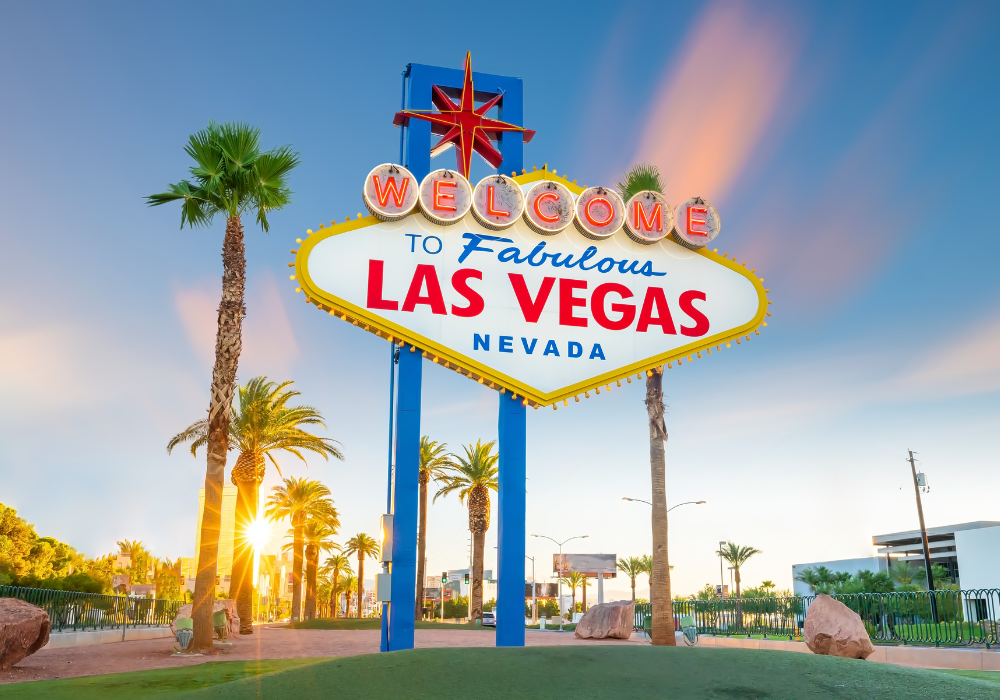
Sin City’s insatiable thirst for groundwater has caused the desert metropolis to sink more than six feet in some areas since the 1960s. The Las Vegas Valley, surrounded by mountains that trap the subsidence like a geological bowl, is literally compacting under its own weight as underground aquifers are drained faster than nature can refill them. The city built on gambling is losing the biggest bet of all – the one against gravity.
The subsidence isn’t uniform across the valley, creating a patchwork of elevation changes that stress roads, pipelines, and building foundations. The famous Las Vegas Strip sits on relatively stable ground, but suburban neighborhoods are experiencing significant settling that cracks foundations and buckles pavement. Even the desert can’t support unlimited growth when you remove its underground support system.
5. Phoenix Is Melting Into the Ground Like Ice Cream in the Sun
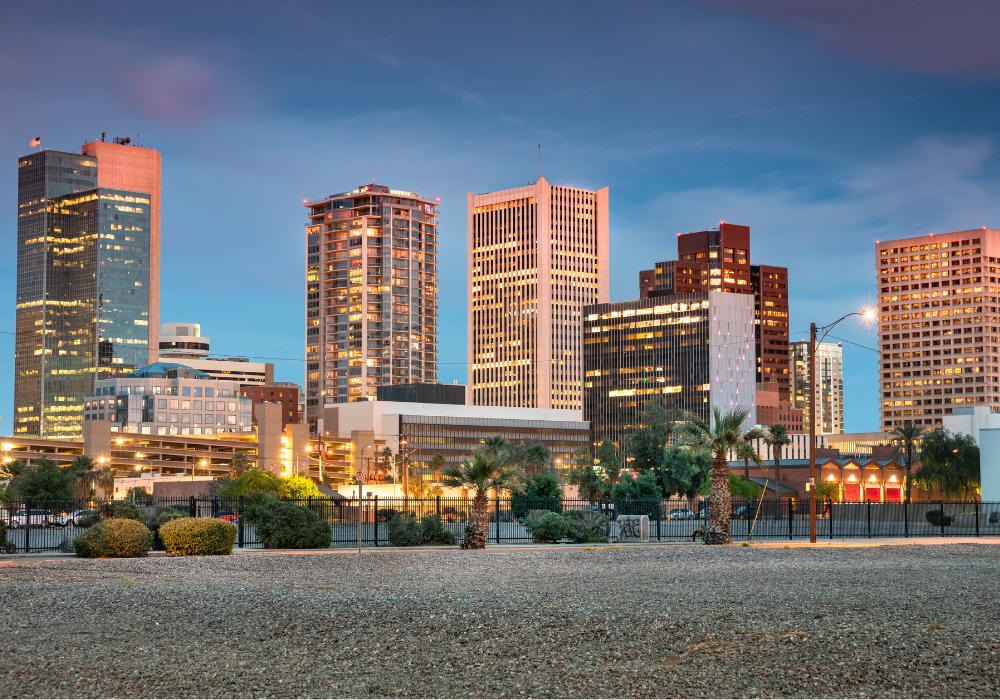
The Arizona capital has experienced dramatic subsidence due to decades of groundwater overuse, with some areas sinking more than 17 feet since the early 1900s. The desert city’s rapid growth and agricultural history created a perfect storm of underground water depletion that continues to affect modern development. Phoenix isn’t just dealing with extreme heat – it’s literally sinking under the pressure of its own success.
The fine-grained clay soils in the Salt River Valley compress permanently when groundwater is removed, creating irreversible subsidence that affects everything from canals to freeways. The ancient lake bed that Phoenix sits on is returning to its compressed state as the water that once supported it disappears. The Valley of the Sun is becoming the Valley of the Sinking Sun.
6. San Francisco Bay Area Is Tilting Like a Slow-Motion Earthquake
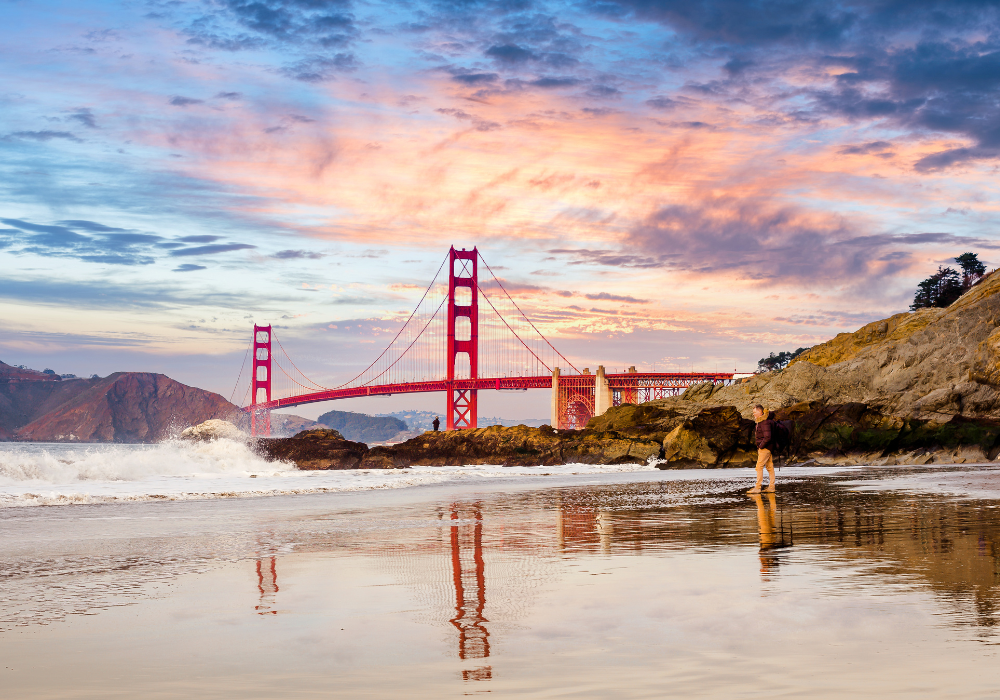
The tech capital’s subsidence isn’t uniform, creating a tilting effect that particularly affects areas built on fill dirt and reclaimed marshland. San Jose and surrounding Silicon Valley communities are experiencing differential settling that creates stress fractures in everything from office buildings to suburban homes. The region famous for disrupting industries is being disrupted by the very ground beneath it.
The combination of groundwater pumping and natural clay compression is causing some neighborhoods to sink faster than others, creating an uneven landscape that challenges infrastructure and property values. Areas built on former marshland are particularly vulnerable, as the organic soils compress more readily than natural bedrock. The innovation capital is discovering that you can’t innovate your way out of basic geology.
7. Norfolk Is Disappearing Beneath the Chesapeake Bay
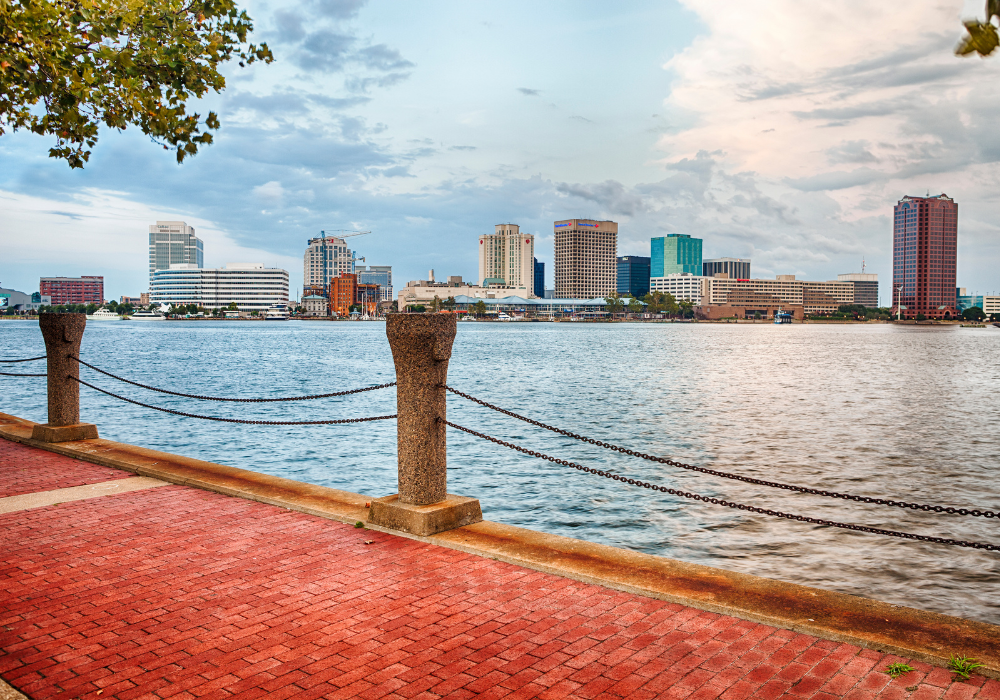
Virginia’s naval hub faces a double whammy of sea level rise and land subsidence that makes it one of America’s most flood-prone cities. The combination of natural geological settling and groundwater withdrawal has caused parts of Norfolk to sink more than a foot in recent decades. Military installations that once stood high and dry now flood regularly during high tides and storms.
The city built on former swampland is literally returning to its watery origins as the land compresses and sea levels climb simultaneously. Historic neighborhoods that survived centuries of hurricanes are now flooding during routine rainstorms because they’re closer to sea level than ever before. The Navy’s largest base is slowly sinking back into the waters it was built to command.
8. Long Beach Is Sliding Into the Pacific Ocean
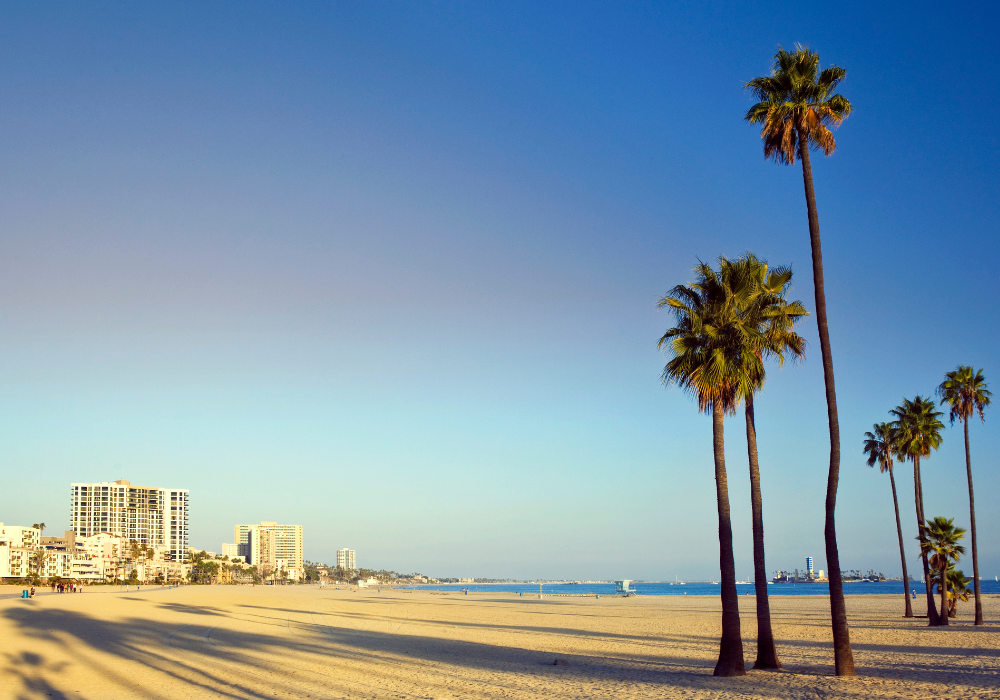
California’s port city has experienced some of the most dramatic urban subsidence in American history, with parts of the city sinking more than 30 feet since the 1920s. Massive oil extraction beneath the city literally drained the underground support structure, causing entire neighborhoods to drop like elevators with cut cables. The famous Queen Mary is now docked in a harbor that’s significantly lower than when the ship first arrived.
Modern injection techniques have slowed the subsidence, but the damage is done – much of Long Beach sits well below its original elevation and continues to sink slowly. The port facilities that drive the local economy are built on ground that could continue settling for decades. California’s coastal cities are learning that what goes up in real estate values can literally come down in elevation.
9. Sacramento Valley Is Sinking Into California’s Central Valley
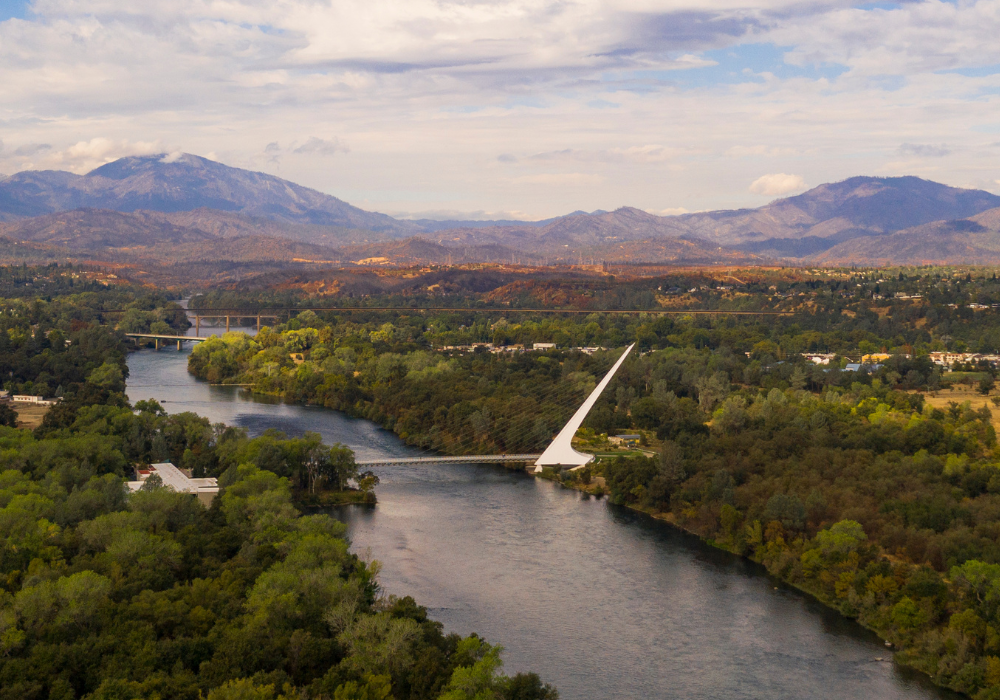
The state capital region sits atop some of the most subsidence-prone geology in America, with agricultural pumping and urban development combining to create widespread settling. Parts of the Sacramento Valley have dropped more than 10 feet, affecting everything from flood control levees to the California Aqueduct system. The delta region that feeds water to much of California is literally disappearing beneath the surface.
Farming communities throughout the valley are dealing with cracked irrigation systems, damaged roads, and buildings that no longer sit level as the ground settles unevenly. The fertile soil that makes the region so productive sits on clay layers that compress permanently when groundwater is removed. California’s agricultural heartland is slowly sinking beneath the weight of its own productivity.
10. Chicago Is Compacting Under the Weight of Its Own Success
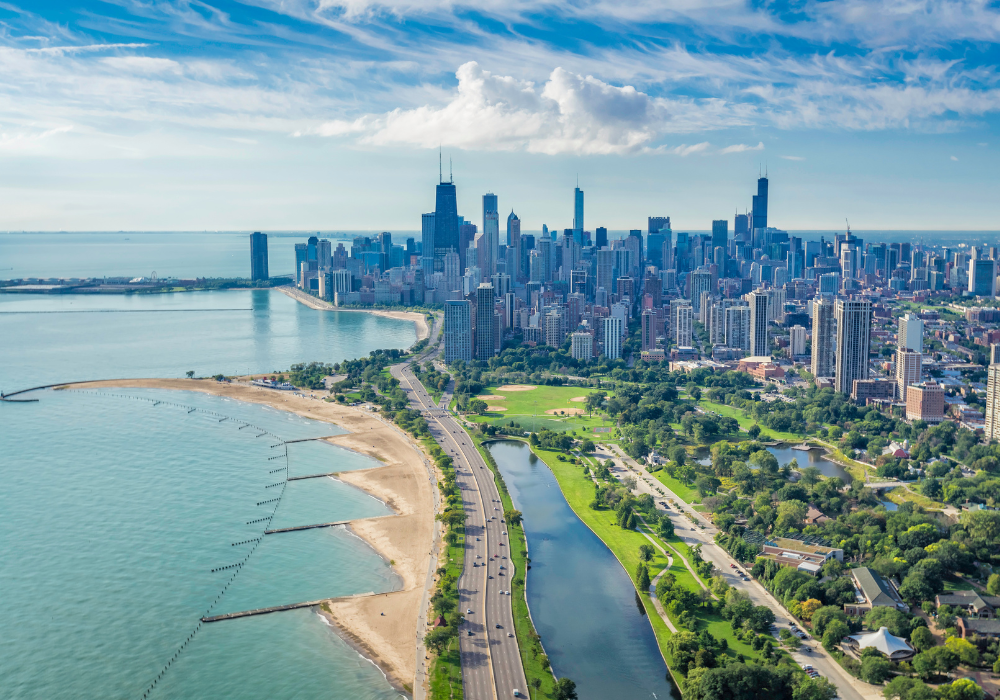
The Windy City experiences subsidence from multiple causes, including the compression of soft lake sediments beneath downtown skyscrapers and groundwater pumping throughout the metropolitan area. The famous Chicago Loop sits on fill dirt and lake sediments that continue to settle under the enormous weight of the city’s iconic skyline. Even the bedrock beneath Chicago is slowly compressing under decades of urban development.
The problem is particularly acute near Lake Michigan, where the combination of soft soils and heavy construction creates ongoing settling that affects foundations and underground infrastructure. The city that rebuilt itself after the Great Chicago Fire is now slowly sinking under its own architectural ambitions. The Second City is becoming lower than it used to be, both figuratively and literally.
11. Virginia Beach Is Melting Back Into the Atlantic Coastal Plain
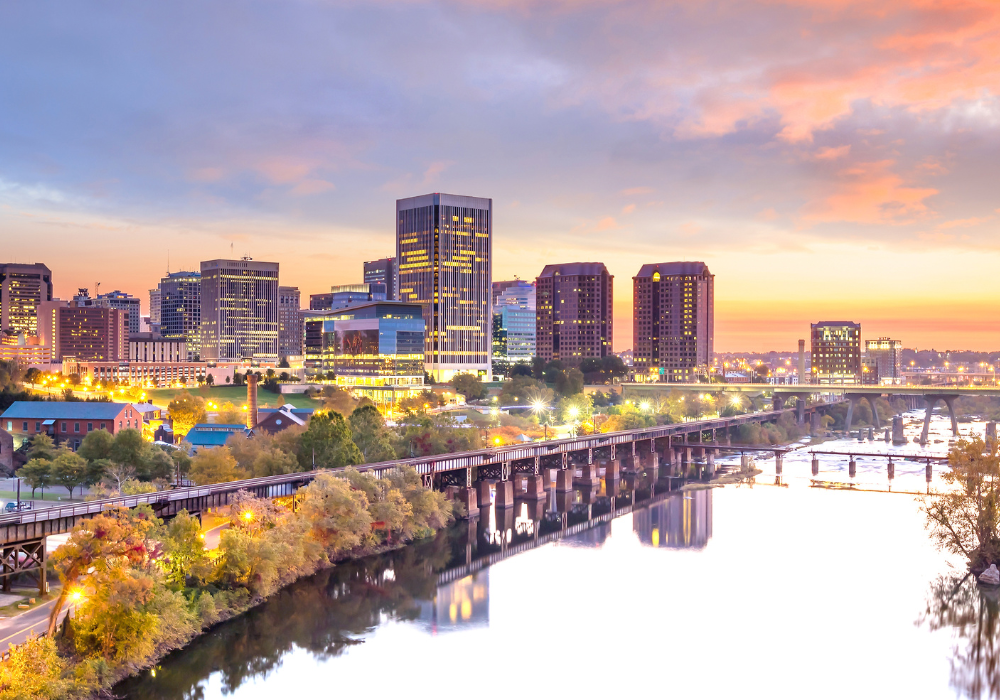
The popular resort destination sits on sediments that are naturally compacting as part of ongoing geological processes that began millions of years ago. The barrier island and coastal plain geology makes the entire region susceptible to subsidence, with some areas dropping measurably each year. The beaches that attract millions of tourists are literally sinking back into the sea that created them.
Military installations and resort developments built on former marshland are particularly vulnerable to settling as the organic soils beneath them continue to decompose and compact. The combination of natural subsidence and human development has created a race between land loss and beach nourishment efforts. Virginia Beach is fighting a losing battle against the same geological forces that created it in the first place.