
A chance discovery in Australia is reshaping scientists’ understanding of where freshwater midges first evolved.

An 82-year-old amateur fossil hunter in Queensland has uncovered a remarkably preserved midge fossil dating back 151 million years, and researchers say it could fundamentally shift insect evolutionary history. The Jurassic-era fossil suggests that the earliest freshwater midges may have originated in the Southern Hemisphere, not the north as long believed. The discovery challenges decades of assumptions about where these insects evolved and how they spread across ancient supercontinents. Scientists say the find highlights how everyday fossil enthusiasts can make scientifically groundbreaking contributions.
1. An Amateur Collector Made a Major Scientific Discovery

The fossil was found by an amateur hobbyist searching the Jurassic-aged rocks of Queensland. While many groundbreaking finds come from trained paleontologists, this discovery shows that passionate fossil hunters can uncover scientifically important specimens. The collector recognized the fossil’s unusual features and brought it to experts for analysis.
This collaboration between citizen scientists and researchers highlights how ordinary people can play a key role in advancing scientific knowledge. Many important paleontological discoveries begin with curious individuals exploring their local landscapes.
2. The Fossil Dates Back 151 Million Years
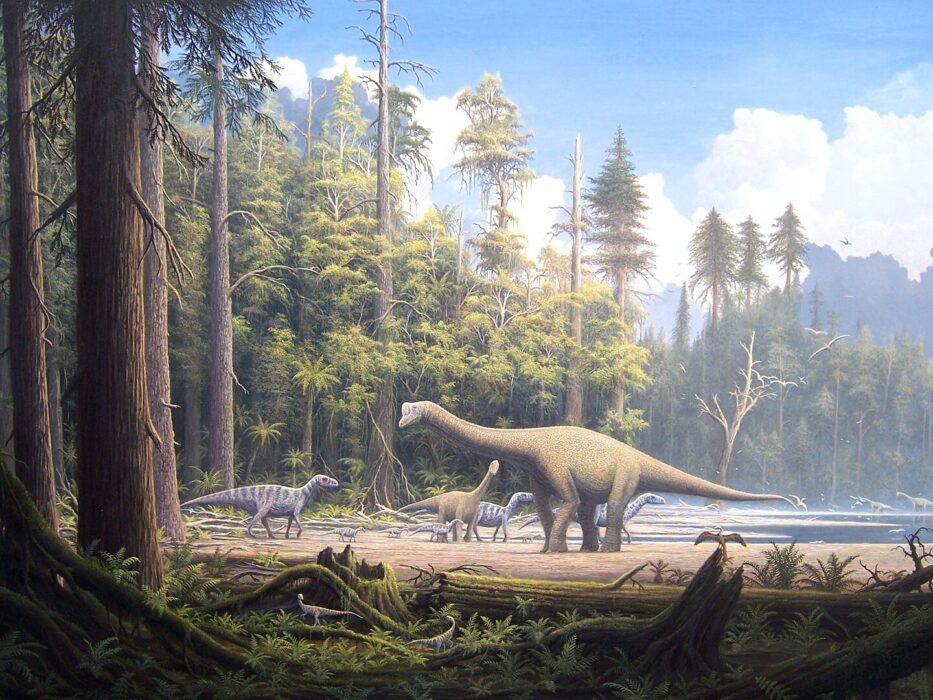
Scientists determined that the midge fossil comes from the late Jurassic period, around 151 million years ago. This makes it one of the oldest known examples of this insect family. The fossil’s age places it in a critical window for understanding insect diversification during the age of dinosaurs.
Finding such an ancient specimen allows researchers to trace evolutionary lineages further back in time. This deep history helps reveal how insect groups adapted to new environments and spread across prehistoric continents.
3. The Midge Is Exceptionally Well Preserved
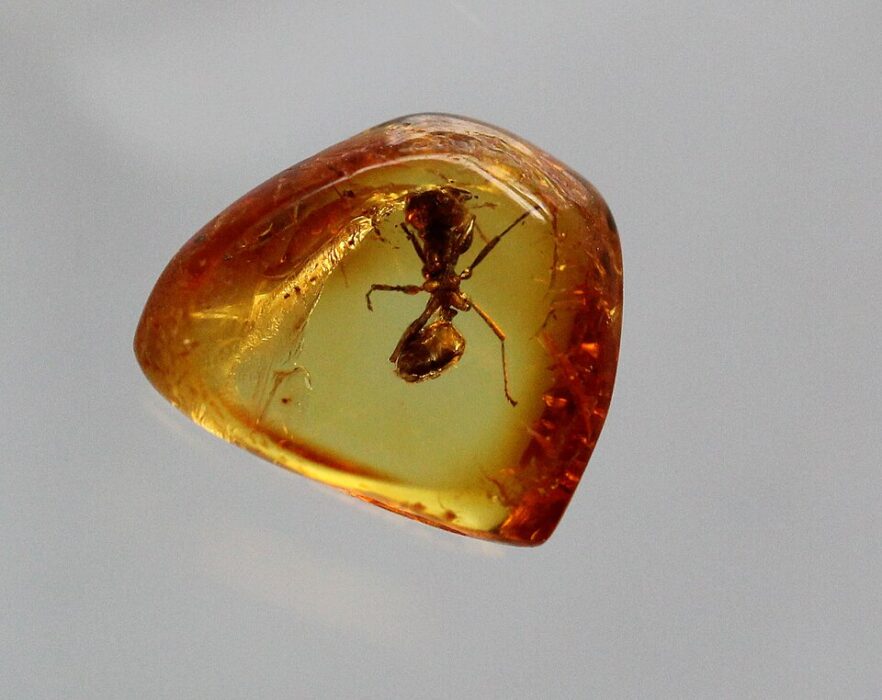
Despite its small size, the fossil shows clear anatomical details, including delicate wing structures and body segments that typically degrade quickly. This level of preservation is rare, especially in insects, which often fossilize poorly due to their soft bodies.
Such clarity makes it possible for researchers to conduct detailed comparisons with related species. Well-preserved specimens like this one open the door to understanding subtle evolutionary traits that are usually lost to time.
4. The Fossil Supports a Southern Hemisphere Origin
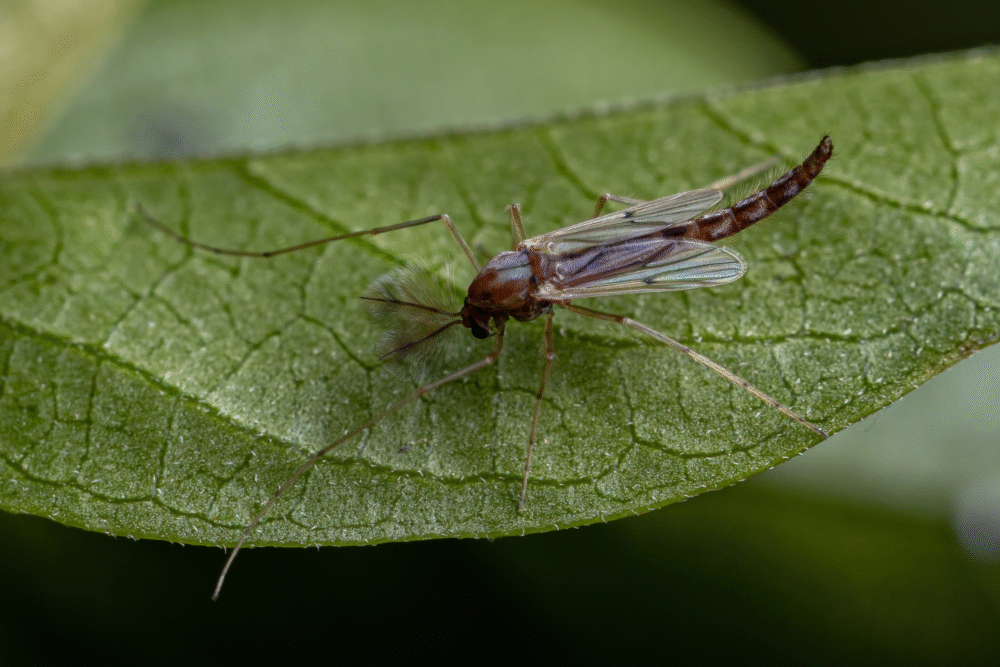
For years, scientists believed freshwater midges originated in the Northern Hemisphere because most early fossils were found there. This new discovery from Australia suggests midges may have first evolved in the south, on the ancient supercontinent Gondwana.
If confirmed, this would shift long-held assumptions about insect dispersal patterns. A southern origin could explain how midges spread across southern landmasses long before they appeared in northern fossil records.
5. Gondwana’s Ancient Landscapes May Have Nurtured Early Midges

Australia was once part of Gondwana, a vast southern supercontinent with extensive freshwater systems. These environments may have been ideal breeding grounds for early midges, offering diverse habitats for the insects to evolve and spread.
Understanding Gondwana’s ancient ecosystems helps researchers reconstruct how insects adapted to different climates and landscapes. This provides new insight into the ecological conditions that shaped early insect evolution.
6. The Discovery Challenges Previous Evolutionary Models

Most evolutionary models have placed early midge development in northern regions. This new fossil forces scientists to reevaluate those models and reconsider how midges dispersed across the globe.
Challenging long-standing theories is a normal part of scientific progress. New discoveries like this one help refine the insect family tree and provide a more accurate picture of evolutionary history.
7. Freshwater Midges Are a Key Group in Insect Evolution
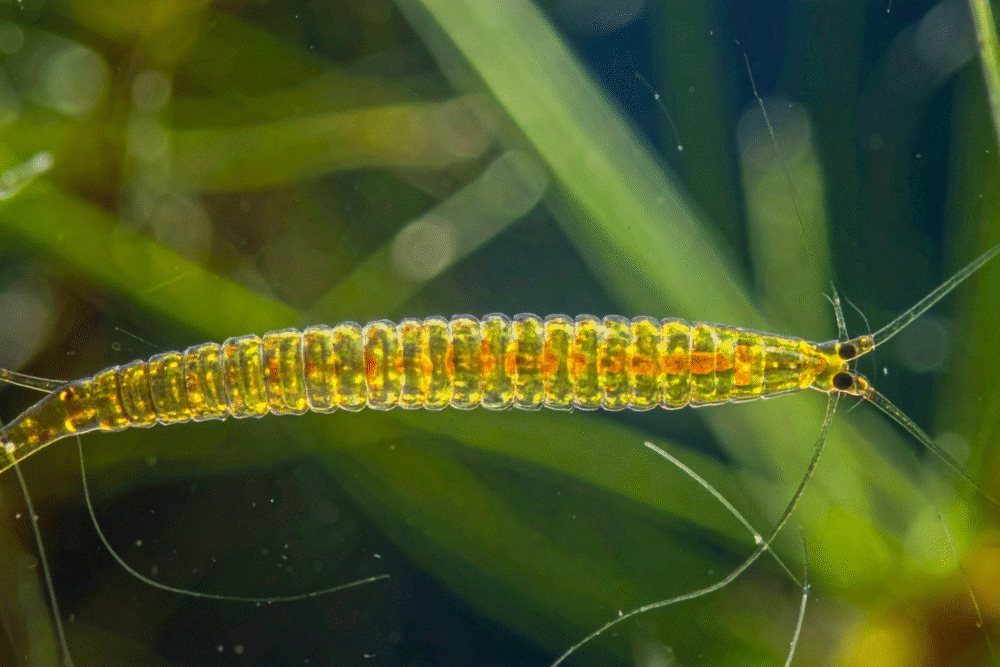
Midges are an important group of freshwater insects that play major roles in aquatic ecosystems. Understanding their origins helps clarify broader questions about how freshwater insects evolved and diversified.
Because midges are widespread and ecologically significant, mapping their evolutionary path can reveal how ancient freshwater environments shaped modern biodiversity. Their history offers clues about how insects adapt to changing climates and habitats.
8. The Fossil Provides a Rare Look at Jurassic Insects
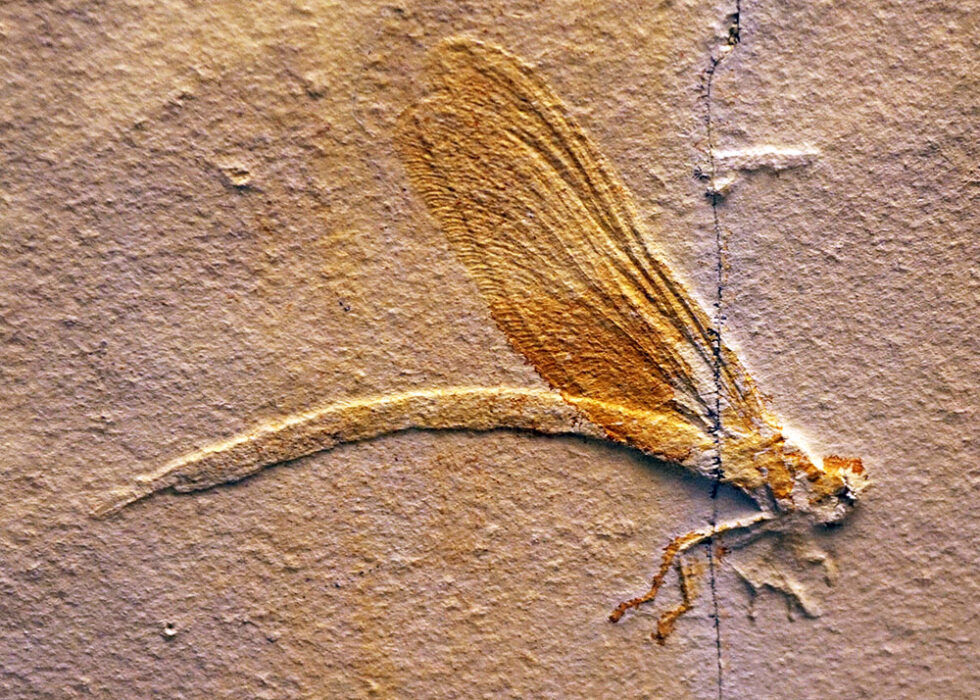
Insects from the Jurassic period are extraordinarily hard to find, especially well-preserved ones. This fossil offers a rare window into ancient insect life and helps fill gaps in the fossil record.
Studying Jurassic insects offers a deeper understanding of how early ecosystems functioned during the time of dinosaurs. Each fossil adds valuable context to the complex puzzle of prehistoric life.
9. The Finding Highlights the Value of Citizen Science

This discovery underscores the role amateur collectors can play in paleontology. When fossils are responsibly reported and shared with researchers, they can lead to major scientific advances.
Citizen science initiatives encourage the public to participate in exploration and documentation. Fossil finds like this one remind us that science benefits when communities and researchers collaborate.
10. Scientists Are Continuing to Study the Midge’s Evolutionary Impact

Researchers are now examining the fossil in detail to determine how it fits into the broader midge family tree. They hope to compare it with other Jurassic specimens and evaluate whether it represents an early lineage or a previously unknown branch.
As more fossils from Gondwana are analyzed, scientists may uncover additional evidence supporting a southern origin for freshwater midges. This ongoing work will help refine evolutionary models and deepen our understanding of insect history.