
A new map shows 60 percent of Earth’s land is pushed beyond safe biosphere limits, with 38 percent in high risk.
A new study mapping Earth’s “functional biosphere integrity” reveals that around 60 percent of the planet’s land is now operating outside of locally defined safe limits, with 38 percent classified as high-risk. The research, conducted by scientists from the Potsdam Institute for Climate Impact Research and BOKU University in Vienna, measures how much human use of biological productivity disrupts nature’s essential cycles. These findings suggest that the Earth’s ability to self-regulate through photosynthesis, carbon, water, and nitrogen cycles is under severe strain—raising alarms about ecosystem stability worldwide.
1. A Global Map of Risk to Earth’s Land
Scientists created the first global map showing how much human activity has pushed ecosystems beyond safe limits. The research used “functional biosphere integrity” as a measure, looking at how much nature’s productivity is being diverted for human use.
The results were sobering: roughly 60 percent of land worldwide is already beyond safe boundaries. This means the natural processes that keep ecosystems stable are strained, leaving the Earth’s balance more fragile than many people realize.
2. 38 Percent of Land Is High-Risk
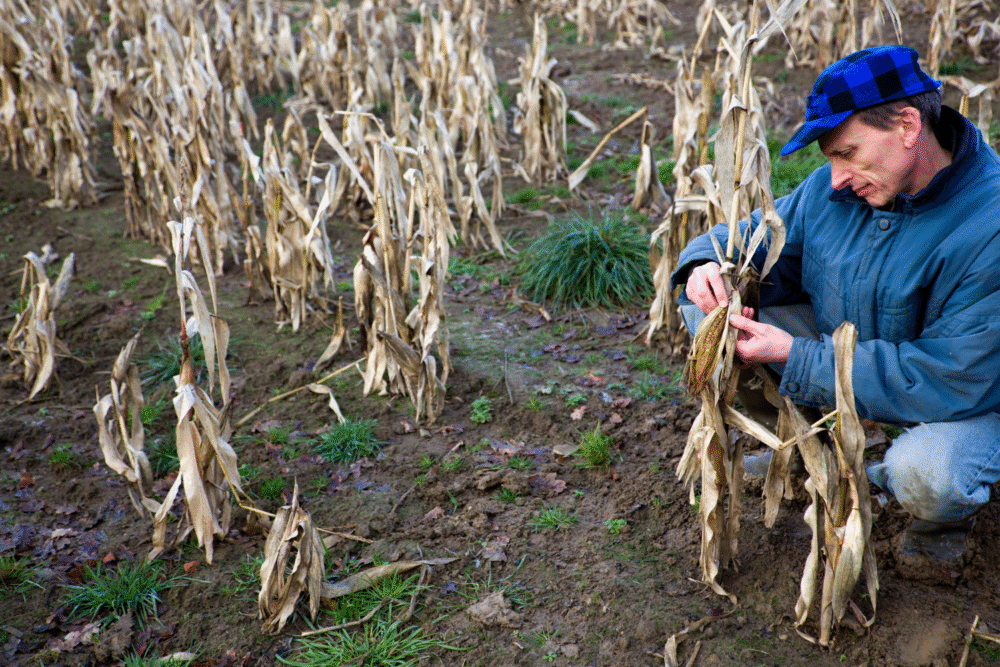
The study found that 38 percent of Earth’s land is in the high-risk category. These are areas where the biosphere has been altered so severely that natural recovery is unlikely without major changes in human behavior.
In high-risk regions, the ability of ecosystems to recycle carbon, nitrogen, and water is deeply compromised. This loss of function weakens the services people depend on, from crop growth to clean water, making societies more vulnerable to environmental shocks.
3. What “Functional Biosphere Integrity” Means
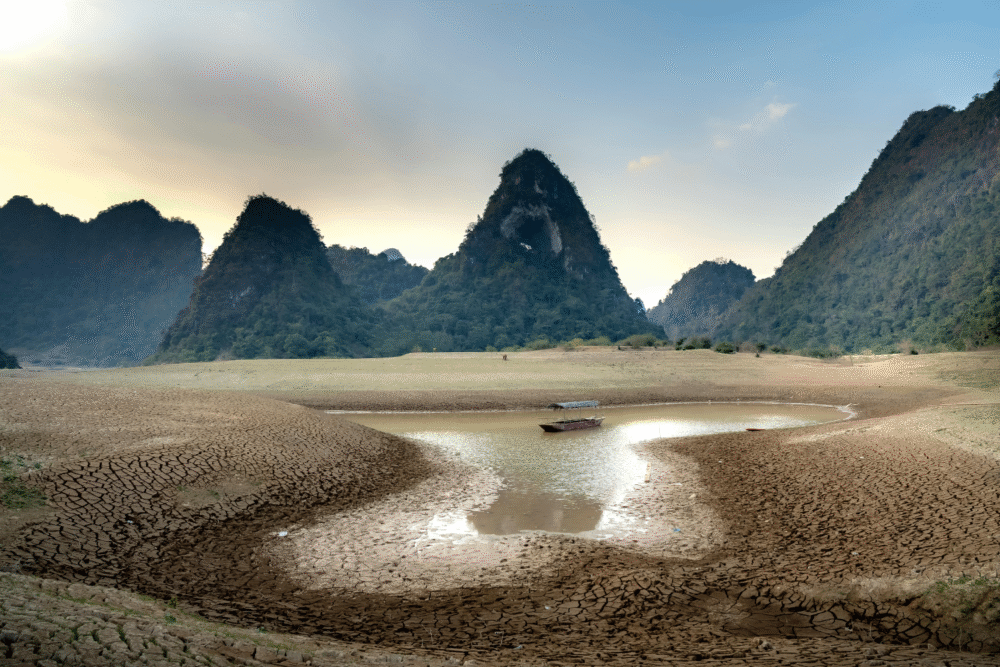
Functional biosphere integrity refers to nature’s ability to regulate itself through cycles like photosynthesis, carbon storage, and water balance. When ecosystems lose too much of this function, they cannot bounce back easily from stress.
Scientists used satellite data and land-use models to measure how much of Earth’s natural productivity humans are consuming. The findings highlight that many regions have crossed thresholds where ecosystems no longer function as they once did.
4. Human Demands Drive the Breakdown
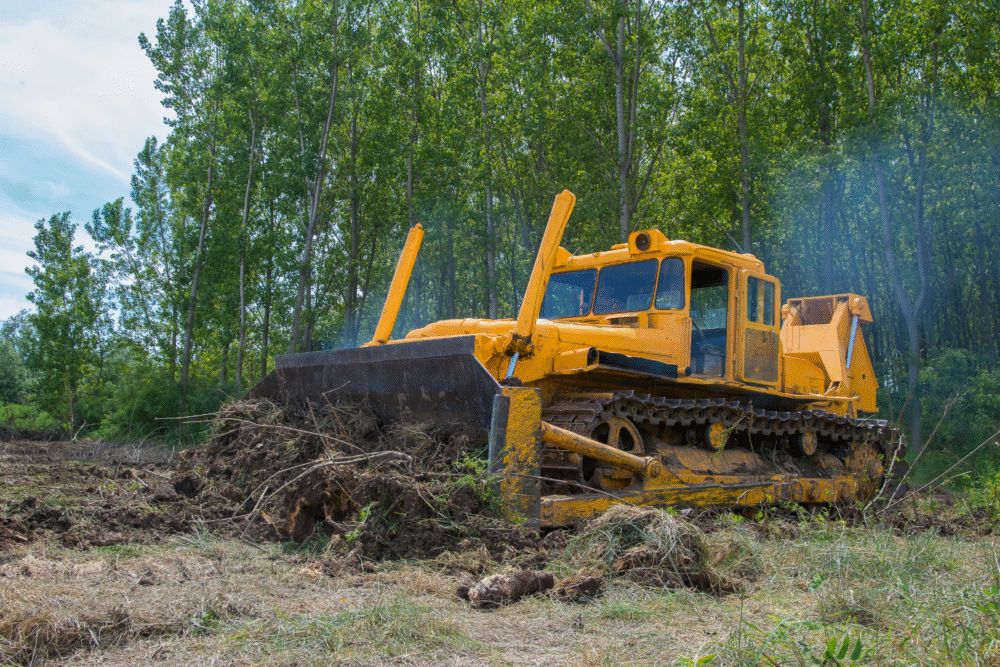
The main reason for the loss of biosphere integrity is the way humans use land. Expanding agriculture, urbanization, and industrial activity all take natural productivity away from ecosystems.
As demand for food, timber, and resources grows, ecosystems are stripped of the energy needed to keep themselves healthy. The study warns that this overuse of biological capacity is leaving nature with too little left to sustain balance.
5. Global Food Production Is at the Core
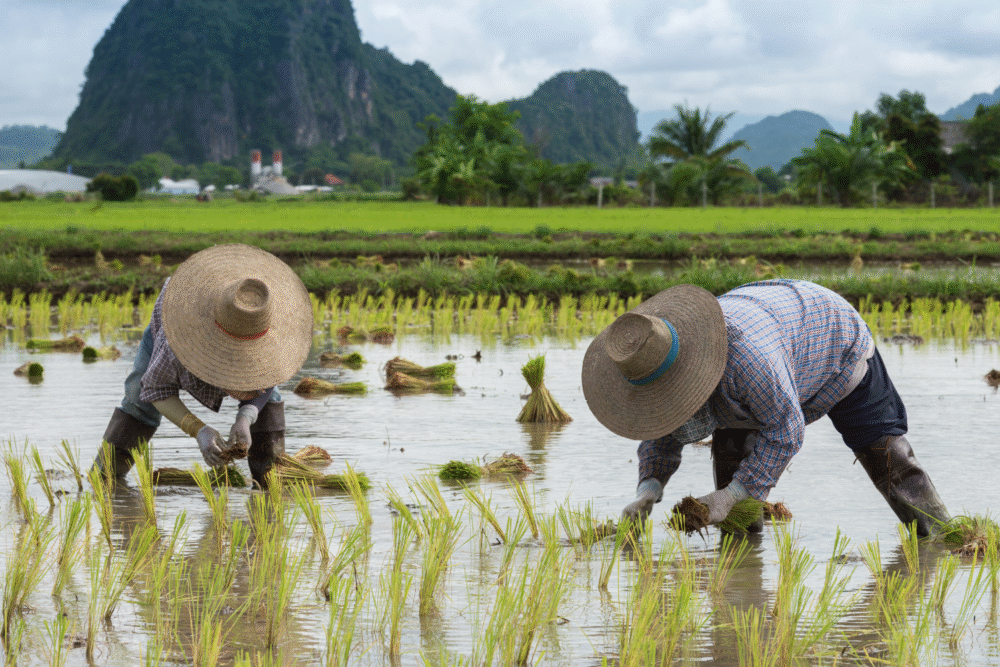
Agriculture is one of the largest drivers of risk. Converting forests and grasslands into farmland boosts food production but reduces the natural functions that support biodiversity.
While farming is essential, the sheer scale of land dedicated to crops and livestock has pushed ecosystems beyond their limits. This makes food systems more vulnerable, since they depend on the very ecological cycles they are undermining.
6. Regional Differences Are Striking
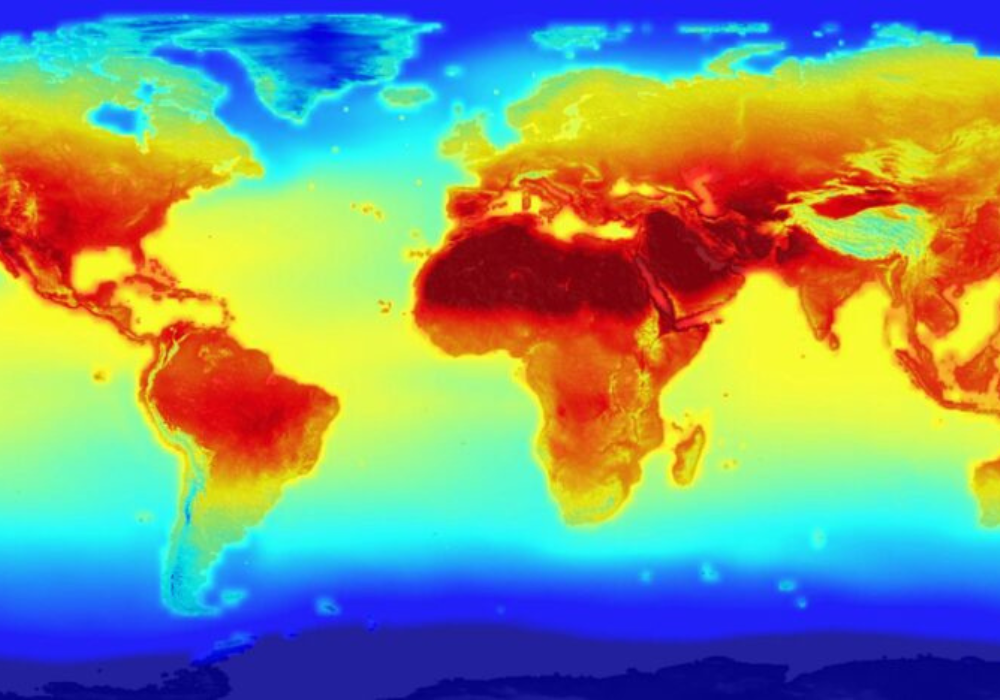
Not every part of the world faces the same level of risk. Some areas, like parts of Africa and South America, still retain large stretches of land within safe limits.
Other regions, including much of Europe, Asia, and North America, are already heavily altered. These differences show how uneven human impact has been, but they also highlight where conservation and restoration efforts could have the greatest effect.
7. Safe Zones Are Shrinking Fast
Only about 40 percent of the planet’s land remains within what scientists consider safe boundaries. These areas are crucial, because they act as buffers for global ecological stability.
If safe zones continue to shrink, the Earth’s overall resilience to climate shocks, biodiversity loss, and resource demands will weaken. Protecting these remaining intact ecosystems is essential to slow further decline.
8. Links to Climate Change Are Clear

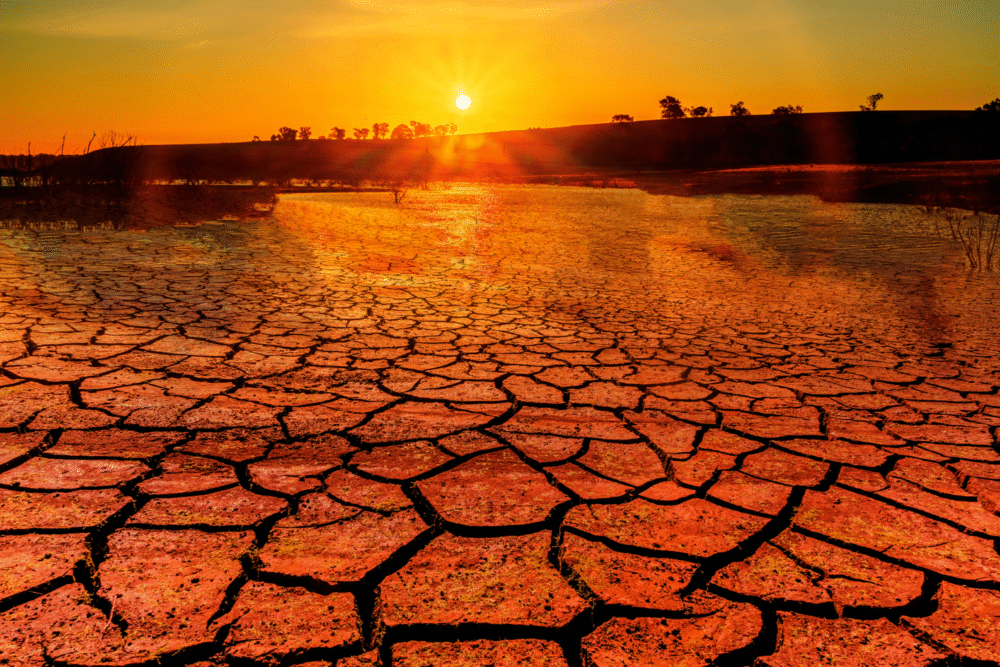
The breakdown of biosphere integrity is closely tied to climate change. When ecosystems lose productivity, they can no longer store as much carbon, making global warming worse.
At the same time, climate extremes like heatwaves and droughts put even more pressure on ecosystems already at risk. This feedback loop means that land degradation and climate change are reinforcing one another, raising global stakes.
9. A Warning for Global Stability
Researchers emphasize that the study is not just about plants and soil—it is about human well-being. When ecosystems falter, the risks extend to food security, water supplies, and even economic stability.
Societies depend on healthy land for services that cannot easily be replaced by technology. If these systems collapse, the cascading effects will be felt far beyond local regions, potentially disrupting global supply chains and livelihoods.
10. Scientists Call for Urgent Action

The authors stress that these findings are a warning, not a final verdict. Restoring ecosystems, reducing land conversion, and shifting toward sustainable farming practices could help reverse some damage.
Policymakers, businesses, and communities have a window of opportunity to act. Without intervention, the share of land at risk will continue to grow, making it harder to keep ecosystems functioning. Scientists say protecting biosphere integrity is essential for the planet’s future.