
Studios are turning to digital animals created by AI, cutting real animal actors from film sets.

Hollywood’s next wave of job losses isn’t human—it’s animal. A growing number of studios are replacing live animal actors with AI-generated versions that can be animated, trained, and controlled entirely on screen. From dogs and horses to exotic wildlife, these digital doubles eliminate costs, safety concerns, and ethical debates about animal use in film. Industry experts say the shift marks another major disruption as artificial intelligence reshapes nearly every corner of entertainment production.
1. Hollywood Is Quietly Replacing Real Animals with AI

Filmmakers are increasingly turning to artificial intelligence to create lifelike animals for movies and television. These AI-generated creatures can run, bark, roar, or even cry on command—without ever stepping onto a set. The technology builds on earlier advances in CGI and motion capture, but with much greater realism.
Industry insiders say the motivation isn’t just visual quality but convenience. AI can generate perfect performances instantly, removing the unpredictable behavior, training time, and care costs associated with live animal actors.
2. The Rise of “Synthetic Stars” in Modern Filmmaking
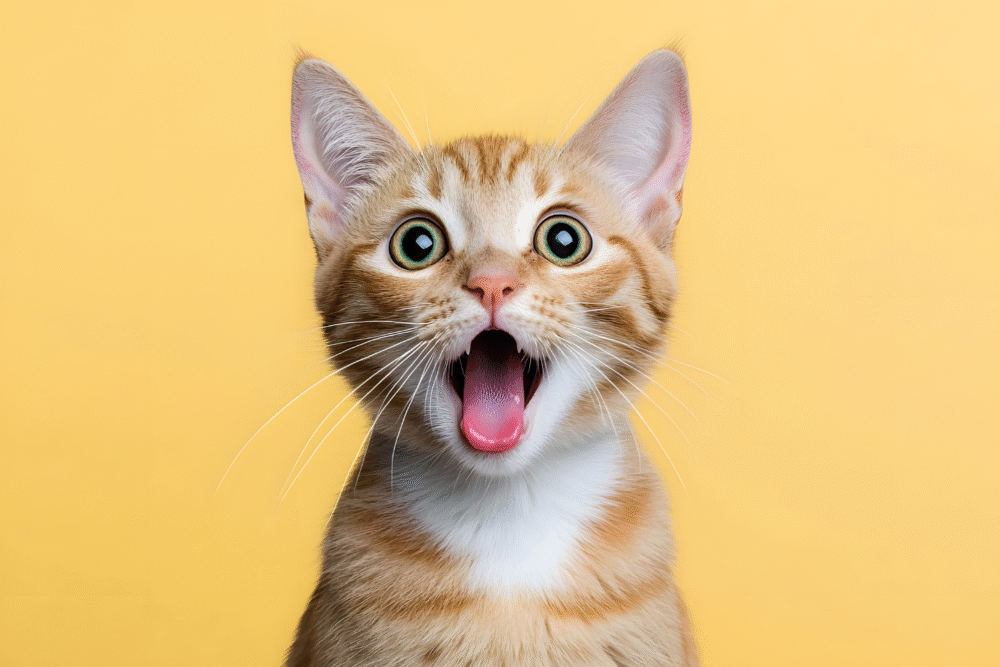
Studios now use AI tools that can generate animals from existing image and motion databases. Programs trained on thousands of clips can mimic muscle movement, fur patterns, and emotional cues with stunning accuracy. These systems can even “learn” an animal’s signature gestures to produce entirely new performances.
The result is a growing stable of digital creatures—dogs, horses, and even elephants—that look authentic enough to fool most audiences. What began as an experiment in special effects has quietly evolved into a replacement industry.
3. Animal Welfare Rules Helped Push AI Forward

Strict animal welfare regulations have made it more expensive and complicated to use real animals on set. Studios must provide handlers, veterinarians, and safety monitors for every shoot. While these protections are necessary, they also drive up production costs.
AI solves many of those logistical and ethical issues. With virtual animals, there’s no risk of harm, no transportation, and no training delays. For studios under budget pressure, the choice between digital and live animals is becoming increasingly one-sided.
4. Digital Animals Can Do What Real Ones Can’t
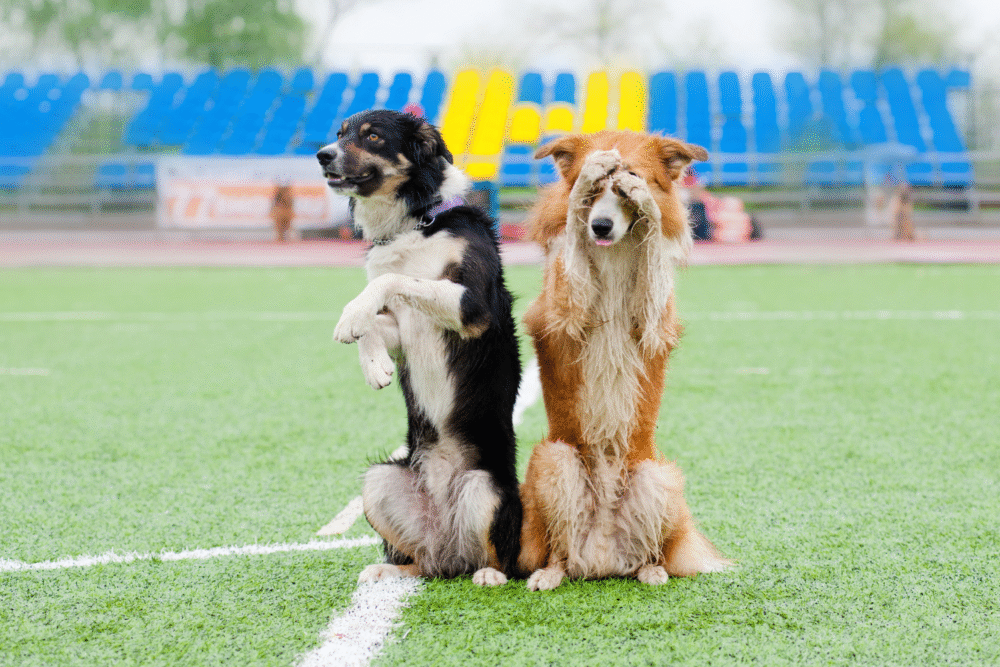
AI-generated animals are not bound by physical limitations. They can perform stunts, travel through time, or inhabit fantasy worlds without risk or expense. Directors now have full creative control, able to adjust every movement or facial expression during post-production.
This flexibility has already led to scenes that would have been impossible a decade ago. From emotional close-ups of photorealistic dogs to stampedes of digital elephants, AI gives filmmakers power that traditional animal trainers never could.
5. Cost Savings Are Driving the Change

Behind the artistic arguments lies an economic reality. Real animals require training, transportation, housing, and multiple handlers. AI animals require only computing power and skilled animators. Once created, they can be reused indefinitely across multiple projects.
Producers estimate that digital animals can cut production costs by up to 30 percent, depending on the complexity of the scene. In a competitive streaming economy, saving both time and money makes AI an irresistible option for major studios.
6. Traditional Animal Trainers Are Losing Work
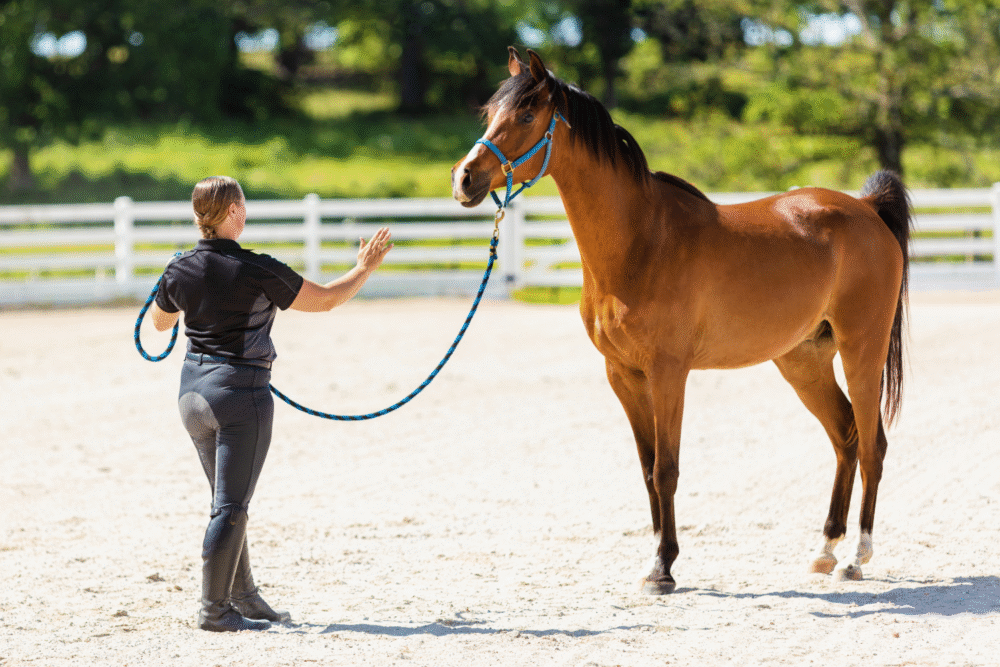
The shift toward AI has left many professional animal wranglers and trainers facing dwindling job opportunities. Some report that their work has dropped by more than half in recent years as digital alternatives replace live performances.
For decades, these trainers were essential to film production, maintaining safety for both animals and actors. Now, many are being asked to consult on digital projects instead—offering behavioral insight for animators rather than working directly with living creatures.
7. Ethical Debate: Is Replacing Animals the Right Solution?

Supporters argue that using AI to replace animals eliminates the risk of abuse, exhaustion, or distress on film sets. Critics counter that digital replacements may further disconnect audiences from nature and real animal behavior.
The conversation reflects a broader tension between innovation and authenticity. While technology may spare animals from exploitation, it also raises questions about whether synthetic substitutes can truly capture the spirit of real creatures on screen.
8. AI Animals Have Already Appeared in Major Films

Recent blockbusters and streaming shows have quietly featured AI-enhanced or fully digital animals. Studios now blend computer-generated creatures with real footage so seamlessly that audiences often can’t tell the difference.
Examples range from realistic horses in historical dramas to AI-generated tigers in adventure films. As algorithms improve, producers expect the technology to become standard—just as digital humans and de-aged actors are now common in Hollywood storytelling.
9. The Technology Is Expanding Beyond Movies

AI-generated animals aren’t limited to Hollywood. The same technology is now being used in advertising, video games, and educational media. Wildlife documentaries increasingly use digital doubles to illustrate extinct or endangered species without disturbance.
This crossover shows how rapidly the tools are spreading across creative industries. Whether for storytelling, simulation, or conservation education, virtual animals are becoming part of the entertainment and communication landscape worldwide.
10. The Future of Animal Acting May Be Entirely Virtual

As AI becomes faster and more affordable, experts predict that live animal acting could vanish within a decade. Future audiences may grow up never realizing that real animals once performed in movies.
While some filmmakers still prefer the authenticity of live footage, the trend toward digital realism seems irreversible. For better or worse, the age of animal actors is ending—and the next generation of Hollywood stars may exist only as code and pixels.