
Advanced AI is revealing hidden text without unrolling or damaging the fragile scrolls.
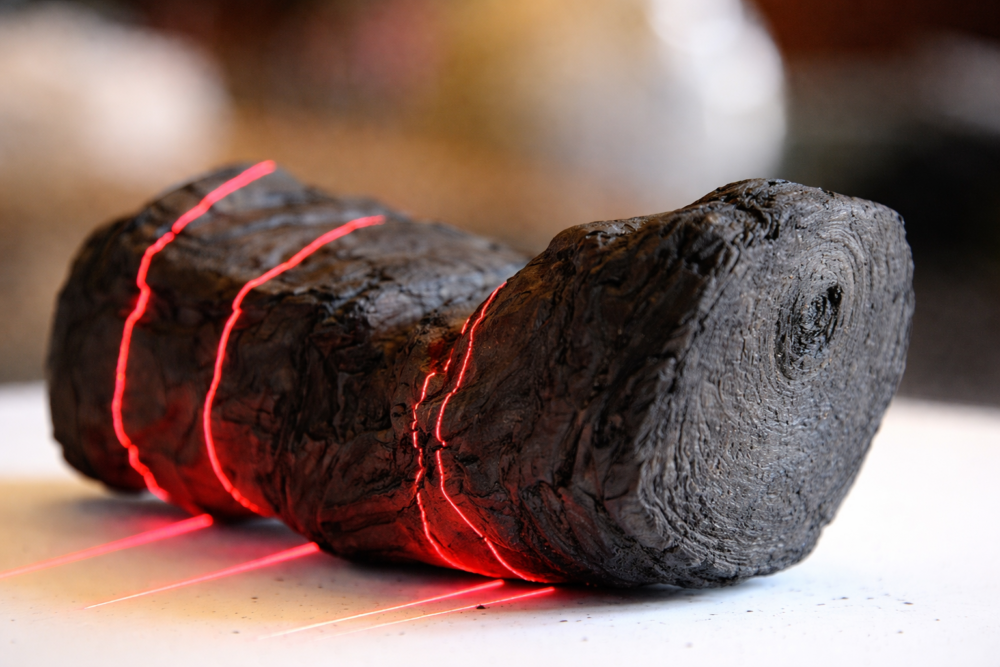
You have probably seen the headline: AI is reading scrolls that were turned into charcoal by Vesuvius. It sounds fake, but it is real, and it is happening piece by piece, not all at once.
These are the Herculaneum scrolls, buried in AD 79 and later found in a luxury villa packed with ancient books. For centuries, opening them meant destroying them, so the words stayed locked inside.
Now researchers can scan the scrolls in 3D and “unwrap” them on a computer, then use AI to spot ink that human eyes miss. The results are still partial, but the first readable lines prove a simple point: history can return without anyone touching the papyrus.
1. A library that got flash-frozen by a volcano
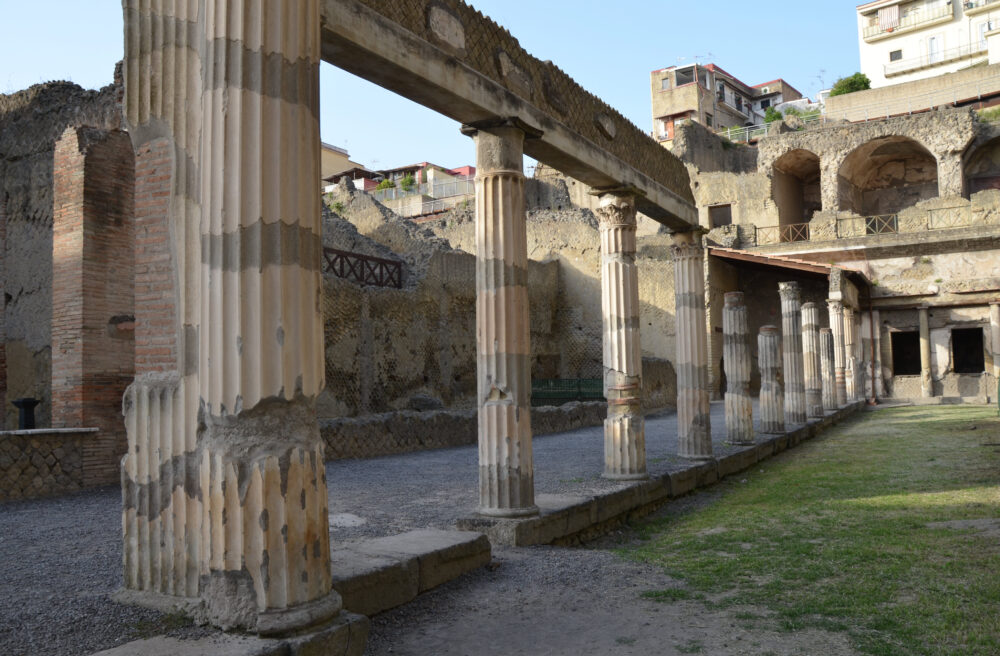
In AD 79, Mount Vesuvius buried Herculaneum under scorching debris, carbonizing papyrus scrolls into brittle, black lumps. They survived, but they also became nearly impossible to open without turning to dust in your hands.
That is why the Villa of the Papyri is such a big deal. It is the only known library from the Greco-Roman world found in anything like an intact state, even if most of it has been unreadable for centuries and feels frozen in time.
2. Why unrolling them the normal way is a disaster

Traditional unrolling works when a scroll is just old and fragile. These are different. The heat fused layers together, crushed fibers, and left ink and papyrus looking almost the same to many scanners, which is a nightmare combo.
So for a long time, scholars were stuck with a brutal choice: risk destroying a scroll to peek inside, or leave it sealed forever. That stalemate is what made the modern “read it without opening it” approach feel almost unreal when it started working.
3. The key trick: make the inside visible in 3D

Instead of physically unrolling anything, researchers scan the scrolls with advanced X-ray imaging that captures a 3D volume of the tightly wrapped layers. Think of it like a CT scan, but tuned for tiny differences inside a carbonized object you cannot safely touch.
Once you have that 3D map, you can digitally trace the surfaces of the papyrus layers. That creates a virtual sheet you can “flatten” on a computer, which is the first step toward seeing any writing at all and measuring where letters might be.
4. The hard part is the ink, not the paper

Here is the annoying twist: the ink is usually carbon-based, and the papyrus is also carbon-rich after the eruption. That means the writing does not pop out automatically the way it might on a normal manuscript, even with fancy scans.
Some scrolls also used inks with trace metals that show up better in certain scans, which can make a huge difference. The better the contrast, the more the software has something real to latch onto, instead of guessing at shadows and noise.
5. Enter the Vesuvius Challenge and the crowdsourced sprint

To speed everything up, the Vesuvius Challenge released scan data and offered prizes for teams who could detect ink and recover readable text. Suddenly, machine-learning people and classicists were working on the same problem, just from different angles and vocabularies.
That mix mattered. AI can spot faint patterns across millions of pixels, but you still need papyrologists to confirm letters, words, and meaning. The best progress has come from that handoff between code and human expertise, plus lots of careful checking.
6. How AI “reads” a scroll without touching it
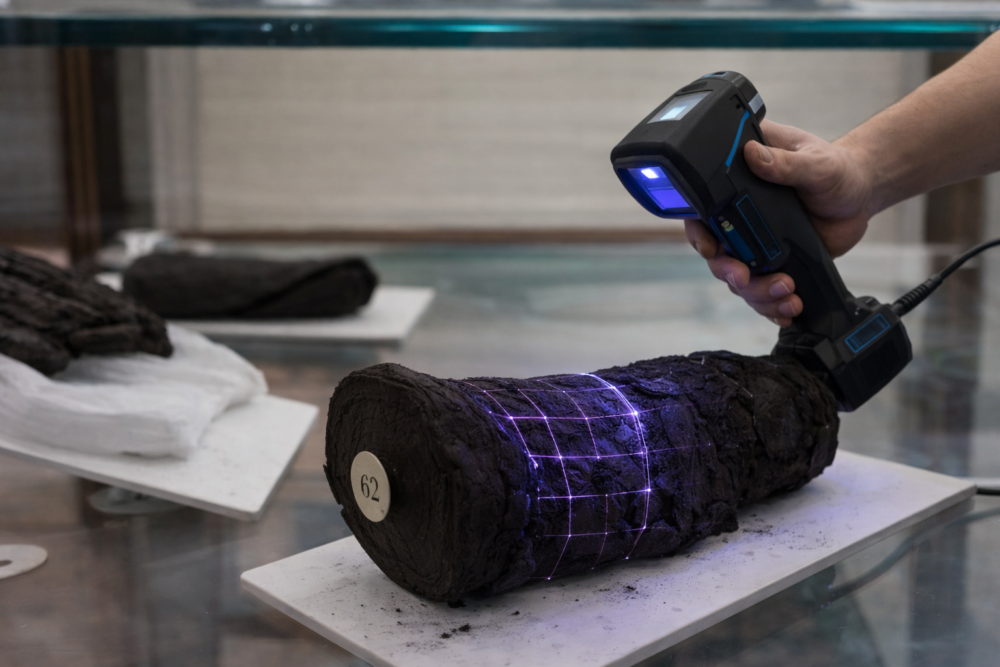
First, the scroll gets scanned into a detailed 3D model, layer by layer. Then software traces the curled papyrus surfaces and digitally unwraps them into flatter images that are easier to analyze.
Next comes the AI part: models are trained to detect tiny ink signals in those flattened views, even when the contrast is weak. The output is often a probability map that highlights where letters likely are.
Finally, scholars verify what the system suggests, letter by letter, column by column. That last step is slow, but it is what turns a cool visualization into actually readable ancient Greek text.
7. The first breakthrough was not a full sentence, and that is the point
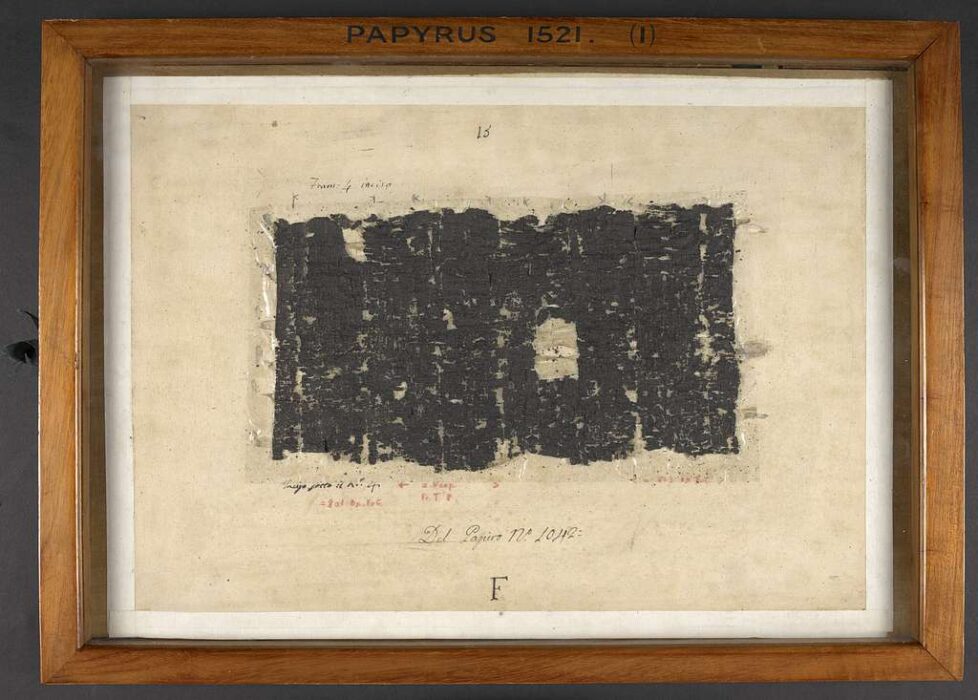
Early wins were single letters and short words, the kind of thing that seems small until you realize nobody had seen any of it for nearly 2,000 years. Once you can reliably pull letters, you can start building whole columns, and that changes everything.
Those first readable bits proved the method, and they also gave teams real training targets. In machine learning, progress often comes from having a clear “yes, that is ink” example, not just hope and hype. Then you iterate and get sharper.
8. What the newly read text is actually about
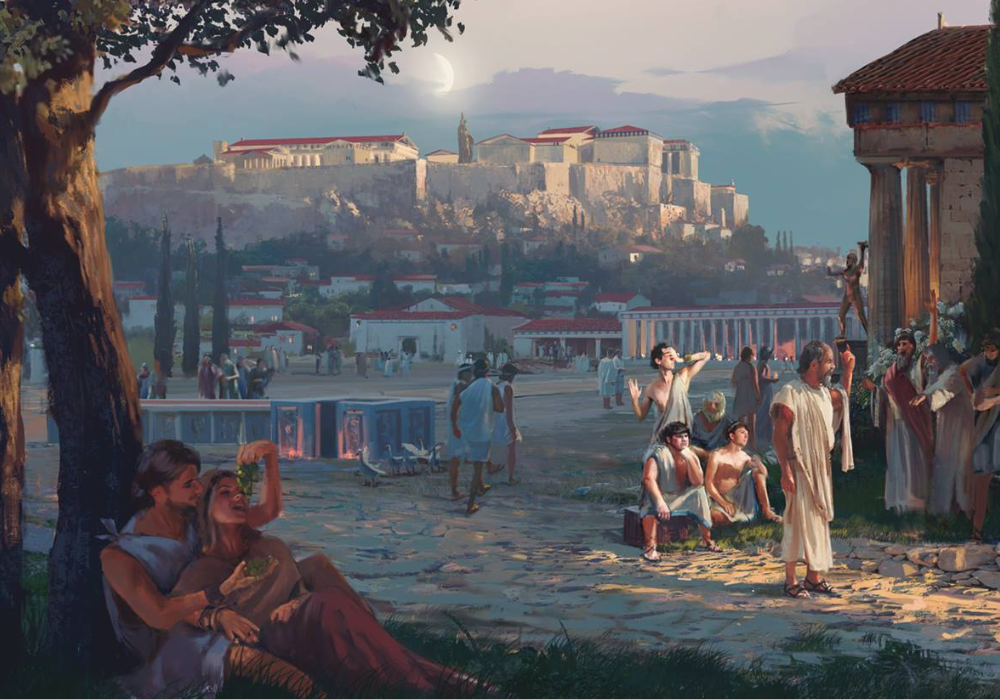
So far, the clearest passages point to Greek philosophical writing, especially Epicurean discussions about pleasure, choices, and everyday life. In other words, not dramatic prophecy, more like ancient advice about how to live without spiraling, which is kind of relatable.
One sealed scroll read with these techniques has been linked to Philodemus, an Epicurean philosopher whose works show up again and again in the Herculaneum collection. Titles and sections suggest themes like moral flaws and how people get pulled into them over time.
9. Why this is bigger than one scroll

Reading one scroll is cool. Reading hundreds could change what we know about ancient thought, because these are not copies made in the Middle Ages. They are direct texts from a specific place and time, preserved by a freak disaster that also hid them.
It also changes archaeology itself. If we can extract text non-destructively, museums do not have to choose between preservation and knowledge. That is a new era for fragile artifacts, not just papyri, and it could spread to other materials too.
10. The frustrating truth: we are still in the early chapters

The public versions of the text are still partial, and many lines are hard to interpret without context. Even when letters appear, gaps and distortions can turn translation into a puzzle with missing pieces, so scholars move carefully and double-check everything.
Plus, every scroll has its own problems: different damage patterns, tighter wraps, weaker ink, or more noise in the scan. So the pipeline that works on one scroll might need serious tweaking for the next, and progress can feel uneven week to week.
11. What happens next is a mix of more scans and better models
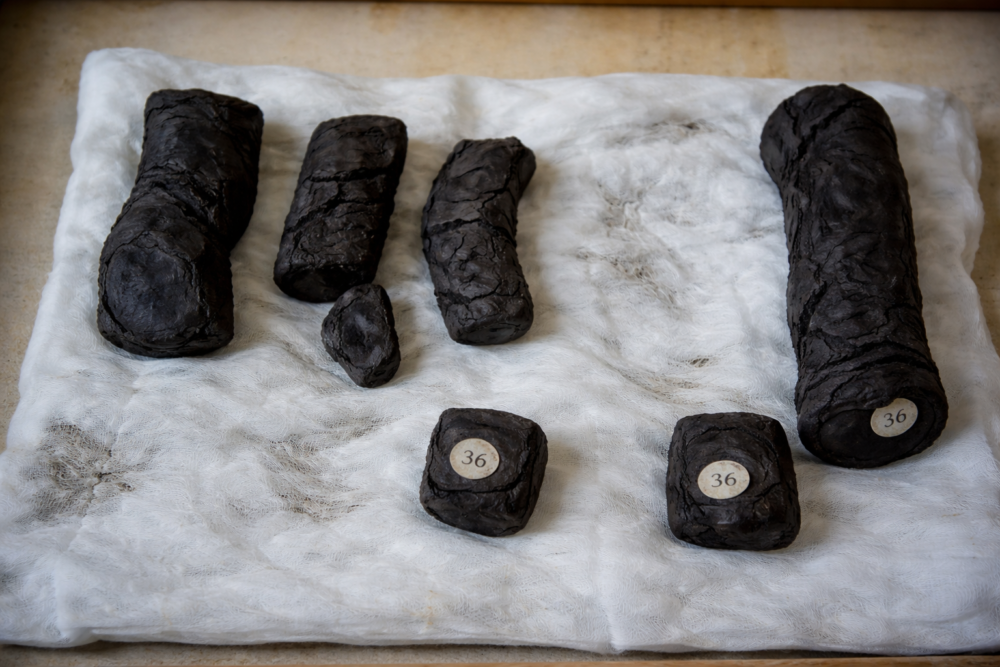
The path forward is pretty clear. Scan more scrolls at high resolution, improve the virtual unwrapping, and keep training models on confirmed ink so the detections get cleaner over time and less glitchy.
The fun part is that each success makes the next one easier. As the dataset grows, AI gets better at spotting letters, and scholars get more columns to read. The result is not one viral headline, but a slow flood of ancient words returning to the modern world for real.