
This ancient practice offers modern solutions to everyday health challenges.

When most people think of acupuncture, they picture someone lying still as a pincushion. While those tiny needles are indeed central to the practice, reducing acupuncture to just “getting poked” misses the remarkable breadth of this healing system.
Developed over thousands of years, acupuncture views the body as an interconnected energy system where proper flow creates wellness, while blockages lead to discomfort. What many don’t realize is that acupuncture has evolved alongside modern medicine, with research validating many of its applications.
Far from being an exotic alternative, acupuncture has become mainstream enough that many insurance plans now cover treatments. If you’ve been needle-shy or simply curious about what acupuncture might offer beyond pain relief, this exploration might convince you to give this time-tested healing art a chance.
1. Acupuncture taps into your body’s natural pain-relieving chemicals.

That sense of relaxed well-being many people experience during and after acupuncture isn’t just psychological—it’s biochemical. Research by Juang-Geng Lin et al. published in the American Journal of Translational Research suggests that acupuncture stimulates the release of endorphins, your body’s natural painkillers, which provide powerful relief without side effects or addiction potential. The tiny needle insertions are interpreted by your body as “micro-injuries” that trigger your internal healing response.
What makes this approach valuable is that it addresses pain from within rather than masking it from without. Unlike pain medications that simply block pain signals, acupuncture helps recalibrate your nervous system’s response to pain while improving circulation to injured areas. This dual action explains why many people find longer-lasting results from acupuncture, especially for chronic conditions that have resisted other treatments.
2. The stress-busting effects extend far beyond the treatment table.
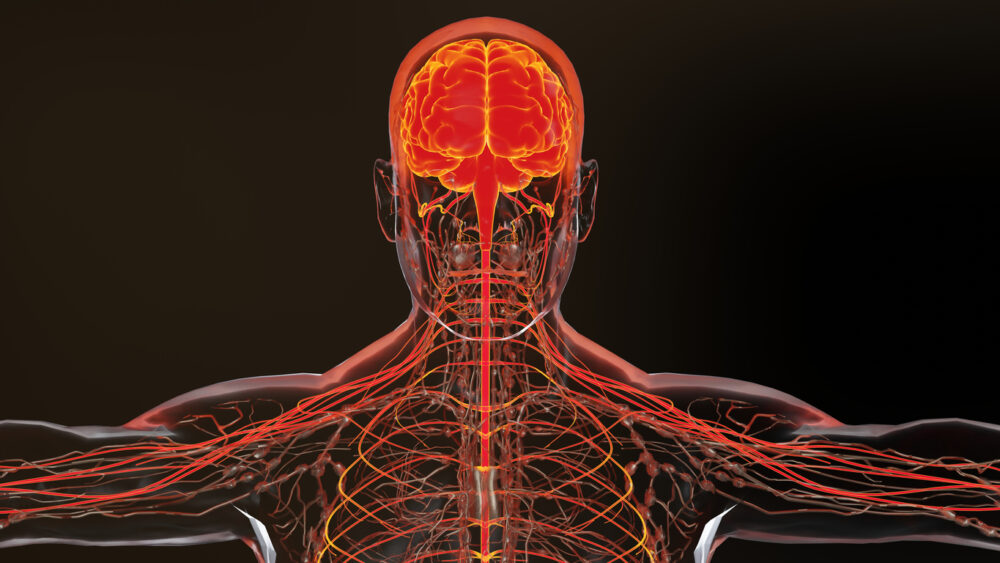
Many first-time acupuncture patients are surprised by how deeply relaxed they feel during treatment—some even fall asleep despite having needles in place. Dr. Xiang Jun describes how this calming effect stems from acupuncture’s impact on your autonomic nervous system, shifting you from “fight-or-flight” mode to “rest-and-digest” functioning.
Regular treatments essentially retrain your nervous system to spend more time in this restorative state. Results typically last well beyond the appointment itself.
Patients report improved sleep quality, decreased anxiety, and a greater sense of emotional balance for days following treatment. For people caught in cycles of stress and insomnia, this circuit-breaking capability offers a welcome alternative to medications that may come with unwanted side effects or dependency concerns.
3. Digestive troubles often respond quickly to treatment.

Your digestive system is remarkably sensitive to both physical and emotional distress, which is why stomach issues commonly accompany stress. Acupuncture addresses this gut-brain connection by regulating nervous system activity while improving blood flow to digestive organs. Specific points along the stomach and spleen meridians can help reduce inflammation and normalize digestive function.
In a 2014 study, researchers Rafiei et al. found that conditions like IBS, acid reflux, and chronic constipation—which often frustrate conventional treatments—frequently show improvement with acupuncture. Some patients experience relief after just a few sessions, particularly when treatments include dietary recommendations based on traditional Chinese medicine. This integrated approach recognizes that digestive health reflects your overall physical and emotional balance.
4. Women’s health concerns benefit from this gentle treatment approach.

The female reproductive system appears to respond well to acupuncture’s effects on circulation and stress reduction. From painful periods to conditions like endometriosis and PCOS, many women report improvements after acupuncture treatment.
Patients commonly describe reduced cramp intensity, more regular cycles, and decreased PMS symptoms after several sessions. Fertility challenges represent another area where acupuncture has gained recognition, with studies showing improved outcomes when combined with conventional fertility treatments. During pregnancy, acupuncture safely addresses common discomforts like morning sickness and back pain, while specialized techniques can even help turn breech babies or prepare the body for labor.
5. The immune system receives a gentle but meaningful boost.

Those tiny needle insertions may influence immune function. Some research suggests that acupuncture can help moderate inflammatory responses in the body, potentially benefiting conditions where inflammation plays a key role. This balancing effect may explain why acupuncture appears helpful for supporting immunity and addressing certain autoimmune conditions.
Seasonal allergy sufferers often find relief through acupuncture, with reduced sneezing, congestion, and itching after treatments. The effects typically build over time, with many patients reporting less severe allergy seasons after receiving preventative treatments. Similar benefits extend to people with recurrent respiratory issues, asthma, and skin conditions—situations where immune regulation plays a crucial role.
6. Athletic performance and recovery time improve significantly.

Professional athletes increasingly incorporate acupuncture into their training regimens for good reason. Beyond pain management for sports injuries, acupuncture enhances performance by improving blood flow to muscles and reducing recovery time between workouts.
Special techniques target specific muscle groups to release tension patterns that limit motion or generate pain. Acupuncture relieves more than just the muscles, affecting tendons, ligaments, and fascia—connective tissues that conventional treatments often overlook.
By addressing these deeper structural elements, acupuncture helps prevent compensatory movement patterns that often lead to secondary injuries. Weekend warriors benefit just as much as elite athletes, finding that regular treatments help them stay active with less pain.
7. Headache frequency and intensity decrease with regular sessions.

For those suffering from chronic headaches and migraines, acupuncture offers relief without the side effects of pharmaceutical approaches. Research shows that regular treatments reduce both the frequency and intensity of headaches, with effects that can last months beyond the treatment period. This effectiveness stems from acupuncture’s ability to address multiple headache triggers simultaneously.
Facial acupuncture points around the eyebrows, temples, and base of the skull target local tension while points on the hands and feet influence systemic factors contributing to headache patterns. Many practitioners teach patients self-care techniques for between sessions. This educational component empowers headache sufferers with tools for self-care, reducing reliance on medications that may become less effective over time.
8. The positive effects on mental health go beyond relaxation.

While the relaxation benefits of acupuncture are widely recognized, its potential applications for mental health deserve attention. Some studies indicate that acupuncture may influence the same neurotransmitter systems—like serotonin and dopamine—that many mood medications target. For people with mild to moderate mood challenges, acupuncture might serve as either a supportive treatment or complement to therapy and medication. Many patients report improved concentration, mental clarity, and memory after acupuncture sessions.
These effects appear connected to improved blood flow to the brain and reduced inflammation that may interfere with optimal neural functioning. For students, busy professionals, or older adults concerned about cognitive health, acupuncture offers a natural approach to supporting brain function.
9. The facial rejuvenation effects offer a natural alternative to cosmetic procedures.

Cosmetic acupuncture offers a natural alternative to more invasive beauty treatments. The technique uses fine needles in facial muscles and points to increase blood flow, stimulate collagen production, and relax tension patterns that create wrinkles.
Many patients notice improved skin tone and a healthy glow after a series of treatments, without the risks of invasive procedures. The benefits go beyond appearance to address underlying health factors that affect how your skin ages. By improving sleep, reducing stress, and enhancing digestive function, cosmetic acupuncture addresses beauty from the inside out. Unlike treatments that target only visible symptoms of aging, this approach recognizes that your face reflects your overall wellbeing—creating natural results that stem from actual health improvements.
10. Acupuncture eases side effects of conventional medical treatments.
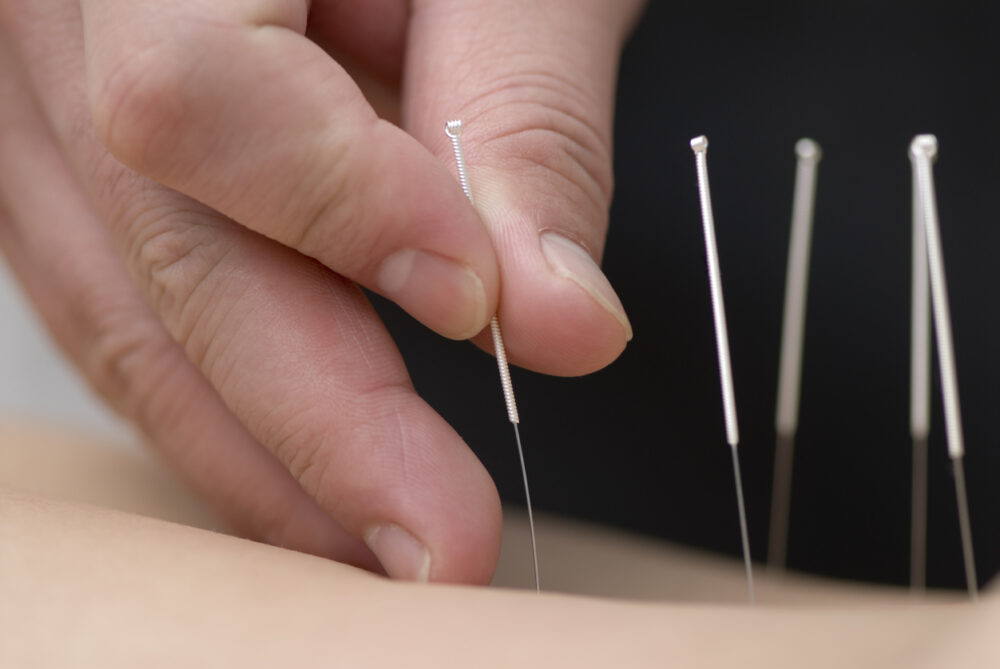
Oncology departments at many hospitals now offer acupuncture to help cancer patients manage treatment side effects like nausea, pain, fatigue, and neuropathy. Research shows that acupuncture can reduce symptom severity without interfering with medication effectiveness. This complementary approach helps patients complete their treatment course with less discomfort and better quality of life.
Similar benefits extend to people recovering from surgery or managing chronic conditions like multiple sclerosis, fibromyalgia, or Parkinson’s disease. By addressing symptom clusters that medications might only partially relieve, acupuncture helps fill gaps in conventional care plans. This integrative approach recognizes that healing is multidimensional—engaging not just physical symptoms but also emotional aspects of wellness.
11. Your treatment evolves to address your unique health patterns.

Unlike standardized protocols that treat similar symptoms the same way in every patient, acupuncture becomes increasingly tailored to your specific needs over time. Practitioners recognize subtle indicators in your pulse, tongue appearance, and overall presentation that reveal your unique patterns.
As they track your response, they refine their approach to address not just your primary concern but underlying imbalances. This personalized attention often helps identify health issues before they become serious problems.
Many patients discover that seemingly unrelated symptoms share common roots that respond to coordinated treatment. This whole-person perspective represents one of acupuncture’s greatest strengths, offering an alternative to the fragmented specialist approach of modern healthcare. For those seeking truly individualized care, acupuncture provides a model of attention rarely found in conventional settings.