
New research reveals unexpected genetic clues showing how some polar bears may survive a rapidly warming Arctic.
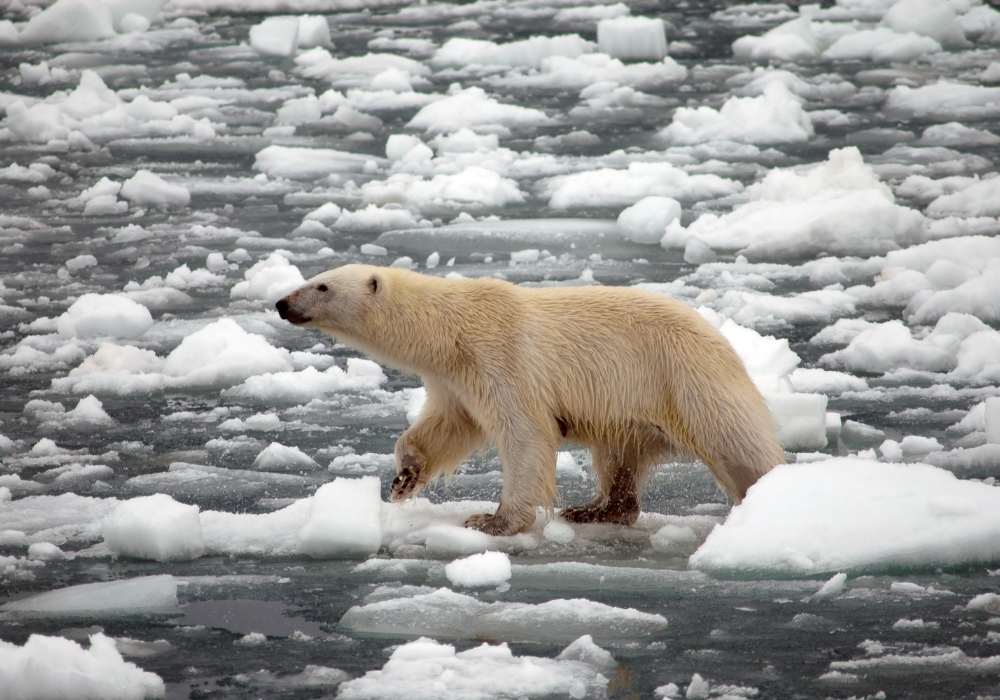
Researchers studying polar bears in eastern Greenland have uncovered surprising genetic evidence suggesting that some bears are adapting in ways that may help them survive a rapidly warming Arctic. These isolated bears live in a region where sea ice disappears for long periods, forcing them to hunt differently and survive in harsher conditions. The new findings highlight a unique genetic signature that may explain how this small population is enduring climate stress. Scientists say the discovery offers hope, but it also underscores how urgently the species needs stable sea ice to thrive long term.
1. Scientists Identified a Unique Population of Polar Bears in East Greenland
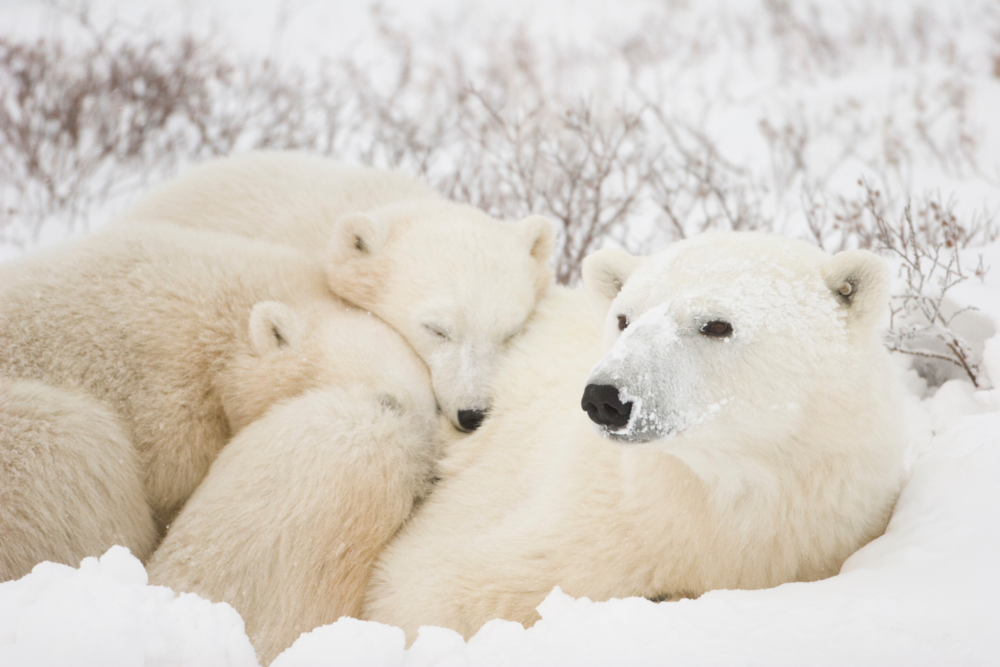
Researchers confirmed that a small group of polar bears living in southeastern Greenland is genetically distinct from other known polar bear populations. These bears live in a remote region surrounded by steep mountains, fast-moving ice, and limited access to the typical sea-ice platforms used for hunting seals. Their isolation has allowed them to develop unique characteristics over many generations.
This genetic distinctiveness makes the population scientifically valuable. It gives researchers a new opportunity to study how polar bears respond to environmental pressure and how genetic differences may influence survival in a warming climate.
2. The Bears Survive in an Area With Little Long-Lasting Sea Ice
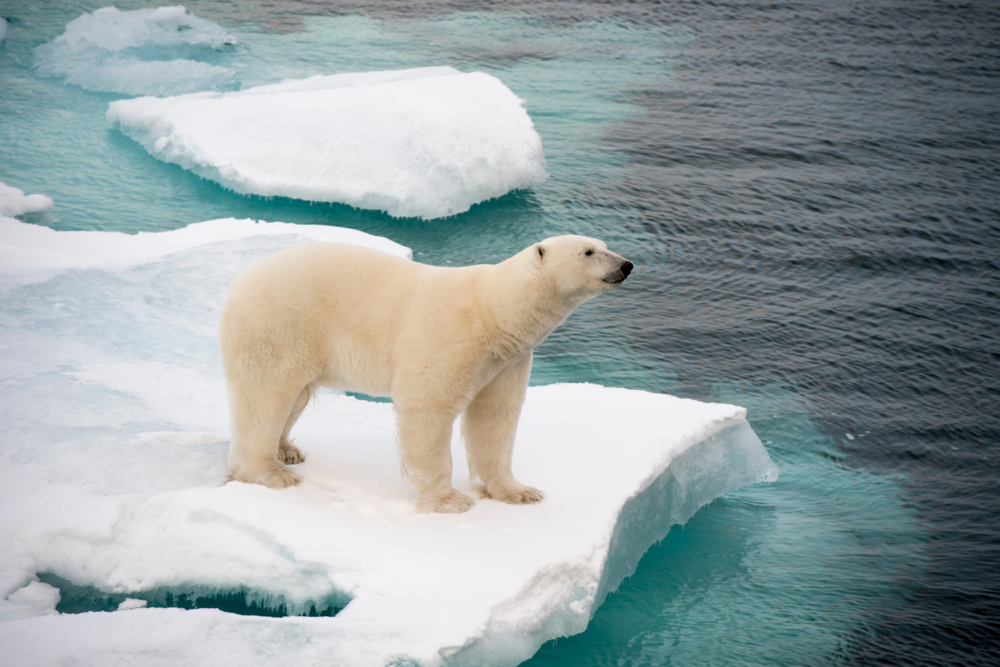
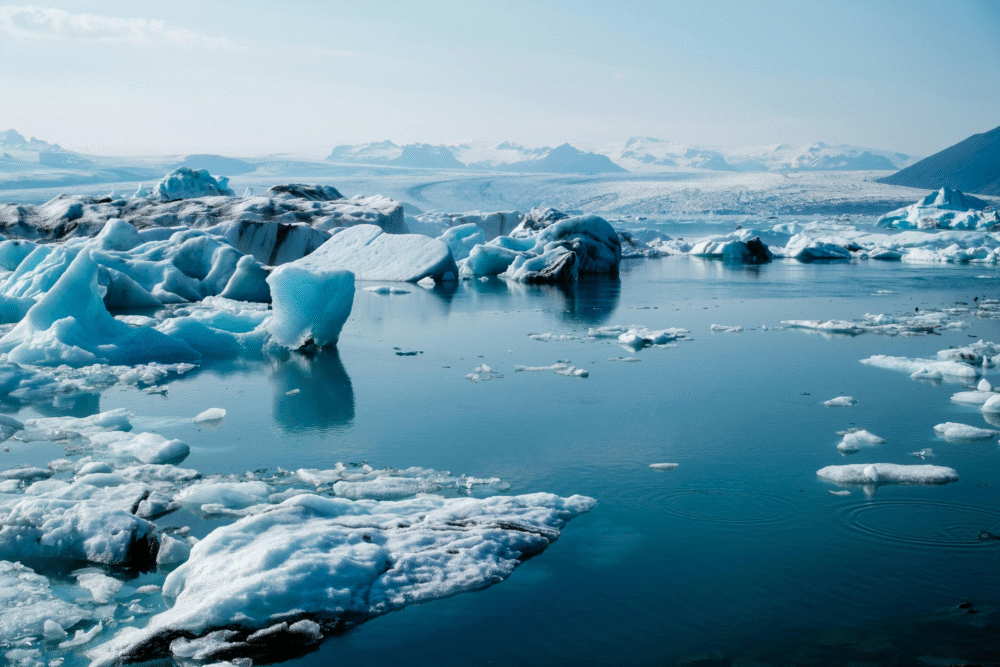
Unlike most polar bears, which rely heavily on predictable sea ice to hunt, this group lives in a region where ice breaks up for long periods. Instead of stable sea-ice platforms, they depend on glacial ice that breaks off from nearby glaciers and drifts into the ocean. These “ice mélange” chunks act as temporary hunting platforms, allowing the bears to catch seals even when typical sea ice disappears.
Scientists say this adaptation shows how some bears modify behavior to survive changing conditions. But they also caution that not all regions have enough glacial ice to support similar strategies.
3. Genetic Analysis Revealed Signs of Adaptation

DNA research found that these Greenland bears carry genetic traits not seen in other populations. Scientists believe these differences may reflect long-term adaptation to a harsh landscape with limited seasonal ice. The unusual genetic signature suggests the group has been isolated for at least several hundred years.
These findings do not prove rapid evolution, but they do show that long-term separation and environmental pressure have shaped the bears’ genetic profile. This provides valuable insight into how polar bears might adapt — or struggle — as climate change accelerates.
4. The Bears Are More Isolated Than Any Other Known Population
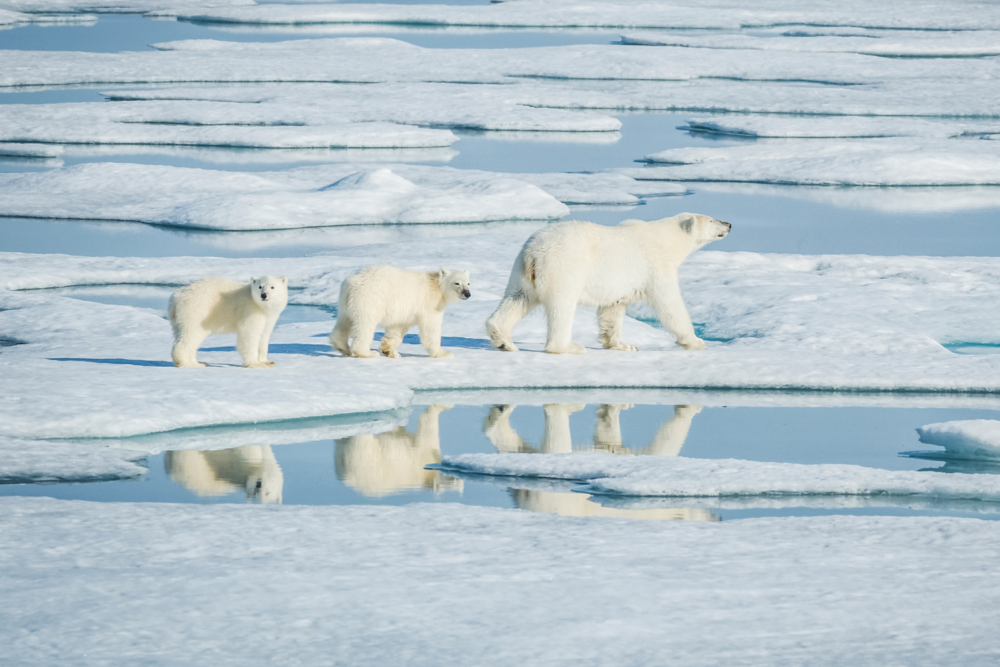
Researchers discovered that mountains, strong currents, and geography create a natural barrier that keeps these bears separated from others across Greenland and the Arctic. This isolation minimizes interbreeding and helps explain why their genetics are so distinct.
While isolation can contribute to unique adaptations, it also creates vulnerabilities. With limited genetic mixing, small populations can struggle to recover from disease, food shortages, or population decline. Scientists say this makes conservation planning especially important for this group.
5. Glacial Ice Is the Key to Their Survival Strategy
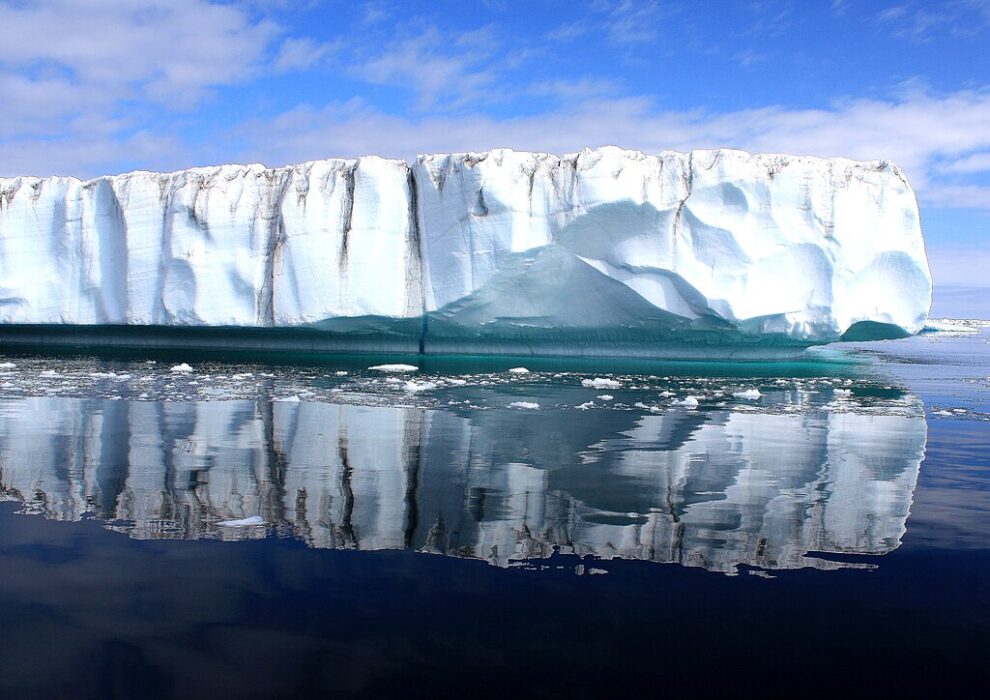
This population depends heavily on ice that breaks off from Greenland’s glaciers — a resource not available in most other polar bear habitats. These floating chunks give the bears temporary platforms to hunt seals when sea ice melts completely.
Because most polar bears do not live near abundant glacial ice, researchers caution that this adaptation cannot be applied across the species. As glaciers retreat due to warming, even these unique bears may face new threats if the supply of glacial ice diminishes.
6. Most Polar Bears Cannot Survive Without Seasonal Sea Ice
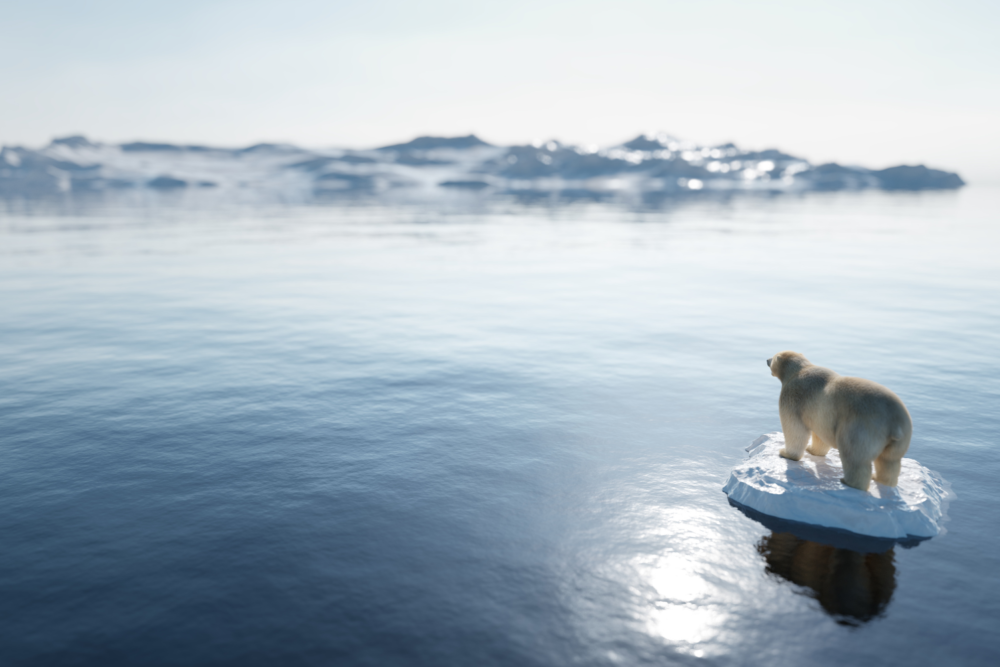
While this isolated population has found an alternative, scientists emphasize that nearly all polar bears still depend on sea ice for hunting. Without stable ice, they must fast for long periods, which reduces reproduction and survival rates.
The Greenland bears are therefore an exception, not the rule. Their existence does not change the core scientific consensus: polar bears remain highly vulnerable to climate warming, and melting sea ice remains their biggest long-term threat.
7. The Research Helps Scientists Understand How Climate Stress Impacts Wildlife
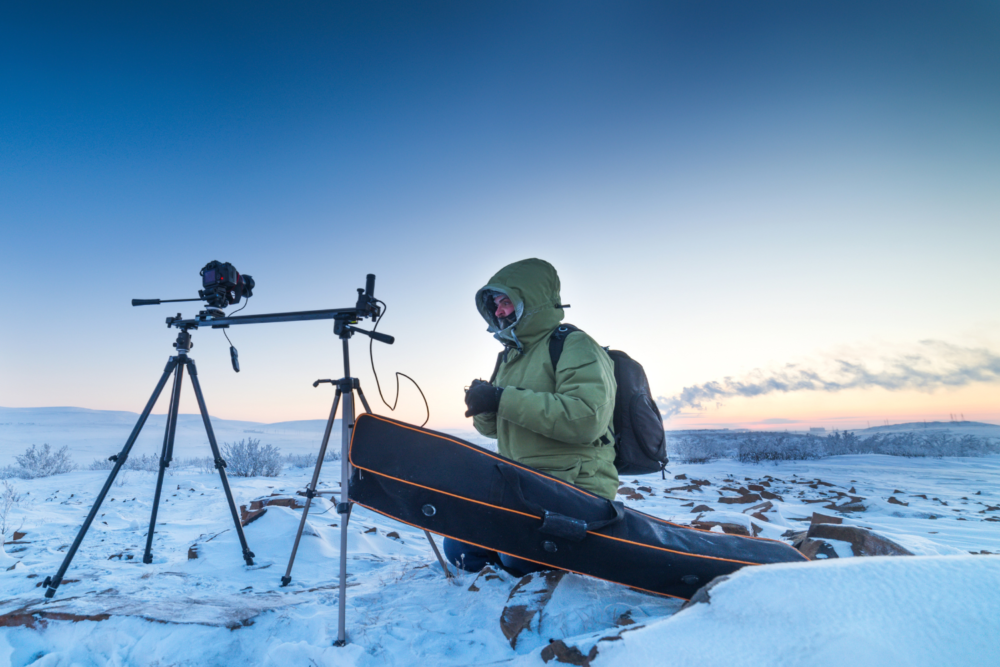
This discovery offers a rare case study of how a species reacts to extreme environmental pressure. Because these bears live with very little reliable sea ice, their survival reveals how flexible — and how limited — polar bear adaptation can be.
Scientists hope the findings will help refine climate models and conservation strategies. Studying extreme populations gives researchers a clearer picture of what challenges polar bears may face as warming accelerates across the Arctic.
8. The Population Is Smaller Than Most and May Still Be at Risk
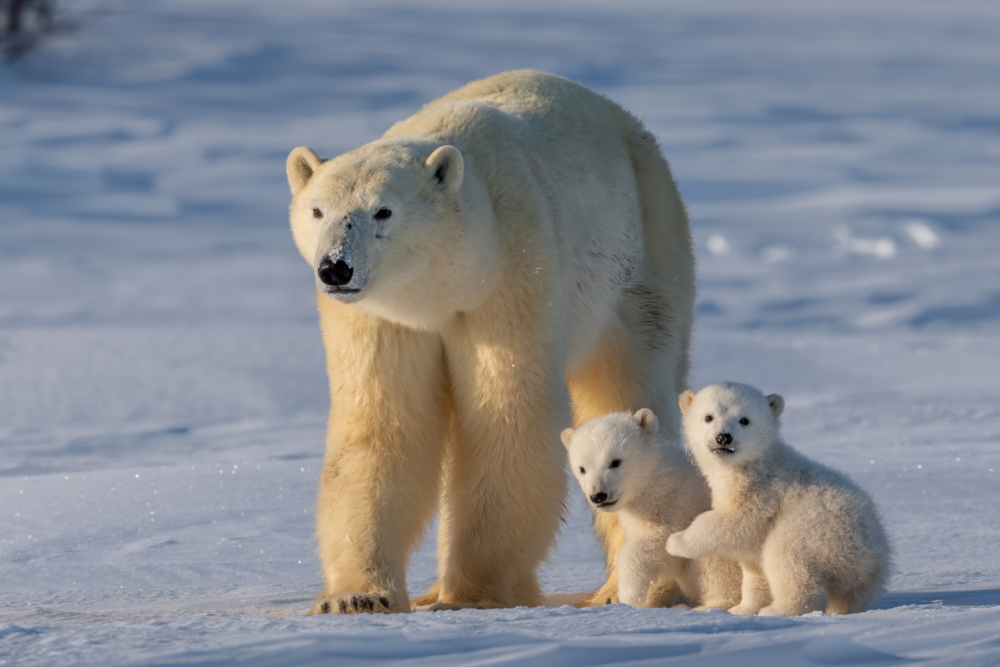
Although these bears have unique traits, their overall population size appears small, which raises long-term concerns. Isolated groups often struggle to build numbers after climate shifts, disease outbreaks, or food shortages.
Scientists stress that while adaptation is promising, it does not guarantee resilience. The group’s small size means it will still need protection and careful monitoring as environmental pressures intensify.
9. The Study Used Nearly a Decade of Tracking and DNA Samples

Researchers followed the population for years, combining satellite tracking, observational data, and genetic samples to map their behavior and lineage. This long-term approach allowed scientists to determine where the bears hunt, how they use glacial ice, and how isolated they truly are.
The research provides one of the most detailed looks to date at a highly specialized polar bear population. The depth of data strengthens confidence in the conclusions and helps inform future studies.
10. The Findings Offer Hope but Not a Solution to Climate Threats
While the discovery shows that some polar bears can adapt to unusual conditions, scientists warn that this does not solve the broader crisis of melting sea ice. Most polar bear habitats cannot replicate the glacial environment found in southeastern Greenland.
Researchers say the population offers an important example of resilience, but it does not change the reality that the species as a whole continues to face significant climate pressures. Conservation efforts remain essential.
11. Climate Change Still Poses the Greatest Risk to Polar Bears Worldwide

Global warming continues to shorten the sea-ice season across the Arctic, reducing access to seals and forcing bears to travel farther or fast longer. These trends remain the biggest dangers to polar bears, regardless of isolated cases of adaptation.
Scientists emphasize that protecting Arctic ecosystems is still crucial for long-term survival. Adaptation may help certain groups, but it cannot replace the role of stable, seasonal ice.
12. Scientists Say More Research Is Needed to Understand Future Adaptation
The study raises new questions about how polar bears might cope with ongoing environmental changes. Researchers plan to expand genetic sampling and compare this population to others across the Arctic.
Understanding these differences may help scientists identify which populations are most vulnerable and which may have traits that support resilience. Continued research will guide conservation strategies as climates shift.