
The DNA of one of the last Neanderthals suggests their story was more isolated—and complex—than believed.
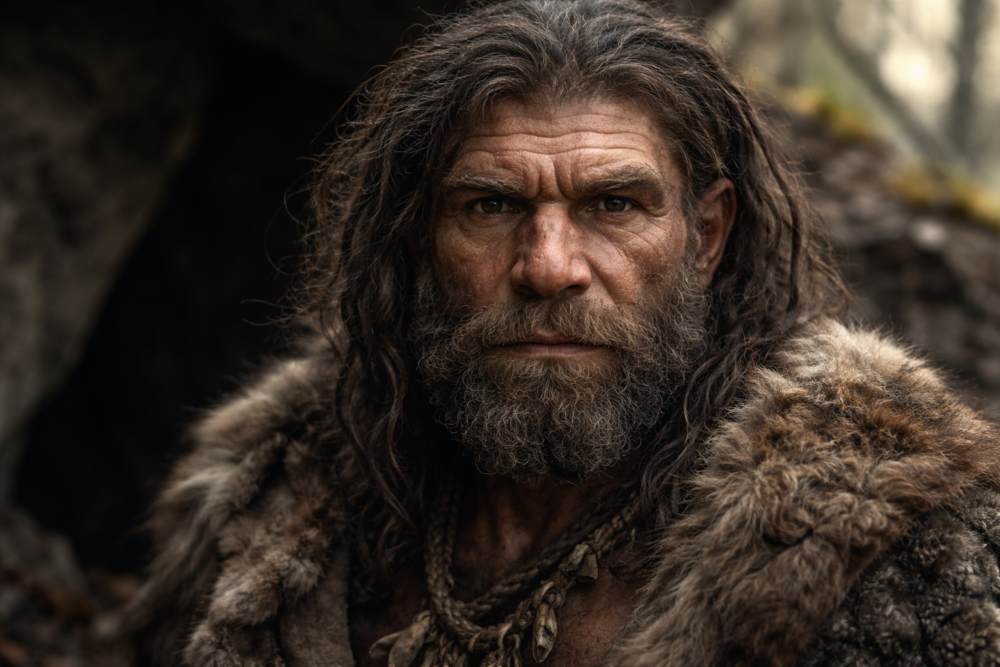
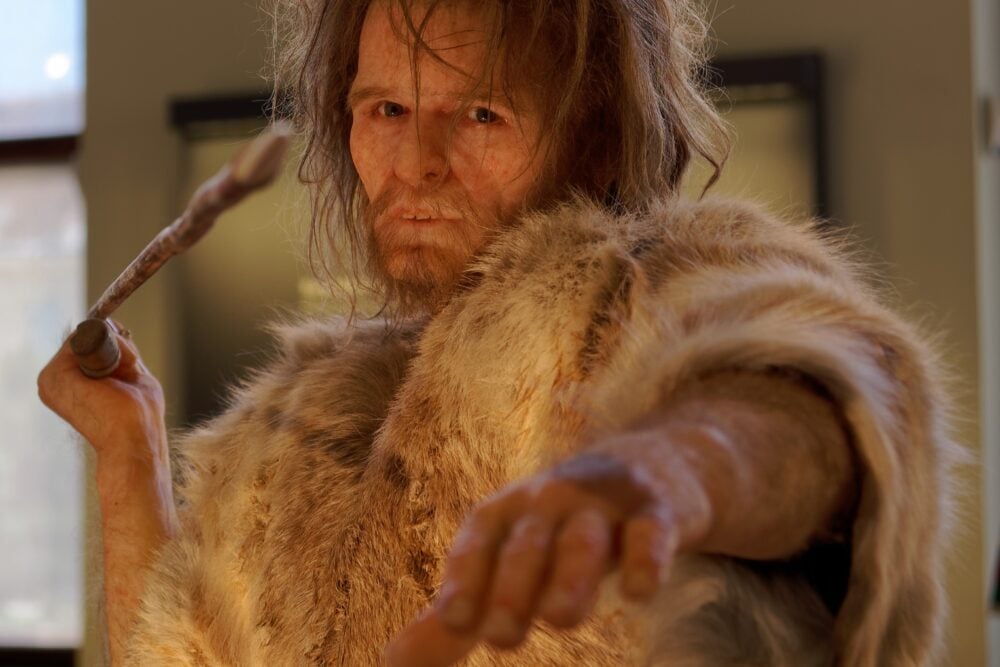
For years, archaeologists working at a rock shelter in southern France believed they were uncovering an unusual but local story of Neanderthal life. That changed when geneticists successfully sequenced the genome of a Neanderthal individual found at the site, nicknamed Thorin.
The research, led by archaeologist Ludovic Slimak and published in the journal Cell Genomics, revealed that this late-living Neanderthal belonged to a population that remained genetically isolated for tens of thousands of years.
Rather than neatly fitting into existing models of Neanderthal decline, the genome suggests a far more complex and fragmented end to their history.
1. Thorin lived near the very end of Neanderthal history

Radiocarbon dating places Thorin at roughly 42,000 years ago, a period when Neanderthals were disappearing across Europe. This was also a time when early modern humans were expanding into many of the same regions. Because of that timing, Thorin provides a rare genetic snapshot from the final chapter of Neanderthal existence. His genome offers insight into how some groups persisted even as others vanished.
2. The genome revealed extreme long-term isolation
Genetic analysis showed that Thorin’s population had been isolated from other Neanderthals for approximately 50,000 years. Despite living relatively close to other Neanderthal groups, there was little to no gene flow between them. This suggests strong social, geographic, or cultural boundaries that prevented interbreeding. The finding challenges assumptions that Neanderthals regularly mixed with neighboring groups.
3. Archaeology hinted at separation long before DNA confirmed it
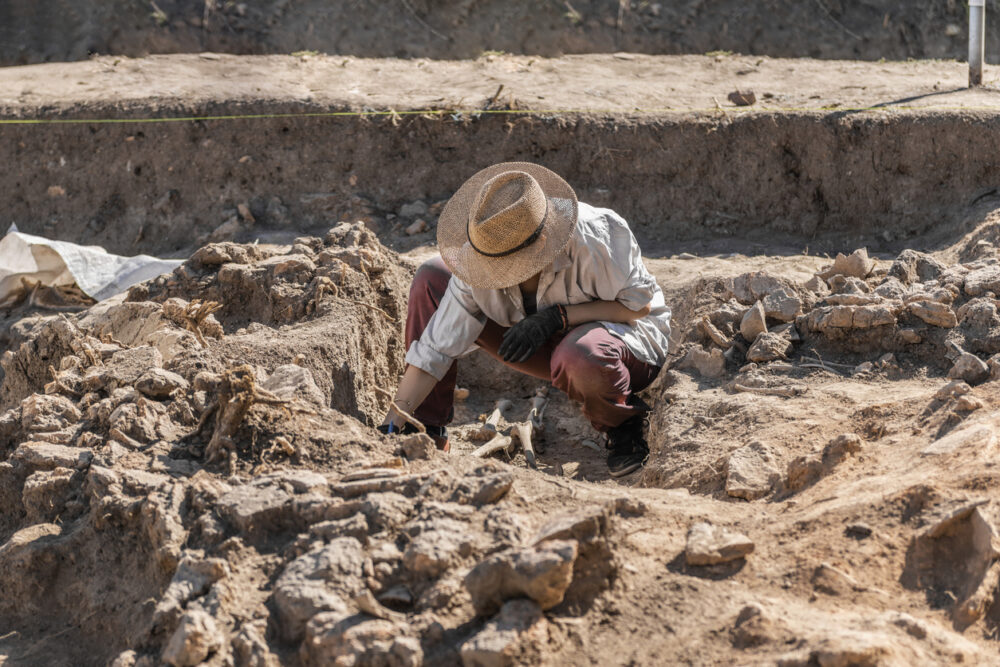
Before genetic data was available, archaeologists noticed that stone tools from the site differed from those found nearby. These tools suggested a distinct cultural tradition rather than simple variation. The genome later confirmed that this technological uniqueness reflected a genetically separate population. Together, the evidence shows culture and biology reinforcing one another over many generations.
4. Signs of inbreeding reflected small population size
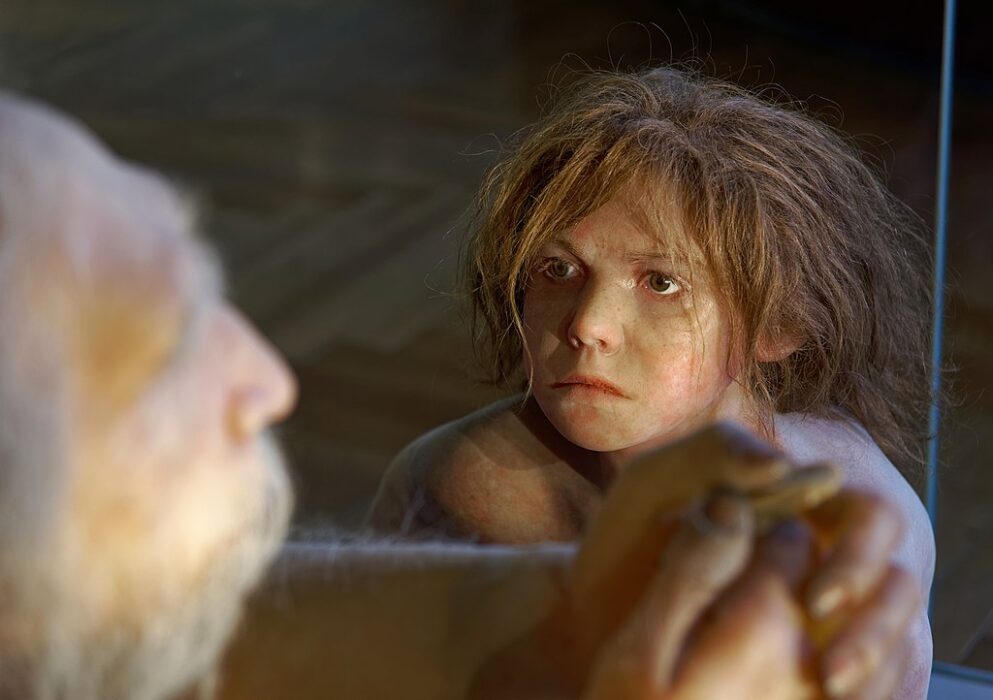
Thorin’s genome showed high levels of genetic similarity, a hallmark of long-term inbreeding. This typically occurs in small populations that remain cut off from outsiders. While inbreeding is often linked to vulnerability, the lineage managed to persist for thousands of years. That endurance suggests these groups were stable, even if isolated.
5. No clear genetic mixing with modern humans appeared
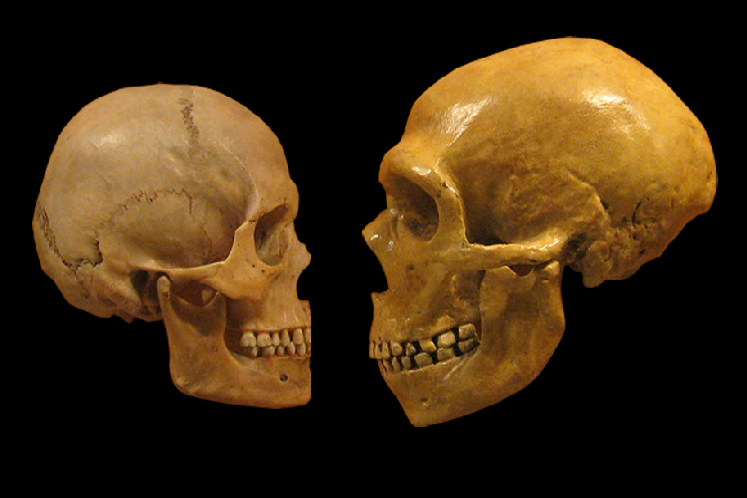
Unlike some other Neanderthal genomes, Thorin’s DNA shows no sign of recent interbreeding with Homo sapiens. This is striking because modern humans were present in nearby regions at the time. The absence of mixing indicates that contact between species was uneven and highly regional. Some Neanderthal groups interacted with humans, while others remained separate.
6. The findings complicate ideas about Neanderthal extinction

Neanderthals are often portrayed as being rapidly replaced by modern humans. Thorin’s lineage suggests a slower, more fragmented process. Some groups may have survived independently for long periods before disappearing. Extinction likely occurred unevenly, shaped by isolation, population size, and local conditions.
7. Population structure mattered more than previously thought
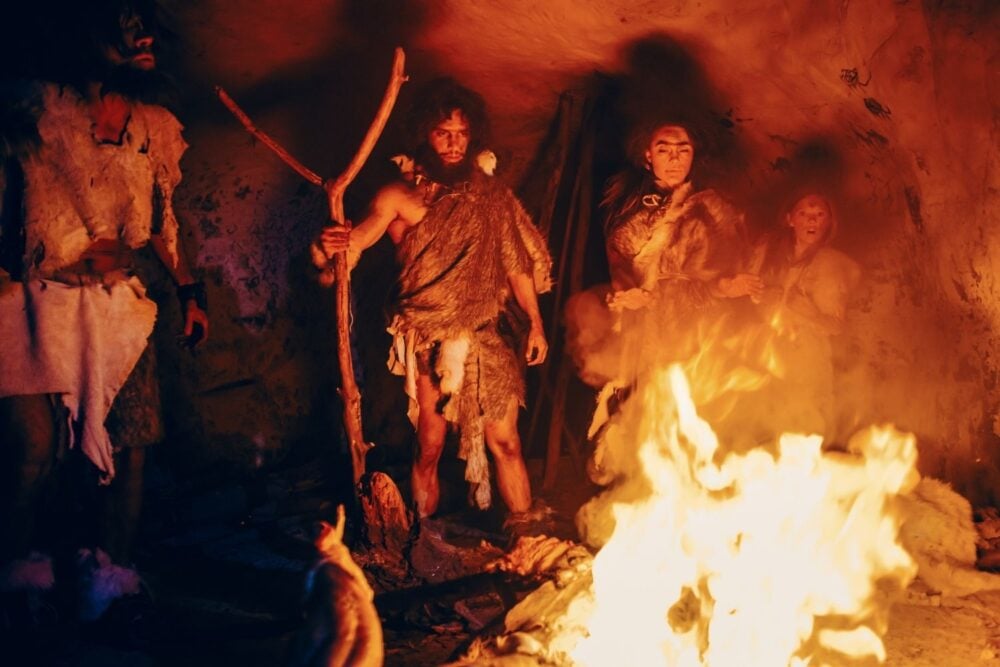
The study highlights that Neanderthals were not a single, uniform population across Europe. Instead, they existed as multiple groups with different histories and levels of connectivity. Some were genetically linked across vast areas, while others remained isolated for millennia. This uneven structure reshapes how scientists think about Neanderthal resilience and decline.
8. Social boundaries may have limited genetic exchange

The long isolation seen in Thorin’s lineage suggests more than just physical barriers. Social traditions, territorial behavior, or group identity may have discouraged mixing with outsiders. These boundaries could have helped maintain cultural continuity but also limited genetic diversity. Over time, that tradeoff may have affected survival.
9. The cave site provided rare context for interpretation
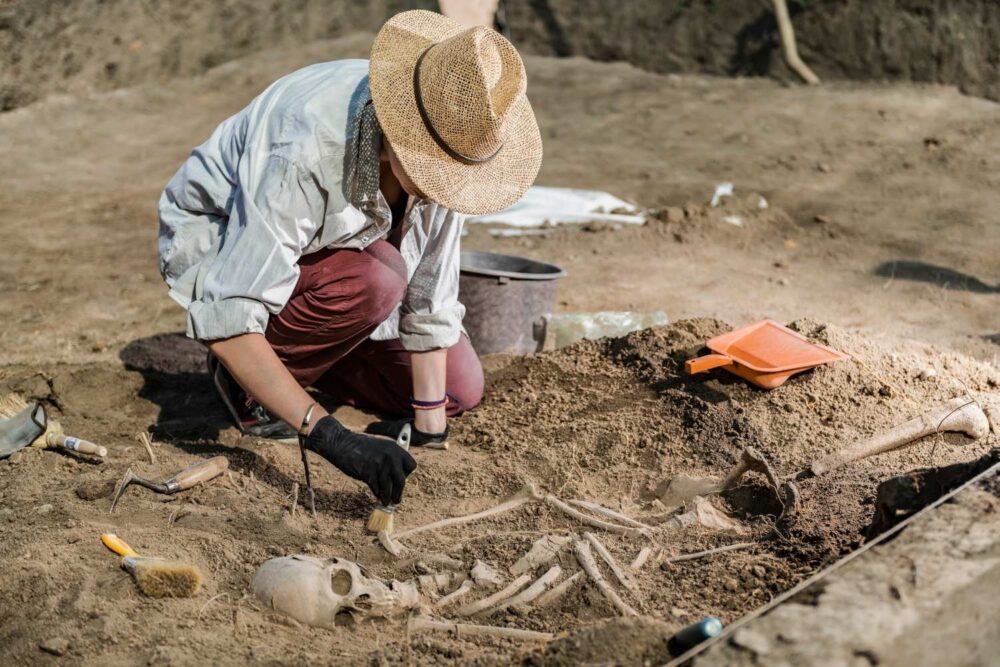
Thorin was found alongside stone tools and animal remains that help reconstruct daily life. This archaeological context allows researchers to link genetic data with behavior and environment. Instead of DNA alone, scientists could place the individual within a lived landscape. That combination strengthens conclusions about isolation and cultural continuity.
10. The discovery reframes how late Neanderthals are studied
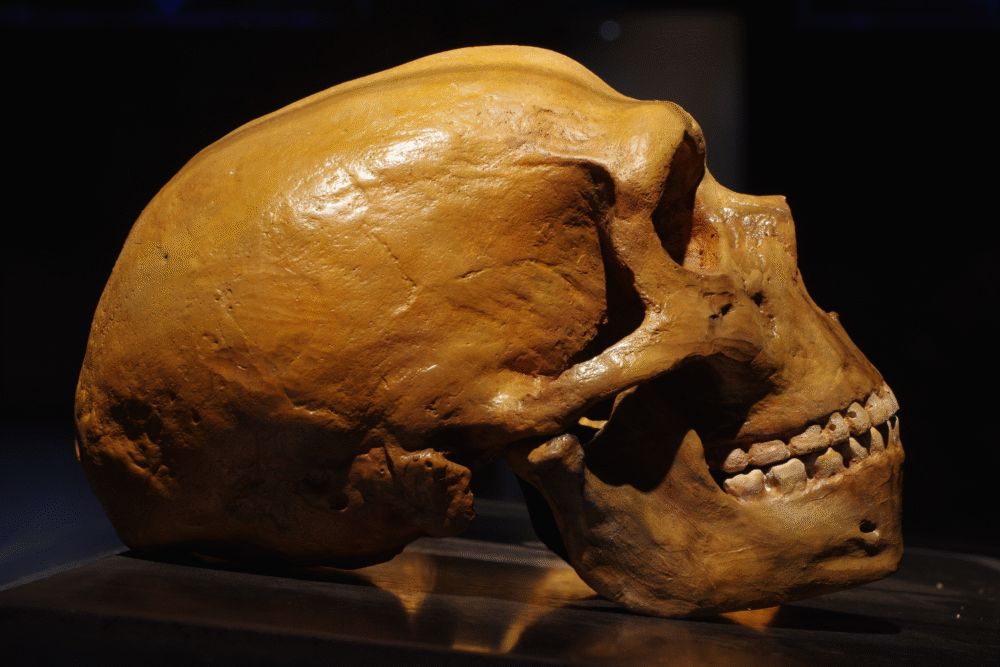
Rather than focusing only on their disappearance, researchers are now examining how Neanderthals adapted near the end. Thorin’s genome suggests persistence, stability, and long-term survival under isolation. This shifts attention from sudden collapse to gradual regional decline. It also emphasizes diversity within Neanderthal populations.
11. Human evolution now looks more fragmented and local
The genome adds to growing evidence that human evolution was not driven by a single global pattern. Instead, it unfolded through many local histories shaped by geography, culture, and chance. Thorin’s lineage represents one such path, largely separate from others. Together, these stories paint a more intricate picture of how different human groups lived, interacted, and eventually disappeared.