
The report outlines how proposed EPA cuts could weaken air, water, and climate protections in communities across the country.
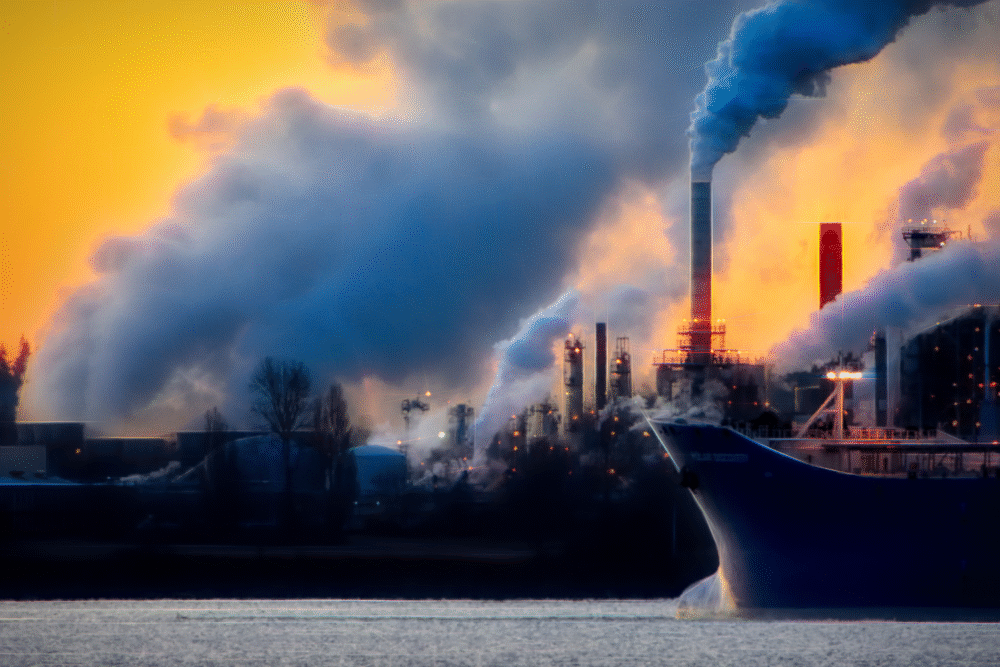
A new analysis from the Environmental Policy Innovation Center outlines how proposed federal environmental program cuts could affect states nationwide. The report uses EPA budget documents to show how reductions in air monitoring, water protection, and pollution enforcement could leave many states struggling to meet basic environmental standards. From Florida’s algae-prone waterways to Ohio’s industrial pollution challenges, the report highlights how each state relies on federal support to protect public health. The findings paint a detailed picture of what communities stand to lose if these cuts move forward.
1. The Report Shows How Each State Relies on EPA Funding
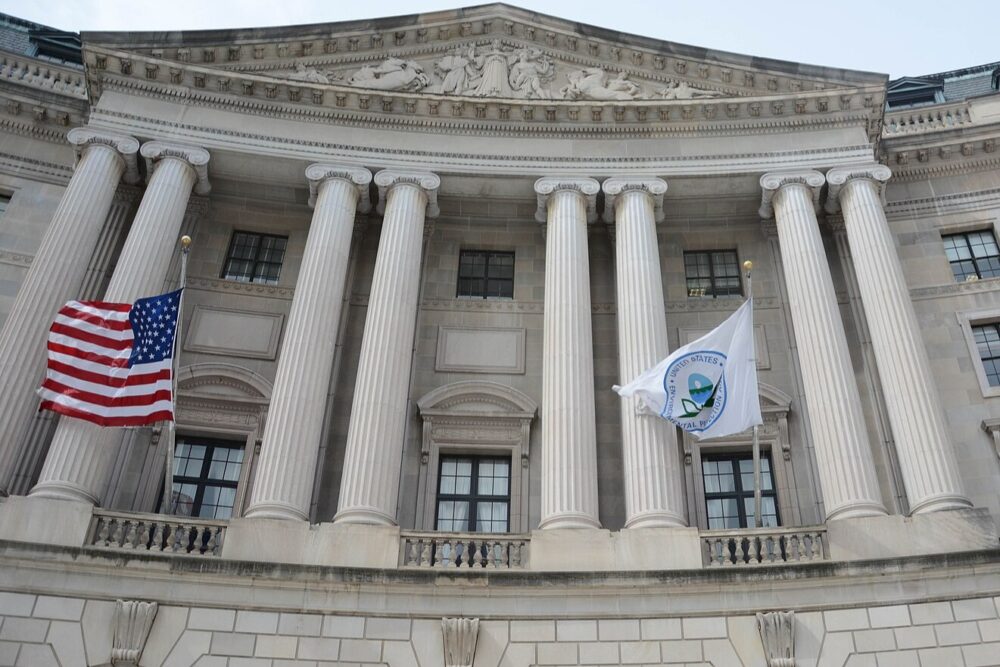
The EPIC report breaks down how every state depends on EPA support for clean water, clean air, and pollution response programs. Federal dollars help fund monitoring systems, laboratory work, emergency responses, and environmental permitting. Without that help, many states would face steep funding gaps.
The report emphasizes that these programs are foundational, not optional. States use them to enforce federal laws like the Clean Water Act and Clean Air Act. Reduced federal support would shift more financial burdens onto state agencies that are already stretched thin.
2. Florida Could Lose Support for Water Quality Monitoring
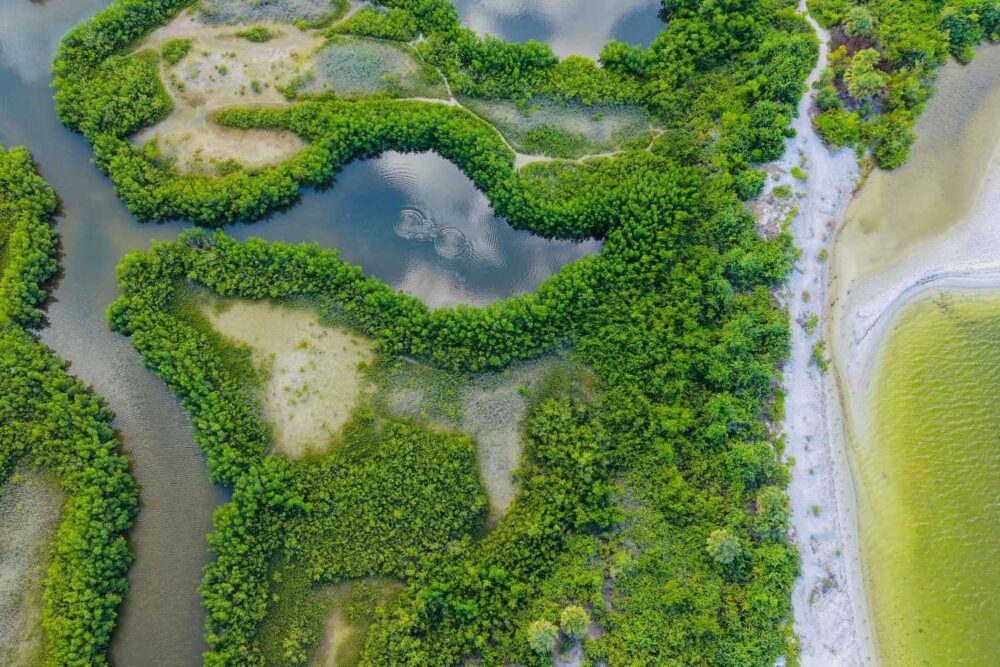
Florida’s waterways require extensive monitoring due to harmful algal blooms, nutrient pollution, and coastal vulnerabilities. The report notes that cuts could reduce the state’s ability to detect problems early, especially in regions where blooms threaten drinking water or tourism.
Without federal funding, Florida’s environmental agencies may struggle to keep up with testing and inspections. This could delay responses to contamination events, increasing risks for both residents and visitors who rely on safe water systems.
3. Ohio Faces Risks to Industrial Pollution Oversight
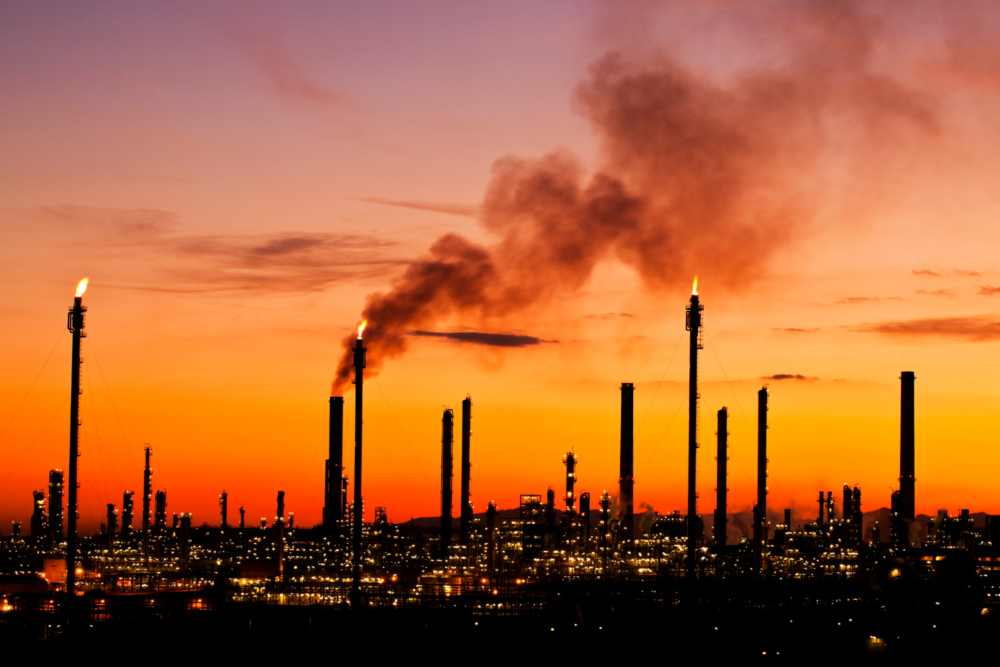
Ohio depends heavily on EPA support to regulate emissions from industrial facilities, including steel and manufacturing plants. The report warns that funding reductions could weaken the state’s ability to enforce air-quality rules, particularly in areas already struggling with particulate pollution.
Less oversight could slow investigations, reduce inspections, and make it harder to hold polluters accountable. For communities near industrial corridors, this could mean more exposure to harmful pollutants.
4. Mississippi Could See Reduced Drinking Water Assistance
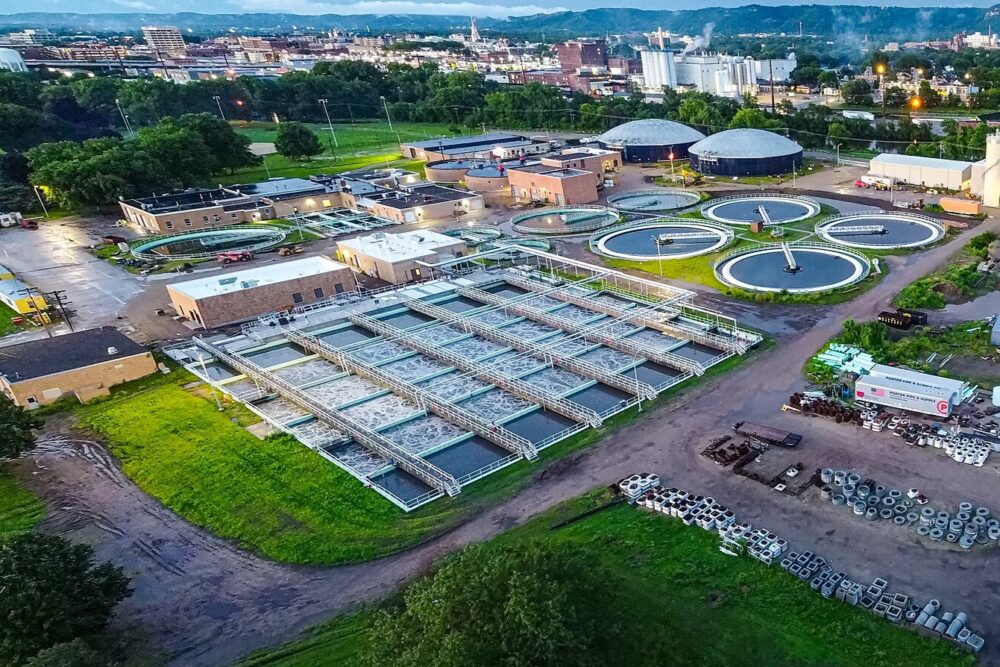
Mississippi has faced repeated water infrastructure challenges, including high-profile safety failures. The report highlights that proposed cuts could reduce federal assistance for testing, operator training, and emergency response for drinking water systems.
Communities with aging infrastructure could feel these impacts first. Reduced support may mean slower repairs, fewer inspections, and increased strain on small municipalities that already have limited funding.
5. Western States Rely on EPA Support for Wildfire Smoke Response
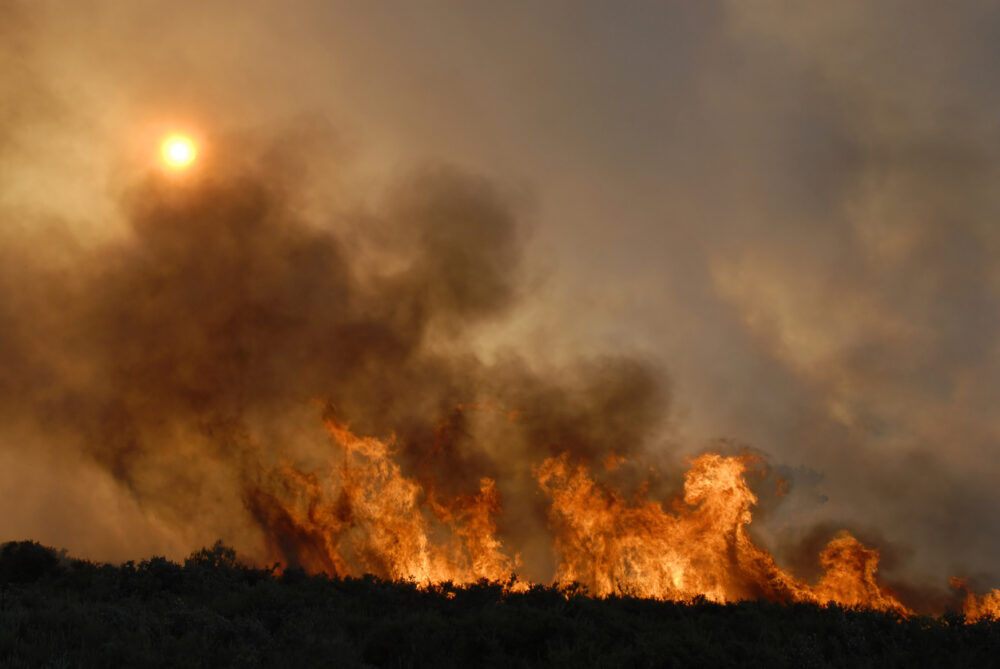
States such as California and Oregon depend on federal assistance to monitor wildfire smoke and issue public-health advisories. The report notes that reductions in air-quality programs could undermine the data needed to protect residents during severe wildfire seasons.
Smoke monitoring equipment and modeling tools often come from federally supported programs. Without adequate funding, states may not be able to track hazardous conditions in real time.
6. Small and Rural States Would Struggle Without Federal Lab Support
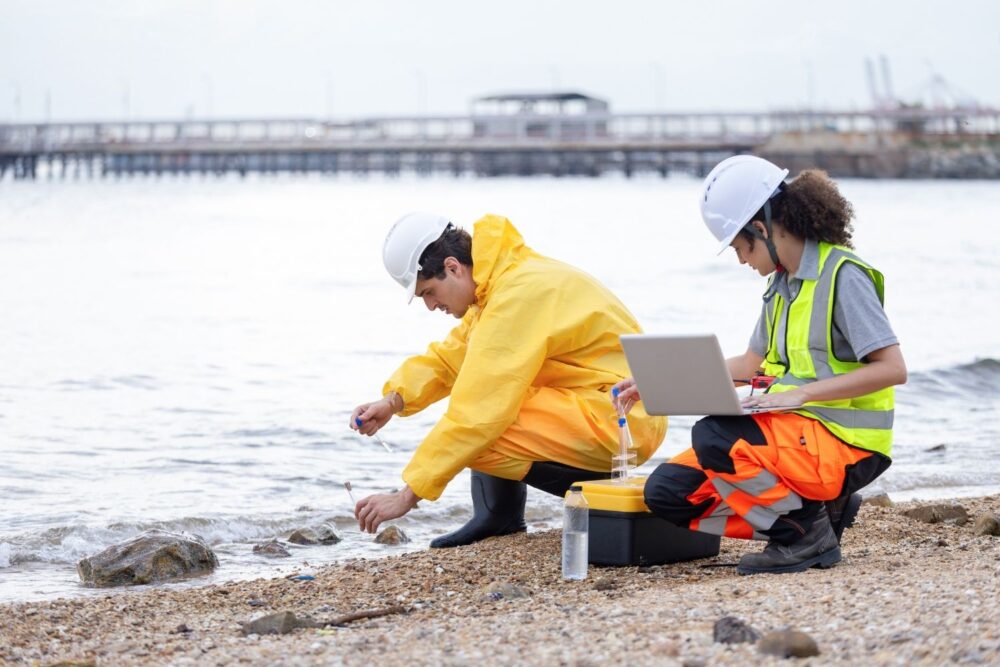
States with limited budgets — including West Virginia, Montana, and Wyoming — rely on EPA laboratories for testing water samples, analyzing contaminants, and supporting environmental enforcement. The report explains that losing federal lab capacity would force these states to outsource services or delay testing.
This could slow investigations into pollution complaints and reduce the accuracy and speed of environmental assessments, putting small communities at greater risk.
7. Cuts Could Limit Enforcement Against Repeat Polluters
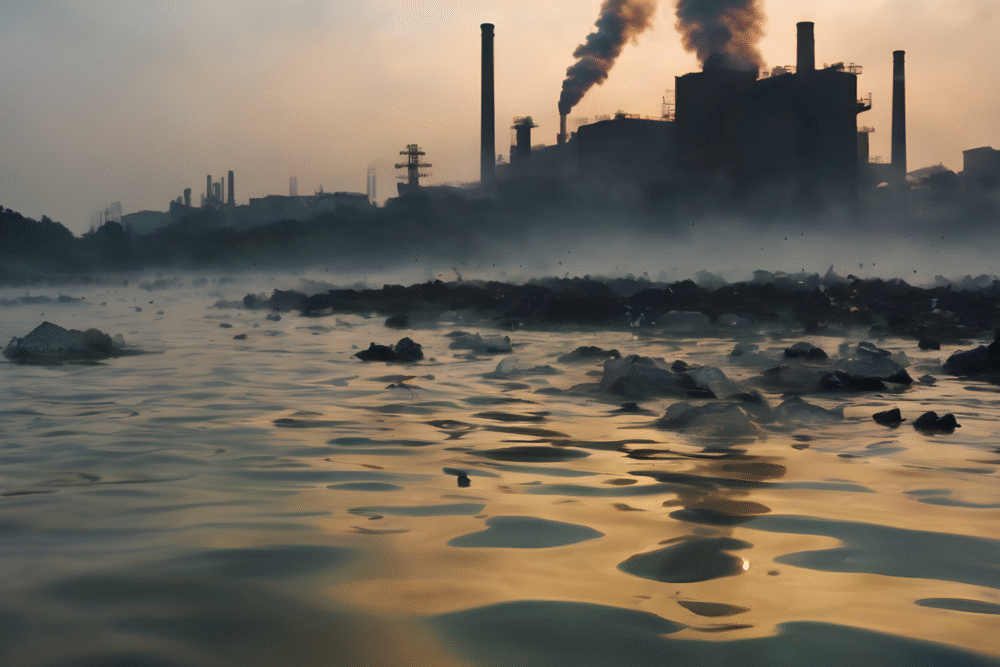
The report warns that fewer resources could lead to fewer inspections, slower follow-up on violations, and reduced enforcement. States like Louisiana and Texas, which host numerous petrochemical facilities, depend on robust enforcement to address chronic pollution.
Without adequate funding, it may become more difficult to pursue penalties or corrective actions. This could leave vulnerable communities facing prolonged exposure to harmful emissions or contaminated waterways.
8. Water Infrastructure Funds Would Be Hit Hard
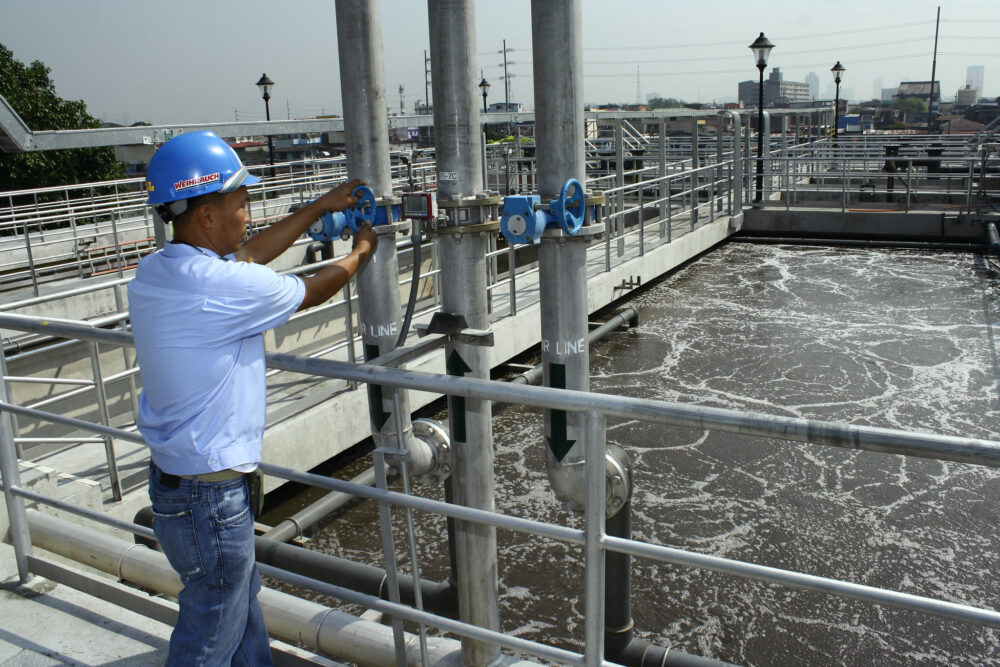
Many states use EPA support to upgrade wastewater systems and reduce stormwater pollution. The report notes that cuts would delay critical repairs in states like Michigan, New York, and Pennsylvania, where older systems regularly overflow during heavy rain.
These upgrades are often too expensive for states to fund alone. Losing federal assistance could increase the frequency of sewage spills and water contamination events.
9. Air Quality Monitoring Networks Could Shrink

Air-monitoring stations provide essential data for everything from public-health alerts to regulatory decisions. The report shows that budget reductions would jeopardize equipment maintenance and data collection in states such as Arizona, Nevada, and Utah.
Without reliable monitoring, communities may not receive timely warnings when pollution spikes. This could put people with health conditions — including asthma and heart disease — at greater risk.
10. Climate-Related Programs Would Be Among the Most Affected
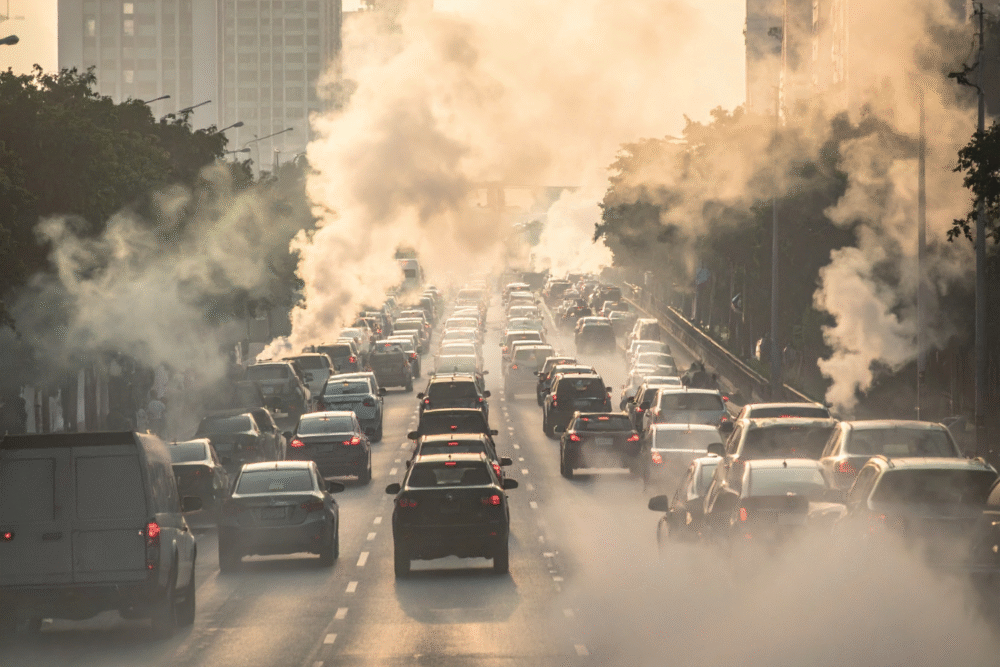
The EPIC analysis notes that many climate programs rely heavily on EPA support, including greenhouse-gas tracking, emissions reduction grants, and climate-resilience planning. States like Colorado and Washington could lose funding that supports clean-energy transitions and adaptation projects.
These programs help states prepare for heat waves, flooding, wildfires, and other climate-driven hazards. Less funding would slow progress and leave communities more vulnerable.
11. States Say They Cannot Absorb These Cuts Alone

The report includes feedback from state environmental agencies that warn they cannot fill the gaps if federal funding declines. Many states already operate with limited staff and aging equipment. The proposed cuts would force difficult choices about which programs to maintain and which to reduce.
This could mean fewer environmental inspections, delayed cleanup projects, and slower responses to public-health threats. States emphasize that without federal partnership, essential protections would be weakened nationwide.