
What park officials are asking and why it’s catching travelers off guard.
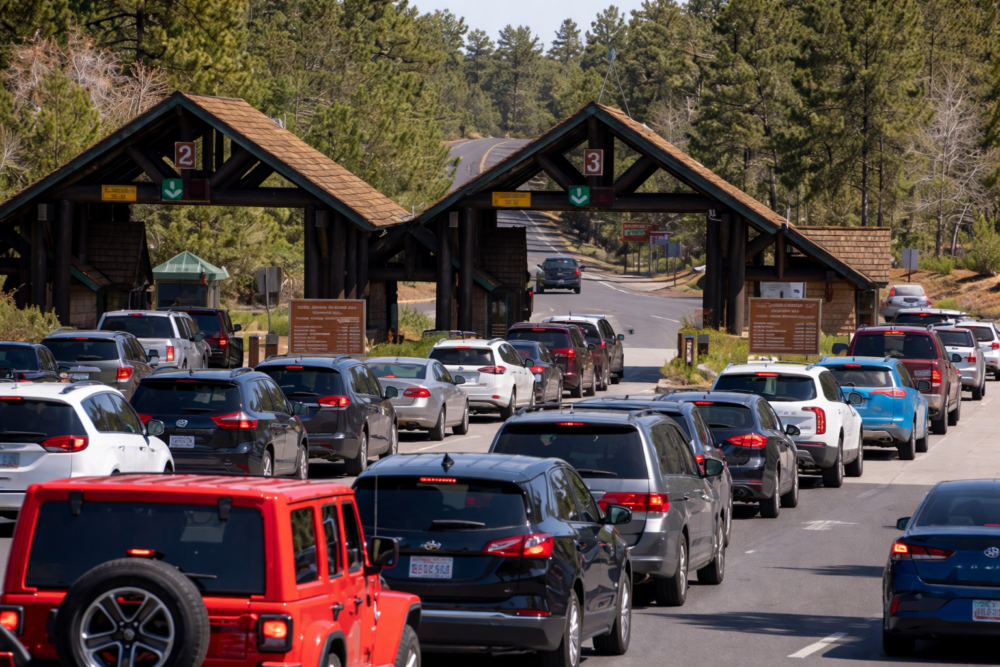
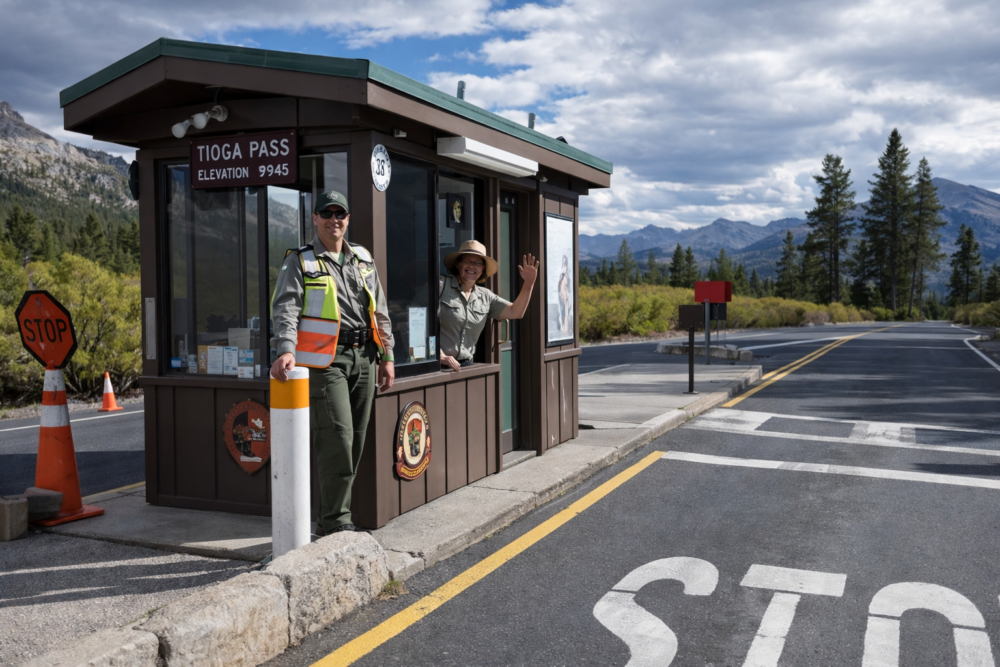
Driving all the way to a national park usually feels like the easy part. But in early 2026, some visitors reached the entrance booth and heard a new question that stopped the trip cold: Are you a U.S. resident?
That question is tied to a new pricing rule that adds a $100 surcharge for non-U.S. visitors at 11 of the most visited parks, and higher costs for nonresident annual passes. Rangers say it’s creating confusion, longer lines, and tough conversations.
Here’s what’s happening at the gate, why people are turning around, and how to avoid getting caught off guard on your next park visit this winter.
1. The surprise question that’s stopping cars at the booth

Visitors say the moment feels odd because it’s not about camping, pets, or permits. Entrance staff are now instructed to ask whether anyone in the vehicle is not a U.S. citizen or resident, because fees can change based on the answer. The question is simple, but it can land like a surprise quiz.
For travelers who expected a scan-and-go, it feels like a curveball. Some people answer, pay, and move on. Others get uncomfortable, confused, or frustrated, especially if they’re traveling with family or friends.
2. The policy behind it is a new nonresident surcharge

At the parks covered by the rule, non-U.S. visitors over 16 face an added $100 surcharge on top of the normal entrance fee. Nonresident versions of annual passes also cost more than the standard U.S. resident price, so the gap can feel steep at the window.
If you didn’t see the change before you arrived, the total can feel like a shock. Some travelers don’t have budget wiggle room after gas, hotels, and food. For them, the math is instant: they leave.
3. It’s happening at 11 of the most visited parks
The reports center on a list of major parks where entrance booths are busiest and lines already stack up fast. That includes places like Yosemite, Yellowstone, Grand Canyon, Zion, and Rocky Mountain, where crowds build early and tempers build with them.
A new question in a high-traffic gate lane has ripple effects. A brief pause becomes a longer conversation. Longer conversations create longer lines. And longer lines raise frustration for everyone sitting behind you, especially on weekends.
4. Rangers say they’re not “doing immigration checks,” but it feels personal

Park officials have said staff are not checking immigration status beyond what’s needed to confirm eligibility for a specific fee or pass. Still, being asked about residency at a vacation gate can feel personal in a way a standard fee never did. Visitors also worry about being misunderstood.
That’s part of why the story spread so quickly. Travelers don’t expect identity questions at a park entrance. Even when the intent is pricing, the experience can feel like a checkpoint, especially for international visitors.
5. Proof of residency can suddenly matter

Some passes are now described as resident-restricted, which means visitors may be asked to show U.S. government-issued ID to confirm eligibility. If you can’t provide it, you may be told to upgrade to a nonresident pass, or pay a different rate.
For a road trip, that can get messy fast. Maybe the ID is in luggage. Maybe one person booked everything. Maybe a group has mixed residency. Those awkward moments at the booth are another reason some cars pull out of line.
6. Confusion is the real villain of the story

For many visitors, the biggest problem is not the question itself, but when they hear it. Travelers often say they first learn about the new surcharge only after reaching the gate, with luggage packed, plans set, and a line of cars behind them.
That moment turns what should be a quick transaction into a stressful, time-pressured decision. The lack of clear advance notice creates tension on both sides of the booth.
Rangers are left explaining policy changes on the fly, while visitors scramble to rethink budgets and itineraries. In busy parks, even small delays quickly compound into long lines, mounting frustration, and frayed nerves for everyone involved.
7. The question changes how visitors behave inside the park too
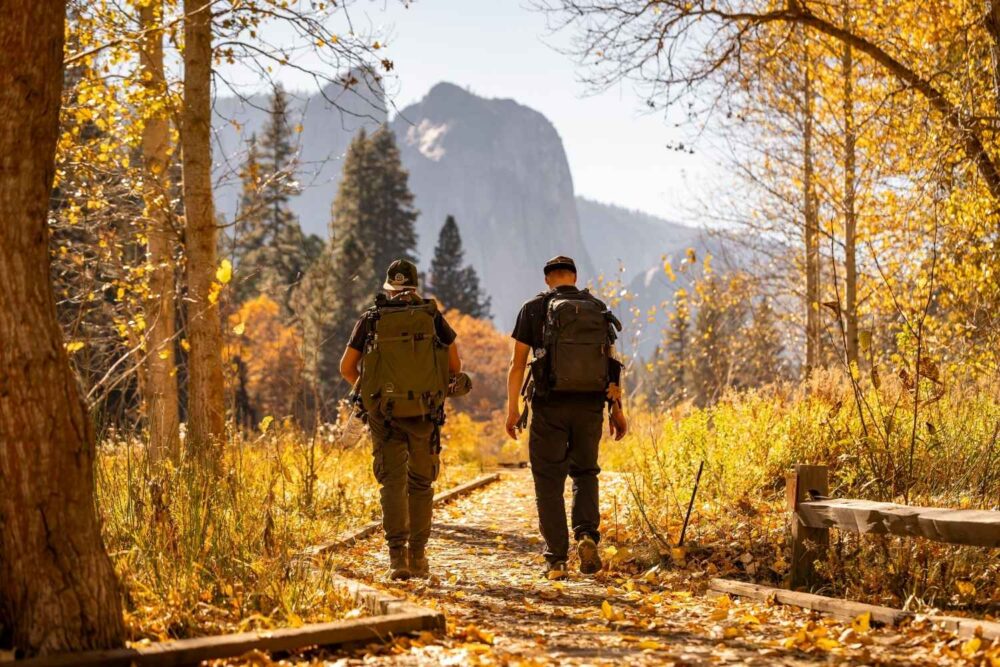
Even when people decide to enter, the gate experience can set the tone. Some visitors report feeling less welcome or more on edge, which can spill into the rest of the day on trails, shuttles, and overlooks. It’s hard to “reset” after a tense start.
And when a family turns around, it doesn’t just affect them. Nearby towns lose that lunch stop, that hotel night, and that souvenir purchase. Park communities rely on steady visitor flow, so sudden policy shocks can hit local economies quickly.
8. What to do before you drive to the entrance station
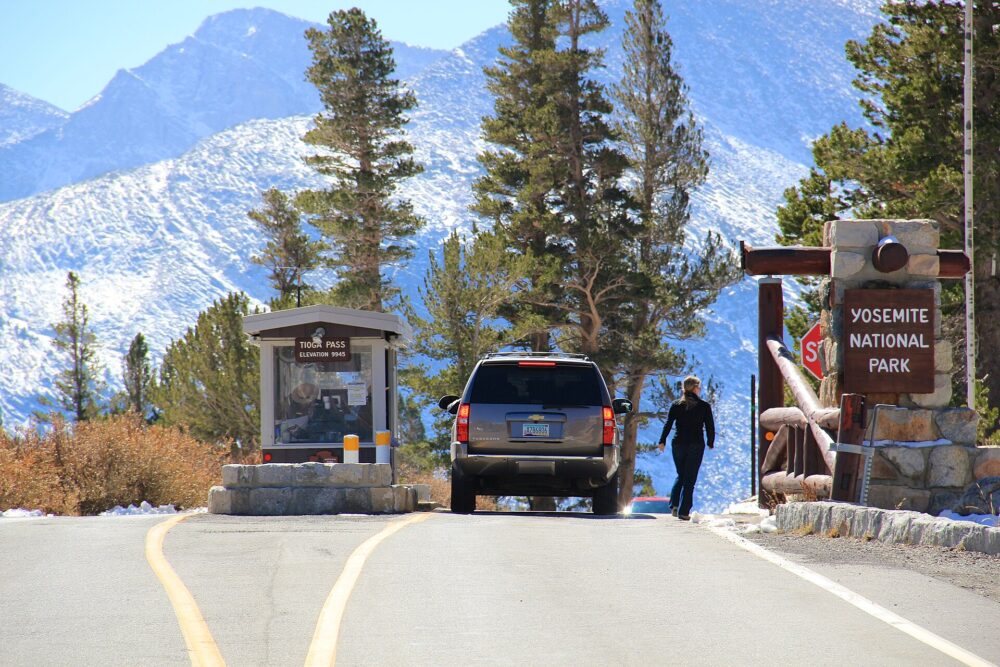
Treat the park gate like an airport check-in. Look up the current fee rules for your specific park, confirm whether any surcharge applies, and screenshot the official fee page in case cell service drops. Do it the night before, not in the line.
If you’re using an annual pass, bring the ID you used to buy it. If you’re traveling with mixed-status groups, decide ahead of time how you’ll answer and who will pay. Planning turns an awkward surprise into a smooth stop.
9. What to do if you’re asked and you’re caught off guard
If you’re already in line and didn’t plan for the extra cost, keep the interaction calm and short. Ask what your options are, including day passes versus an annual pass, and confirm the total before you pay. A quick, polite question beats a heated debate.
If you decide to leave, do it safely and without drama. U-turns and shoulder stops create hazards at busy gates. If you can, pull into a nearby lot, regroup, and check official information before changing your entire itinerary.
10. Why this issue is bigger than one question

This is really a story about how parks are funded and managed under pressure. Crowds are growing, infrastructure is aging, and staffing has been strained, so any new rule that adds friction shows up immediately in long lines. Little bottlenecks become big problems.
It also raises bigger questions about access. National parks are often described as shared public treasures. When price and identity intersect at the entrance, people notice. The debate isn’t just about money, but about who feels welcome.
11. The likely next chapter is clearer communication

Whatever your politics, most visitors agree on one thing: surprises at the gate are bad. Clear signage, updated websites, and consistent training would reduce conflict and keep lines moving. When people know the rules, they rarely argue.
Until that happens, assume entrance policies can change quickly. Check the latest fees before each trip, carry the right ID for any pass you’re using, and build buffer time into your arrival. A calmer gate experience often makes the whole park day better.