
Astronomers propose a massive cosmic interloper disrupted planetary orbits billions of years ago.
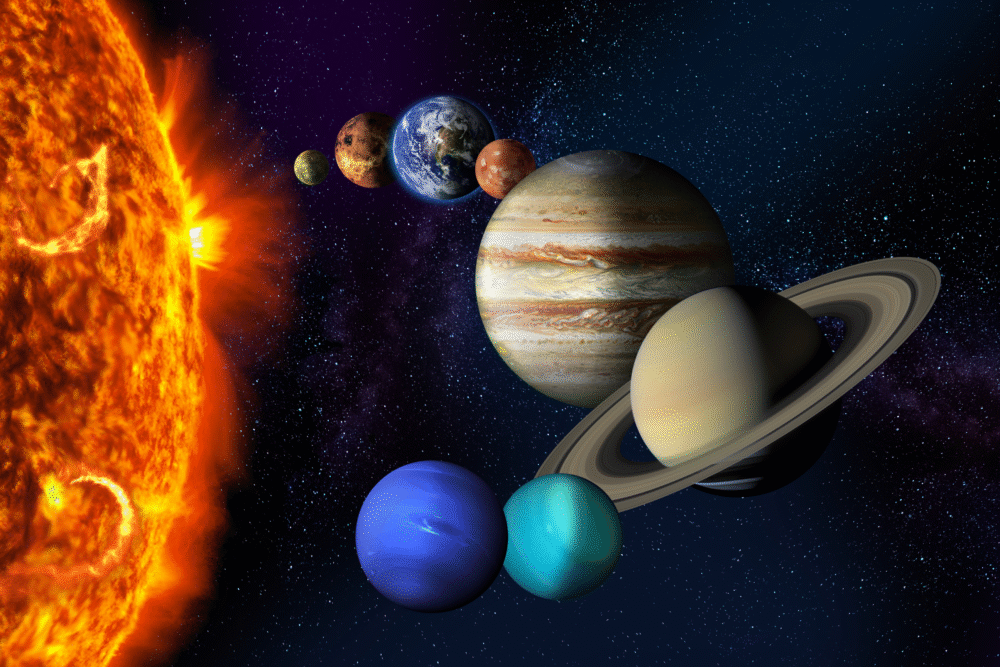
A new scientific hypothesis suggests that billions of years ago, our Solar System may have been disrupted by a massive wandering object—possibly a rogue planet or small brown dwarf—that briefly passed through it. This gravitational encounter could explain why the planets don’t orbit in perfect circles and why the entire system appears slightly tilted. Researchers used extensive computer simulations to test the idea, revealing that even a quick flyby could permanently alter planetary paths. While still theoretical, the model offers a compelling new explanation for the Solar System’s unusual structure.
1. The Solar System’s Orbits Aren’t as Orderly as They Appear
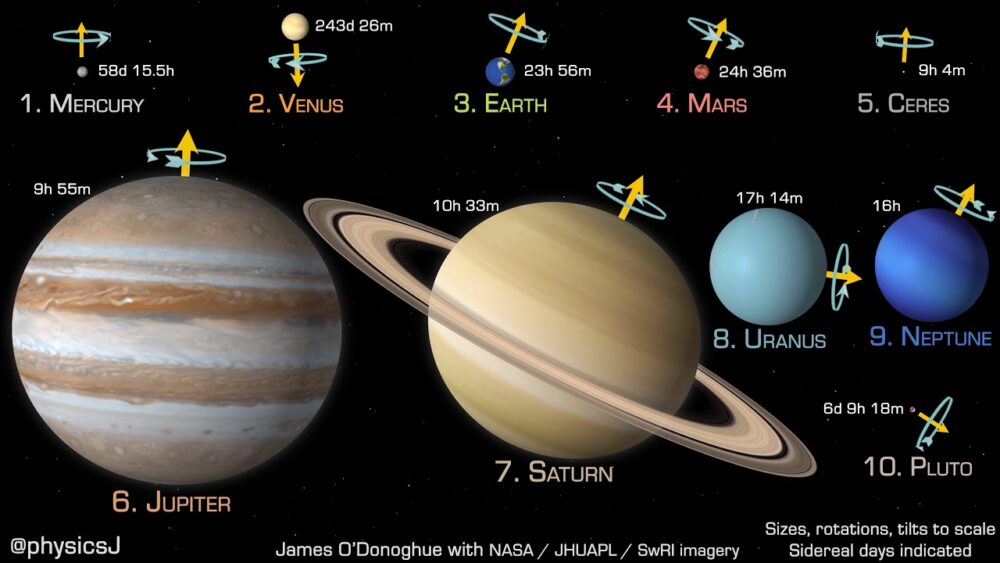
Although the planets roughly follow the same flat plane, their orbits are slightly tilted and not perfectly circular. These irregularities have long puzzled scientists because standard models of planet formation don’t naturally produce this level of unevenness. The inconsistencies suggest that something unusual occurred early in the Solar System’s history.
The new hypothesis argues that an external gravitational disturbance may have caused these orbital quirks. If a massive object passed close enough, even briefly, it could have nudged the planets into the angled, elongated paths we see today.
2. The Interloper Could Have Been a Massive Rogue Object
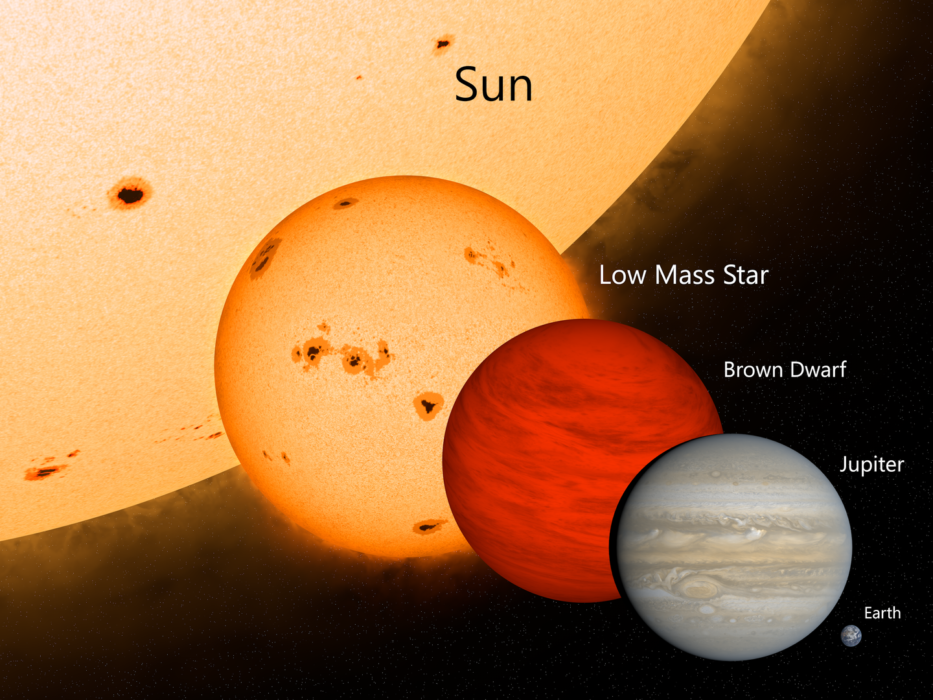
Researchers propose that the disrupting object wasn’t a typical planet. It may have been a rogue planet or a small brown dwarf with a mass between two and fifty times that of Jupiter. Objects of this scale are not uncommon in the galaxy and can drift freely without orbiting a star.
If such a body entered the Solar System at the right moment, its intense gravity could have warped planetary paths. The size range proposed by scientists is large enough to cause long-lasting changes during a close encounter without remaining behind.
3. Computer Simulations Show a Single Flyby Could Cause Lasting Chaos

To test the hypothesis, scientists ran tens of thousands of computer simulations modeling how the Solar System might respond to a close gravitational flyby. In a small but meaningful percentage of these simulations, the disturbance produced orbital patterns that closely resemble those observed today.
This suggests that only one precisely timed encounter could create the tilts and elliptical orbits seen across the system. Even if the interloper stayed just a short time, the gravitational signature would remain imprinted for billions of years afterward.
4. The Hypothesis Explains Why Outer Planets Are More Tilted
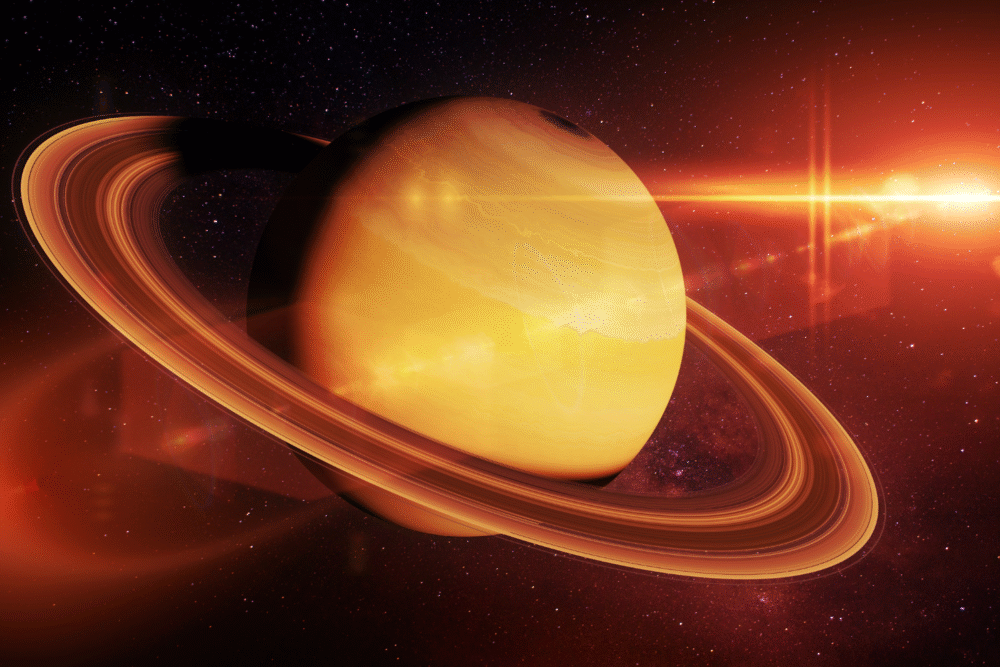
One of the Solar System’s long-standing mysteries is why the giant planets show more tilt and eccentricity than the smaller inner planets. The flyby model offers a clear explanation: a passing massive object would have had a stronger gravitational effect on the distant planets than those closer to the Sun.
In this scenario, Jupiter, Saturn, Uranus, and Neptune would experience greater orbital disruption, while Earth and the inner planets would remain more stable. This distribution matches what scientists observe today, strengthening the model’s plausibility.
5. Earth May Have Escaped Major Disturbance During the Encounter

The inner planets appear relatively undisturbed compared to the dramatic changes suggested for the outer system. Simulations show that a carefully angled flyby could leave the inner Solar System intact while dramatically altering orbits farther out. This means Earth might have been spared the strongest gravitational effects of the encounter.
Such a scenario would allow life to eventually emerge undisturbed, even if the outer planets experienced significant upheaval. It also suggests that the Solar System’s stability owes partly to chance.
6. The Object May Have Passed Once and Never Returned

If the interloper arrived on an unbound or highly eccentric orbit, it may have entered the Solar System only once before continuing into deep space. This would explain why there is no trace of such a massive object today. The brief encounter would be enough to leave permanent changes.
Some simulations allow for the possibility that the object remains in the galaxy on a wide arc. However, if it ever returns, it would likely be millions or billions of years from now, far beyond human timescales.
7. The Idea Challenges Traditional Planet-Formation Models
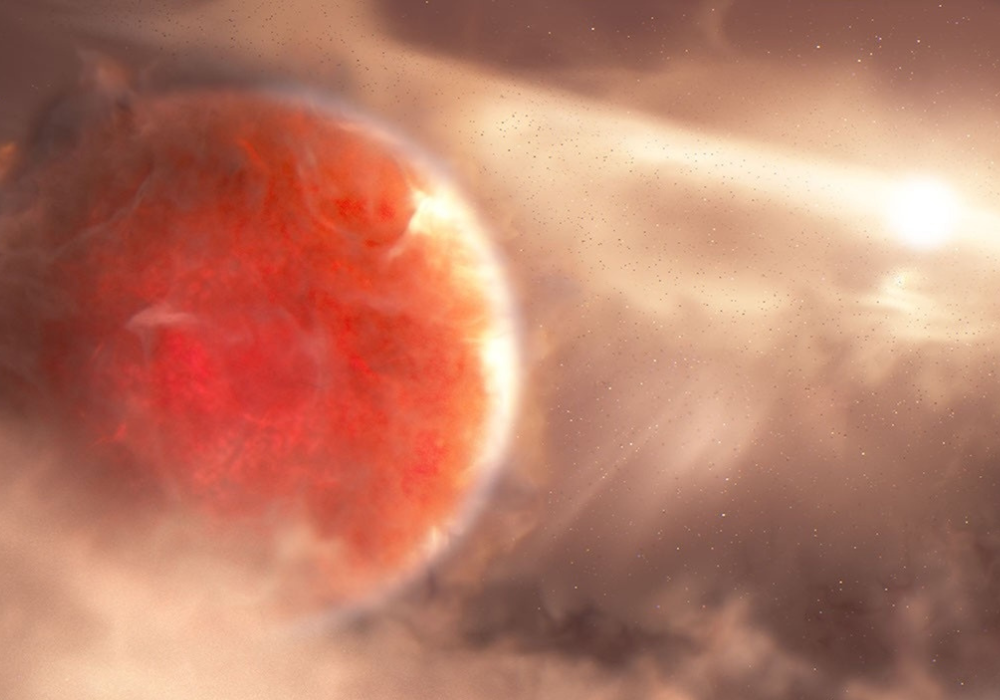
Standard theories suggest that planets form in a calm, slowly evolving disk of gas and dust. These models expect smooth, flat, circular orbits to persist as the system matures. The new hypothesis challenges this assumption by suggesting that the Solar System’s structure may instead reflect past chaos.
If a rogue object did shape the system, it means planetary histories may be far more dynamic and unpredictable than once assumed. This shifts the way scientists think about solar system evolution and the forces that influence it.
8. Other Planetary Systems May Have Experienced Similar Flybys

Astronomers have observed many exoplanet systems with unusual or unstable orbits. The new model suggests that rogue planetary encounters could be common throughout the galaxy. If so, many of the odd exoplanet orbits discovered in recent years may be the result of similar ancient disruptions.
This possibility highlights the role of cosmic wandering objects in shaping planetary systems. It also suggests that the Solar System is not unique in experiencing these dramatic gravitational events.
9. The Hypothesis Remains Theoretical Without Direct Evidence
Although the simulation results are promising, scientists have not found physical evidence of the interloper. No known object today fits the description or trajectory required to match the model. This means the idea remains a theoretical explanation for the Solar System’s unusual structure.
Researchers emphasize that further study is needed to confirm the scenario. Future discoveries of rogue planets or ancient gravitational signatures may provide stronger support for the hypothesis.
10. The Solar System May Be More Chaotic Than Once Believed
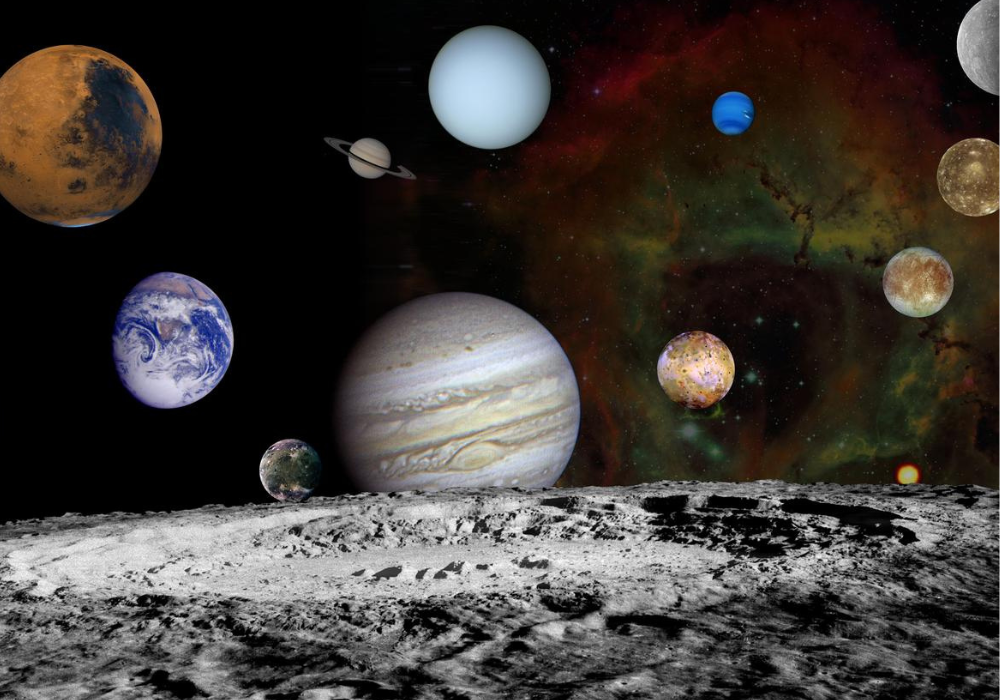
The flyby hypothesis suggests that the Solar System’s history includes violent, unpredictable events rather than a smooth, orderly evolution. If true, the planets’ current arrangement is partly the product of cosmic chance and past instability rather than simple formation processes.
Recognizing this possibility expands our understanding of planetary systems. It underscores how dynamic and changeable cosmic environments can be, even long after planets form. The model offers a deeper appreciation for the complexity of the Solar System’s origins.