
Warming Arctic ground could release vast methane stores with serious climate consequences.

Deep beneath the frozen ground of the Arctic, vast reserves of methane have been trapped for tens of thousands of years. But as rising temperatures thaw permafrost and destabilize the seafloor, scientists fear this potent greenhouse gas could begin escaping into the atmosphere at accelerating rates.
Methane is more than 25 times stronger than carbon dioxide at trapping heat. If released in large quantities, experts say it could amplify global warming and trigger unpredictable climate feedbacks worldwide.
1. A Hidden Threat Rising Beneath the Ice

Far beneath the Arctic tundra lies one of Earth’s largest reserves of methane—roughly 1,500 billion tons stored in frozen soil and seabed sediments. For millennia, that permafrost acted like a vault, sealing the gas away from the atmosphere. But as the region warms at nearly four times the global average, that vault is beginning to crack.
Scientists are now detecting methane bubbling from thawing lakes and wetlands in Siberia and northern Alaska. If this process accelerates, the Arctic could shift from absorbing carbon to releasing it—intensifying global warming in ways that are difficult to reverse.
2. Why Methane Packs a Powerful Punch
Methane makes up less than one percent of the atmosphere, yet it traps roughly 80 times more heat than carbon dioxide over a 20-year period. That means even modest methane leaks can have an outsized effect on global temperatures, contributing significantly to short-term warming.
The gas eventually breaks down faster than CO₂, but its near-term impact is far greater. Researchers worry that a surge in Arctic methane could create dangerous “feedback loops,” where warming releases more methane, which in turn speeds up the planet’s heating even further.
3. The Science Behind the “Methane Bubble”
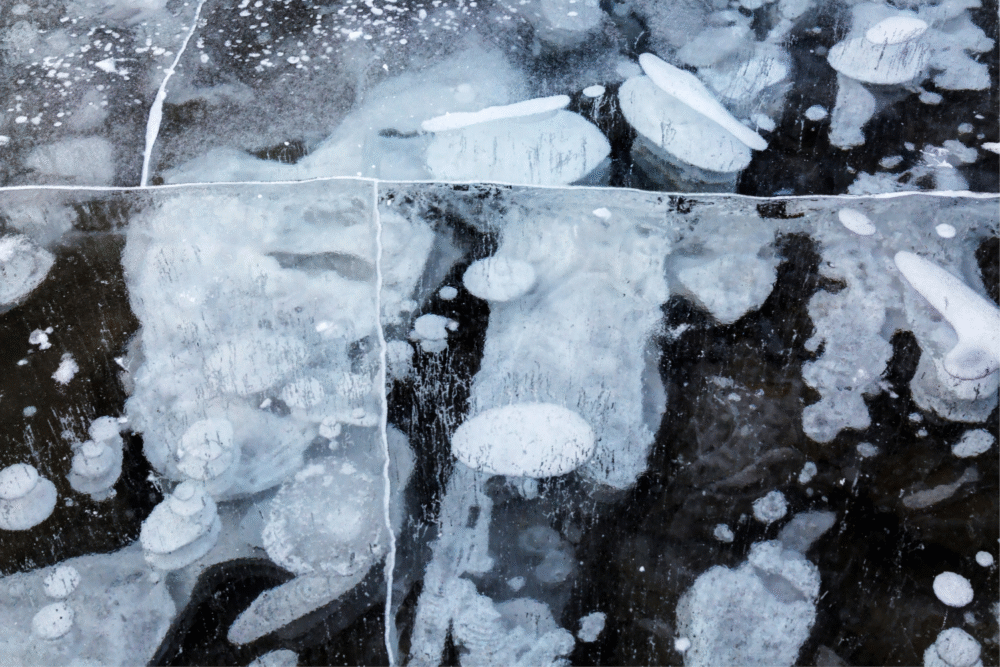
When scientists talk about a “methane bubble,” they don’t mean a single balloon of gas ready to burst. The term describes widespread pockets of methane trapped beneath ice and ocean sediments across the Arctic. As those frozen layers thaw, the gas begins to seep upward in concentrated plumes.
In some areas of the East Siberian Arctic Shelf, researchers have found fields of gas bubbles rising from the seafloor. These leaks may seem small individually, but together they signal a larger, potentially accelerating process of carbon release that could reshape the global climate.
4. How Thawing Ice Creates a Dangerous Feedback Loop
As the Arctic warms, permafrost thaws and releases methane, which in turn traps more heat and melts even more ice. This cycle—known as a positive feedback loop—has scientists deeply concerned. Each round of warming speeds up the next, making it increasingly difficult to stabilize global temperatures.
The loss of reflective ice also worsens the problem. Bright white ice normally bounces sunlight back into space, but when it melts, darker land and ocean surfaces absorb that heat instead. The result is a self-reinforcing chain reaction that could amplify climate change worldwide.
5. Methane Plumes Are Already Being Detected
In several Arctic regions, scientists have observed visible methane plumes rising from lakes, wetlands, and shallow seas. Using infrared cameras and sensors, research teams have mapped hundreds of these sites in Siberia and Alaska. Some areas now emit so much gas that the ice above them bulges and cracks.
These plumes are small compared to global emissions from fossil fuels, but they’re increasing fast enough to worry climate scientists. Each new vent suggests the permafrost is warming more deeply and permanently, potentially releasing methane that’s been frozen for tens of thousands of years.
6. Not All Scientists Agree on the Timeline

While most experts acknowledge the risk, there’s debate about how fast methane will escape and how much it will impact global warming. Some studies suggest gradual, steady releases that could be managed over time. Others warn that under the right conditions, localized collapses could trigger rapid bursts.
The uncertainty stems from the Arctic’s complexity—it’s vast, remote, and difficult to study year-round. But researchers agree on one point: the more the region warms, the higher the odds that methane emissions will increase, creating new and unpredictable challenges for climate forecasting.
7. Human Activity Is Accelerating the Problem
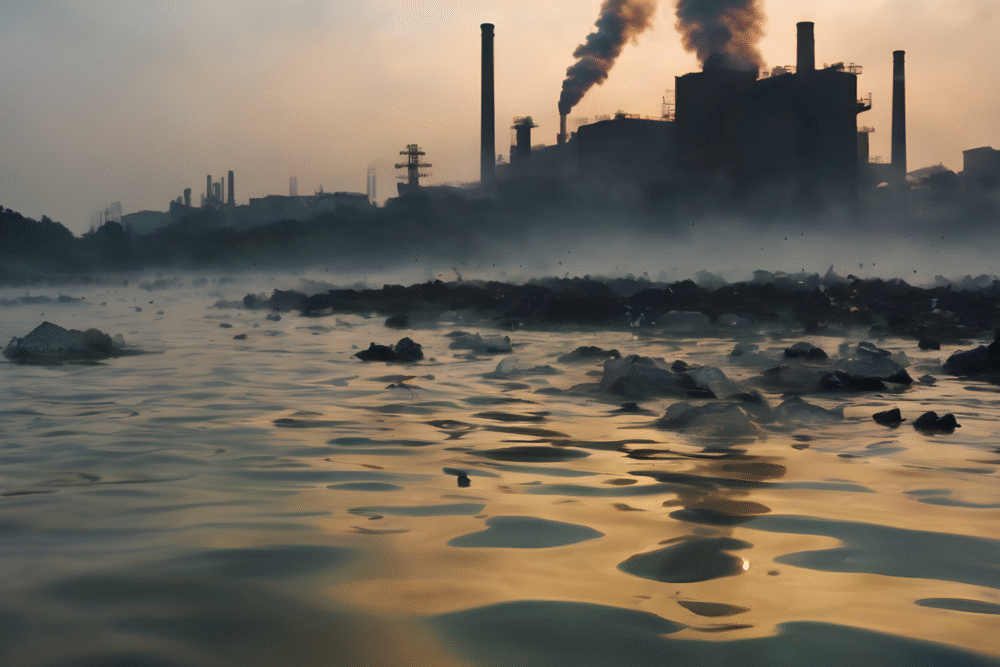
Industrial pollution, deforestation, and the burning of fossil fuels are driving the warming that’s destabilizing permafrost. The Arctic is now heating nearly four times faster than the global average—a rate scientists attribute directly to human-caused emissions.
As temperatures rise, methane that’s been locked underground for millennia is being freed. What was once a natural, slow-moving process has turned into a rapidly changing system fueled by modern carbon output. The irony, researchers note, is that the same human activities releasing carbon dioxide may also unleash methane, compounding the crisis.
8. Ancient Clues Found in Siberian Craters
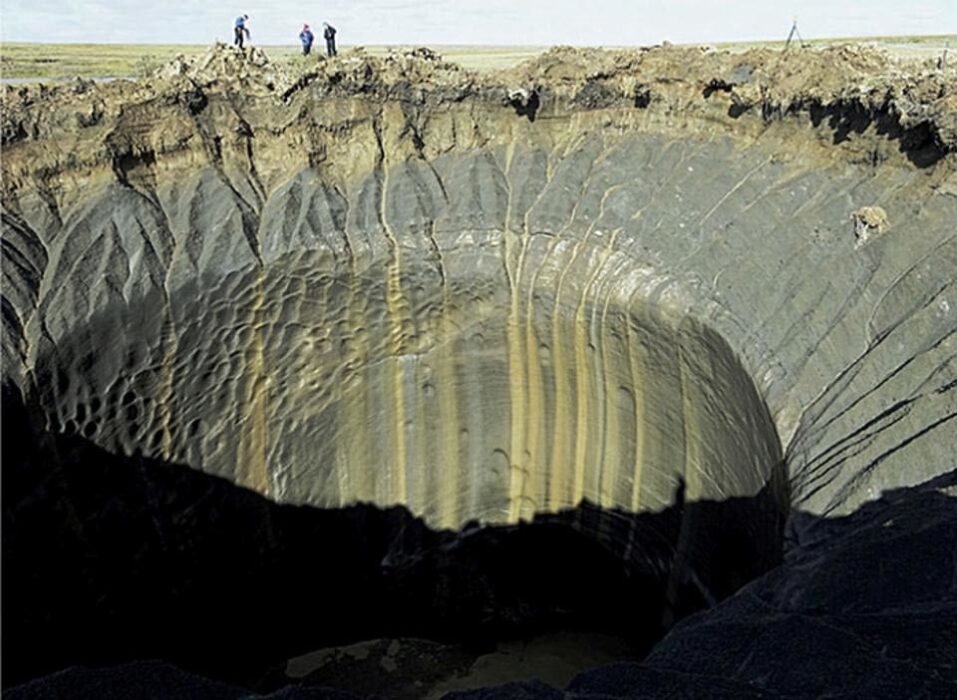
In Siberia, mysterious craters have appeared where methane built up beneath thawing ground and exploded outward. These massive holes, some more than 150 feet wide, formed when trapped gas accumulated until the surface collapsed under pressure.
Scientists studying these craters have linked them to sudden methane releases caused by warming permafrost. While not catastrophic on a global scale, they’re dramatic evidence that Arctic systems are destabilizing. The craters serve as natural warnings of what can happen when trapped gases meet a rapidly warming world.
9. Why Scientists Call It a “Climate Time Bomb”

Researchers use the phrase “climate time bomb” to describe the unpredictable nature of methane release—it may not detonate suddenly, but once it starts, it’s nearly impossible to stop. Unlike carbon dioxide, which humans can reduce through emissions cuts, methane seepage from thawing ground is a natural process beyond direct control.
That uncertainty makes it one of climate science’s most worrying unknowns. The timing, volume, and impact of future methane leaks remain difficult to model, but the potential consequences for global temperatures could be profound if large releases occur.
10. What Can Be Done to Slow the Fuse
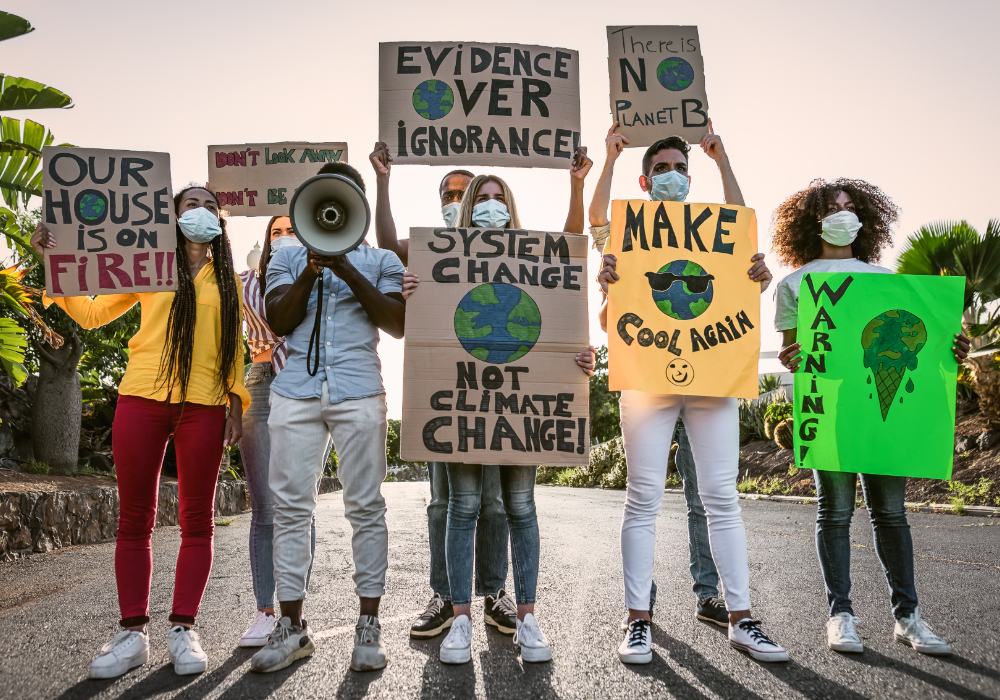
Experts say the best way to prevent massive methane releases is to reduce human-caused warming now. Cutting fossil fuel use, protecting forests, and curbing industrial emissions could keep Arctic temperatures below the threshold that triggers runaway thaw.
Scientists are also exploring new monitoring technologies, from satellites that measure gas concentrations to undersea sensors that track methane plumes in real time. The Arctic may hold a ticking climate clock—but global choices over the next few decades will determine whether it ever goes off.