
A widening crack on Yosemite’s Royal Arches has sparked trail closures and fears of a major rockfall.
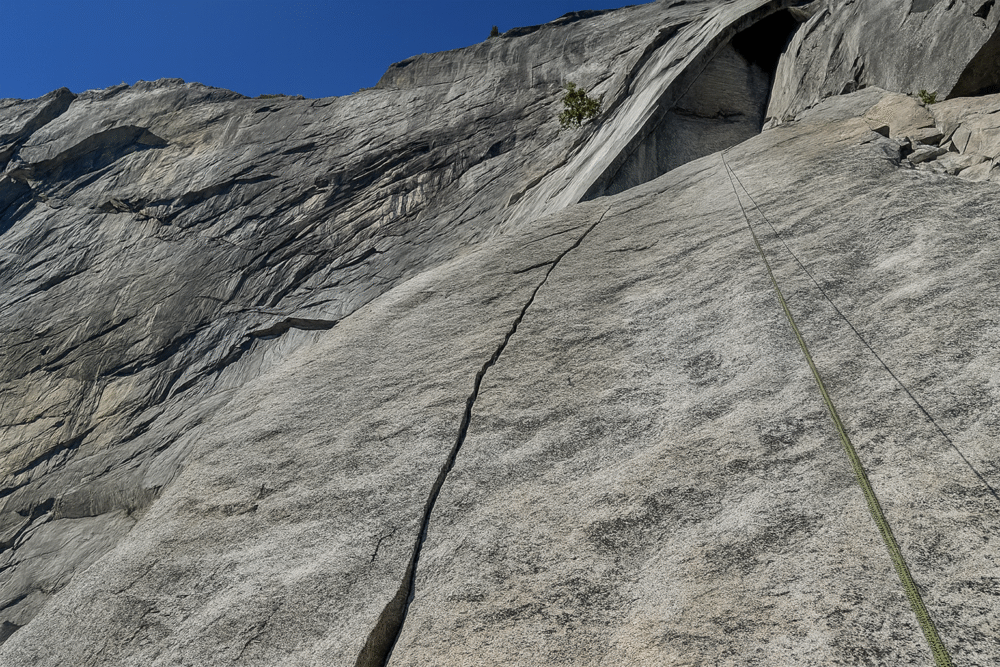
Yosemite National Park officials have closed sections of the popular Royal Arches area after discovering a large crack spreading across the granite face. Rangers say the fissure, which has rapidly widened in recent weeks, could signal an imminent rockfall capable of sending massive slabs into Yosemite Valley. The discovery prompted immediate safety measures, including trail closures and climbing restrictions. While rockfall is common in Yosemite’s steep terrain, officials call this crack unusual enough to warrant close monitoring and urgent public warnings.
1. Rangers Found a Rapidly Widening Crack on Royal Arches

Park geologists identified a crack stretching across the Royal Arches formation, one of Yosemite Valley’s most recognizable granite walls. What began as a narrow fissure widened to several inches in places, indicating movement within the rock itself. The speed of its development alarmed officials who routinely track Yosemite’s cliff conditions.
Although cracking is not unusual in the park, this particular feature appears to be evolving more quickly than typical weathering patterns. That behavior suggests the rock may be unstable, prompting immediate safety assessments.
2. Parts of the Area Were Closed Within Hours of the Discovery
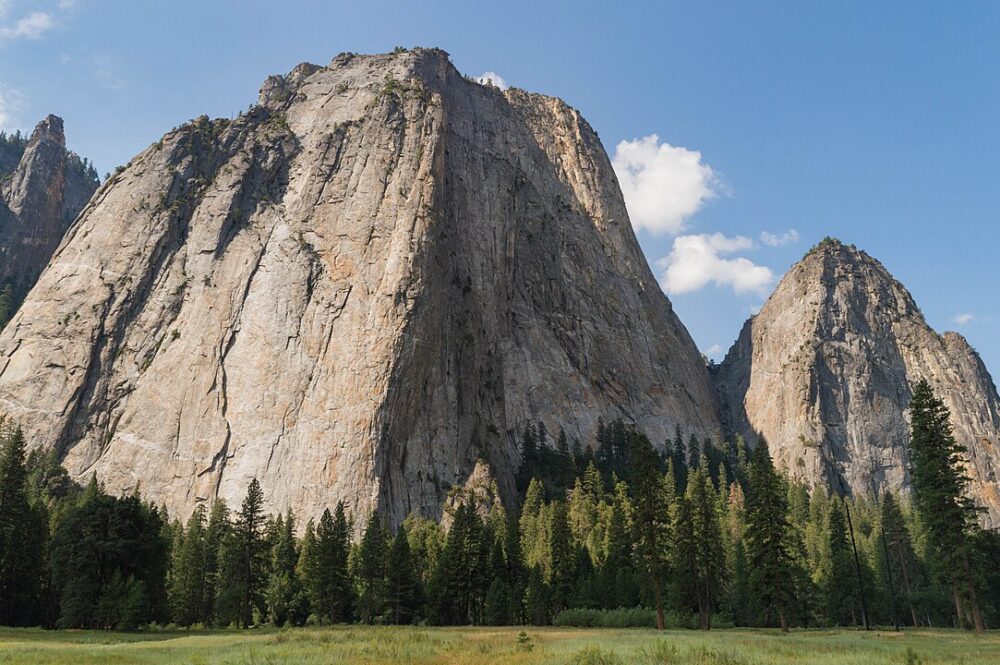
Once the crack was verified, rangers quickly closed trails and climbing routes beneath the formation. These include popular access points used by hikers and climbers who frequently cross the Royal Arches zone. Officials prioritized closures because even a moderate rockfall could send debris falling hundreds of feet into high-traffic areas.
The closures are expected to remain in place until geologists determine whether the crack is continuing to shift or has stabilized. Safety remains the park’s top priority given Yosemite’s history of sudden rockfalls.
3. Rockfalls Are Common in Yosemite, but This One Is Unusual

Yosemite experiences thousands of rockfalls each year due to natural erosion and freeze-thaw cycles. However, geologists noted that the Royal Arches crack appears larger and more active than typical seasonal fractures. The rate at which it expanded raised concerns that a significant slab could detach.
This unusual behavior has drawn special attention from park scientists, who are accustomed to tracking small shifts in granite. The crack’s appearance suggests the potential for a larger event that could reshape part of the formation.
4. Geologists Are Monitoring the Crack for Further Movement
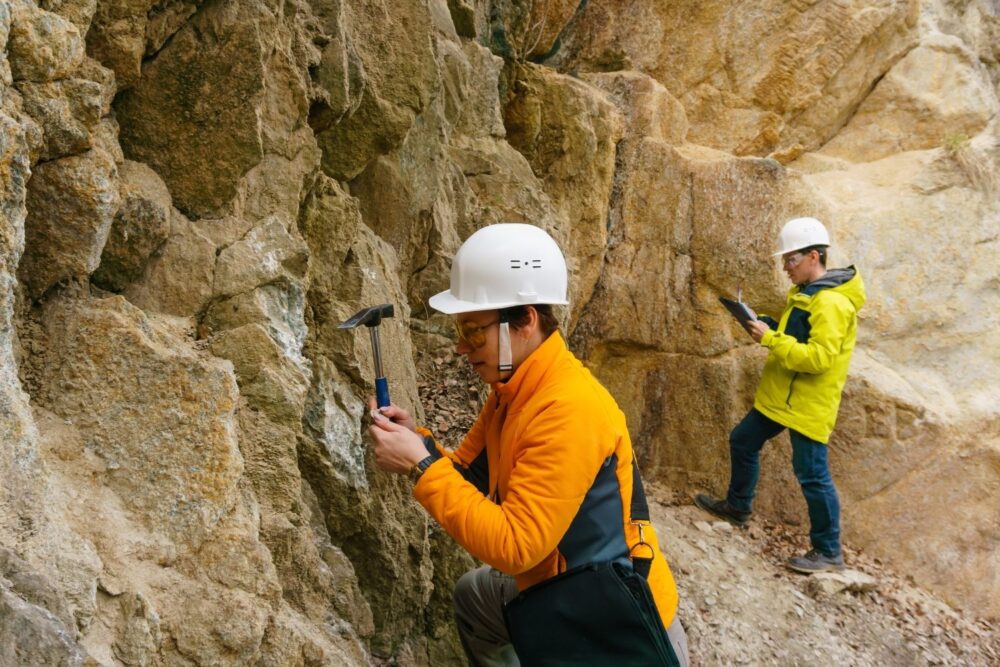
Specialists are using high-resolution imaging, measurements, and visual inspections to track the crack’s progression. They will continue monitoring the site daily to determine whether the fissure is widening or showing signs of imminent failure. Even small changes can help predict the likelihood of a rockfall.
Continuous monitoring allows the park to respond quickly if conditions worsen. These efforts are essential for protecting both visitors and infrastructure in Yosemite Valley.
5. A Major Rockfall Could Send Massive Blocks Into Yosemite Valley
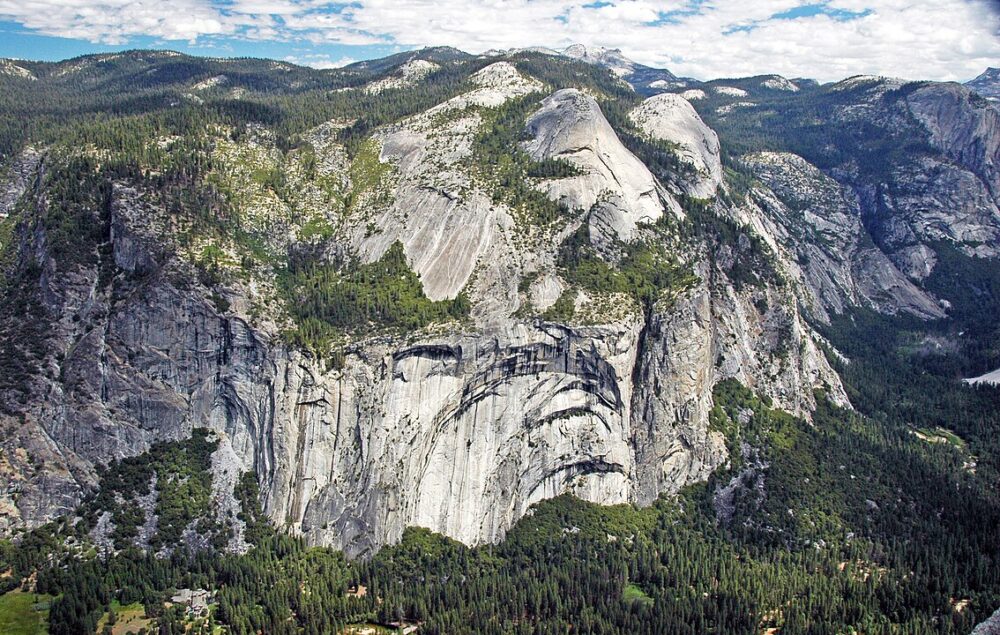
Officials warn that if the crack continues to open, it could release large slabs of granite from the Royal Arches wall. Rockfalls of this size can generate high-velocity debris, dust plumes, and ground vibrations, posing serious risks to anyone below. Even small rockfalls in Yosemite have injured visitors in the past.
Because this cliff towers over trails and climbing routes, a sudden failure could have far-reaching impacts. Closing the area is a precaution intended to prevent accidents while the crack is evaluated.
6. Climbers Are Being Kept Out Due to High Risk
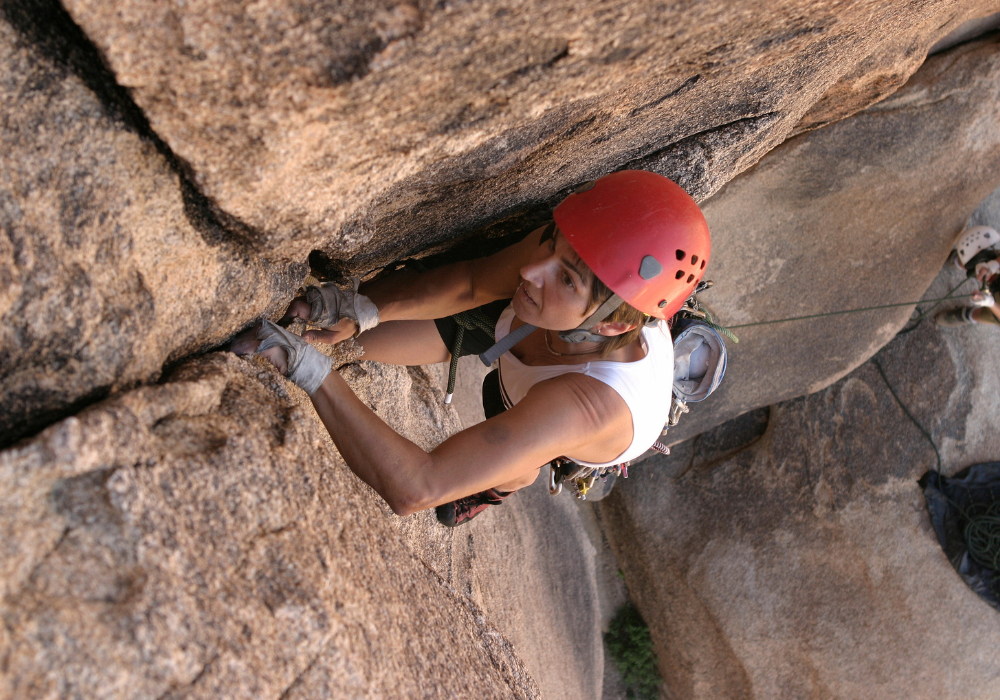
The Royal Arches route is one of Yosemite’s classic climbing lines, used by thousands of climbers each year. The newly discovered crack runs near sections of the wall that climbers regularly traverse. Rangers immediately shut down climbing access to prevent anyone from accidentally triggering or being caught in a collapse.
Climbing organizations have expressed support for the closures, acknowledging the seriousness of the hazard. The crack’s instability makes the area unsafe until further studies are complete.
7. Freeze-Thaw Cycles May Have Played a Role

Granite in Yosemite often breaks apart due to freeze-thaw weathering. Water seeps into small cracks, freezes overnight, and expands, gradually widening fractures. During certain seasons, this process accelerates, contributing to larger structural shifts.
Geologists believe the Royal Arches crack may have been growing slowly over years before recent weather conditions caused it to expand more rapidly. Understanding these natural cycles helps experts assess whether the crack will continue to move.
8. Rockfalls Have Shaped Yosemite for Millions of Years

Many iconic features in Yosemite Valley were formed by rockfalls, including talus slopes beneath major cliffs. While dangerous today, these events are part of the natural geologic evolution of the landscape. Each rockfall changes the valley’s appearance over time.
The crack in Royal Arches fits within this long geological story. Even though it threatens visitor safety now, it represents a natural process that has shaped the valley for millennia and will continue shaping it in the future.
9. Previous Rockfalls Highlight the Need for Caution
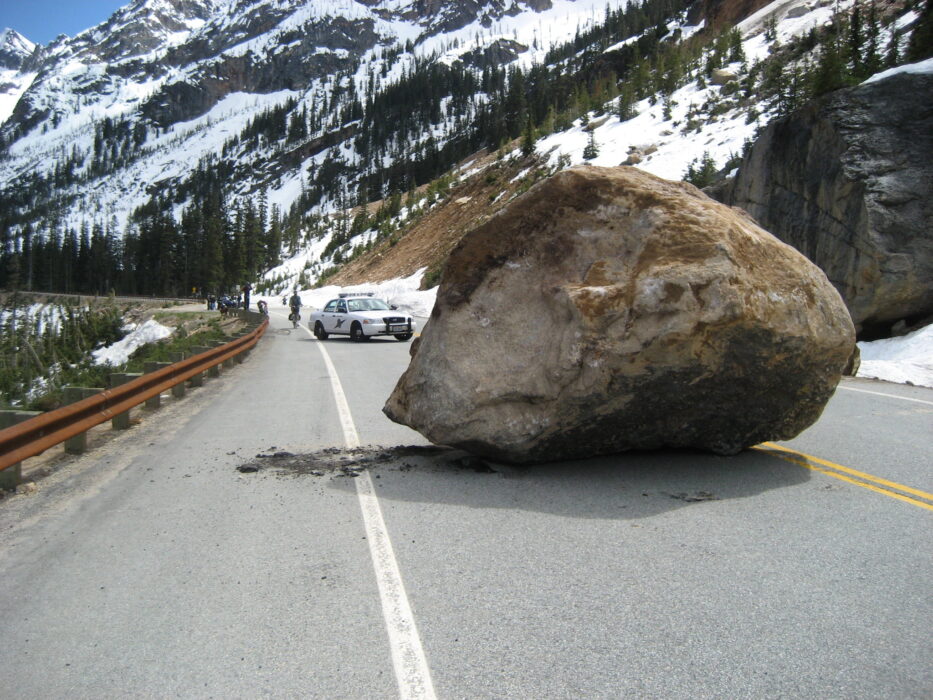
Yosemite has experienced several significant rockfalls in recent decades, including events that damaged cabins, closed roads, and injured visitors. These incidents underscore the unpredictability of cliff failures, even in well-monitored areas. Past events have taught rangers to act early when warning signs appear.
Because of this history, officials treat any unusual crack seriously. Proactive closures often prevent tragedies by limiting access before instability worsens.
10. Park Officials Urge Visitors to Respect Safety Barriers

Despite warnings, some visitors attempt to bypass closures for photos or closer views. Rangers emphasize that entering restricted areas near Royal Arches is extremely dangerous while geologists assess the crack. Even small rock movements can create hazards for anyone nearby.
Respecting barriers ensures the safety of both visitors and rescue personnel. Park officials remind guests that closures are temporary and necessary while the threat remains active.
11. The Situation May Evolve as Geologists Gather More Data

The ultimate risk level depends on whether the crack continues to widen or stabilizes in coming days and weeks. Geologists will use updated imaging and field measurements to determine whether rockfall is imminent. Their findings will guide future closures or reopenings.
Until assessments are complete, officials plan to keep the area off-limits. The priority is ensuring that any decision reflects the best available science and the safety of all Yosemite visitors.