
New evidence shows a huge impact site was hiding in plain sight beneath the forests of southern China.
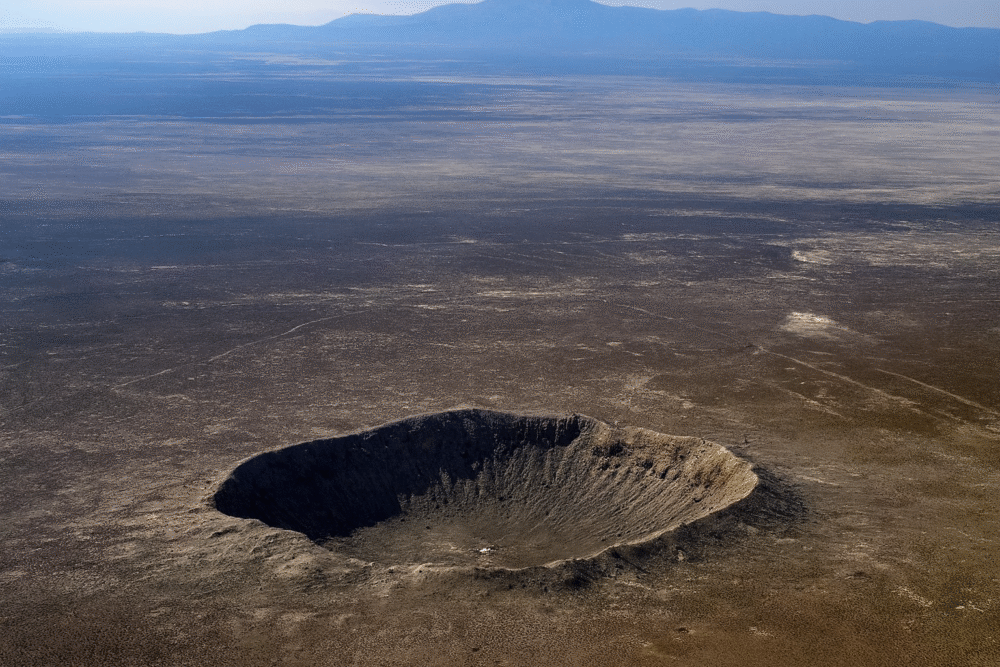
The discovery of the Jinlin Crater reveals that a massive asteroid strike occurred far more recently than scientists expected. The crater, nearly a kilometer wide, lay unnoticed beneath forested hills until researchers identified unmistakable signs of an extraterrestrial impact. Its confirmation reshapes what scientists know about Earth’s recent collision history and highlights how large impact sites can remain hidden for thousands of years. The finding also raises questions about how many more recent craters may still be undiscovered in difficult-to-survey regions around the world.
1. A Nearly One-Kilometer Crater Hidden for Millennia

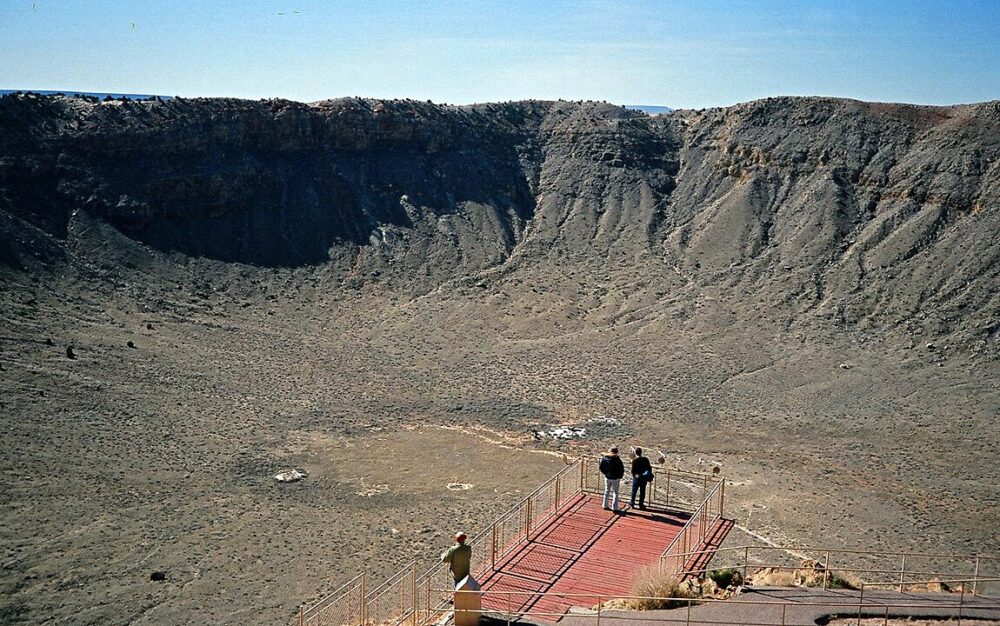
The Jinlin Crater spans roughly 900 meters across, making it one of the largest known impact sites from the Holocene. Its location in a rugged, forested granite landscape allowed it to blend naturally into its surroundings. For years, the feature was dismissed as an ordinary depression or erosion basin.
Researchers only later realized its unusual shape and structural features matched the profile of an impact crater. Its size and preservation surprised geologists, who rarely find recent craters this large and intact in regions subject to heavy weathering.
2. The Crater Dates to the Early-to-Mid Holocene
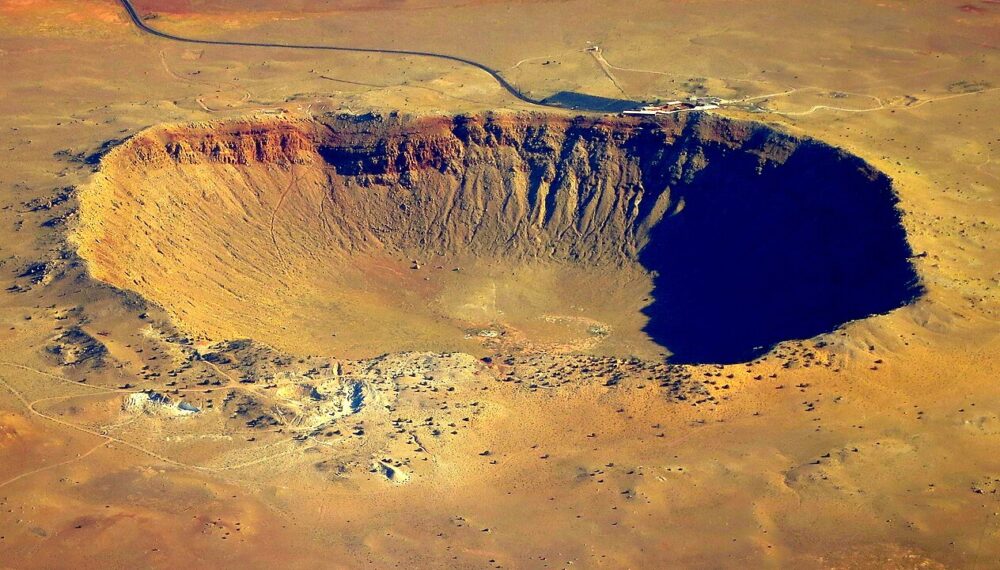
Evidence indicates the Jinlin impact likely occurred less than 10,000 years ago, placing it in the early-to-mid Holocene. This makes it exceptionally young compared to most large craters, which date back millions of years. A crater of this size forming so recently challenges assumptions about the frequency of significant impacts in the modern geological era.
Its young age also raises questions about how such a large event went unnoticed in the archaeological and geological record. The discovery suggests that even relatively recent impacts can escape detection if they occur in remote or heavily vegetated landscapes.
3. Shocked Quartz Proved the Crater’s Violent Origin
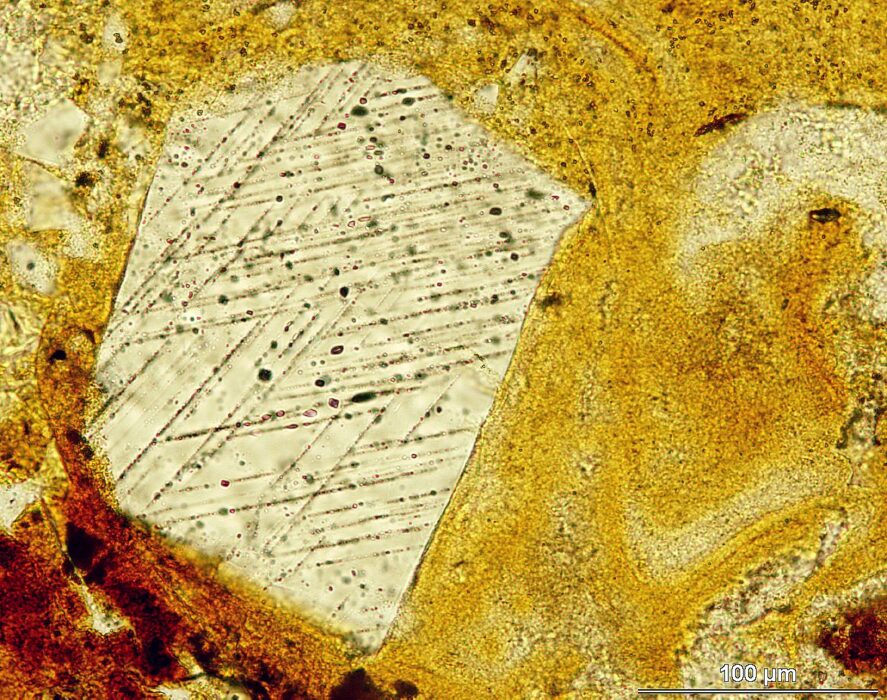
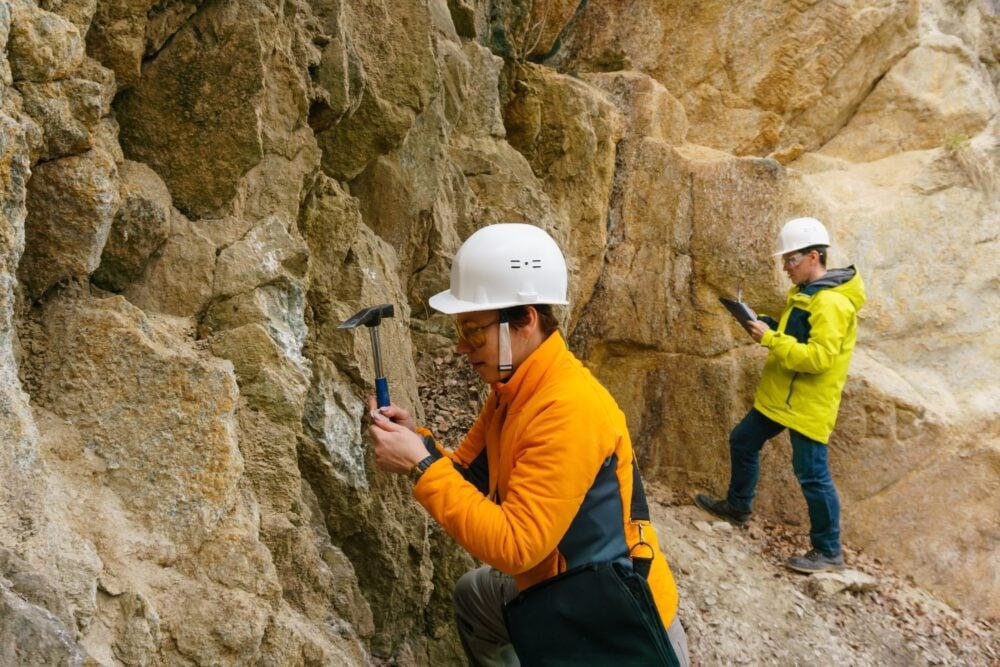
Researchers confirmed the crater’s extraterrestrial origin after finding shocked quartz—microscopic deformation patterns caused by extreme pressure shocks that only occur during high-energy impacts. These structures cannot form from volcanic activity, landslides, or typical geological stress.
Combined with the crater’s bowl shape, fractured bedrock, and raised rim, the shocked quartz provided definitive evidence the site was created by a meteorite strike. This set of markers is the gold standard for identifying impact structures and leaves little doubt about the Jinlin Crater’s true cause.
4. A 30-Meter Asteroid Caused Massive Destruction
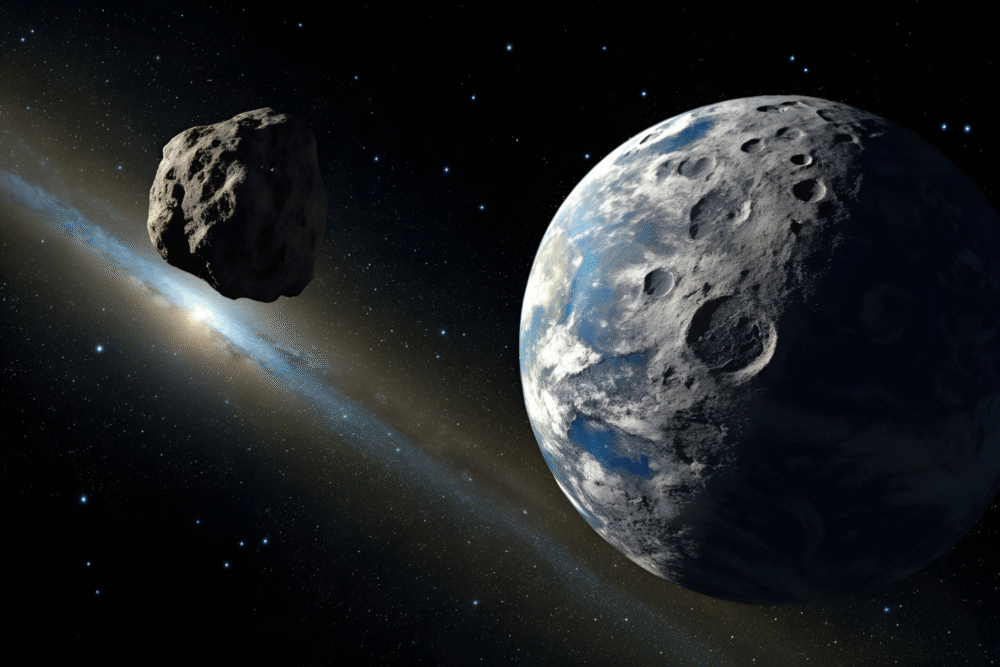
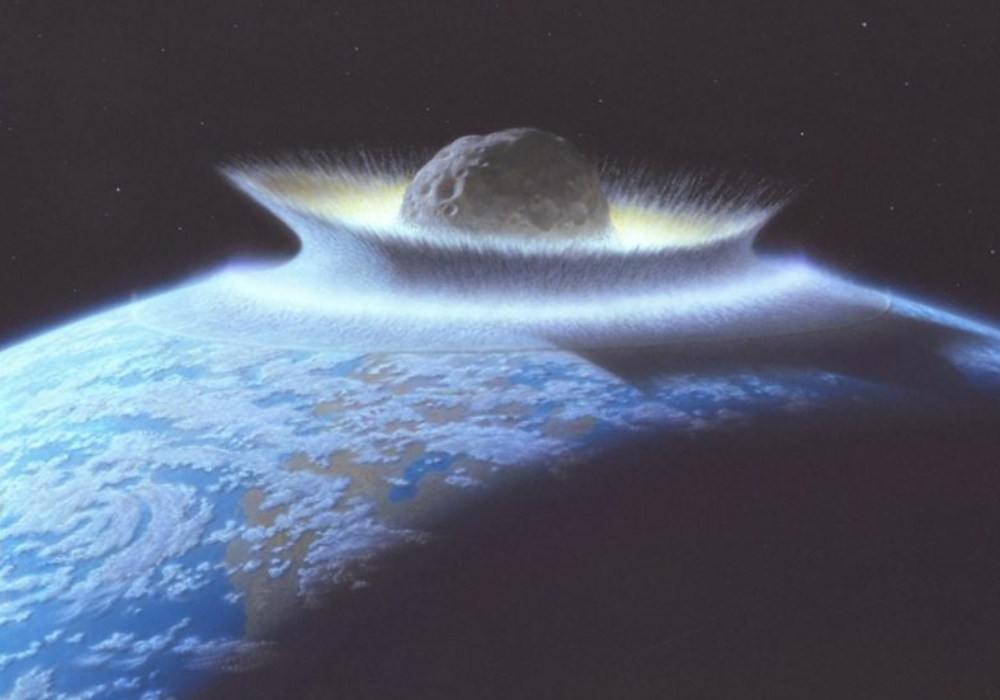
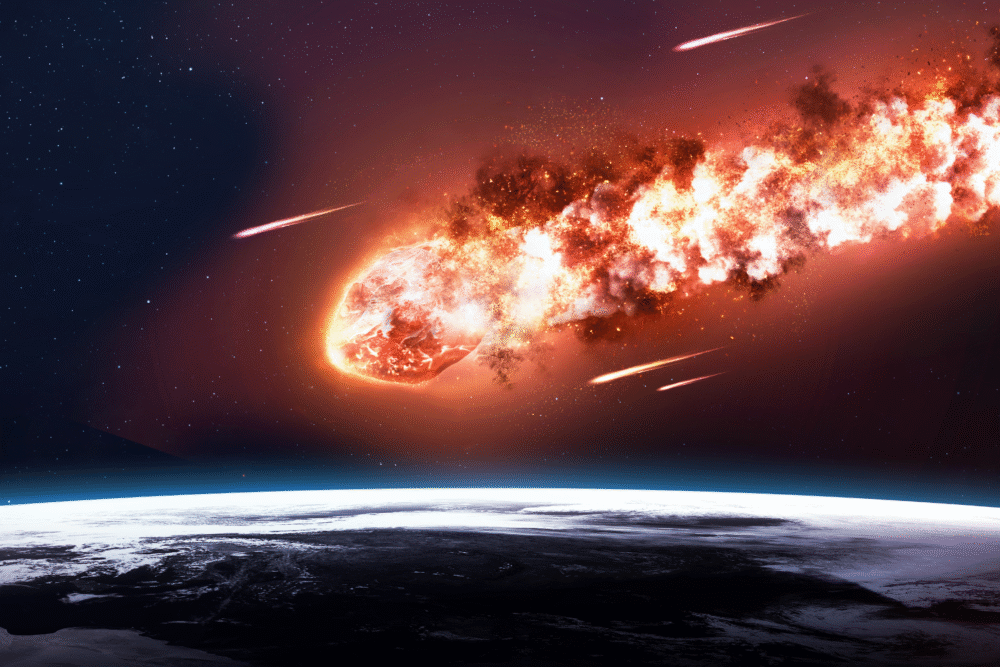
Modeling suggests the object that struck the region was roughly 30 meters in diameter—large enough to cause devastating local effects. Traveling at tens of thousands of miles per hour, the impact released energy equivalent to several nuclear explosions. Even though the asteroid was relatively small on a cosmic scale, its collision with granite bedrock produced a crater nearly a kilometer wide.
Events of this magnitude remind scientists how destructive even modest-sized space rocks can be. The impact would have generated a powerful shock wave, intense heat, and widespread debris across the surrounding region.
5. The Crater Survived Despite Harsh Erosion
Southern China experiences heavy rainfall, humidity, and dynamic seasonal weather—conditions that typically erase geological structures over time. Yet the Jinlin Crater remains unusually well preserved. Scientists believe its formation in solid granite helped it resist erosion more effectively than softer sedimentary sites.
Soil buildup and vegetation may have actually protected parts of the structure, preserving details long enough for modern researchers to identify them. The crater’s survival under such erosive conditions highlights how unusual this discovery is and why it remained hidden for so long.
6. The Discovery Rewrites Part of Earth’s Recent Impact History
Until now, the largest known Holocene crater was only about 300 meters across. Jinlin’s enormous size shifts the understanding of how often large objects have struck Earth in the last several thousand years. It indicates that significant impacts did occur during a period once assumed to be relatively quiet.
This revised timeline will influence how scientists model near-Earth object risk and how frequently dangerous asteroids may have collided with the planet. The discovery suggests Earth’s recent impact record may be far from complete.
7. Many Recent Craters May Still Be Undiscovered

The fact that a crater nearly a kilometer wide remained undetected in a populated, well-studied region suggests many other impact sites could still be hidden. Dense forests, erosion, terrain changes, and human development all obscure geological features that might otherwise be recognized as craters.
Geologists now believe that more Holocene or late Pleistocene impact sites may exist in difficult-to-access regions. Improved satellite imagery and ground surveys may help reveal additional hidden craters similar to Jinlin.
8. Granite Bedrock Preserved the Crater’s Shape
Jinlin formed in a region dominated by hard granite, which helped maintain its bowl-like structure over thousands of years. Granite is more resistant to deformation and erosion than many other rock types, allowing the crater to retain its rim, slopes, and shock features.
Because the impact occurred directly into this durable material, the blast left clear fractures and shock patterns that survived long enough for scientists to analyze. These structural details played a key role in confirming the crater’s extraterrestrial origin.
9. The Crater’s Shape Matches Classic Impact Profiles
The Jinlin Crater features a circular depression, sloping walls, and a raised outer rim—hallmarks of a complex impact structure. The geometry closely matches what scientists expect from a meteorite strike occurring at high velocity into solid rock.
Its symmetry and depth helped distinguish it from volcanic calderas, landslides, or erosional basins. These characteristic shapes are critical for identifying impact sites, and Jinlin’s clarity made it easier for experts to confirm once the location drew scientific attention.
10. The Discovery Helps Refine Asteroid Impact Models

Analyzing a crater this large and this recent provides valuable data for modeling how mid-sized asteroids behave upon impact. Scientists can use the Jinlin site to validate predictions about crater size, energy release, shock distribution, and regional effects.
Because the crater is geologically young and relatively intact, it serves as a natural laboratory for improving impact simulations. More accurate models help researchers better assess the risks posed by near-Earth objects and refine strategies for planetary defense.
11. The Find Highlights Ongoing Asteroid Risks
The Jinlin Crater underscores that sizable asteroids have struck Earth far more recently than many people assume. While events of this scale are rare, they are still part of Earth’s natural history and remain an ongoing risk.
The discovery serves as a reminder that even smaller asteroids can produce large, destructive impacts. As scientists continue tracking near-Earth objects, sites like Jinlin provide crucial insight into the kind of damage these objects can cause—and why early detection matters.