
He thought he’d found gold in the Australian bush. Instead, he was holding a relic from the birth of the solar system.
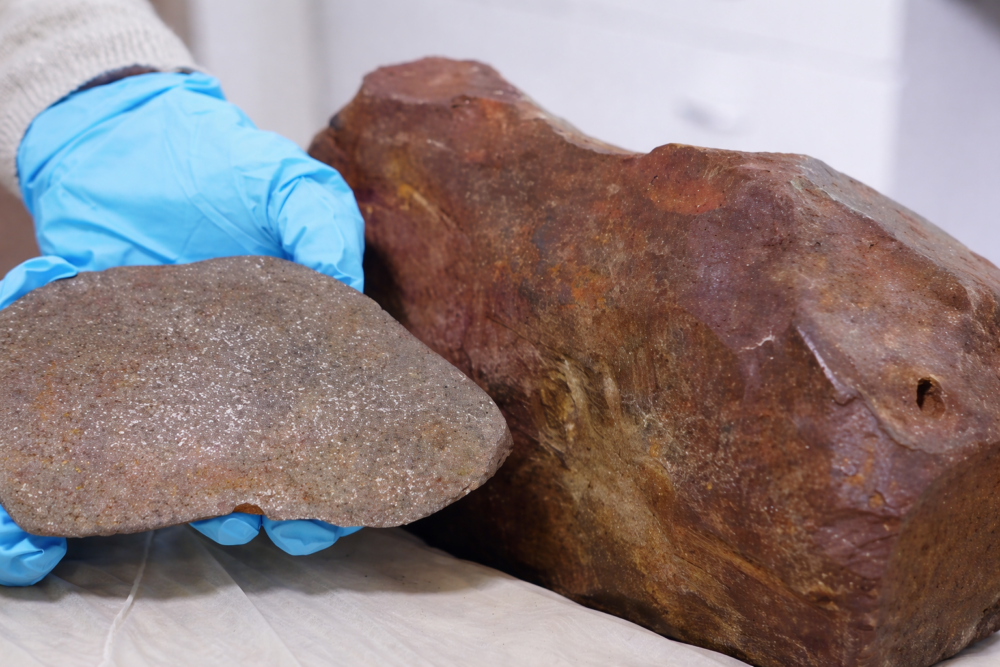
In 2015, David Hole was exploring Maryborough Regional Park in regional Victoria, Australia, carrying a metal detector through an area famous for historic gold discoveries. Prospectors have searched that land for more than a century, and large nuggets have been found there before.
When Hole uncovered a heavy reddish rock buried in yellow clay, he assumed he’d found something valuable. It looked dense, unusual, and promising.
For years, he tried to break it open. What he didn’t know was that the stubborn rock wasn’t hiding gold at all. It was a 4.6-billion-year-old meteorite.
1. A hopeful discovery in gold country
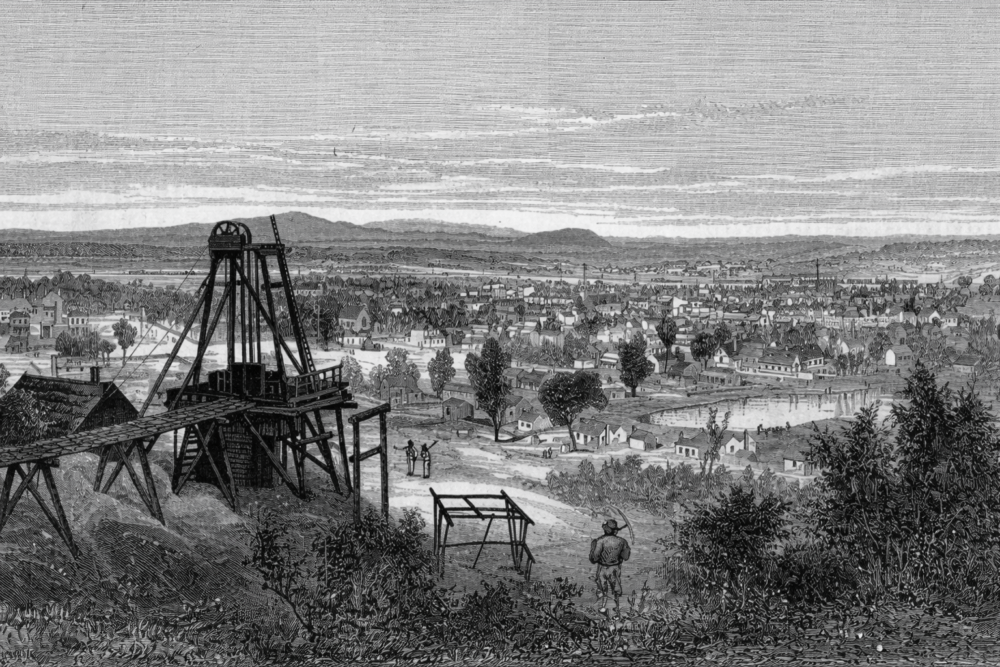
Maryborough Regional Park sits in one of Australia’s most famous goldfields. During the 19th-century gold rush, enormous nuggets were discovered in the region, drawing fortune seekers from around the world.
So when David Hole found an unusually heavy rock in that same soil, his excitement was understandable. The stone had a sculpted, slightly melted surface and felt far heavier than most rocks of similar size. Those features made it stand out immediately, convincing him he might have uncovered a gold-bearing specimen worth opening.
2. The rock refused to break
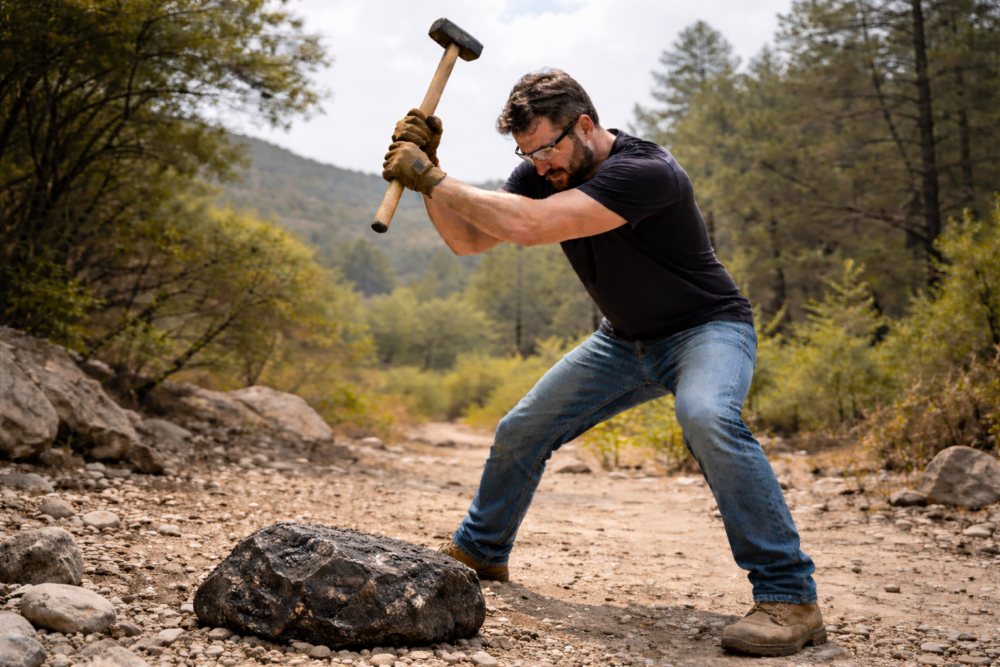
Back home, Hole tried repeatedly to crack the rock open. He used tools, saws, and even a sledgehammer, expecting that if gold were trapped inside, it would eventually reveal itself.
But the rock would not split. It was far tougher than anything he had encountered before. Its resistance only deepened the mystery and strengthened his belief that something dense and valuable must be hidden within.
3. A visit to the Melbourne Museum changed everything
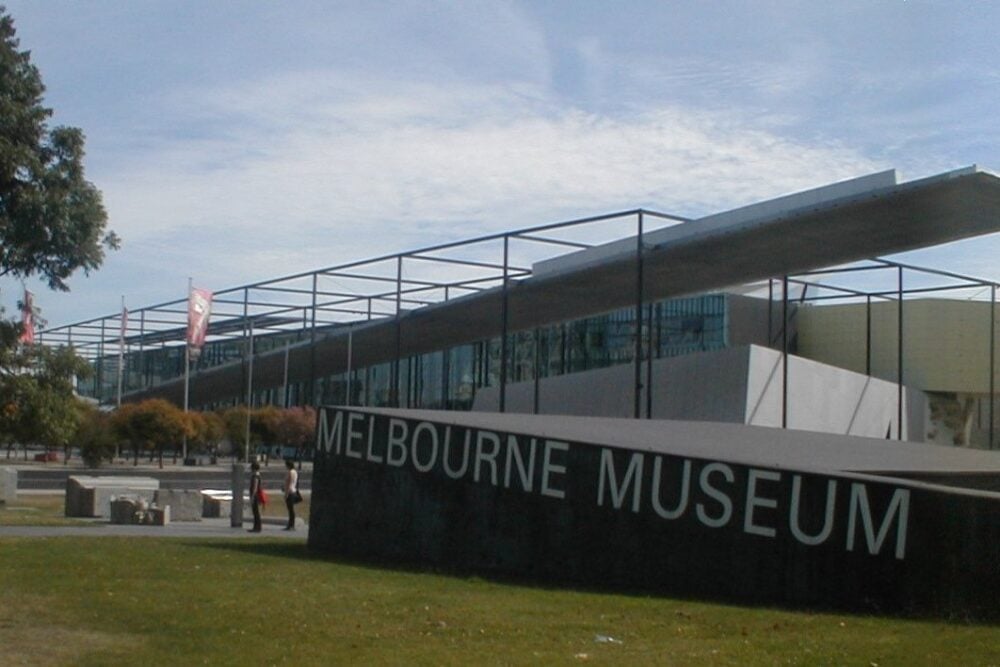
After years of unsuccessful attempts, Hole decided to seek professional advice. He brought the rock to the Melbourne Museum, hoping experts could help him confirm whether he had struck gold.
There, geologists quickly noticed details that didn’t fit the profile of a typical gold-bearing rock. Instead of veins or quartz patterns, they saw something much more unusual etched into its surface.
4. Experts recognized the fusion crust
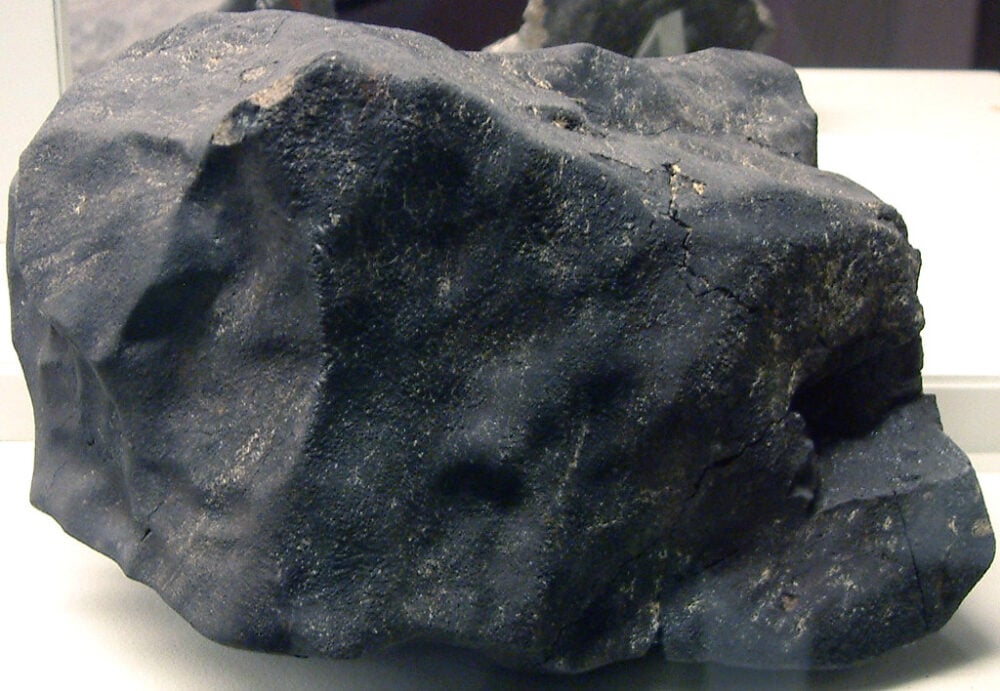
Dr. Dermot Henry, a geologist at the Melbourne Museum, examined the rock alongside mineralogist Bill Birch. They recognized what’s known as a fusion crust, a thin outer layer formed when a meteorite burns as it passes through Earth’s atmosphere.
They also observed small metallic flecks within the stone, which suggested iron and nickel rather than gold. Those features are common in meteorites but rare in ordinary terrestrial rocks.
5. Testing revealed a rare H5 chondrite
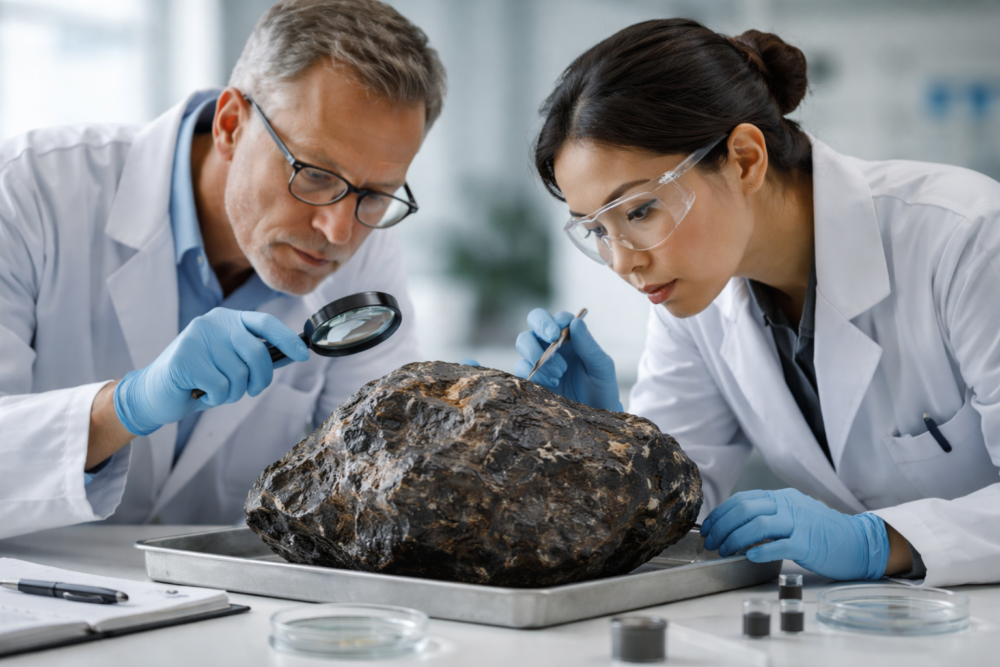
Laboratory analysis confirmed the rock was an H5 ordinary chondrite meteorite. This type of meteorite formed during the earliest days of the solar system, roughly 4.6 billion years ago.
Weighing about 17 kilograms, the specimen likely traveled through space for millions of years before entering Earth’s atmosphere. Scientists believe it may have landed in Victoria thousands of years ago, long before it was ever discovered.
6. Far rarer than gold
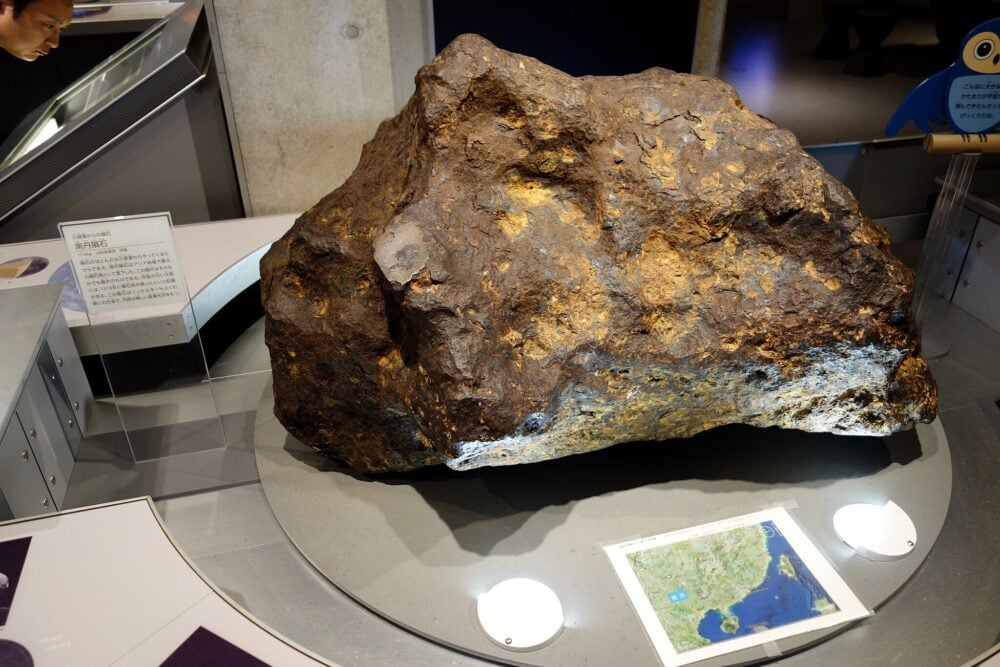
While gold is prized for its economic value, meteorites like this are scientifically priceless. They contain ancient material that predates Earth itself.
Dr. Henry has explained that meteorites act like time capsules. By studying their composition, scientists can learn about the building blocks that formed planets and shaped the early solar system.
7. A journey from the asteroid belt
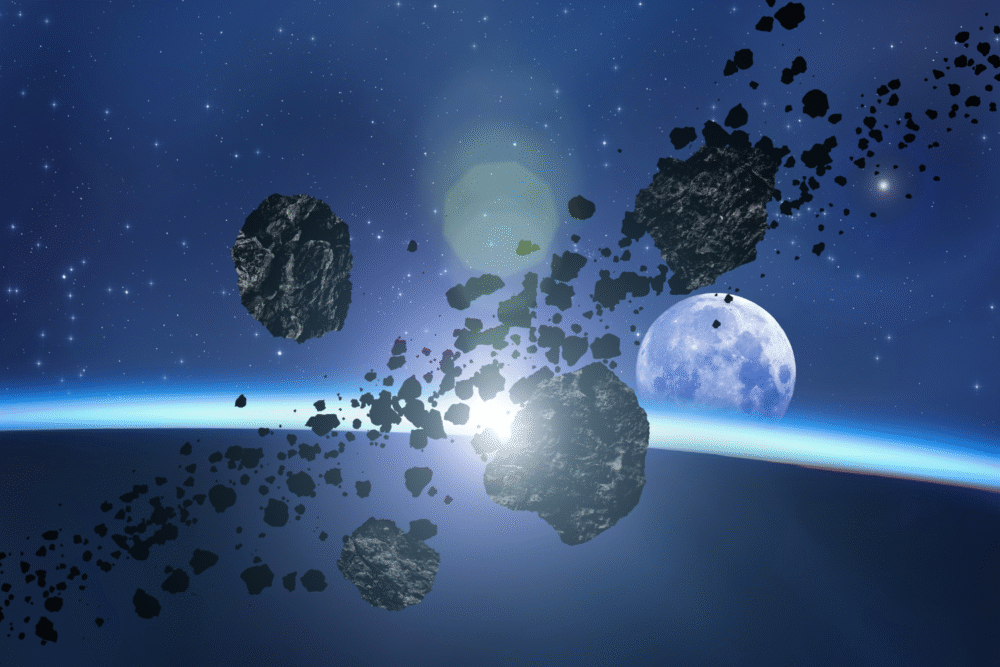
Researchers believe the meteorite most likely originated in the asteroid belt between Mars and Jupiter. A collision between asteroids may have knocked it free from its original orbit.
From there, it drifted through space until gravity pulled it toward Earth. After surviving a fiery descent through the atmosphere, it landed in what is now regional Victoria.
8. The Maryborough meteorite
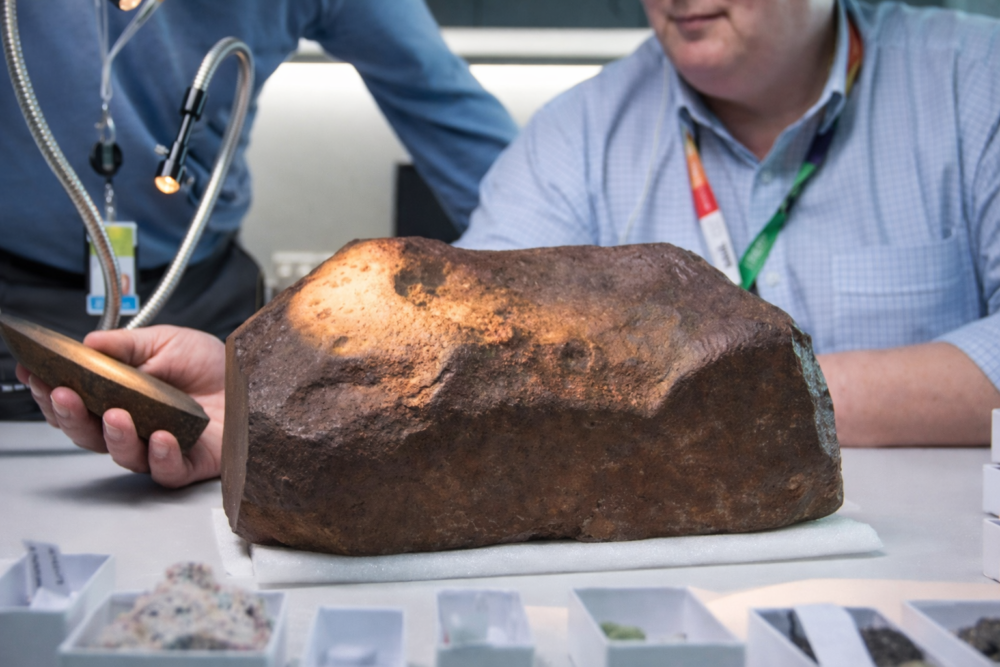
The rock became known as the Maryborough meteorite, named after the nearby town. It is one of only a small number of meteorites ever officially recorded in the state of Victoria.
Its discovery added an important specimen to Australia’s scientific collections. For researchers, it was not just a curiosity but a valuable source of data about planetary formation.
9. Why it was nearly impossible to crack
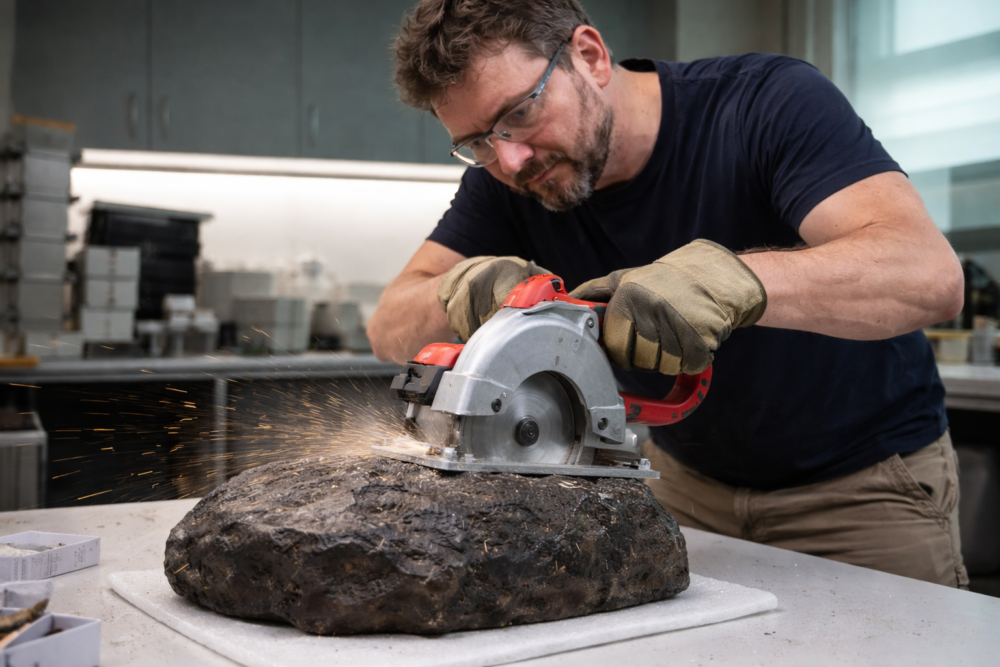
Meteorites often contain high levels of iron and nickel, making them much stronger than common Earth rocks. That dense metallic content is one reason they can survive their passage through the atmosphere.
It’s also why Hole couldn’t break the stone open despite repeated attempts. What he assumed was gold was actually compact extraterrestrial material built to withstand extreme forces.
10. A treasure of a different kind
Hole set out hoping to find gold, something valuable and rare. In the end, he discovered something rarer still.
The meteorite’s age places it at the very beginning of our solar system’s history. It formed before Earth had oceans, continents, or life of any kind.
11. An ordinary rock with an extraordinary story
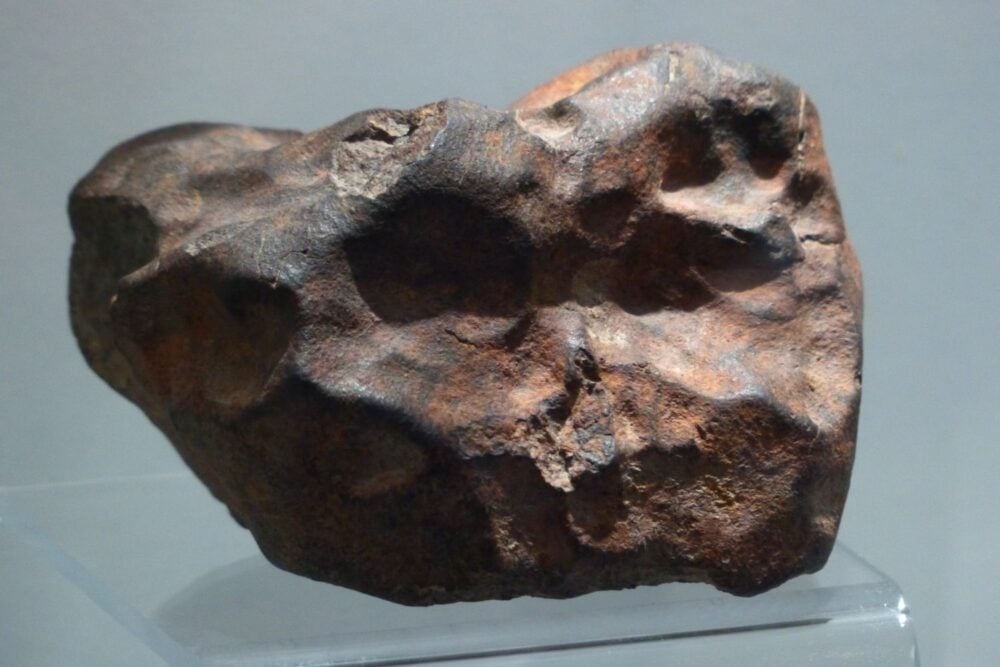
The story serves as a reminder that remarkable discoveries don’t always look impressive at first glance. The rock sat unnoticed in clay for years before being recognized for what it truly was.
For David Hole, what began as a routine treasure hunt ended with a scientific surprise. The heavy stone he kept at home turned out to be a fragment of cosmic history, quietly waiting to be understood.