
Robotic explorers revealed an unexpected seafloor ecosystem hidden beneath Antarctic ice for centuries.
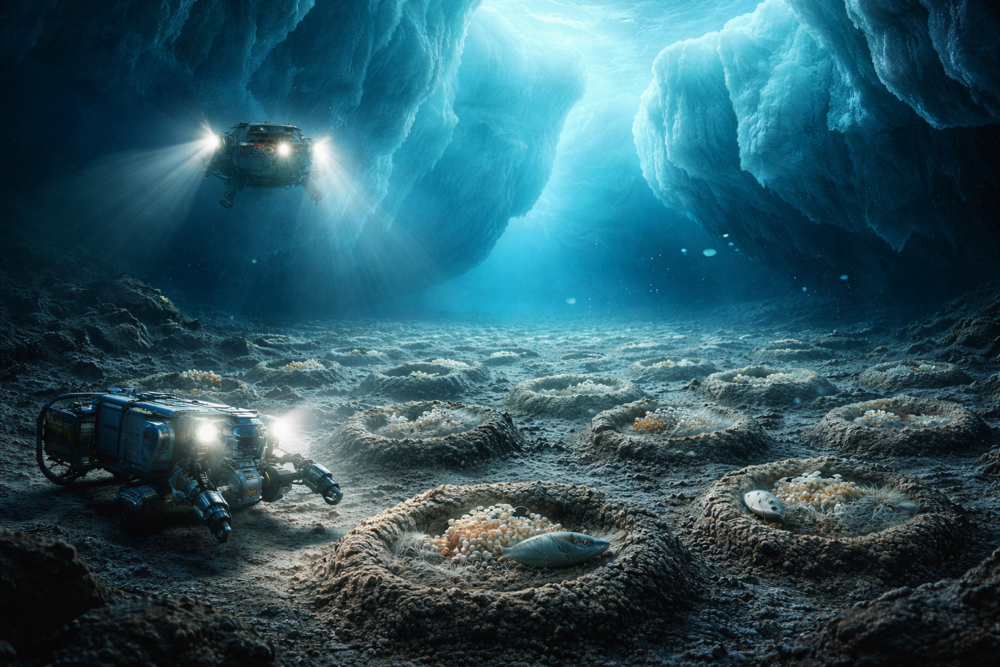
The frozen expanses of Antarctica are among Earth’s least explored environments, and even small changes in its massive ice sheets can expose areas never before visited by humans or machines. That happened when a rare break from the A-68 iceberg calved away from the Larsen C Ice Shelf, opening a broad swath of ocean to direct observation for the first time in thousands of years.
Using remotely operated vehicles (ROVs), researchers peered beneath the formerly ice-covered water and discovered something remarkable: thousands of tightly packed circular formations on the seafloor, each one the handiwork of marine life.
What appeared to be simple impressions at first turned out to be a vast nesting ground for icefish, an ecosystem hidden in plain sight beneath the Antarctic ice. The find is reshaping scientists’ understanding of how life persists in one of the harshest parts of the planet.
1. A rare iceberg collapse revealed the seafloor
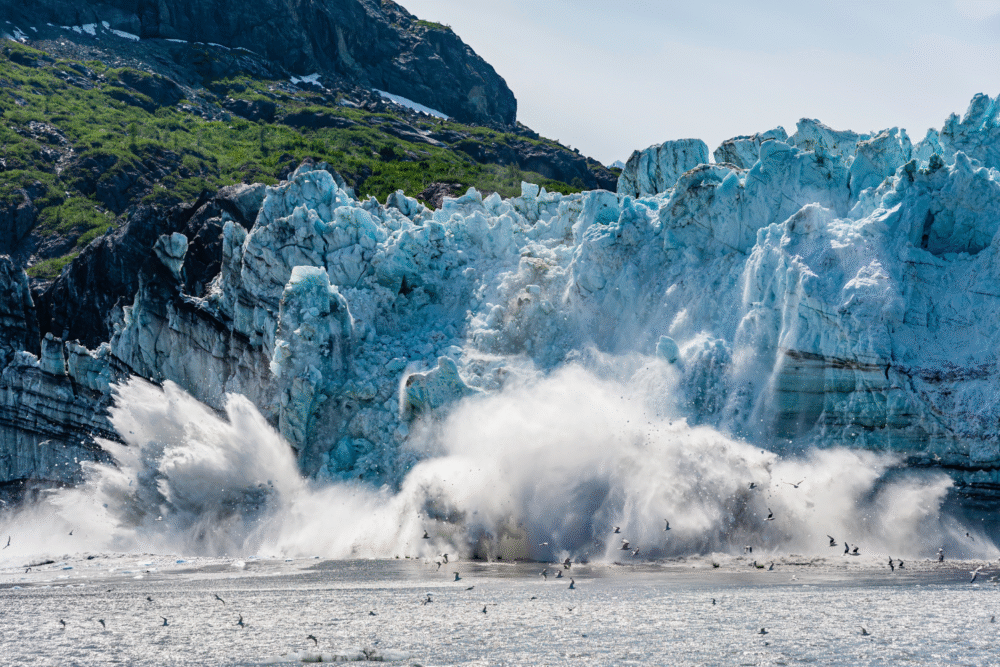
When a large iceberg broke off the Antarctic ice shelf, it created a newly accessible patch of ocean. For decades, this area had been covered by thick, shifting ice that blocked both light and scientific access. Once the ice moved away, researchers could send robotic explorers into waters that had been sealed off from direct observation for generations.
2. Robot vehicles became the first visitors below
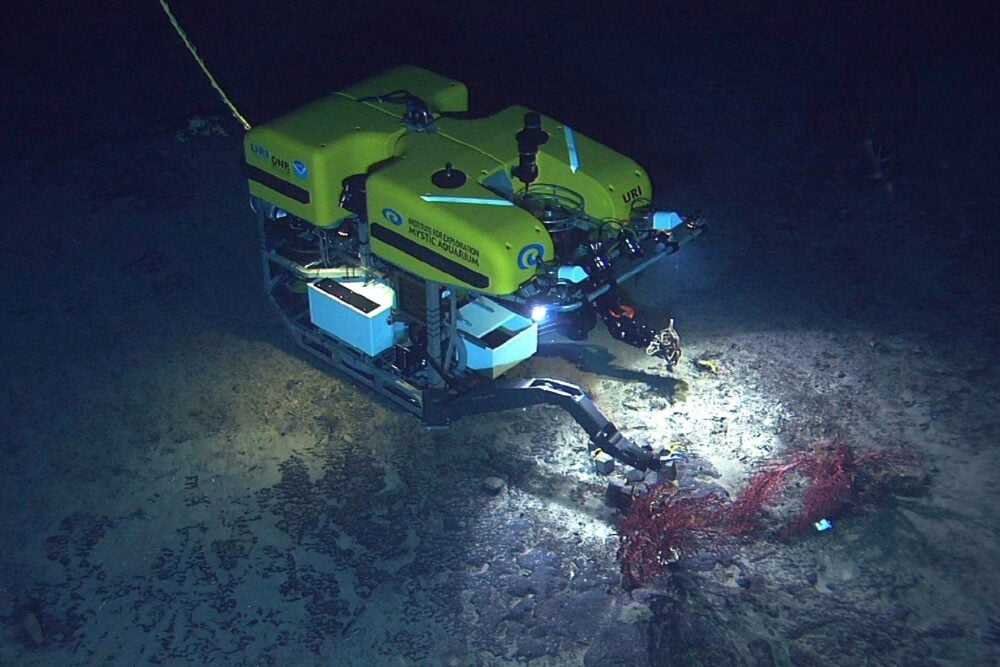
Scientists deployed ROVs equipped with cameras and sensors to map the newly exposed seafloor. These machines are built to withstand frigid temperatures and navigate rough underwater terrain. They transmitted high-resolution imagery back to the research team, revealing an intricate seabed that would have been impossible to study from ships alone.
3. Thousands of circular formations appeared on the ocean floor
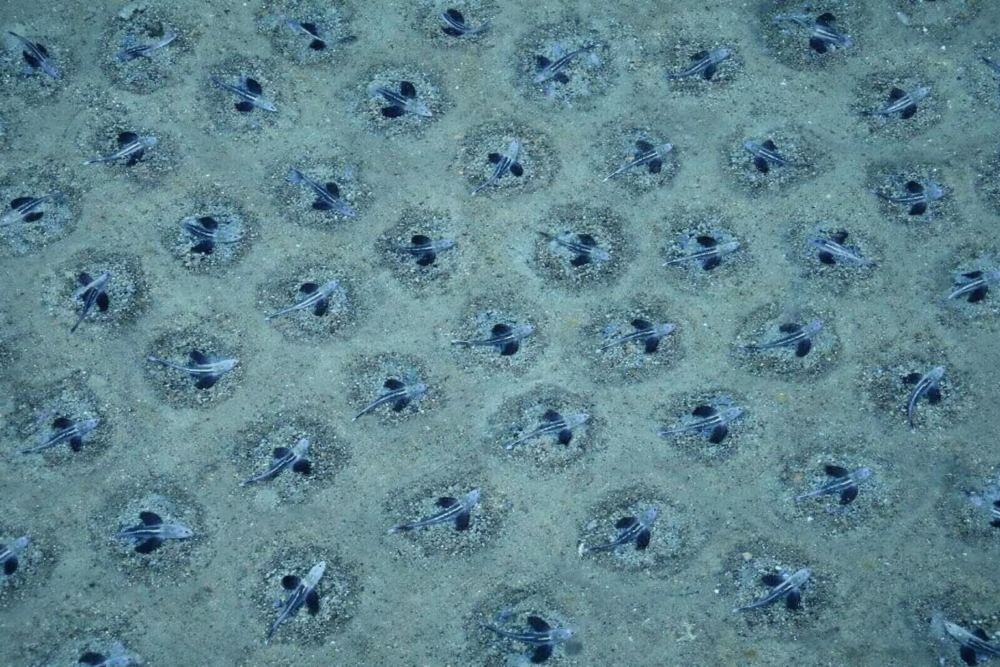
The ROV footage showed countless circular depressions across the seafloor, many clustered tightly together. At first glance, they looked like simple impressions, but their sheer number and uniformity suggested something biological rather than geological. The patterns were too regular and widespread to be random.
4. Scientists realized they were seeing nests
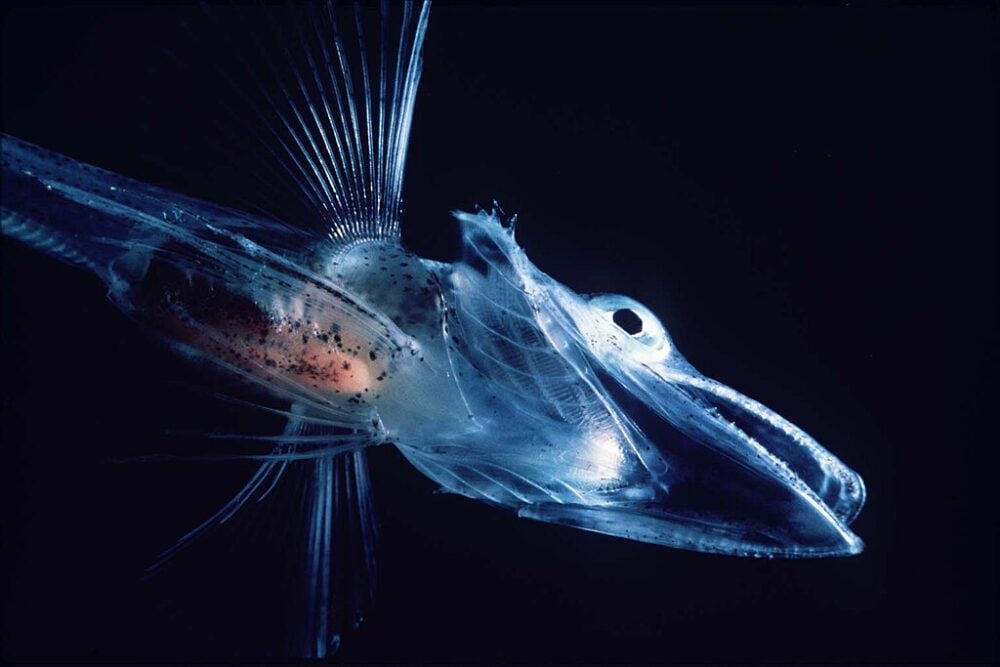
Closer inspection revealed that each circle was a nest constructed by Antarctic icefish. These nests are created when fish use their fins to sweep sediment in a circular pattern, clearing a spot for eggs. The behavior creates a distinctive ring shape that shows up clearly on video. Finding so many in one place was unexpected.
5. A vast nesting colony came into view
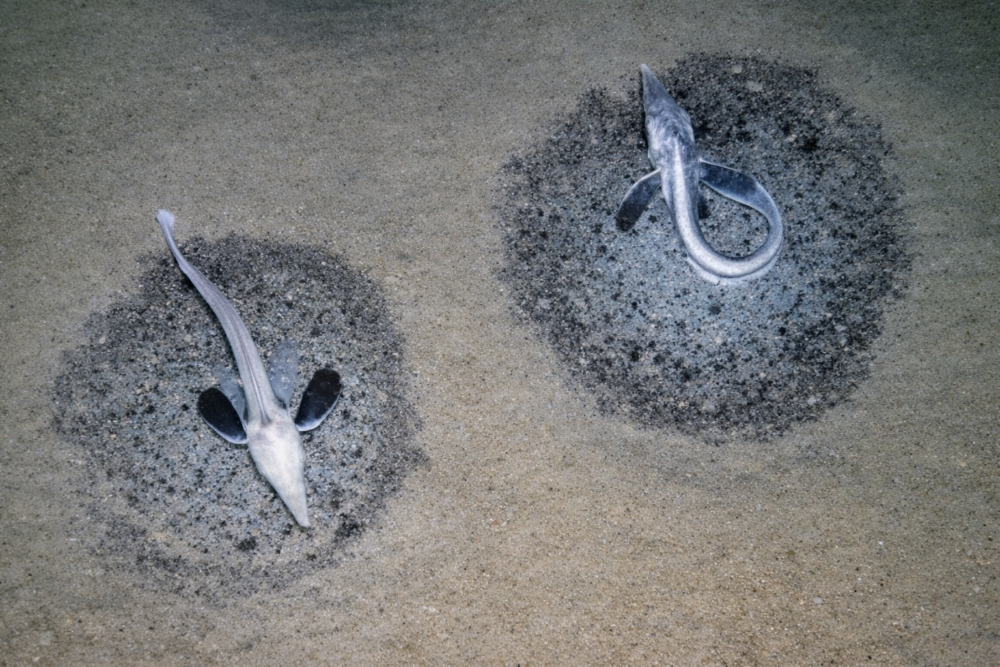
Instead of isolated nests, the team found sprawling clusters covering large portions of the newly exposed seafloor. The scale of the colony suggested that this was a major breeding ground, not a small local patch. It raised questions about how extensive such habitats might be beneath other ice-covered waters.
6. Icefish built these nests for reproduction
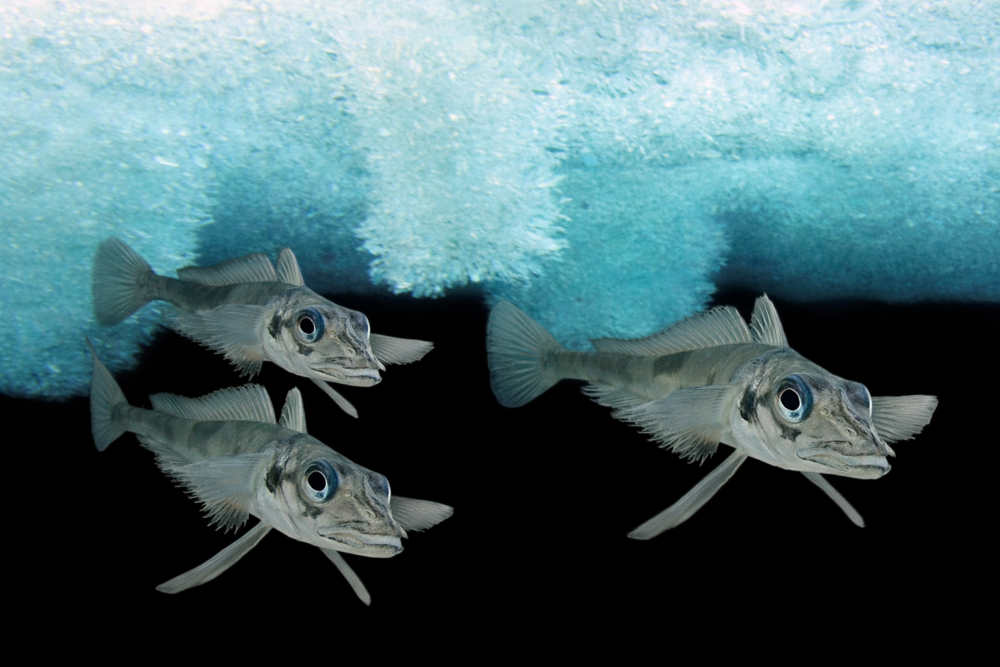
These circular structures aren’t decorative; they are purposeful creations tied to the fish’s life cycle. During breeding seasons, icefish males sweep the sediment to prepare a nest, and females lay eggs inside. The cleared circles help protect eggs and keep them oxygenated by water movement. The discovery shone a light on behavior rarely observed in the wild.
7. The ecosystem survived in isolation for centuries
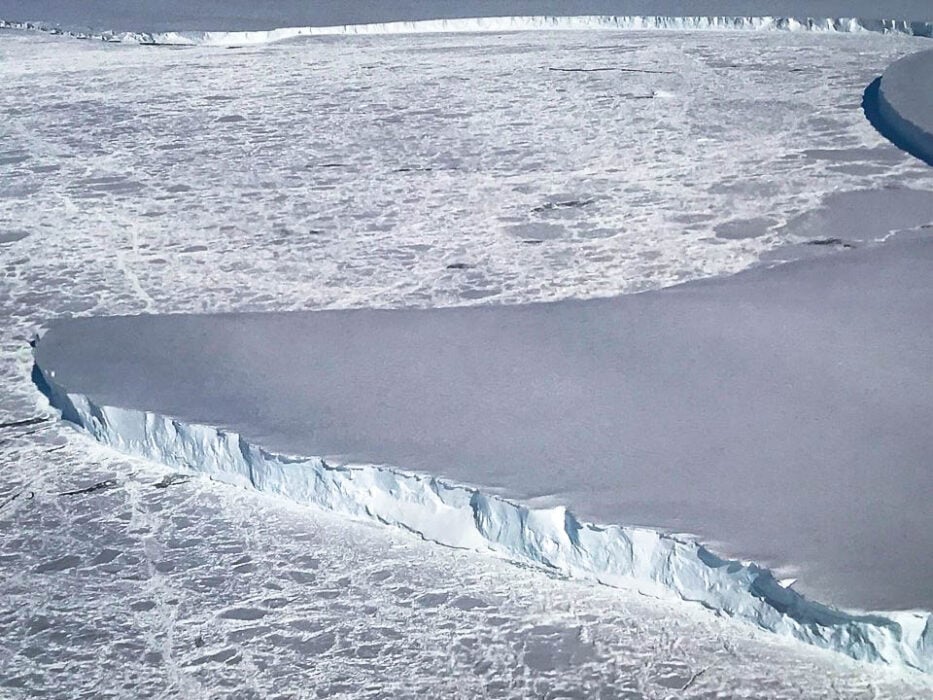
Before the ice breakup, this part of the ocean had been under permanent ice cover for an extraordinarily long time. Sunlight was limited, and access by larger predators or other species was constrained. Yet icefish and their nest structures persisted, suggesting that life found reliable ways to thrive even under thick ice.
8. Other marine life was spotted nearby
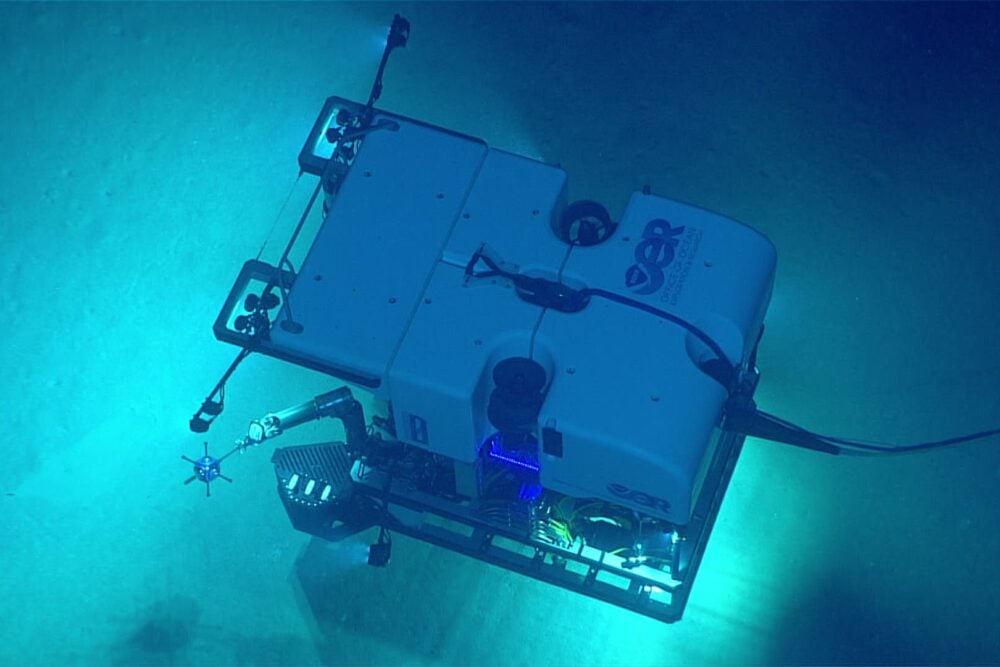
In addition to the nests, ROVs recorded other creatures moving across the seafloor: small invertebrates, scavengers, and organisms feeding off detritus. This indicated a broader food web than expected, with the icefish nest site at its center. The previously hidden ecosystem appears far more dynamic than scientists assumed for ice-covered regions.
9. The find reshapes understanding of polar ecosystems
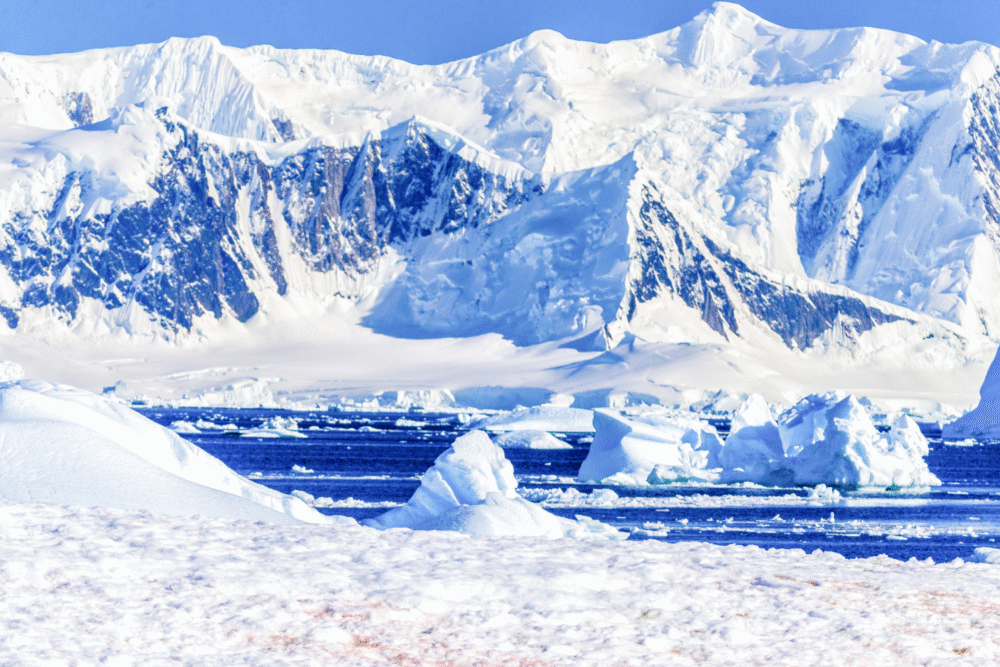
Discoveries like this remind researchers that even well-studied regions like Antarctica hold surprises. The existence of an extensive nesting colony beneath ice challenges ideas about how life organizes itself in extreme conditions. It suggests that other hidden ecosystems may await discovery in similar remote areas.
10. Remote technology is expanding exploration possibilities
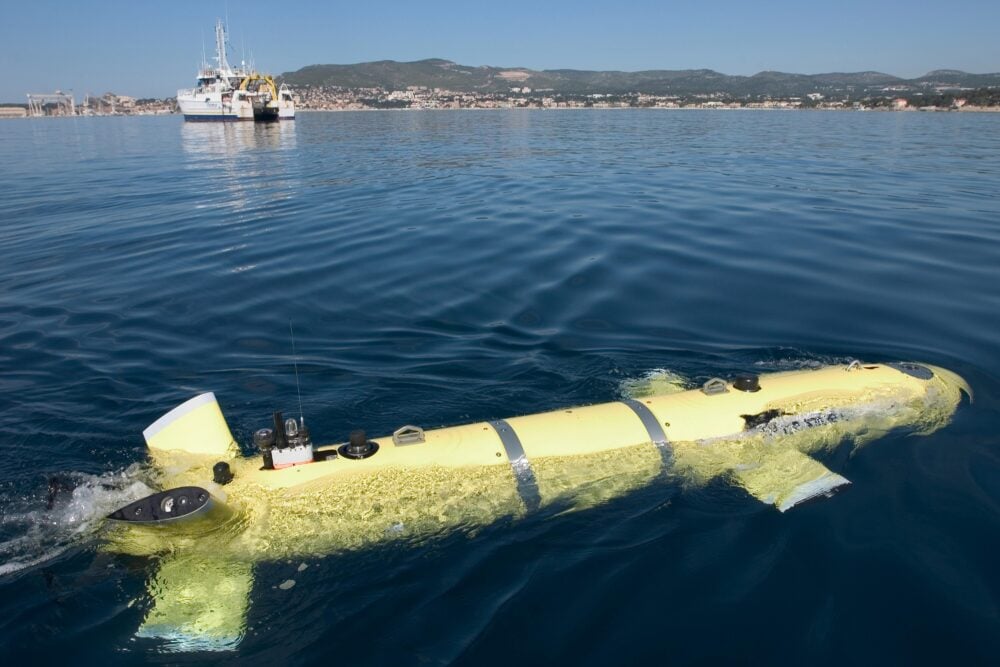
The success of the ROV mission highlights how robotic tools are revolutionizing marine science. Without these vehicles, direct observation beneath thick ice would remain nearly impossible. The technology is allowing scientists to explore places humans can never access directly, opening new frontiers in oceanography and ecology.
11. Scientists now want to map more hidden habitats
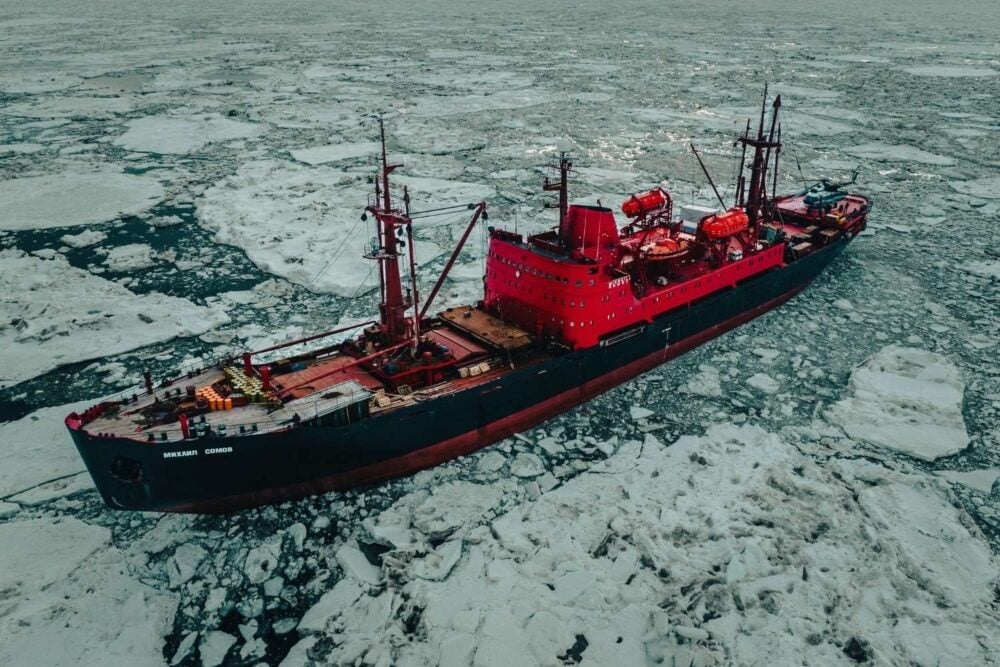
Buoyed by this discovery, researchers are planning further expeditions to other ice-covered seafloor regions. Each new area made accessible by ice movements, seasonal melt, or advancing tools offers a chance to uncover more unseen life. The Antarctic’s hidden world may be only the beginning of a much larger story about Earth’s unexplored ecosystems.