
What archaeologists found inside offers rare insight into the final days of Neanderthals.

Archaeologists have opened a cave chamber that had been sealed for around 40,000 years, revealing a space untouched since Neanderthals lived along Europe’s southern coast. The chamber lies within Vanguard Cave, part of the well-known Gorham’s Cave Complex on the edge of what is now the Mediterranean.
When Neanderthals used this site, the landscape looked very different. Sea levels were lower, the coastline extended farther out, and the caves formed part of a rich coastal environment that supported long-term human occupation.
The newly opened chamber offers something rare in archaeology: a nearly pristine snapshot of daily life near the end of the Neanderthals’ existence, preserved beneath layers of sand and sediment.
1. A hidden chamber sealed for tens of millennia
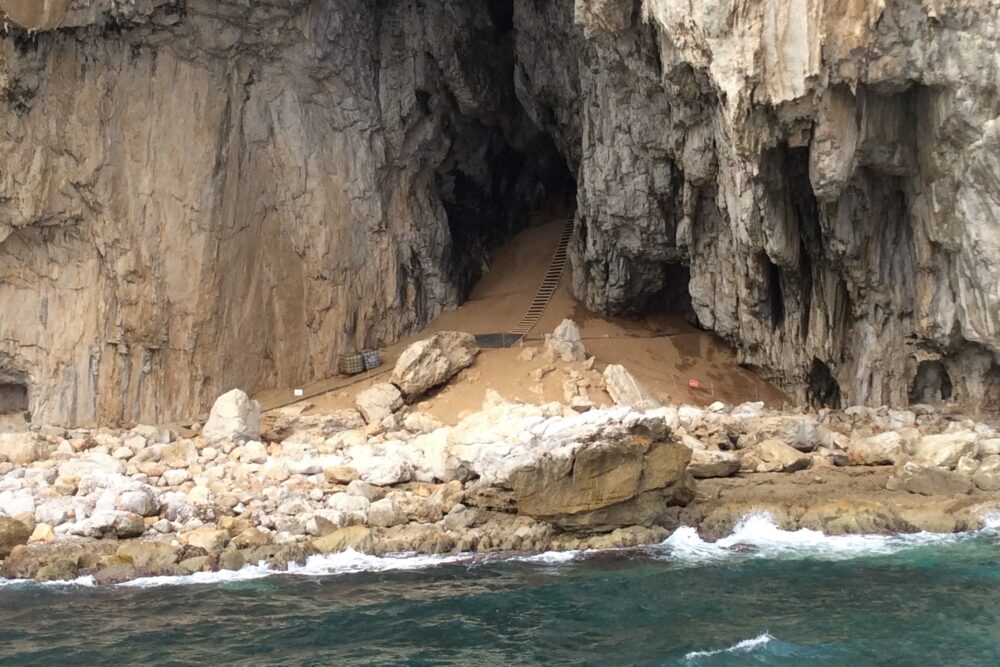
Researchers discovered the chamber blocked by sand and rock deep inside Vanguard Cave. Once cleared, they found an interior that had not been disturbed since the late Ice Age.
That isolation matters because most archaeological sites are mixed or altered by later activity. Here, the floor, walls, and deposits remained largely intact, preserving subtle details that can reveal how Neanderthals used the space.
2. Bone and shell clues that hint at everyday survival

Inside and near the chamber, archaeologists identified animal bones and large marine shells that appear to have been carried in intentionally.
These finds help reconstruct diet and behavior. They suggest Neanderthals exploited both land animals and coastal resources, transporting food into the cave rather than consuming it only at the shoreline.
3. A site already central to Neanderthal research

Vanguard Cave is part of the Gorham’s Cave Complex, one of the most important Neanderthal sites in Europe and a focal point of research for decades. Excavations across the complex have revealed stone tools, hearths, engravings, and evidence of long-term occupation.
That history gives the newly opened chamber added weight. It fits into a broader pattern of sustained use, reinforcing the idea that this coastline was not a marginal refuge, but a long-standing and well-understood home for Neanderthals.
4. Human remains point to real lives, not abstractions
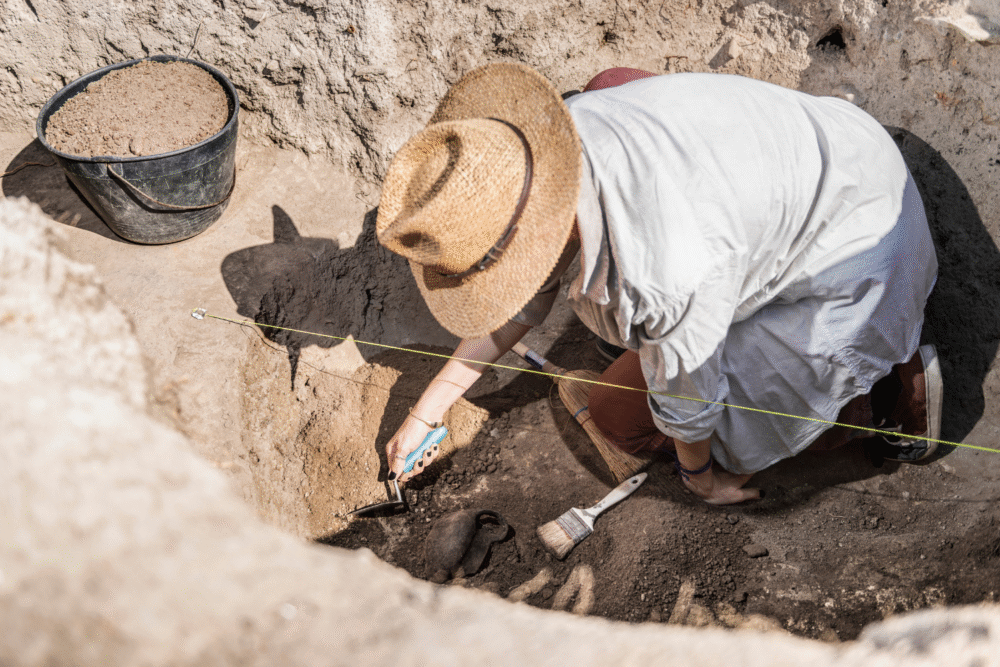
Earlier excavations nearby uncovered a Neanderthal child’s milk tooth, a reminder that families lived and died here.
Evidence also suggests predators interacted with human remains at times, highlighting the risks of life in this environment. These details ground the site in lived experience rather than abstract timelines.
5. Signs that symbolic behavior may not be off the table
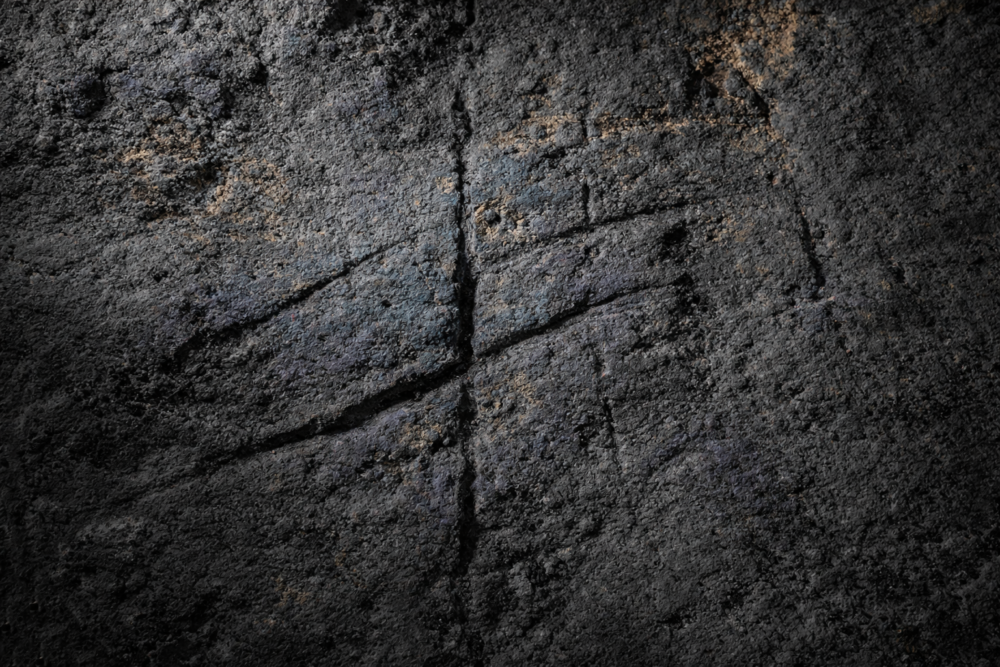
Elsewhere in the cave system, archaeologists have documented engravings carved deep into rock surfaces.
These markings challenge older views of Neanderthals as lacking symbolic thought. If similar traces are found in the sealed chamber, they could further reshape ideas about culture and expression among these populations.
6. Tools and stones suggest deliberate, repeated activity
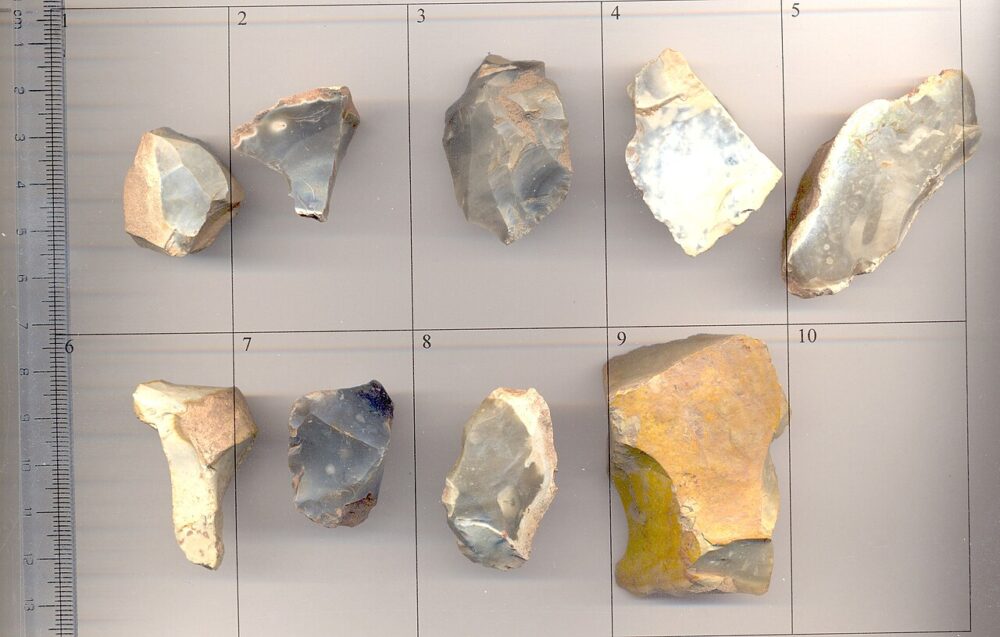
Preliminary examination of the chamber revealed stone fragments that appear to have been intentionally shaped or used. These include pieces consistent with cutting or processing tools rather than naturally broken rock.
Their presence indicates purposeful activity, not random accumulation. This was not a place Neanderthals passed through once. It was likely used repeatedly, perhaps for specific tasks tied to hunting, food preparation, or shelter.
The organization of material within the sealed space suggests planning and familiarity with the environment rather than opportunistic use.
7. Marine food found far from the shoreline

One striking discovery was a large whelk shell located deep inside the cave chamber.
Transporting marine food inland requires effort and foresight. This suggests Neanderthals planned their foraging and understood seasonal availability, challenging outdated assumptions that they relied only on nearby or easy resources.
8. A possible refuge for some of the last Neanderthals

Neanderthals disappeared from much of Europe around 40,000 years ago, but evidence suggests they survived longer in southern regions.
This chamber may represent one of those final refuges, offering clues about how small groups adapted as climates shifted and populations declined elsewhere.
9. A landscape very different from today

When Neanderthals occupied the cave, the coastline lay farther out, and the surrounding environment offered different resources.
Understanding that changing geography is essential for interpreting what the artifacts mean. What looks remote today may once have been a central, resource-rich location.
10. Exceptional preservation creates a rare time capsule

Because the chamber was sealed by sediment, delicate materials had a better chance of surviving than at open sites.
This kind of preservation allows researchers to study context, not just objects. It helps reconstruct how items were used and arranged, providing insights that scattered artifacts alone cannot offer.
11. The discovery adds to a growing rethinking of Neanderthals

Over the past few decades, discoveries have steadily challenged the idea of Neanderthals as simple or unsophisticated.
This sealed chamber adds to that shift by showing organization, planning, and adaptability. Each new layer of evidence makes their story more complex and more human than once assumed.
12. What archaeologists will focus on next
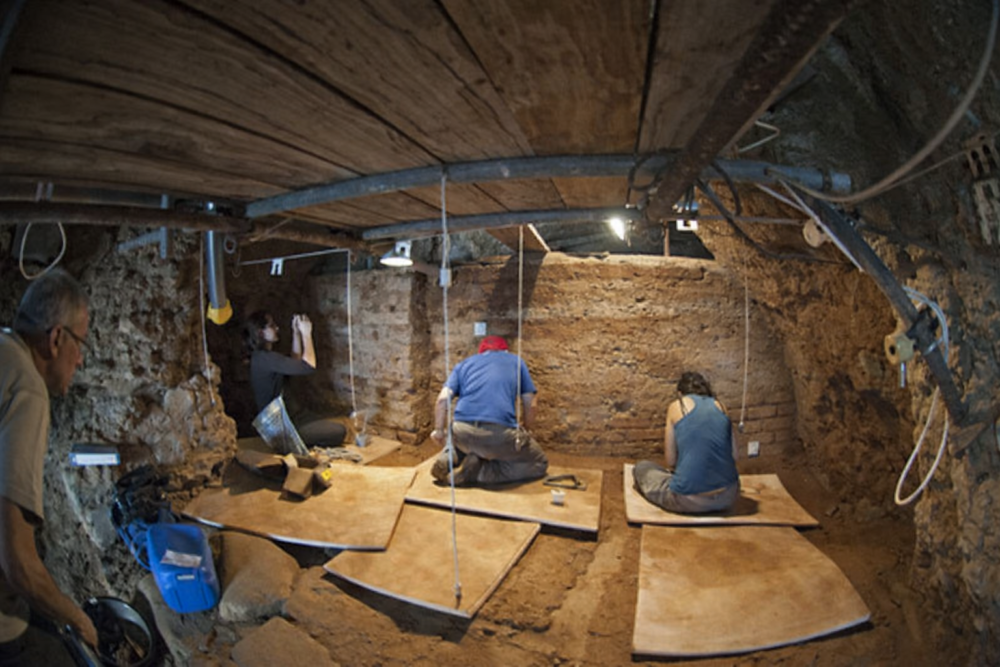
Excavation of the chamber is expected to continue slowly over several seasons. Researchers will carefully date materials, map artifact positions, and analyze sediments.
Future findings may reveal even more about daily routines, social behavior, and how Neanderthals responded to environmental change as their world narrowed.