
A lone gray wolf’s unexpected visit signals a new chapter in California’s wildlife recovery.
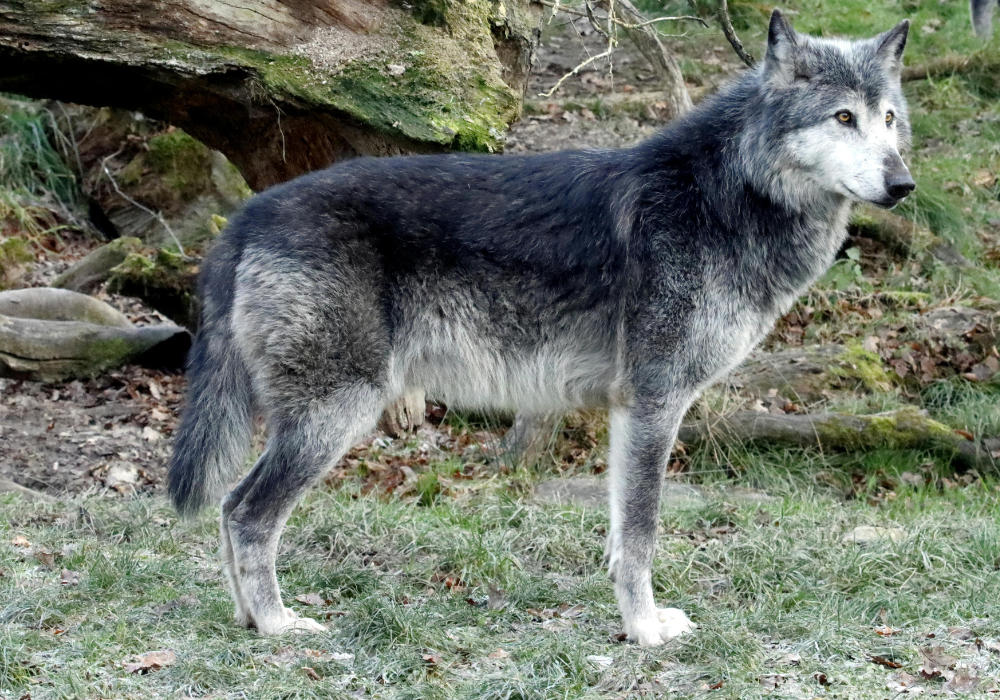
For more than 100 years, gray wolves were absent from Los Angeles County. Their disappearance was part of a broader pattern across the American West, where predators were hunted out of many regions.
That’s why a recent confirmed sighting of a gray wolf in the county is drawing so much attention. Wildlife officials say it marks the first documented appearance there in a century.
The moment isn’t just about one animal. It reflects decades of conservation work and hints at how wildlife corridors and protected populations are slowly reshaping the landscape.
1. Gray wolves once roamed much of California
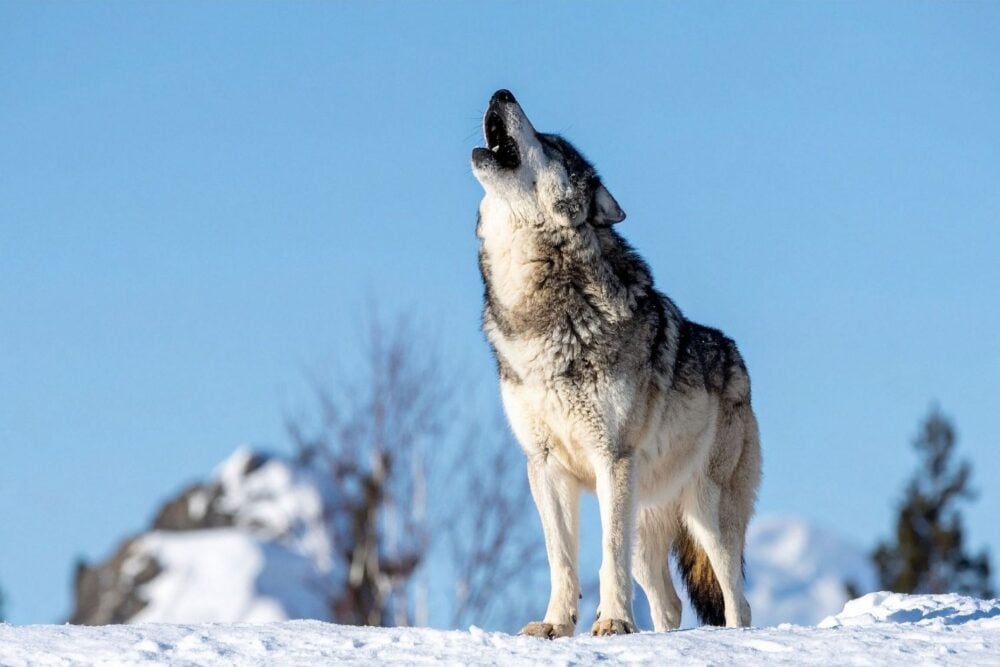
Before the early 20th century, gray wolves were native to nearly all of California, including coastal regions, mountains, and inland valleys. They were part of complex ecosystems where predators, prey, and plant life evolved together over thousands of years.
As settlement expanded westward, wolves were widely hunted, trapped, and poisoned. Ranching conflicts and predator control campaigns drove populations down rapidly. By the 1920s, gray wolves had effectively disappeared from California, ending a long ecological chapter.
2. A century passed without confirmed sightings in L.A. County

For roughly 100 years, Los Angeles County had no confirmed gray wolf presence. While occasional reports surfaced over the decades, none were supported by clear photographic or genetic evidence.
That long absence makes the recent verified sighting especially meaningful. It marks the first documented return in a century, closing a historical gap that spans multiple generations of residents who had never seen a wolf in the region.
3. The wolf likely traveled hundreds of miles
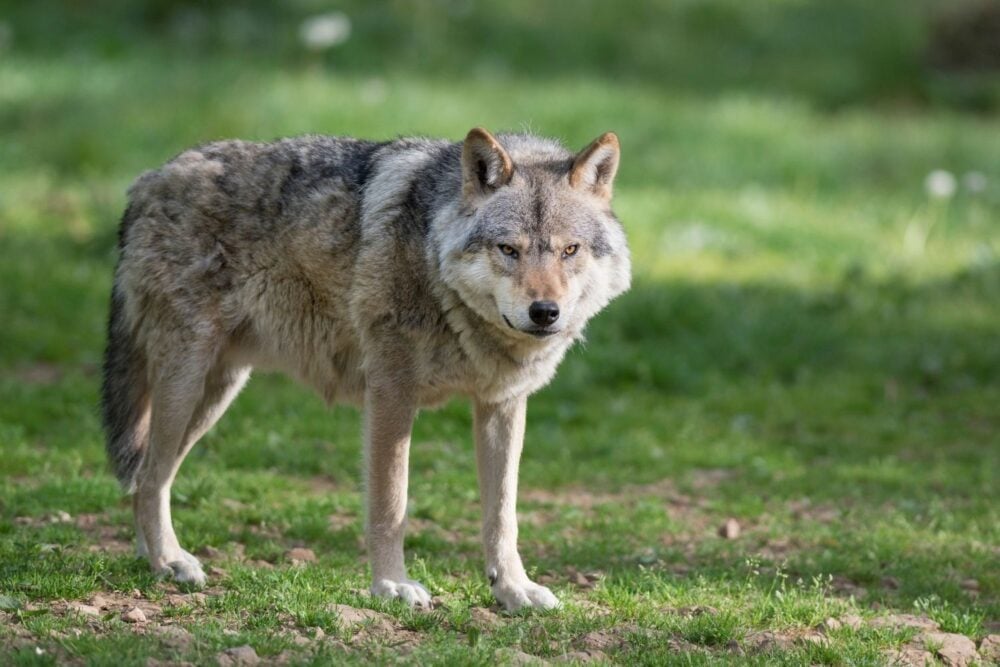
Gray wolves are capable of remarkable long-distance travel, particularly young males dispersing from their birth packs in search of new territory. Some have been recorded traveling several hundred miles across varied terrain.
Wildlife officials believe this individual likely migrated from a northern California pack or possibly from neighboring states. Such journeys highlight how connected landscapes allow wildlife to move beyond established recovery zones.
4. Cameras confirmed the wolf’s presence
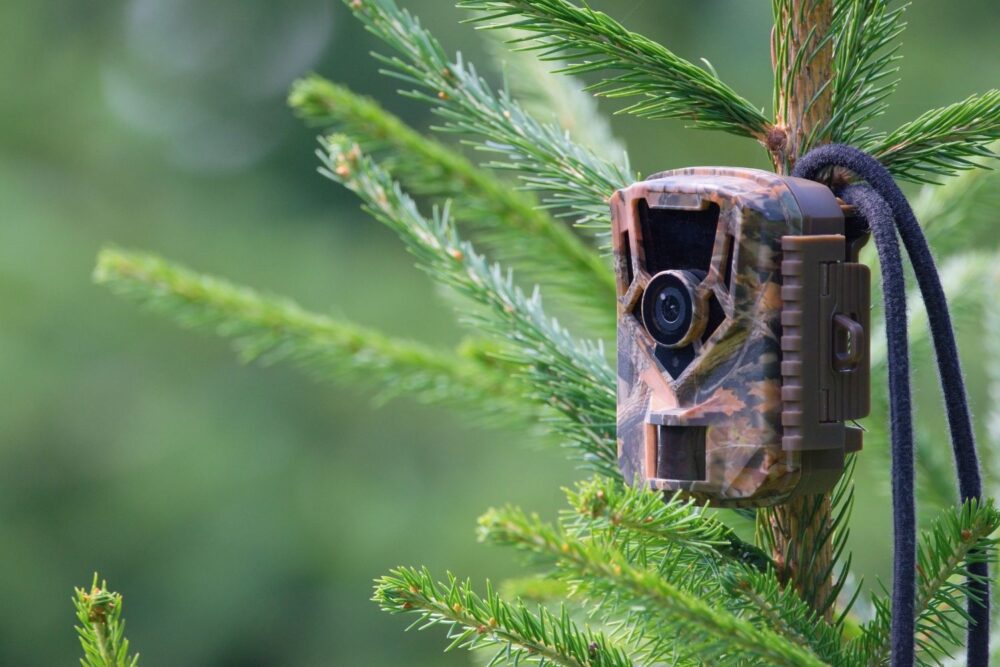
The sighting was confirmed through remote wildlife cameras, not eyewitness accounts alone. Clear photographic evidence allowed experts to positively identify the animal as a gray wolf rather than a coyote or large dog.
These camera networks are part of statewide monitoring programs designed to track wildlife movement. The images provide reliable documentation, helping researchers understand how and where recovering species are expanding.
5. Wolves have slowly been returning to California
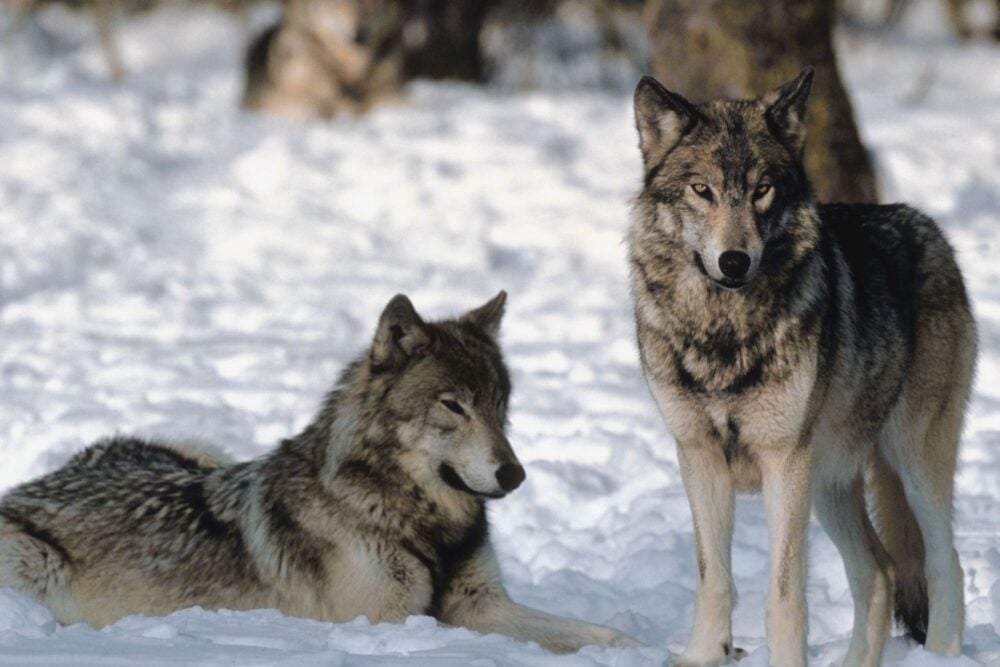
Gray wolves began naturally recolonizing northern California in the past decade after dispersing from established populations in Oregon. Since then, several packs have formed and reproduced within the state.
Their gradual return has been carefully monitored by wildlife agencies. Biologists track pack territories, reproduction rates, and interactions with livestock to manage both conservation goals and community concerns.
6. Dispersing wolves signal a growing population
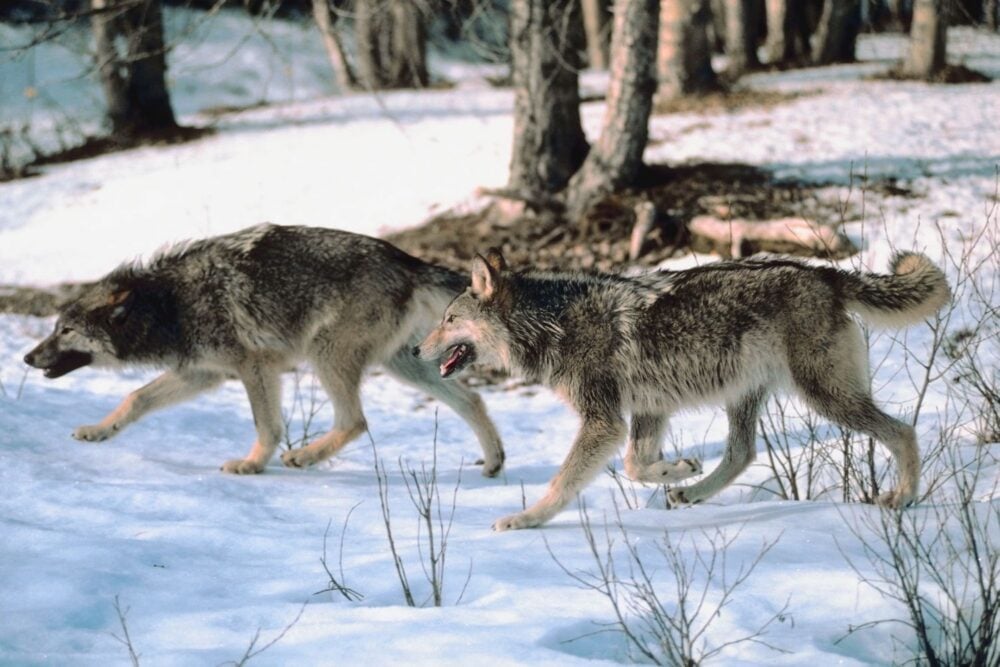
When wolves begin moving into new regions, it often reflects healthy population growth in their home range. Young wolves typically leave their birth packs to avoid inbreeding and seek new territory.
This natural dispersal behavior suggests that established packs are stable enough to produce surplus members. Expansion into new counties can therefore indicate long-term recovery rather than a random, isolated event.
7. Southern California hasn’t seen this in generations
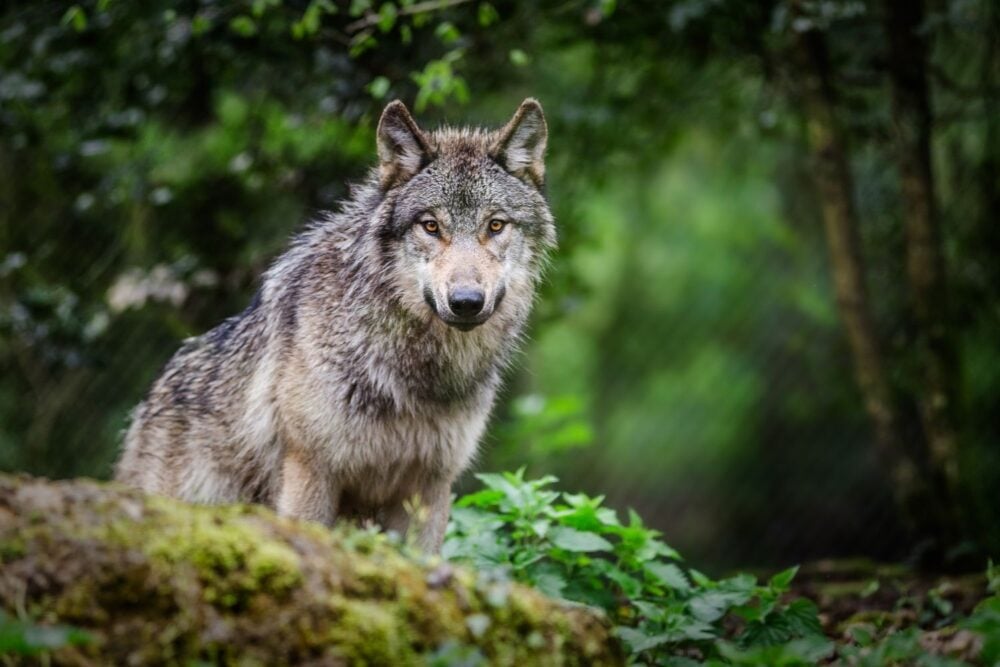
Los Angeles County is one of the most densely populated regions in the country, filled with highways, suburbs, and urban development. Seeing a gray wolf in this landscape is something most residents never expected in their lifetime.
That makes the sighting feel almost symbolic. For generations, wolves were considered part of distant wilderness, not Southern California. Their brief return highlights how wildlife can move through even heavily developed areas when habitat corridors remain open.
8. Recovery has required decades of protection

The gray wolf’s reappearance didn’t happen overnight. Federal and state protections helped prevent further decline, while wildlife agencies developed long-term recovery plans and monitoring systems.
These protections reduced hunting pressures and encouraged natural recolonization from neighboring states. Recovery has also involved public education and conflict mitigation efforts, aimed at helping communities understand how to coexist with returning predators.
9. Wolves play a powerful ecological role
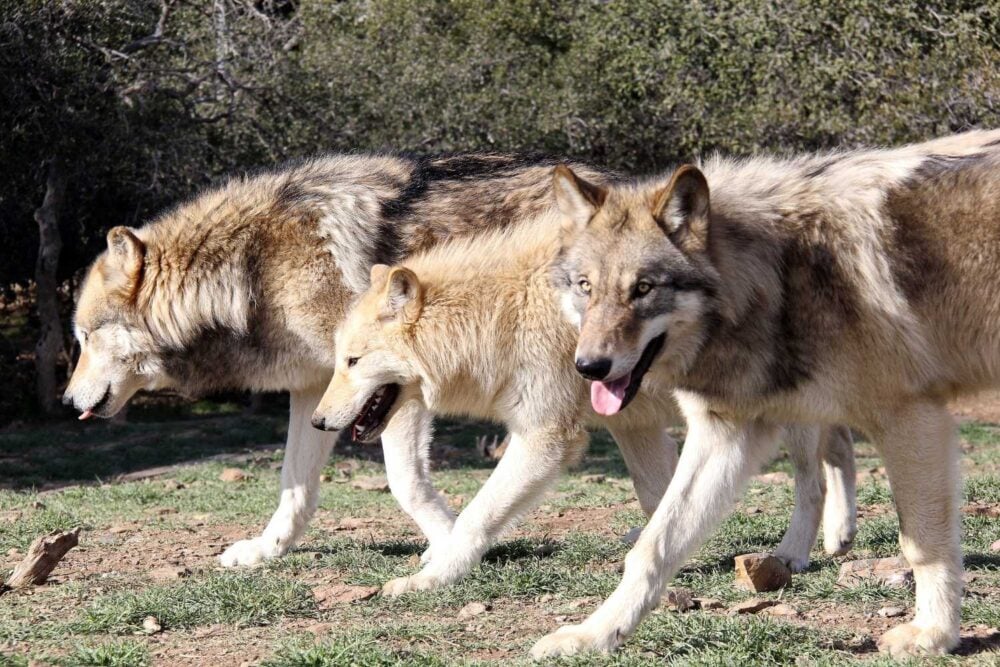
As apex predators, gray wolves influence entire ecosystems. By preying on deer and other herbivores, they help regulate population levels and alter grazing behavior.
This ripple effect can improve vegetation health and increase biodiversity. In other regions, wolf reintroduction has led to measurable changes in plant growth and habitat conditions, showing how one species can shape an entire landscape.
10. The sighting doesn’t mean wolves are fully restored
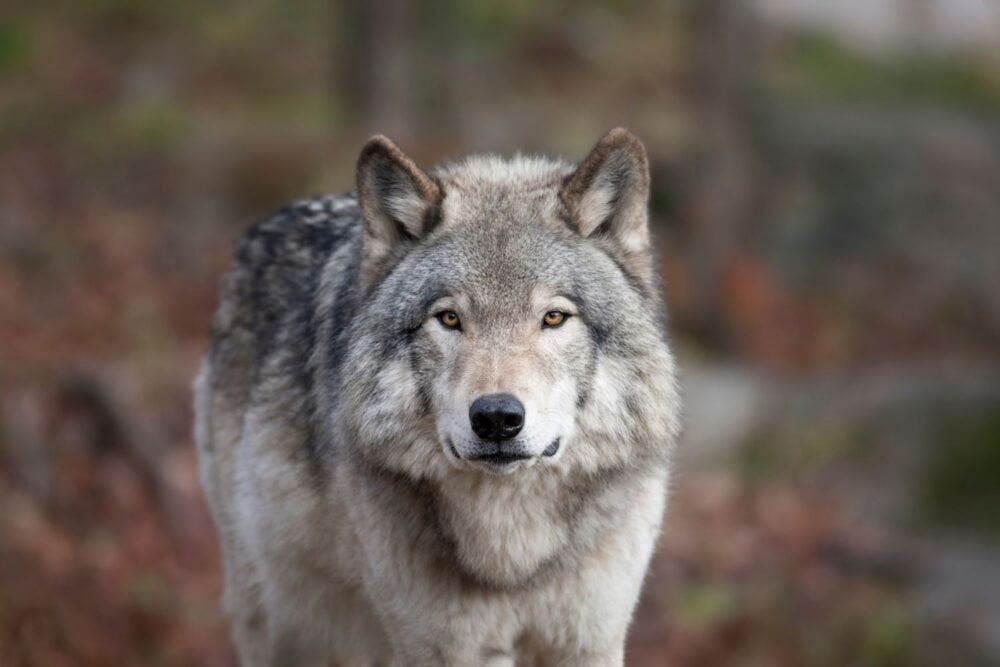
Wildlife officials caution that one wolf does not signal a permanent population in Southern California. Dispersing individuals often continue traveling, and establishing a pack requires multiple wolves settling and reproducing.
Still, even a temporary visit reflects broader population stability elsewhere. It shows that wolves are expanding their range naturally, something that would have seemed unlikely just a few decades ago.
11. A milestone in modern conservation history
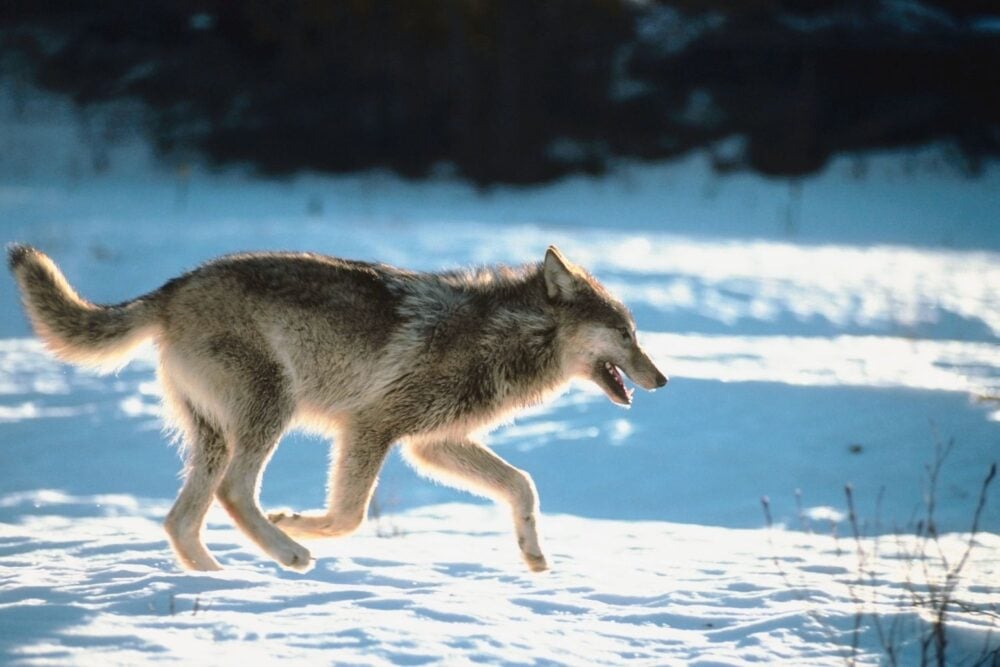
For conservationists, the confirmed appearance represents more than a rare wildlife sighting. It demonstrates that species once eliminated from large regions can return when conditions improve and protections remain in place.
The wolf’s journey into Los Angeles County marks a turning point in California’s ecological story. Whether or not this individual stays, its presence serves as a reminder that recovery is possible—and sometimes reaches places few expected.