
A cavern web in Europe, home to over 110,000 spiders, may be the largest ever recorded.
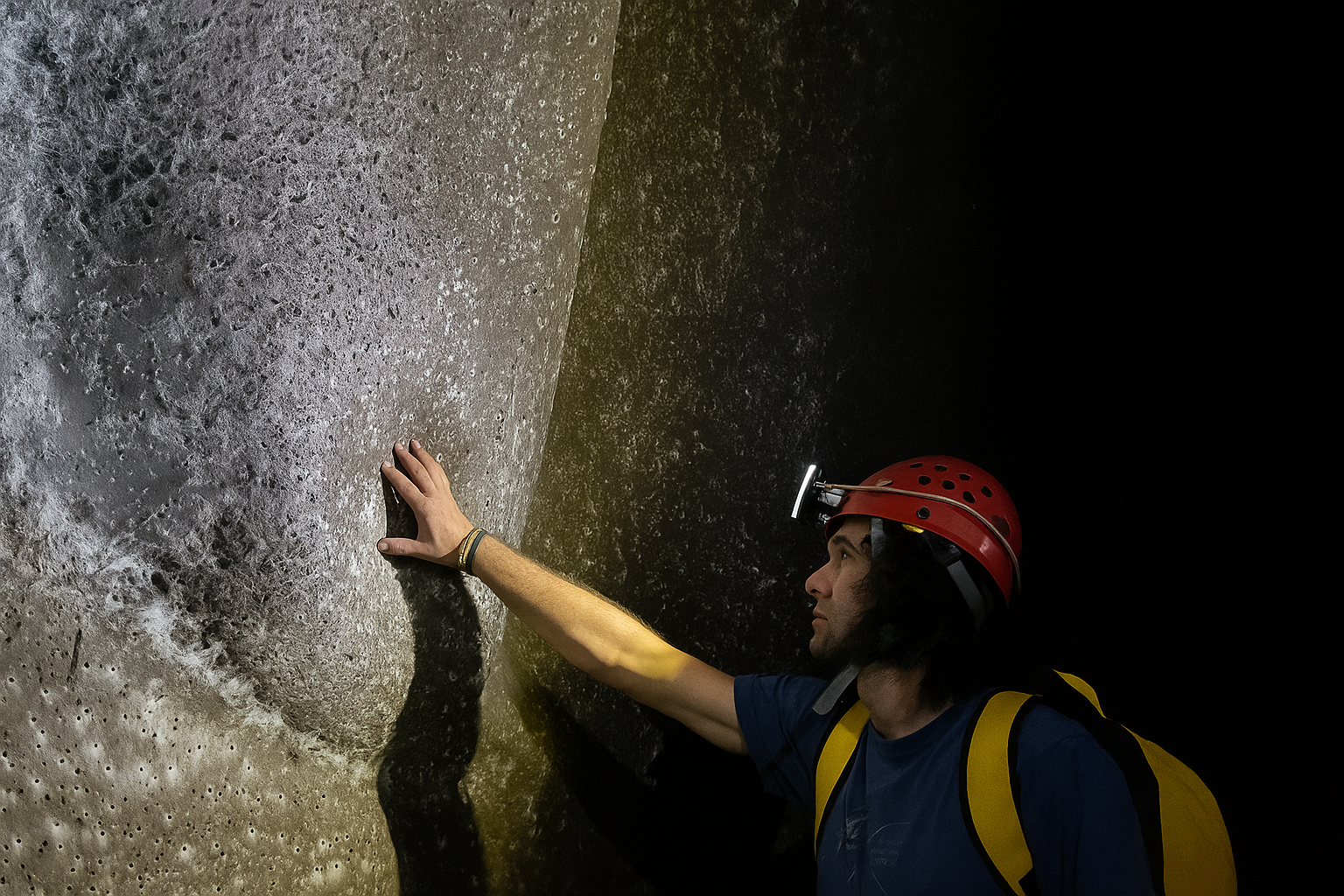
Deep within the Sulfur Cave on the Greece–Albania border, scientists discovered a vast network of funnel-shaped silk strands spanning more than 1,000 square feet and housing over 110,000 arachnids. Two spider species, commonly found above ground, now thrive in total darkness within the cave’s chambers. Genetic tests revealed they’ve evolved unique traits to survive underground—with one species acting as architect, the other as tenant. Researchers say the find highlights how much of Earth’s hidden ecosystems remain unexplored.
1. A Web Hidden Deep Beneath the Earth
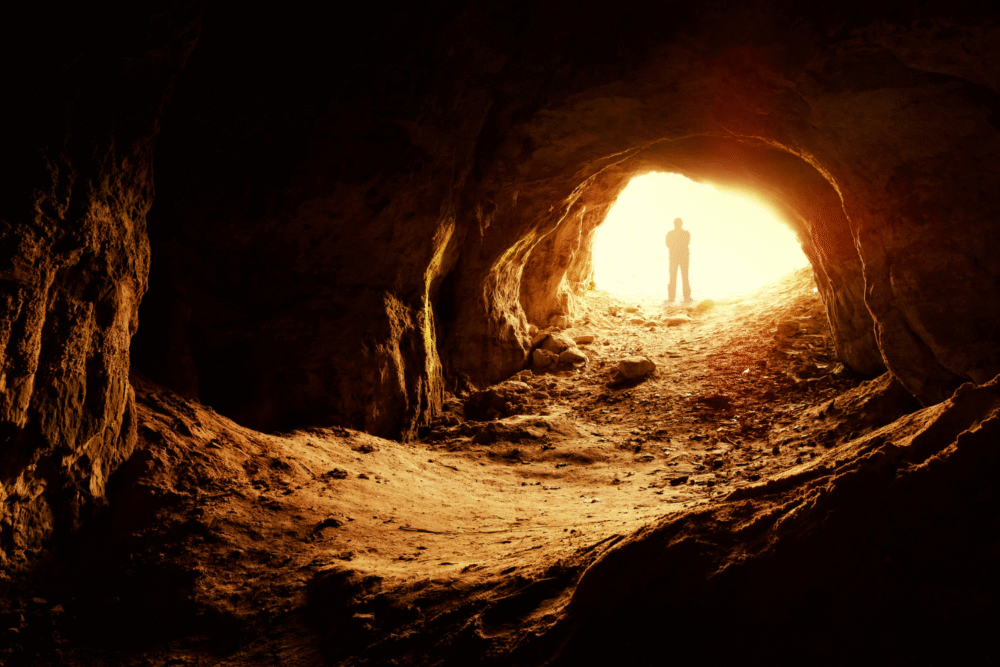
In a remote cave on the border between Greece and Albania, scientists stumbled upon an enormous spider web covering more than 1,000 square feet. The discovery was made inside the Sulfur Cave, a toxic environment filled with hydrogen sulfide gas. Despite the extreme conditions, the web thrived—an intricate, silvery lattice stretched across the cave walls.
Researchers were stunned to find that the web wasn’t the work of a single spider but an entire community. More than 110,000 spiders now live within this underground silk metropolis.
2. Two Species Sharing One Extraordinary Home
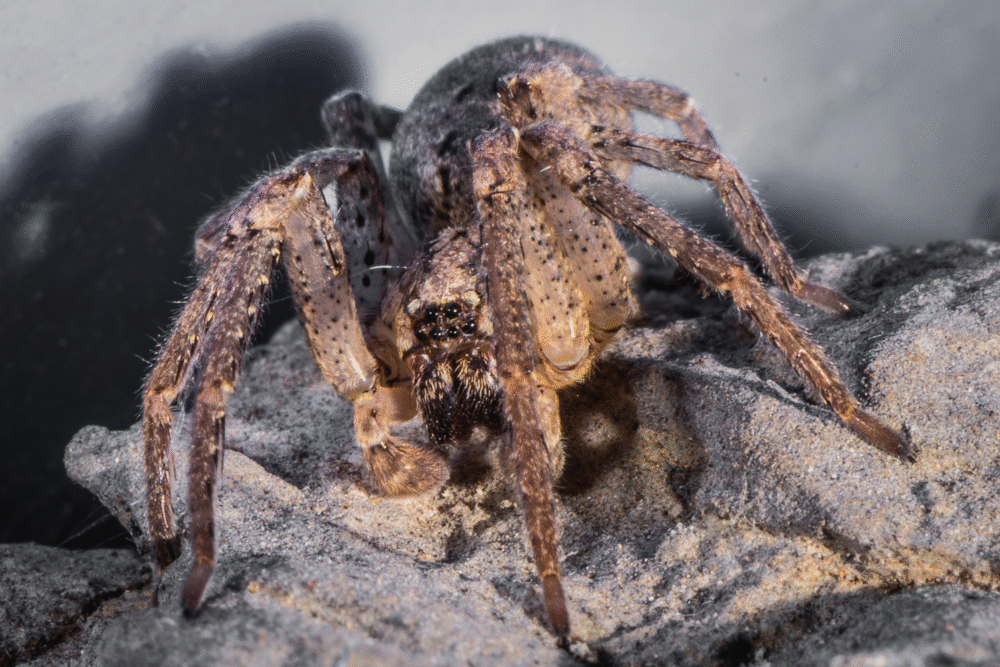
The cave’s web is co-inhabited by two species—Agelena labyrinthica and Tegenaria ferruginea. Normally, both species live separately above ground, spinning their own funnel-shaped webs. But in this strange cave environment, they’ve formed a shared ecosystem.
The larger Agelena spiders weave the massive web structure, while the smaller Tegenaria species move freely within it, catching smaller insects and scavenging remains. Scientists say this cooperation is highly unusual in the spider world, where competition, not collaboration, is the norm.
3. A World Without Sunlight or Fresh Air
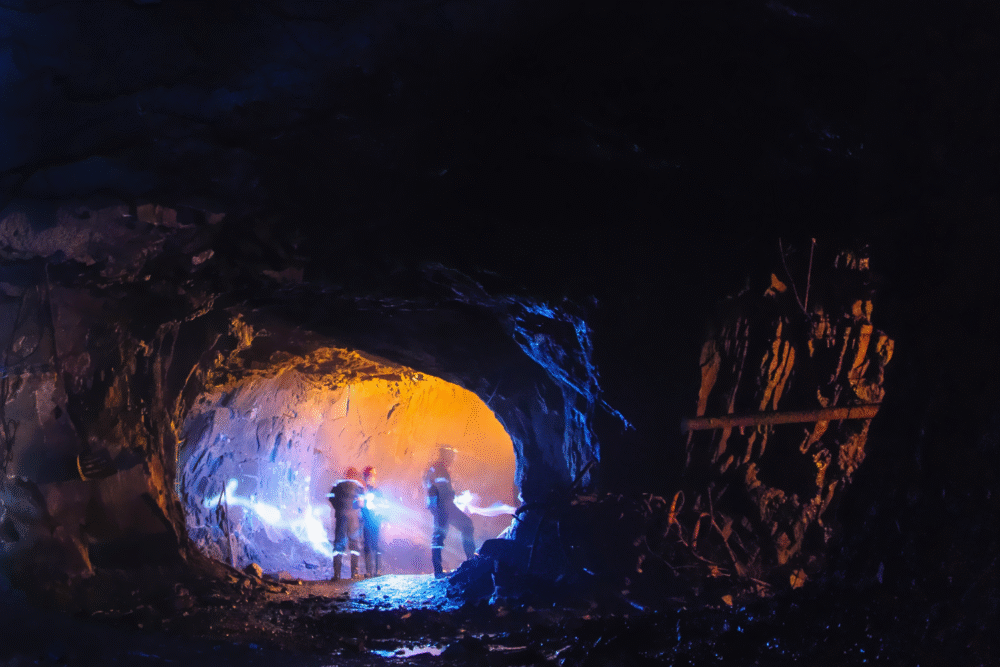
The Sulfur Cave is as hostile as it sounds. The air is thick with sulfur dioxide and hydrogen sulfide—gases lethal to most living creatures. The floor glistens with yellow mineral crystals, and temperatures fluctuate dramatically.
Yet somehow, this vast spider colony thrives here. The web’s placement near small cave openings allows limited airflow and a steady supply of insects. It’s a delicate balance between toxicity and survival, one that has created a truly unique underground ecosystem.
4. Scientists Stumbled Upon It by Accident
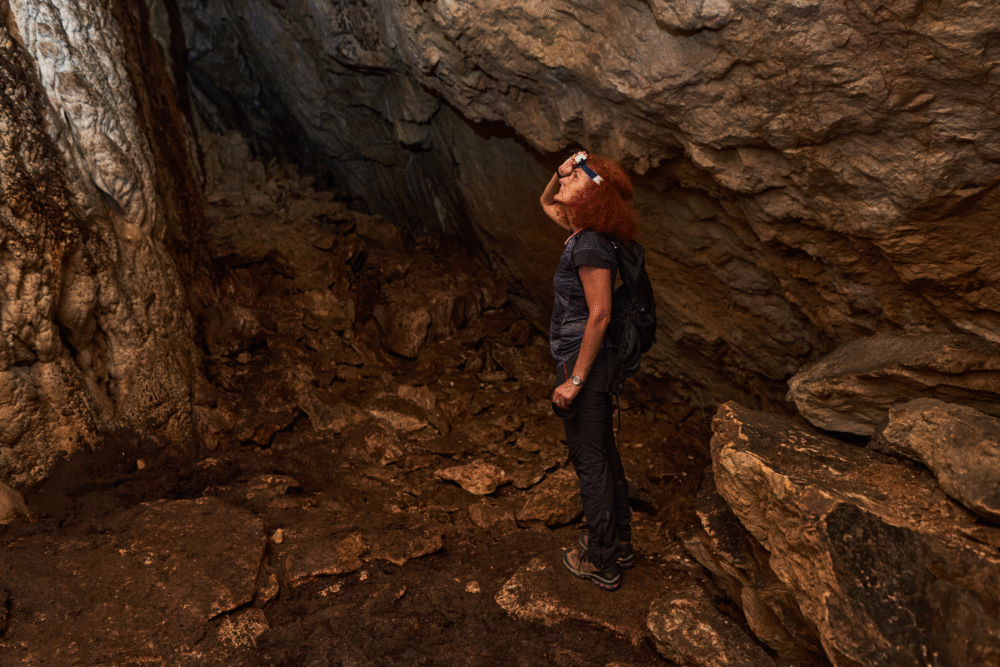
The discovery was made during a biological survey by researchers from the Hellenic Institute of Speleological Research and the University of Ioannina. They initially entered the cave to study microbial life, not arachnids.
When their flashlights illuminated the massive silk walls, they realized they had found something extraordinary. The web stretched across multiple chambers, layered with sheets and tunnels. Researchers described the sight as both “beautiful and unsettling”—a living architecture unlike anything seen before.
5. The Largest Spider Web Ever Documented
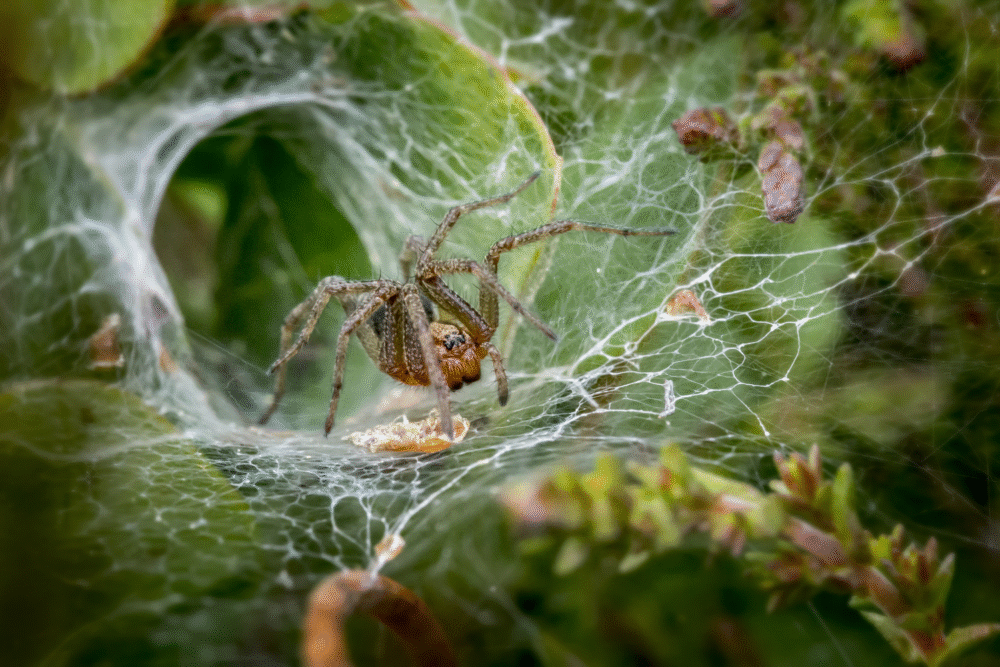
Although spiders have created communal webs in other parts of the world, none come close to the scale of this one. At over 1,000 square feet, the Sulfur Cave web could be the largest ever recorded.
For comparison, most spider webs measure only a few feet across. The Guinness World Record for the largest known communal web—previously held by spiders in Texas—is dwarfed by this newly discovered European giant. Scientists are now working to confirm its exact dimensions through 3D mapping.
6. A Perfect Example of Evolution in Action
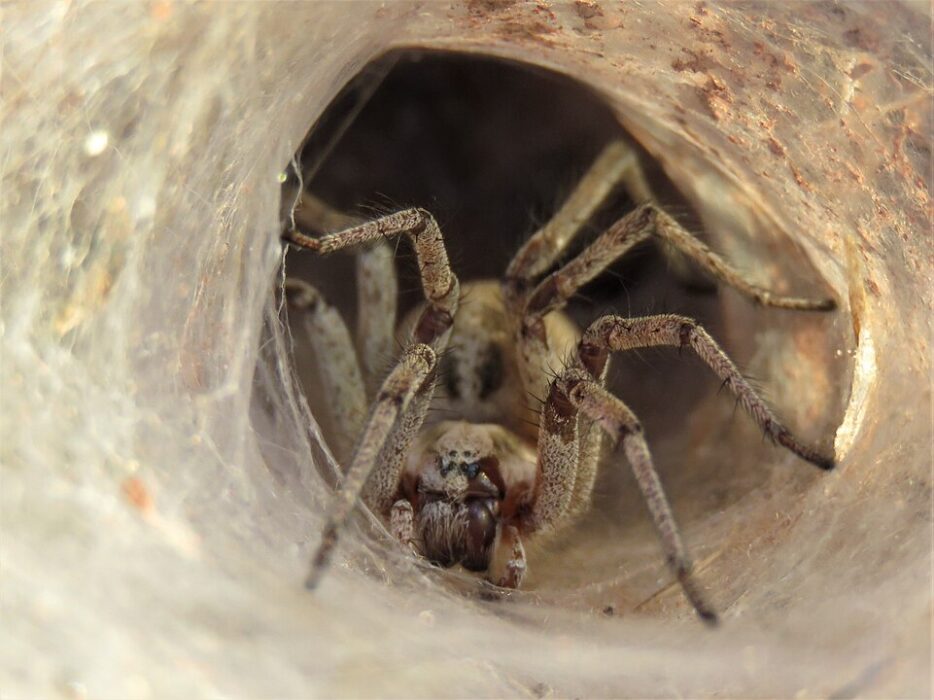
Genetic testing shows the cave’s spider populations are diverging from their surface relatives. Over generations, they’ve adapted to darkness, high humidity, and scarce food sources. Some individuals even show lighter pigmentation and longer legs, traits typical of cave-dwelling creatures.
Researchers believe they’re witnessing early stages of speciation—the process by which a new species evolves. In essence, these spiders may be evolving right before our eyes, changing shape and behavior to survive in one of Earth’s harshest habitats.
7. The Web’s Architecture Is Surprisingly Complex
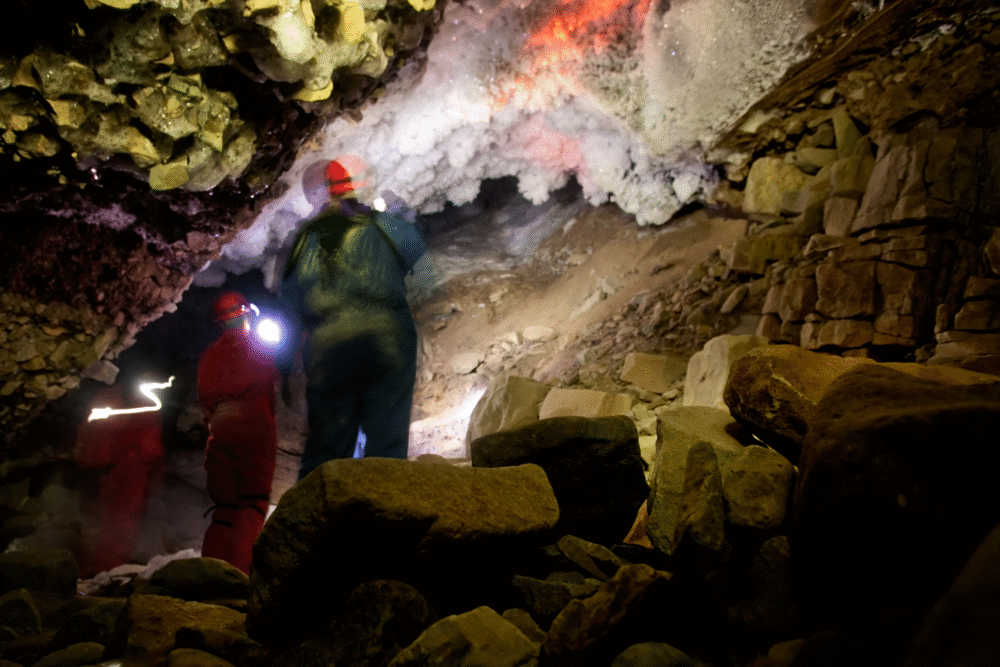
Far from being a chaotic tangle, the Sulfur Cave web is an engineered masterpiece. Layers of funnel-shaped tunnels interconnect across chambers, forming bridges, shelters, and hunting zones. The design maximizes space while keeping vibrations—spiders’ main form of communication—highly sensitive and efficient.
Each spider plays a role within the structure, from web repair to prey detection. This organization hints at a degree of communal coordination that’s rarely observed in solitary species. The web itself functions almost like a living city.
8. Toxic Gases Help Keep Predators Away
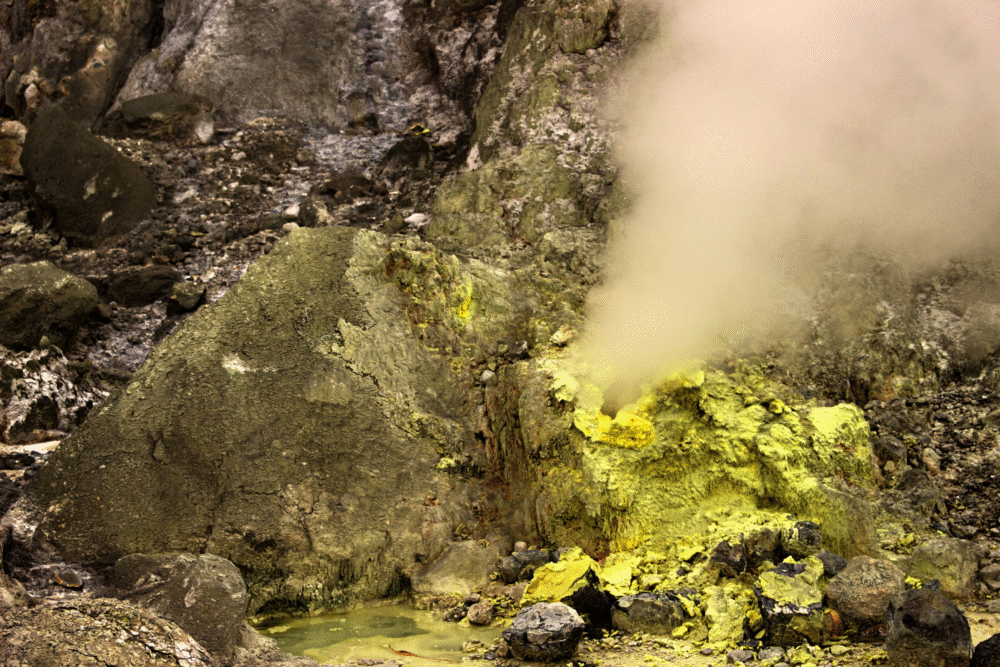
Most creatures can’t survive long in the cave’s sulfur-rich air, which gives the spiders a major evolutionary advantage. Few natural predators can tolerate the conditions, allowing the colony to grow unchecked.
The chemical environment may also discourage parasites that usually prey on spider eggs and larvae. Scientists think this “natural defense system” might be one reason the colony reached such astonishing numbers—over 110,000 individuals living undisturbed in their toxic fortress.
9. A Glimpse Into Hidden Underground Ecosystems
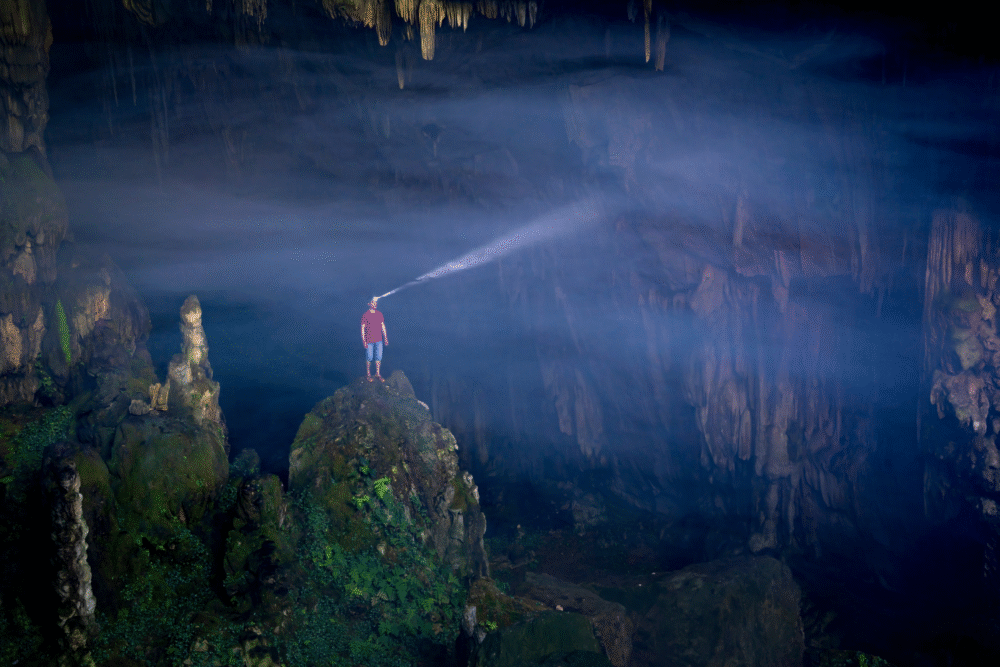
The discovery highlights how little we know about subterranean life. Caves like Sulfur Cave are difficult to access and often overlooked in biological research. Yet they may hold the key to understanding how life evolves in extreme environments.
Studying these spiders could reveal how organisms adapt to darkness, isolation, and toxic air—conditions similar to those found in deep-sea vents or even extraterrestrial worlds. The Sulfur Cave may be Earth’s own natural laboratory for evolutionary resilience.
10. The Mystery Still Unfolds
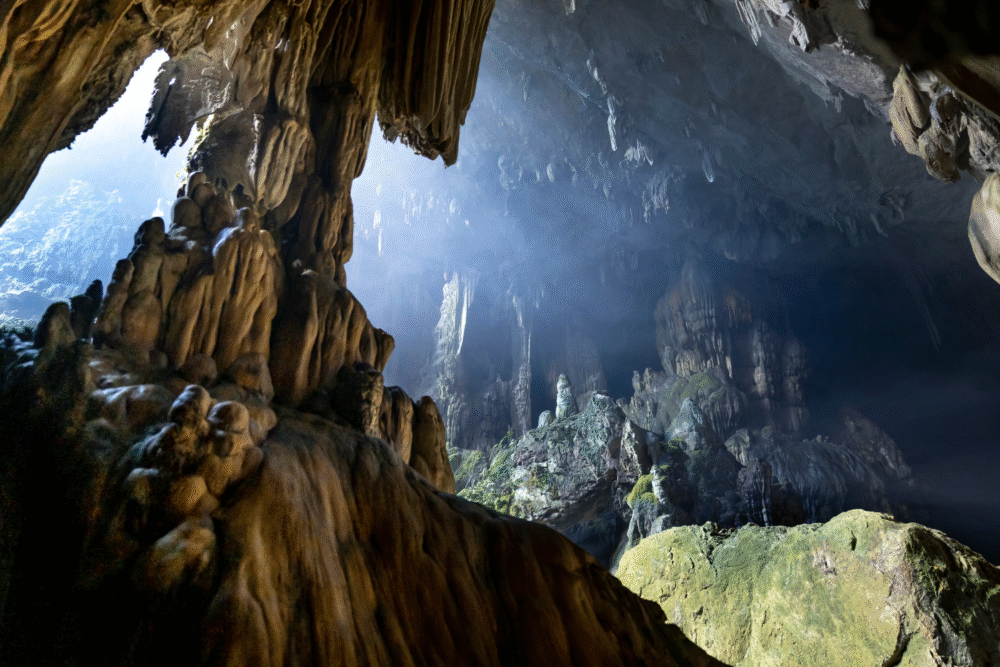
Researchers continue to study the massive web and its inhabitants, collecting data on the spiders’ genetics, diet, and web maintenance behavior. They’re also analyzing the cave’s unique atmosphere to understand how the colony sustains itself over time.
The Sulfur Cave discovery reminds scientists—and the public—that nature’s most astonishing feats often happen out of sight. Hidden beneath the Earth’s surface, in a deadly cave filled with poison gas, evolution has quietly built one of the largest and most complex spider communities ever known.