
Scientists say a deep underground heat anomaly is slowly shifting beneath the eastern United States.

When headlines talk about a “giant hot blob” moving toward New York City, it’s easy to imagine something dramatic or dangerous. In reality, the discovery comes from careful geological research led by geophysicist Thorsten Becker and his colleagues at the University of Texas at Austin, published in the journal Geology.
Using seismic data from earthquakes around the world, the team identified a massive zone of unusually warm rock deep beneath the eastern United States that appears to be slowly migrating under the Appalachian region. This feature, known as the Northern Appalachian Anomaly, moves at a pace measured in millions of years and sits far below anything humans could ever interact with directly.
It poses no threat to cities or people. Instead, it offers scientists a rare glimpse into how heat moves through Earth’s interior long after continents split apart, and why ancient mountain ranges like the Appalachians still look the way they do today.
Click through to learn what this “anomaly” really is.
1. The “hot blob” is deep underground and not molten lava
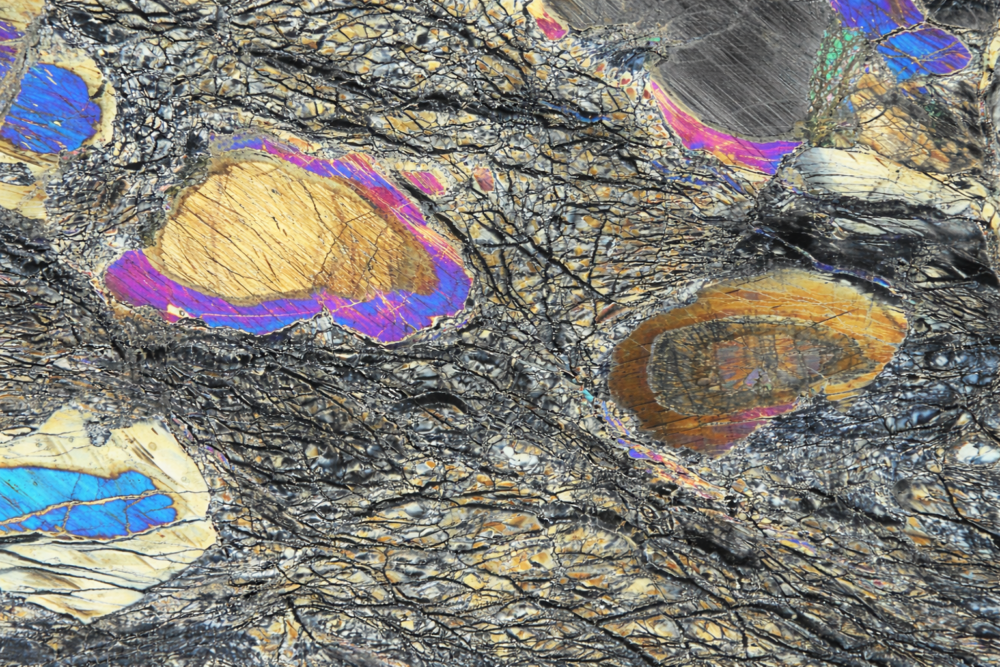
Despite how it sounds, the hot blob is not a pool of molten magma moving beneath cities. Scientists describe it as a region of mantle rock that is warmer than its surroundings but still solid because of the immense pressure at that depth. It exists more than 100 miles below the surface, far beneath Earth’s crust.
The word “blob” is simply a shorthand way to describe a temperature anomaly, not a physical object you could ever see or touch. Understanding that distinction helps explain why this discovery is scientifically interesting rather than alarming.
2. Scientists call it the Northern Appalachian Anomaly
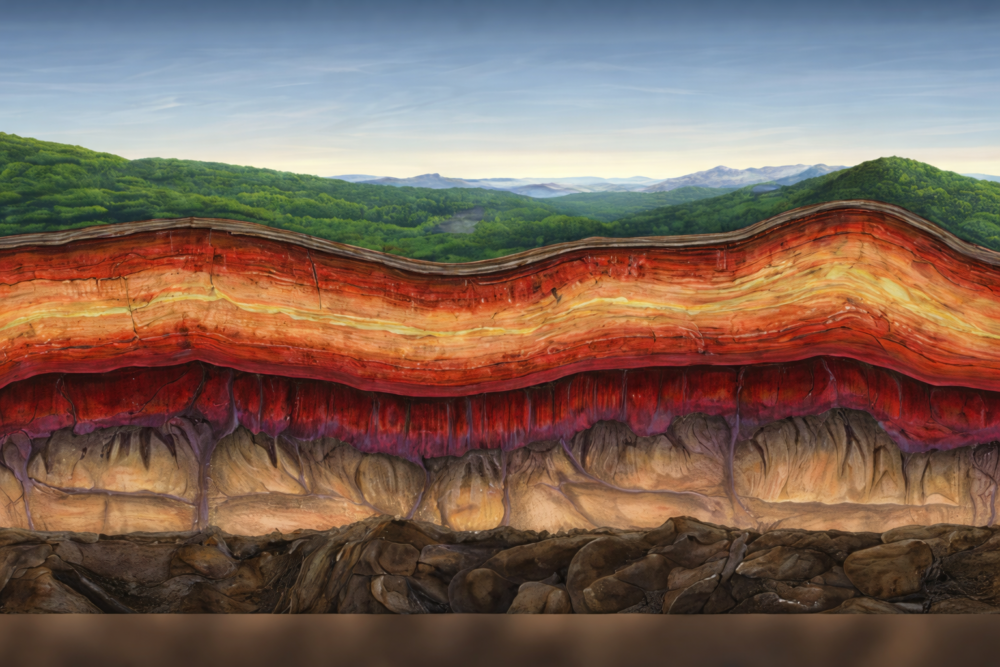
Researchers refer to this feature as the Northern Appalachian Anomaly, or NAA. It was identified by studying how seismic waves from distant earthquakes travel through Earth’s interior. When those waves pass through hotter rock, they slow down slightly, creating a detectable signal.
By analyzing thousands of seismic readings, scientists can build a detailed picture of what’s happening deep underground. This method allows researchers to study regions of the planet that would otherwise be completely inaccessible.
Follow us and access great exclusive content every day
3. It appears to be slowly migrating toward New York City
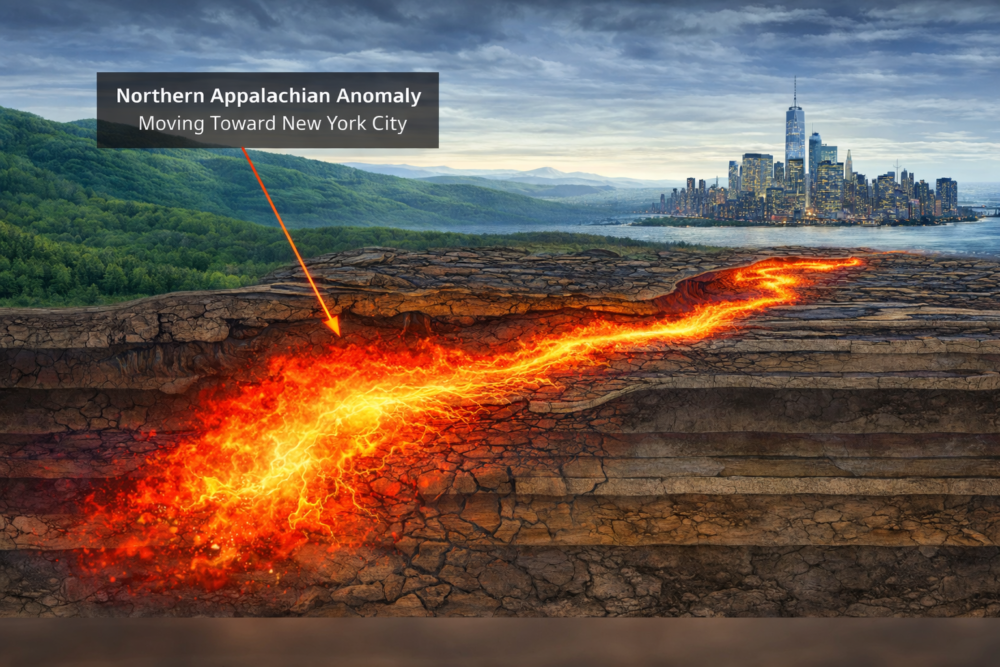
The research suggests the anomaly is gradually shifting beneath the Appalachian Mountains and toward the New York region. This movement happens at a rate so slow that it can only be detected through long-term geological modeling.
We’re talking about changes that unfold over tens of millions of years, not something that happens within a human lifetime. Scientists stress that this movement will never be noticeable at the surface.
4. The anomaly may be a leftover from ancient continental breakup
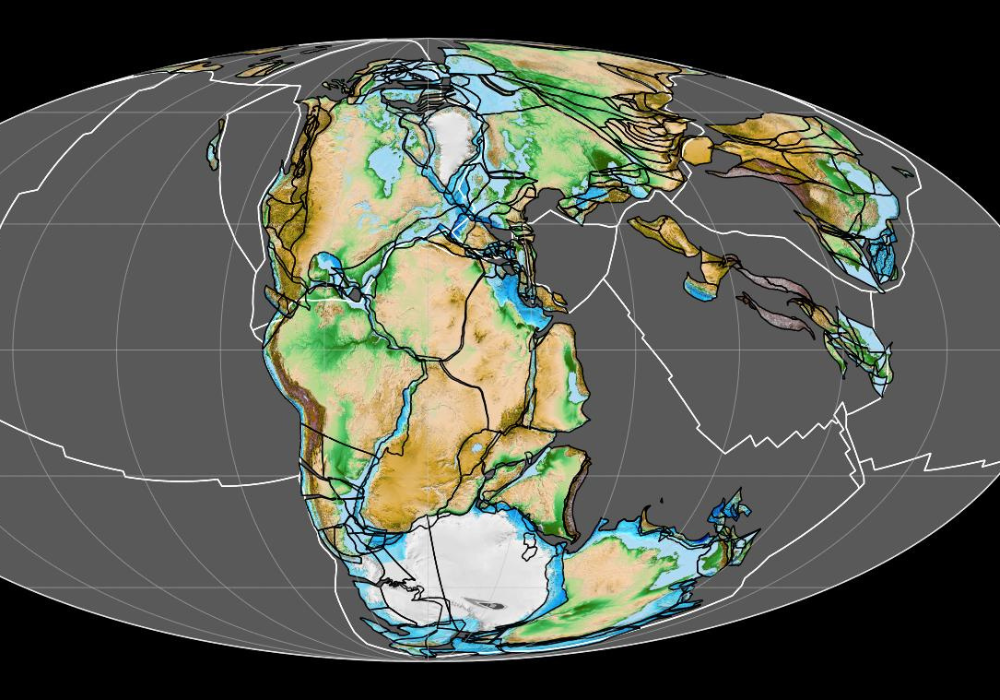
One leading explanation is that the anomaly is a remnant from the breakup of the supercontinent Pangaea roughly 200 million years ago. When continents began to pull apart, deep mantle material may have been disturbed and set into slow motion. That ancient event could have created long-lasting heat structures that still exist today.
The Northern Appalachian Anomaly may be one of those leftovers. If so, it means Earth’s interior still carries fingerprints of events that happened hundreds of millions of years ago.
5. A new theory suggests the mantle behaves more like waves

Traditionally, scientists viewed Earth’s mantle as moving mostly up and down through convection. This research supports a newer idea that heat can also travel sideways in slow, wave-like motions.
These “mantle waves” could transport hot material across large distances beneath continents. The Northern Appalachian Anomaly fits this pattern surprisingly well.
If confirmed, this would change how scientists think about heat flow inside the planet. It suggests Earth’s interior is more dynamic and interconnected than previously believed.
Follow us and access great exclusive content every day
6. This helps explain why the Appalachians still stand today

The Appalachian Mountains are among the oldest mountain ranges on Earth, yet they remain elevated compared to surrounding land. Scientists have long wondered why erosion hasn’t flattened them completely.
Heat anomalies like this one may help explain why. Warmer mantle rock can weaken the crust from below, making it more buoyant over long periods. That subtle support could help ancient mountains persist far longer than expected.
7. There is no risk to people living above it

Researchers are very clear that this discovery poses no danger to cities or residents. The anomaly is too deep to trigger volcanic activity or earthquakes. It moves far too slowly to cause sudden changes of any kind. Nothing about this process affects buildings, infrastructure, or daily life.
Its importance is scientific, offering insight into how the planet works beneath our feet rather than signaling any kind of threat.
8. Earthquakes made this discovery possible
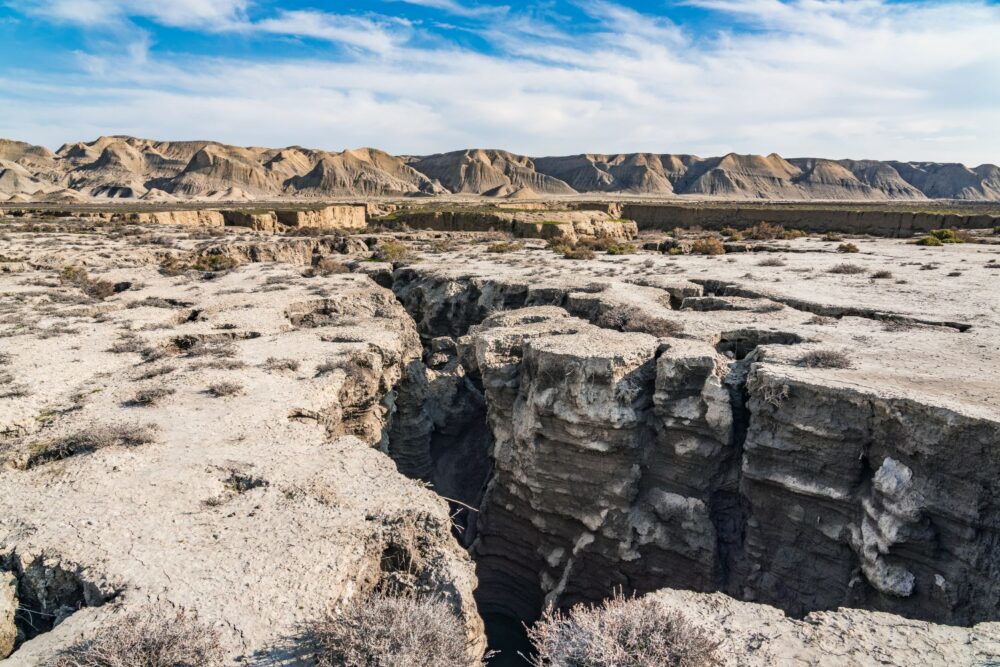
The anomaly was detected by studying seismic waves generated by earthquakes around the globe. As these waves travel through Earth, they behave differently depending on the temperature and composition of the rock they pass through.
By comparing wave speeds across large regions, scientists can infer where hotter or cooler zones exist. This technique is similar to how doctors use imaging to see inside the human body. It allows researchers to study Earth’s interior without drilling a single hole.
Follow us and access great exclusive content every day
9. The finding challenges older ideas about stable continents

For many years, scientists assumed that once continents formed, their interiors became relatively stable. Discoveries like this suggest that assumption may be incomplete.
Even far from tectonic plate boundaries, continents can still be shaped by deep mantle processes. Heat and slow movement continue to influence them long after surface activity quiets down.
This finding adds nuance to how geologists understand continental evolution. It shows that stability at the surface doesn’t always mean inactivity below.
10. Similar hidden features may exist beneath other continents

Researchers suspect the Northern Appalachian Anomaly is not unique. Other continents that experienced ancient breakups may host similar hidden heat structures. As seismic imaging techniques improve, scientists expect to find more of these anomalies around the world.
Each discovery could help explain puzzling features like lingering mountains or unusual crustal behavior. Together, they may reveal global patterns in how Earth’s interior evolves over time.
11. What this discovery says about Earth’s long-term evolution

In the end, this “hot blob” isn’t really about New York City at all. It’s about understanding how Earth works on timescales far beyond human experience. The research shows that processes set in motion hundreds of millions of years ago are still unfolding today.
By studying these slow, invisible movements, scientists gain insight into Earth’s past and clues about its future. It’s a reminder that even the most stable-looking parts of the planet are shaped by forces deep below the surface.