
NASA confirms the massive space rock will make a close but safe pass by our planet.

NASA is closely tracking a skyscraper-sized asteroid as it makes a close approach to Earth. The massive space rock, which spans hundreds of feet, is expected to pass safely at a distance far greater than the Moon. While there is no danger of impact, scientists say events like this highlight the importance of monitoring near-Earth objects. These encounters serve as reminders of the constant activity happening in our solar system.
1. The Asteroid Is Roughly the Size of a Skyscraper

NASA estimates this asteroid measures several hundred feet across, making it comparable in height to some of the tallest buildings in major cities. Objects of this scale are capable of causing significant regional damage if they were ever to collide with Earth.
Fortunately, NASA confirms this asteroid poses no threat during its current flyby. Even so, its enormous size draws attention to the potential risks posed by large near-Earth objects. Tracking such bodies is crucial to understanding their behavior and preparing for any future scenarios that might involve closer approaches.
2. It Will Pass at a Safe Distance

Although headlines often make asteroid flybys sound alarming, this one is considered safe by NASA’s standards. The asteroid will pass at a distance many times farther away than the Moon is from Earth, eliminating any chance of collision. Scientists classify this type of encounter as a “close approach,” but the term is relative in space terms.
Still, astronomers seize the opportunity to gather data whenever a large asteroid swings by. Even safe passes allow scientists to refine trajectory models, measure surface properties, and better understand how asteroids move through the solar system over time.
3. NASA Uses Advanced Tracking Systems

NASA relies on powerful telescopes and radar systems to monitor near-Earth objects. These technologies allow scientists to calculate orbits with remarkable precision and predict future movements. The agency’s Planetary Defense Coordination Office oversees efforts to track and analyze asteroids that come within a certain range of our planet.
This tracking network has identified thousands of asteroids of varying sizes, with more being added to the catalog each year. By monitoring this traffic, scientists can provide early warnings if any object’s orbit shifts in a way that could eventually pose a risk to Earth.
4. Large Asteroids Are Rare but Significant

Smaller asteroids pass near Earth fairly often, sometimes even burning up in our atmosphere unnoticed. But large ones like this skyscraper-sized asteroid are far less common. Encounters of this scale are significant because of the damage they could cause if trajectories ever changed.
Scientists believe impacts from asteroids of this size occur only once every several thousand years. While the odds are low, the potential consequences are serious enough to justify ongoing monitoring. Events like this remind us of Earth’s vulnerability and the importance of investing in planetary defense research and technology.
5. Near-Earth Objects Are Constantly Monitored

NASA defines near-Earth objects, or NEOs, as asteroids and comets that come within 1.3 astronomical units of the Sun. Thousands of these objects are currently being tracked. The data help scientists understand their paths and predict potential interactions with Earth in the future.
This latest asteroid is just one of many flybys occurring each year. Although most pose no danger, careful monitoring is essential. Each observation refines our understanding of orbital patterns, helps anticipate shifts, and ensures that even low-risk objects are not ignored in case conditions change.
6. Past Impacts Have Shaped Earth’s History
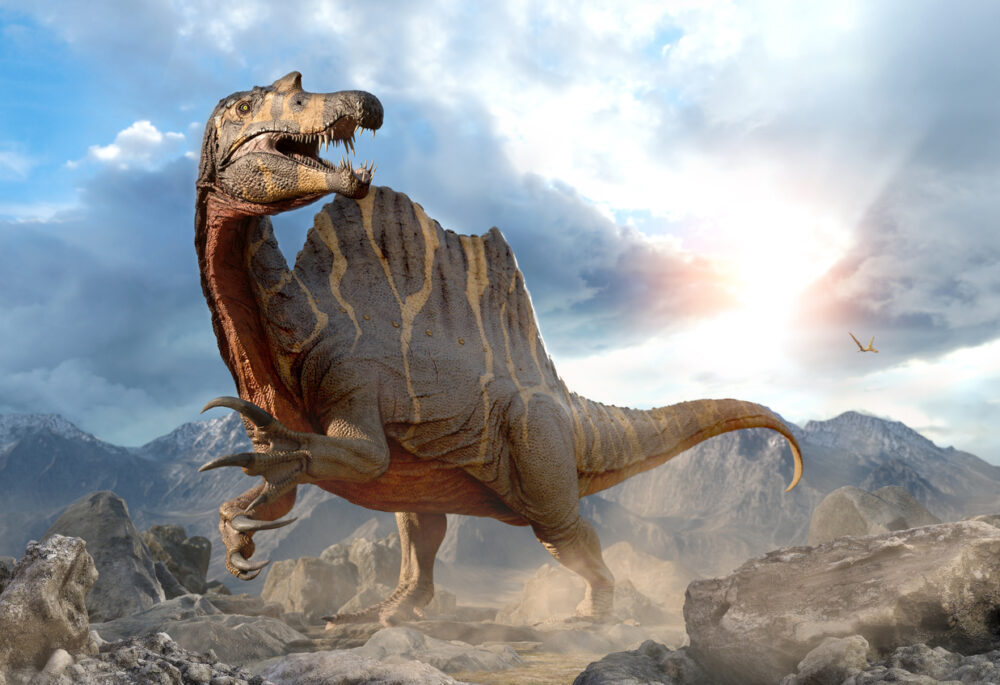
Asteroids have struck Earth throughout its history, sometimes leaving lasting effects. The most famous example is the asteroid impact that contributed to the extinction of the dinosaurs about 66 million years ago. Even smaller impacts have left craters and caused localized damage over the centuries.
Remembering these events underscores why scientists take near-Earth objects seriously. While the current asteroid will pass safely, history proves that impacts can reshape ecosystems and alter life on a massive scale. Monitoring today ensures that humanity is not caught unprepared by future encounters with dangerous objects.
7. Technology Could Deflect Future Threats
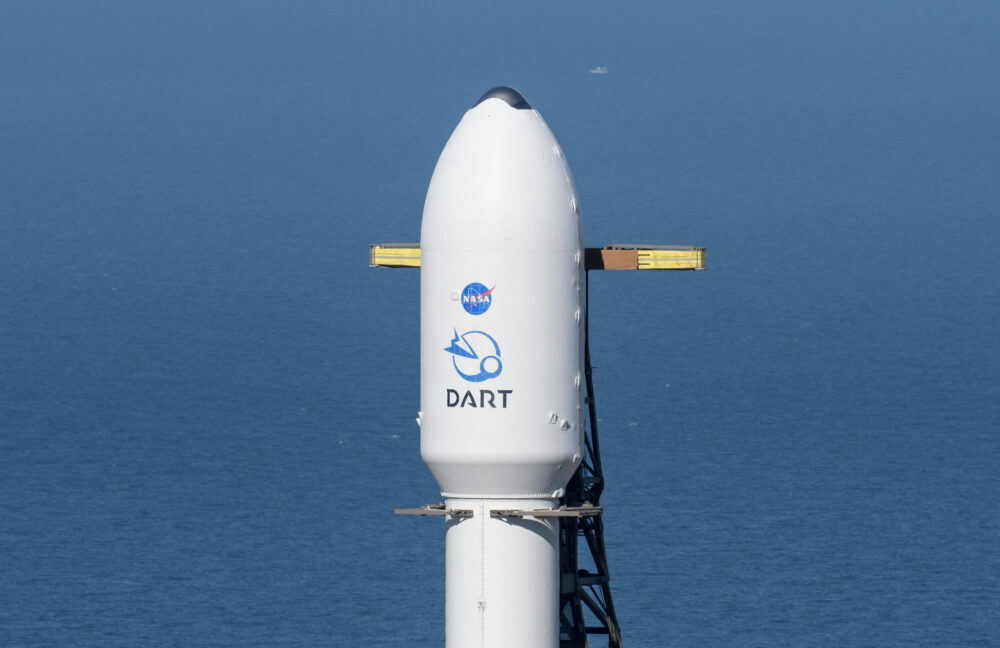
NASA isn’t just tracking asteroids—it’s also exploring ways to defend Earth. In 2022, the agency successfully tested its Double Asteroid Redirection Test (DART) mission, which altered the orbit of a small asteroid by striking it with a spacecraft. This showed that asteroid deflection is possible with the right technology.
The current flyby requires no action, but tests like DART prove that preparation is possible. If a threatening asteroid were ever identified, similar missions could be deployed to shift its path. These advances give scientists confidence that solutions exist to prevent potential disasters.
8. Flybys Help Advance Scientific Research
Close approaches like this are valuable scientific opportunities. Telescopes and radar can capture detailed images and measurements as the asteroid passes, revealing insights into its composition, shape, and rotation. Every flyby adds to the growing knowledge of how these objects form and behave.
Understanding asteroid composition isn’t just about defense—it also helps scientists study the early solar system. Asteroids are often made of ancient material left over from planet formation. By analyzing them, researchers learn more about Earth’s origins and the processes that shaped our planetary neighborhood.
9. Public Interest Highlights Awareness

When news of a large asteroid surfaces, public attention spikes. Although this asteroid poses no risk, its presence in headlines highlights how closely people watch these events. Awareness is crucial because it underscores the importance of scientific monitoring and planetary defense funding.
Scientists encourage this interest, as it helps foster broader support for space research and early-warning programs. Public curiosity also encourages media coverage, which can be vital if a future asteroid were to pose a genuine risk and communities needed to prepare in advance.
10. Earth Will See More Flybys in the Future

This isn’t the last time Earth will experience a close approach from a large asteroid. Astronomers predict many more will pass within a safe range over the coming decades. Each event is an opportunity to improve tracking methods and strengthen planetary defense capabilities.
Although it may sound alarming, scientists stress that most asteroids pose no immediate danger. With careful monitoring and continued advancements in technology, humanity is better prepared than ever before. The key is remaining vigilant and ensuring that today’s safe encounters keep informing tomorrow’s safety strategies.