
Archaeologists uncovered a hidden stronghold tied to the powerful Lords of the Isles, revealing secrets buried for centuries.
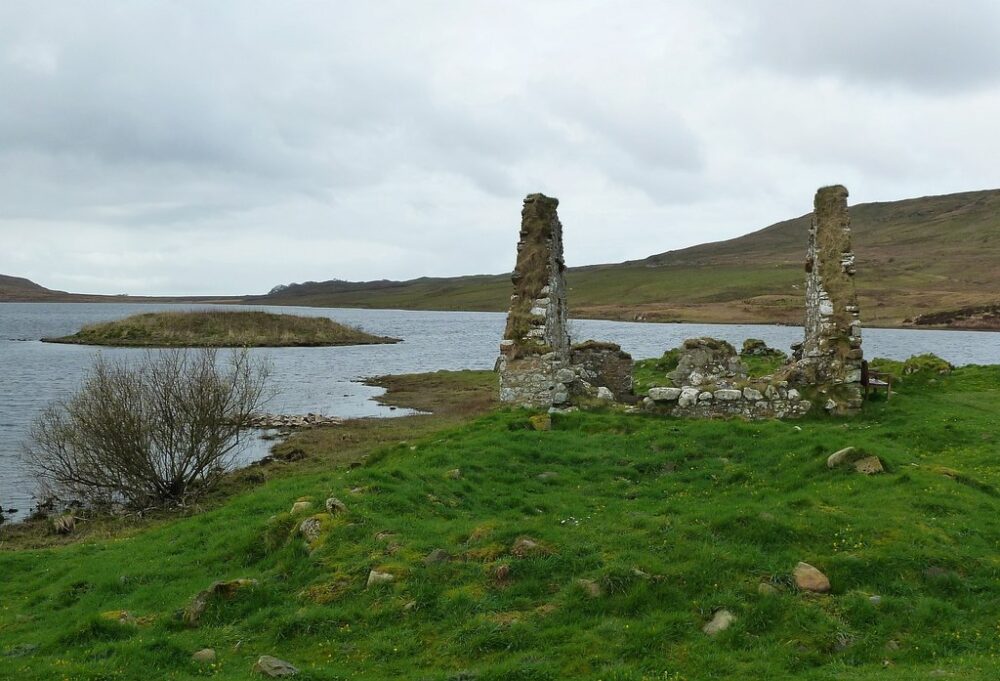
Deep in the Scottish Highlands, archaeologists have uncovered the long-lost remains of a medieval castle connected to the legendary Lords of the Isles—once one of the most powerful dynasties in Britain. Hidden beneath centuries of soil and peat, the newly identified structure reveals a level of size, engineering, and political importance that historians never expected. As researchers analyze the foundations, artifacts, and defensive layout, the emerging picture is transforming what experts believed they knew about this forgotten royal stronghold.
1. The Lost Stronghold of the Lords of the Isles Has Finally Come Into Focus
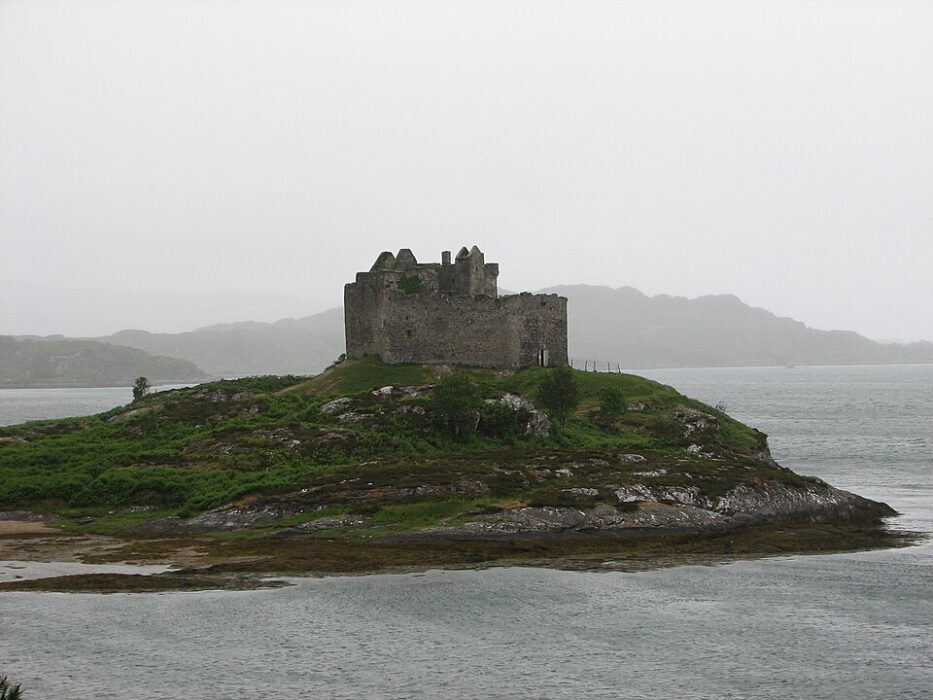
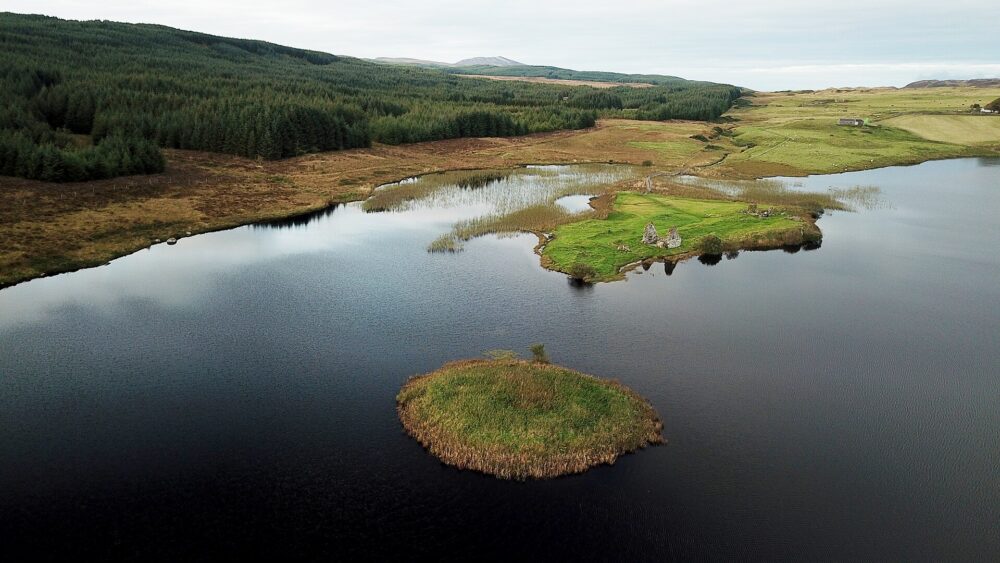
For centuries, Finlaggan was known as the political heart of the Lords of the Isles, but the exact structure and scale of their castle remained unclear. Recent archaeological work on Eilean Mòr—one of the small islands in Finlaggan Loch—revealed the foundations of a substantial stone-built stronghold that had eluded researchers for decades.
The discovery confirms that the site was far more fortified than earlier surveys suggested. These new structural details show that Finlaggan wasn’t just an administrative center—it was the seat of a powerful maritime dynasty that once rivaled the Scottish crown.
2. Excavations Revealed Castle Foundations Hidden Beneath Centuries of Peat
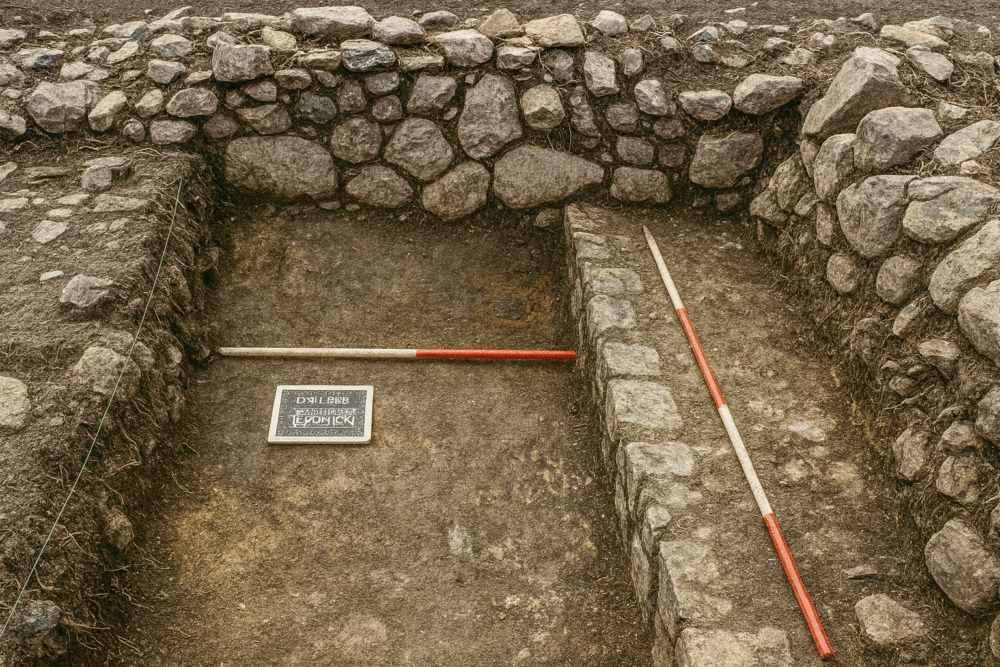
Using modern surveying methods, archaeologists uncovered thick stone walls, corner structures, and building footprints buried beneath layers of peat and rubble. These features match what would be expected from a 12th- to 14th-century castle associated with the MacDonald Lords of the Isles.
Because the remains lay just below the surface but blended naturally into the landscape, earlier generations of researchers walked over them without realizing a fortified residence was sitting beneath their feet. The find helps explain historical accounts describing a “great house” or hall at Finlaggan that had never been definitively located.
3. The Discovery Confirms Finlaggan’s Role as a True Seat of Power
Historians have long known that Finlaggan was the ceremonial center where the Lords of the Isles were inaugurated, but the physical evidence of their main residence had remained elusive. The newly identified structure validates written records that described a ruling seat with both administrative and residential functions.
This means Finlaggan wasn’t just symbolic—it was operational. From this island stronghold, the Lords ruled over vast territories in the Hebrides and mainland Scotland, commanding armies, fleets, and alliances that shaped medieval politics for centuries.
4. Advanced Survey Tools Helped Detect What Earlier Excavations Missed
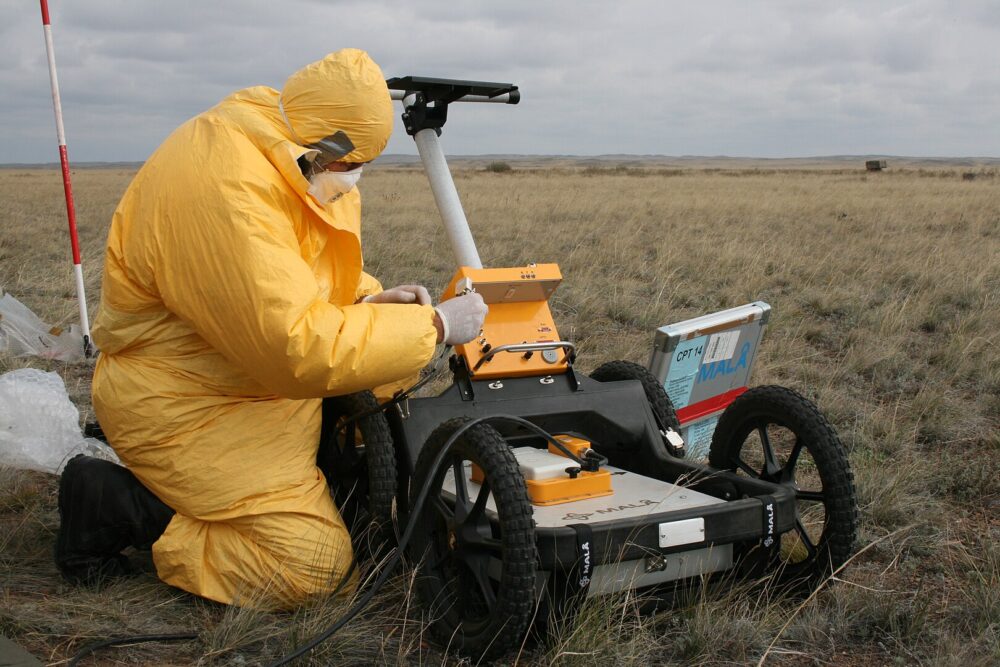
The breakthrough came largely from employing geophysical techniques such as resistivity surveys and ground-penetrating radar. These tools created a detailed picture of what lay underground without disturbing the soil, revealing building outlines that traditional excavation methods had never exposed.
These readings allowed archaeologists to pinpoint precise dig locations, leading to the confirmation of structural remains. The success at Finlaggan shows how modern technology can transform our understanding of medieval sites that have long resisted interpretation due to erosion or natural overgrowth.
5. Artifacts Point to an Elite Household With Wide-Ranging Influence

Excavators uncovered pottery fragments, metal fittings, and domestic items that match high-status medieval residences across Scotland and Ireland. Many of the objects date to the period when the Lords of the Isles reached their greatest political power.
These finds confirm that Finlaggan supported a well-equipped, elite household capable of hosting councils, ceremonies, and visiting envoys. The artifacts also hint at trade connections and cultural links across the Irish Sea region, reinforcing the idea that the Lords’ influence stretched far beyond the Hebrides.
6. The Ruins Suggest a Hybrid of Gaelic and Norse Architectural Traditions
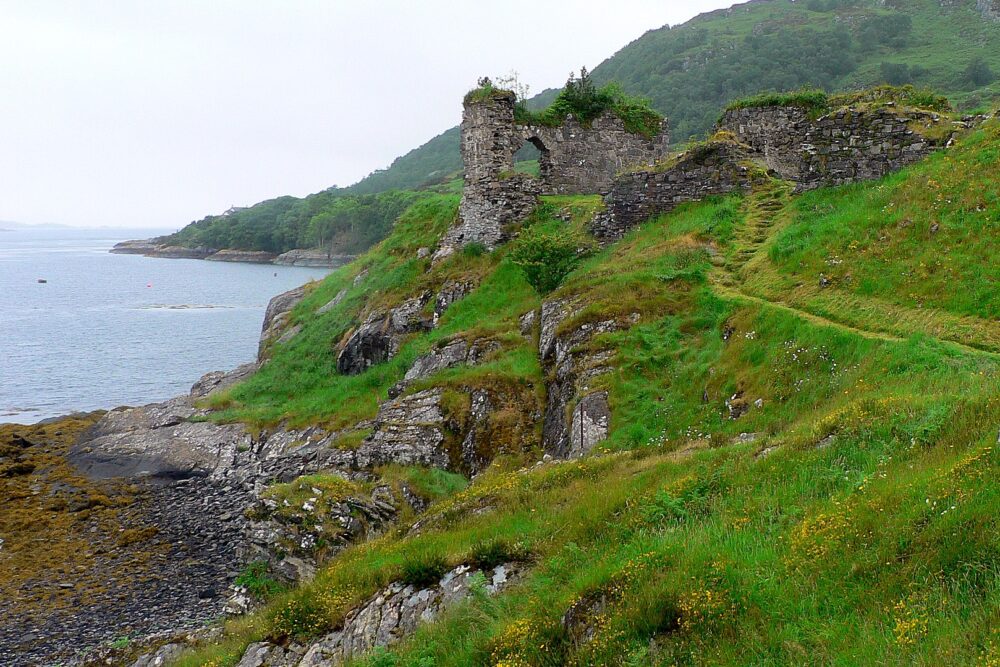
Finlaggan lies in a region shaped by both Norse and Gaelic cultures, and archaeologists believe the castle layout reflects this blend. Some construction techniques resemble Norse-style hall buildings, while other features follow Gaelic patterns seen in medieval western Scotland.
This mix of architectural influences underscores the multicultural identity of the Lords of the Isles. Their castle was more than a residence—it was a statement of heritage, authority, and the unique fusion of cultures that defined their rule.
7. The Island’s Natural Defenses Made It a Perfect Seat of a Maritime Kingdom
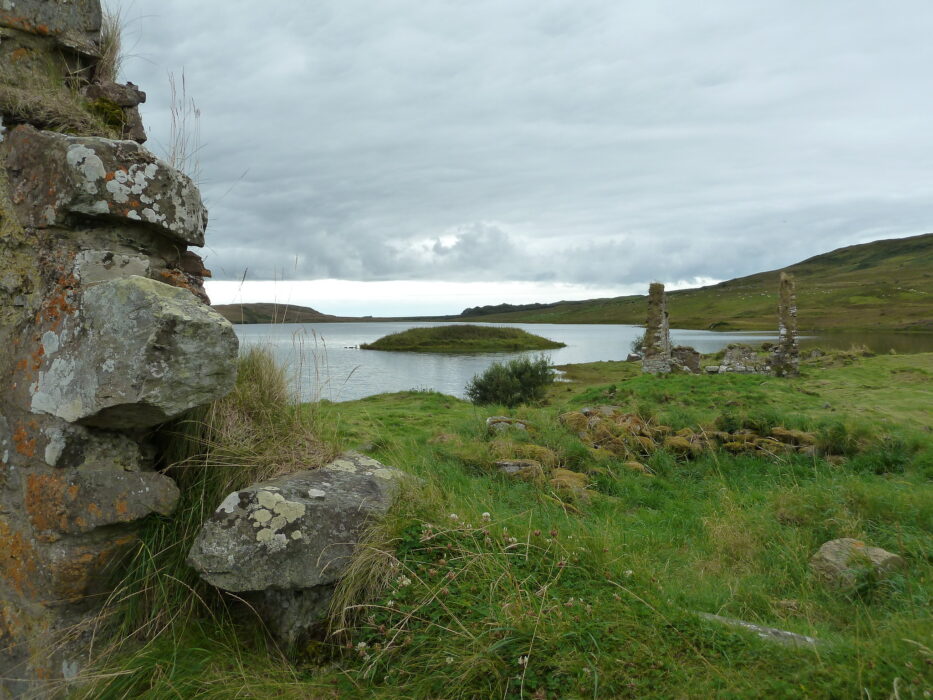
Eilean Mòr and Eilean na Comhairle sit in the middle of a small loch, giving the castle natural defensive advantages. Any approach would have been visible from all directions, and the surrounding water acted as a protective barrier.
These strategic benefits help explain why Finlaggan served as the dynastic center for generations. The newly uncovered fortifications reveal that the Lords deliberately enhanced the island’s natural defenses, transforming it into a secure administrative and ceremonial capital.
8. Historical Records Now Align With Physical Evidence
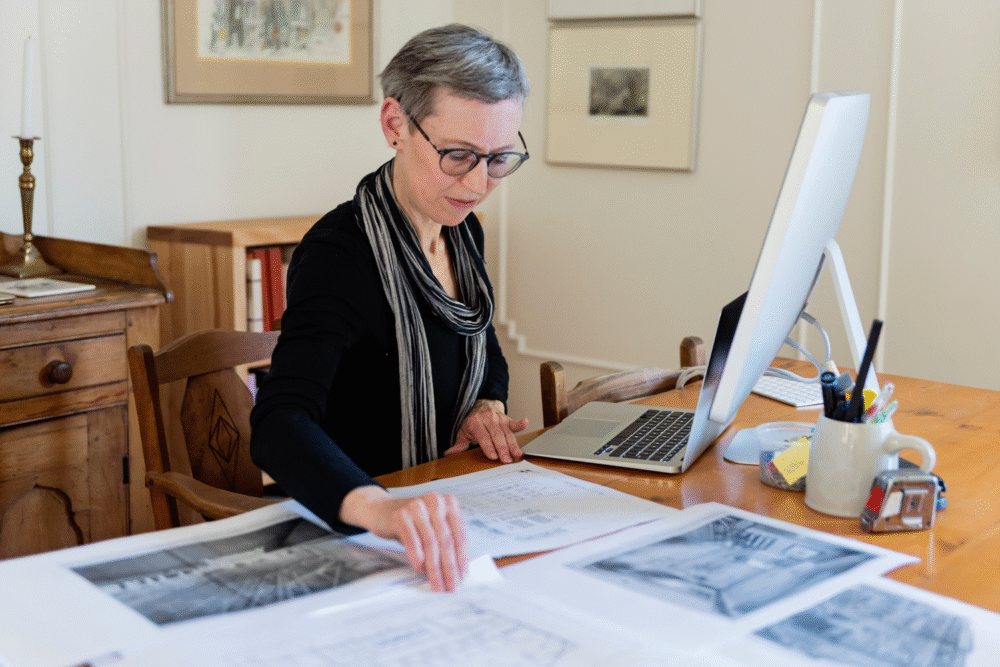
For years, chroniclers described a grand residence at Finlaggan, but archaeologists struggled to match those descriptions to any visible ruins. The newly uncovered walls, hall structures, and outbuildings now align closely with these medieval accounts.
This alignment strengthens the reliability of written sources and fills gaps historians previously debated. The physical evidence helps confirm that Finlaggan operated exactly as historical texts described: a sophisticated center of governance for one of medieval Britain’s most influential clans.
9. The Discovery Highlights the Lords’ Sophisticated Political System
Finlaggan wasn’t just a residence—it was the hub of a complex political network. Leaders of allied clans met here to settle disputes, draft agreements, and coordinate military plans. The castle’s newly uncovered layout suggests spaces for councils, administrative work, and ceremonial functions.
This adds weight to the idea that the Lords of the Isles maintained an organized, semi-independent government. The discoveries give historians a clearer picture of how this maritime kingdom operated, negotiated, and maintained power in a turbulent medieval landscape.
10. The Findings Challenge Long-Held Assumptions About the Site’s Scale

Before this discovery, many believed Finlaggan was primarily a ceremonial gathering place. The size and strength of the castle foundations now show that the site was more heavily developed than anyone realized.
This challenges earlier interpretations and suggests that Finlaggan functioned as a year-round power center rather than a seasonal or symbolic location. Historians are now reevaluating how the Lords managed their territories and where their main operations were based.
11. Researchers Say More Discoveries Are Likely Still Hidden Beneath the Island

Only a portion of Eilean Mòr has been surveyed with modern technology, and archaeologists suspect additional buildings, workshops, or defensive structures may still lie beneath the soil. Plans are underway for further investigation, which could reveal even more about the daily life and governing practices of the Lords of the Isles.
Each new layer uncovered at Finlaggan helps refine and expand our understanding of this influential medieval dynasty. As excavations continue, historians expect the site to reshape the broader narrative of Scotland’s political and cultural development.