
A backyard stone turned out to be a 2,000-year-old Roman soldier’s gravestone with a remarkable journey.
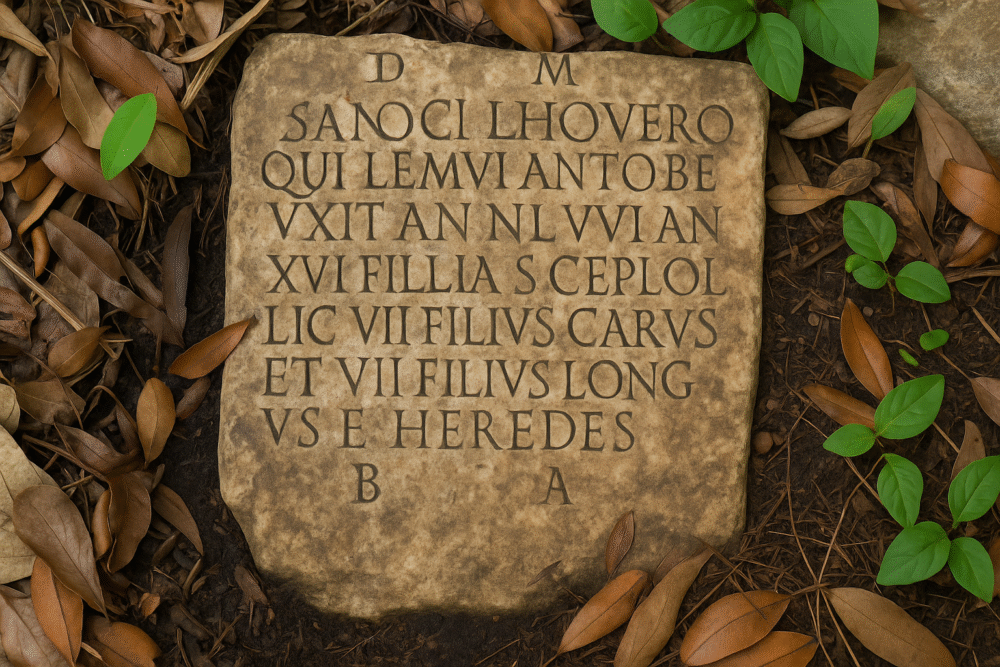
When a couple in New Orleans discovered a Latin-engraved stone among the shrubs of a former owner’s home, they assumed it was a curious garden ornament. But experts soon confirmed it was a nearly 2,000-year-old gravestone for a Roman soldier named Sextus Congenius Verus, once serving in the Praetorian Fleet.
Researchers traced its journey from the National Archaeological Museum of Civitavecchia to a World War II veteran’s souvenir haul. The discovery rewrites a chapter of transatlantic artifact migration—and how one family’s yard became a link to ancient Rome.
1. A Backyard Discovery No One Expected

When a New Orleans couple began sprucing up their yard, they stumbled on something extraordinary—a large stone slab with faint engravings buried near a flower bed. At first glance, it looked like an old garden ornament, maybe a quirky remnant left by a previous homeowner. But as they cleared away the dirt, they saw precise Latin lettering etched into the surface, still legible after centuries.
Curious, they contacted local historians, who quickly realized this wasn’t ordinary lawn decor. It was a Roman-era gravestone, and its presence in Louisiana defied all explanation.
2. The Latin Clue That Sparked the Mystery
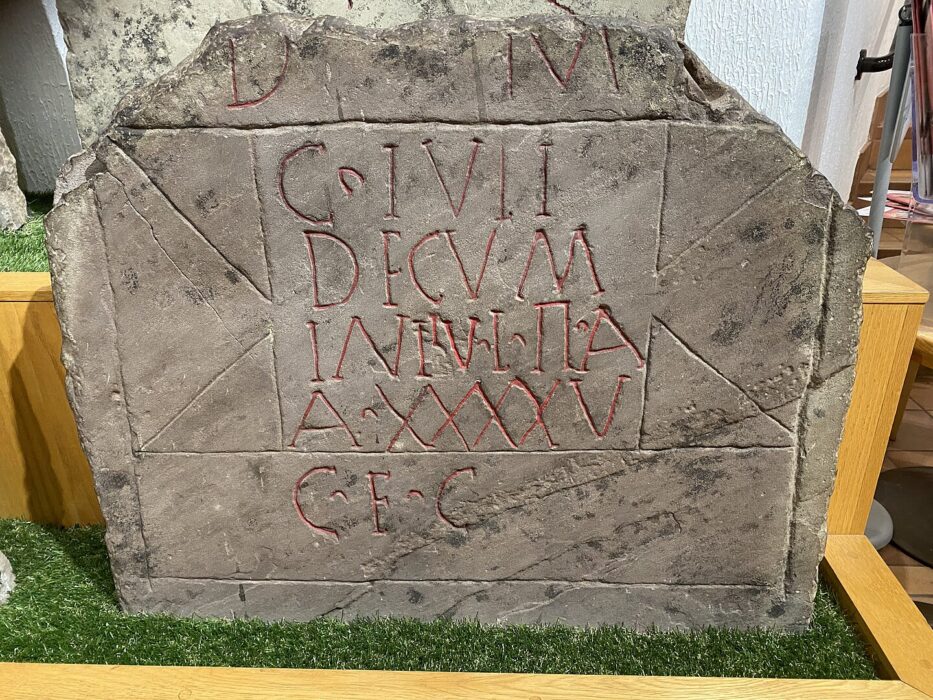
The stone bore the name Sextus Congenius Verus, along with several words written in classical Latin script. To the couple, it was indecipherable, but to archaeologists, it was unmistakably ancient. Gravestones of this style were common during the Roman Empire, used to honor soldiers, traders, and citizens across Europe and the Mediterranean.
The name, carved with traditional Roman spacing and phrasing, matched funerary stones dating back nearly 2,000 years. It was a stunning find—but the question remained: how did an ancient Roman artifact end up in an American backyard?
3. Experts Confirm It’s the Real Thing

After photos of the stone circulated online, scholars at Tulane University and the Louisiana Division of Archaeology confirmed that the object wasn’t a reproduction. The marble’s texture, weathering, and tool marks all indicated genuine antiquity. Its composition matched the limestone and marble used in the coastal regions of ancient Italy.
Soon, word reached Italian officials, who began comparing it to missing artifacts from museum collections. What they discovered suggested the gravestone’s journey had been far longer—and stranger—than anyone expected.
4. The Trail Leads Back to Italy

Through detailed comparison, experts matched the New Orleans gravestone to one that disappeared from the National Archaeological Museum of Civitavecchia decades earlier. Photographs from the 1930s confirmed it once commemorated Sextus Congenius Verus, a Roman sailor who served in the Classis Ravennatis—the Praetorian Fleet that guarded the Mediterranean.
How it vanished was a mystery, but museum records hinted that many artifacts went missing during World War II. Looting, wartime chaos, and the movement of troops and civilians across Italy created opportunities for relics to disappear into private hands.
5. A Clue Hidden in the Home’s Past
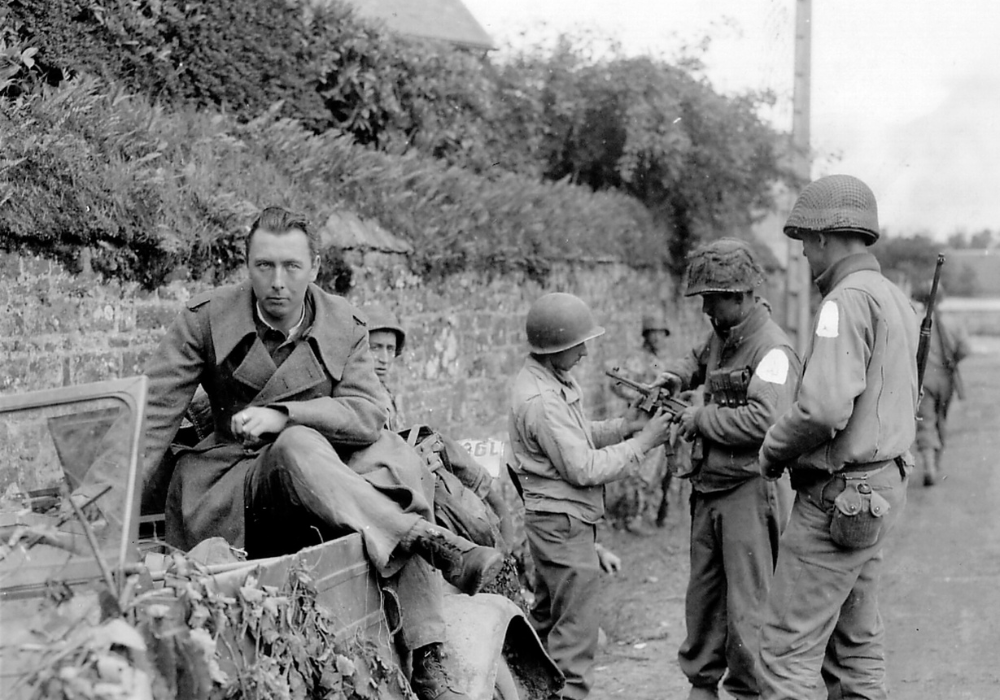
Investigators soon discovered that a previous owner of the property had served in World War II. Records revealed that he had been stationed in Italy near Civitavecchia—the same coastal city where the gravestone originated. Friends recalled that he returned home with “souvenirs” from the war, likely unaware of their archaeological value.
This revelation provided the missing link in the artifact’s journey. What began as an innocent wartime memento had, over decades, become a family heirloom—and eventually, an unintentional treasure buried in a suburban garden.
6. A Roman Soldier’s Story Resurfaces

The name on the gravestone—Sextus Congenius Verus—wasn’t random. Archaeologists determined he likely lived during the first or second century CE and served as a sailor in the Roman fleet based at Ravenna. These naval soldiers protected the empire’s trade routes and coastal settlements across the Mediterranean.
The inscription was brief but telling. It followed a traditional formula honoring the deceased’s name, rank, and age. For historians, rediscovering this forgotten man offered a rare glimpse into the life of a lower-ranking soldier who might otherwise have been lost to time.
7. The Gravestone’s Incredible Journey
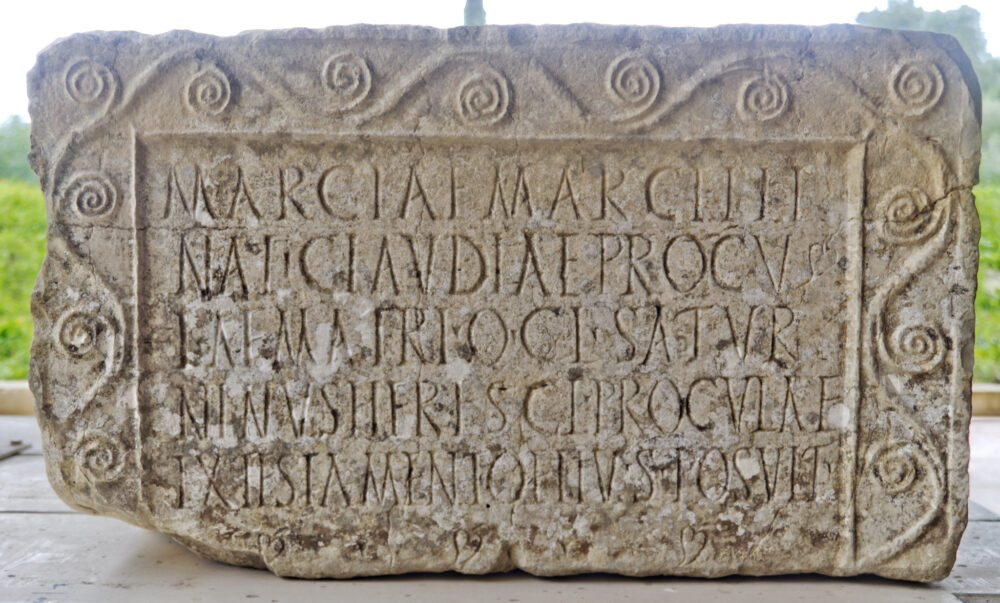
From the coast of ancient Italy to a modern American backyard, the gravestone’s journey spanned two millennia. Archaeologists believe it was originally unearthed near Civitavecchia in the early 20th century, entered the museum’s collection, and then vanished during wartime confusion.
Transported—likely unknowingly—by a U.S. serviceman, it crossed the Atlantic and ended up as a yard decoration in New Orleans. There, it lay for decades, unnoticed except by homeowners who assumed it was a quirky piece of stonework rather than a priceless archaeological artifact.
8. A Diplomatic Return in the Making

Once the gravestone’s origins were confirmed, Italian officials formally requested its return. The homeowners readily agreed, saying they were honored to help restore the artifact to its rightful home. The Louisiana Division of Archaeology coordinated with the Italian Consulate to arrange the repatriation process.
The case highlights how cooperation between nations can recover pieces of history lost through war, misunderstanding, or time. For Italy, the return of the gravestone is not just the recovery of an object, but the restoration of a citizen’s memory after nearly two thousand years.
9. How Museums Track Missing Artifacts

The Smithsonian report notes that the case of Sextus Congenius Verus isn’t unique. Many European museums still maintain lists of artifacts that vanished during or after World War II. Some were looted intentionally, while others were simply misplaced during evacuations or sold without proper documentation.
Today, digital archives and global cooperation are helping track these cultural losses. In this instance, careful recordkeeping by Italian curators decades ago allowed experts to identify the artifact conclusively and trace its path halfway across the world.
10. The Family’s Reaction to Their Discovery

The New Orleans couple who uncovered the stone said they were both shocked and humbled. They had initially been amused by their “Roman garden rock,” never imagining it held such history. When archaeologists confirmed its authenticity, they chose not to keep it as a curiosity but to see it properly returned to Italy.
Their story quickly went viral, capturing public fascination with the idea of ancient history resurfacing in ordinary places. As one of the homeowners told reporters, “We were just doing yard work and ended up uncovering a Roman soldier.”
11. A Reminder That History Is Never Truly Lost

The solved mystery of the Roman gravestone shows how the past can reappear in the most unexpected corners of modern life. Through chance, technology, and international collaboration, a forgotten sailor’s story resurfaced after two millennia.
For archaeologists, it’s a symbol of why history matters—not as distant knowledge locked in museums, but as something living, connected to the present. Every artifact tells a story, and sometimes, those stories begin not in ancient ruins, but in someone’s backyard.