
The leathery fossil puzzled researchers for years — until its true nature began to emerge.

In the late 2000s, Chilean researchers working on Seymour Island near Antarctica uncovered something that didn’t resemble any fossil they expected to find. The object was leathery, wrinkled, and oddly deflated, more like a collapsed football than a bone or shell.
Unsure what to make of it, scientists nicknamed the specimen “The Thing.” Measuring roughly 11 by 8 inches, it was large, soft, and puzzling enough that it sat largely unstudied for years.
Only later did detailed analysis reveal that this strange object was a fossilized egg dating back about 68 million years.
Click through to learn how its unusual structure and contents are now reshaping how scientists think about prehistoric reproduction, survival, and life in the final days of the dinosaur era.
1. The discovery happened in one of Antarctica’s richest fossil zones
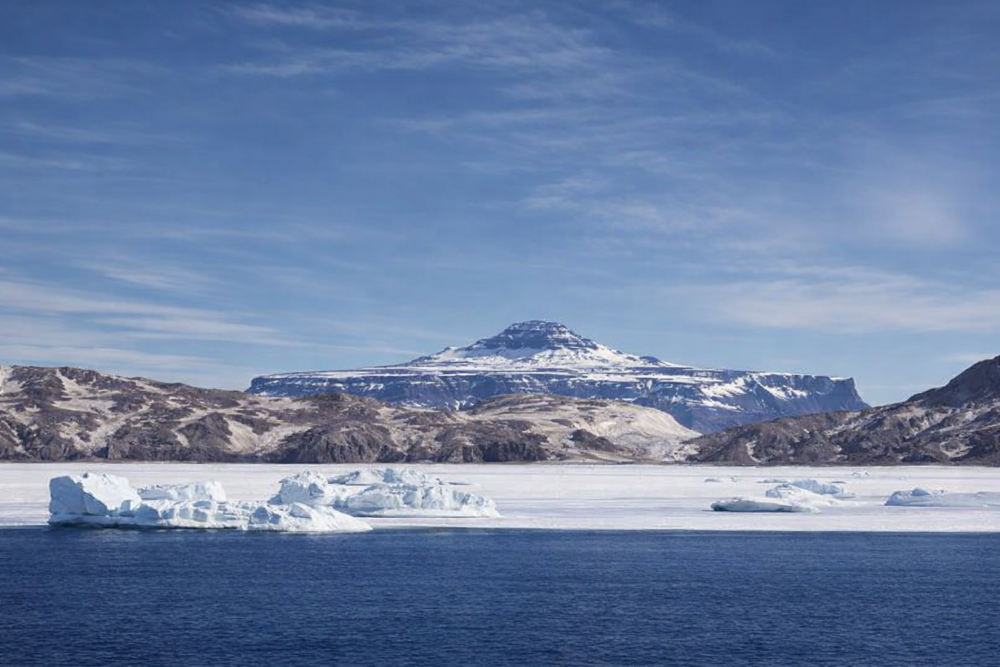
Seymour Island is known for preserving fossils from the very end of the age of dinosaurs. Unlike much of Antarctica, the island has exposed rock layers that were once part of a warmer, coastal ecosystem.
That environment allowed delicate fossils to survive, including shells, plants, and marine animals. The egg’s preservation was possible because it was buried quickly in sediment, protecting its soft structure from complete decay.
Follow us and access great exclusive content every day
2. The object looked nothing like a typical dinosaur egg
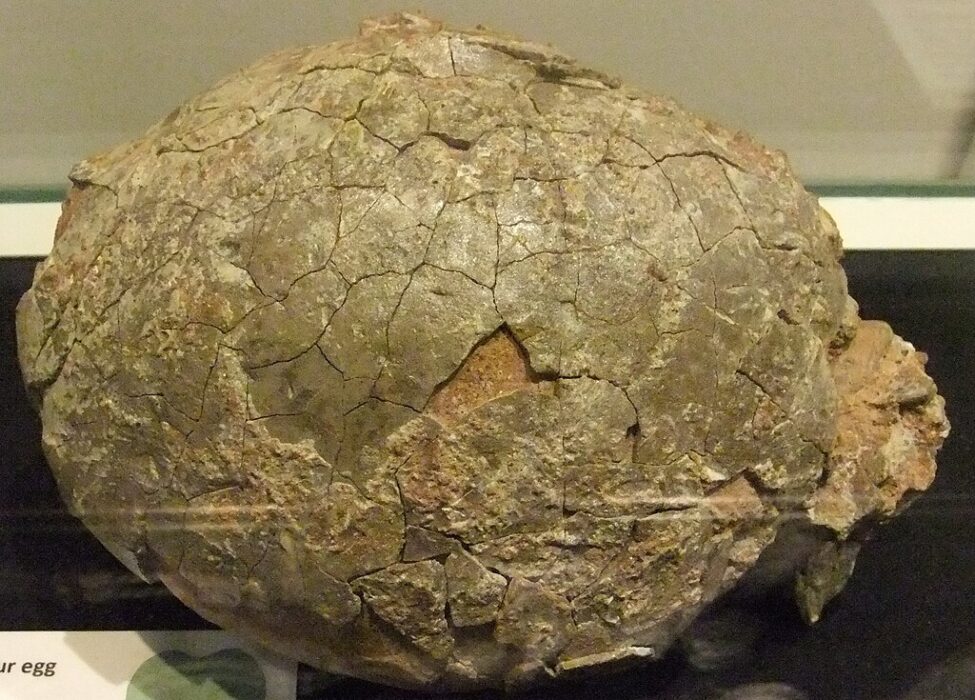
Most dinosaur eggs found previously have hard, mineralized shells similar to bird eggs. This specimen was different from the start.
Its leathery texture and collapsed shape confused researchers. It lacked the rigid structure scientists normally associate with dinosaur reproduction, making it difficult to classify at first glance.
3. Scientists initially couldn’t identify what it was

Because the object didn’t fit known categories, researchers hesitated to draw conclusions. It wasn’t bone, shell, or a recognizable body part.
Rather than forcing an explanation, the team preserved the specimen and waited for better imaging techniques and comparative data, a common practice when fossils challenge existing assumptions.
4. Imaging revealed it was an enormous soft-shelled egg
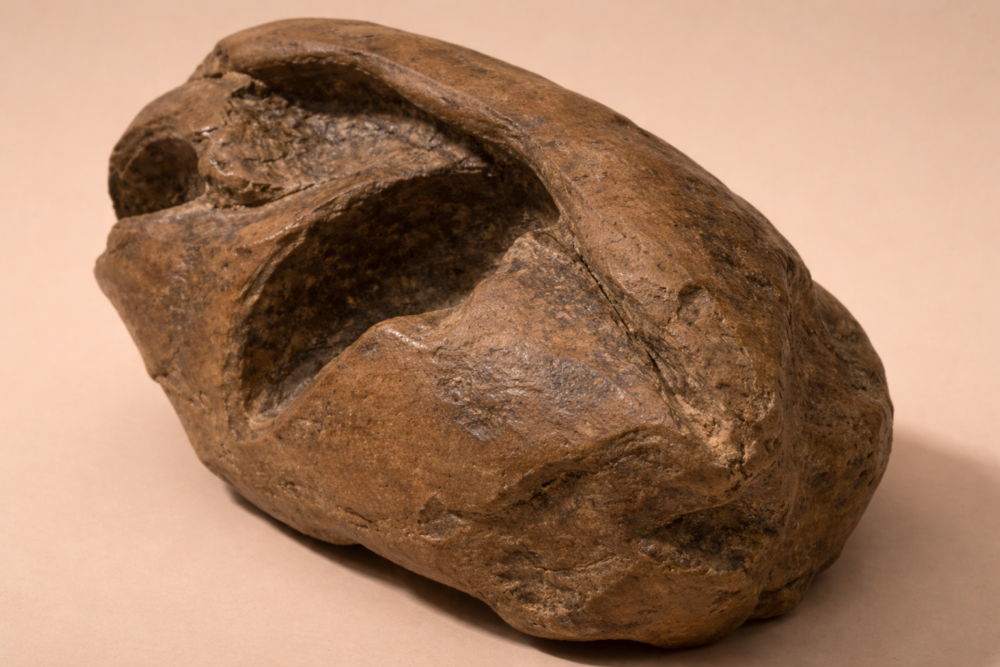
Advanced scanning and analysis eventually showed the object was an egg, one of the largest fossil eggs ever discovered.
Its size suggested it came from a massive prehistoric animal, and its soft shell placed it in a category rarely seen in the fossil record, especially at such a scale.
Follow us and access great exclusive content every day
5. The egg’s structure challenged long-held assumptions
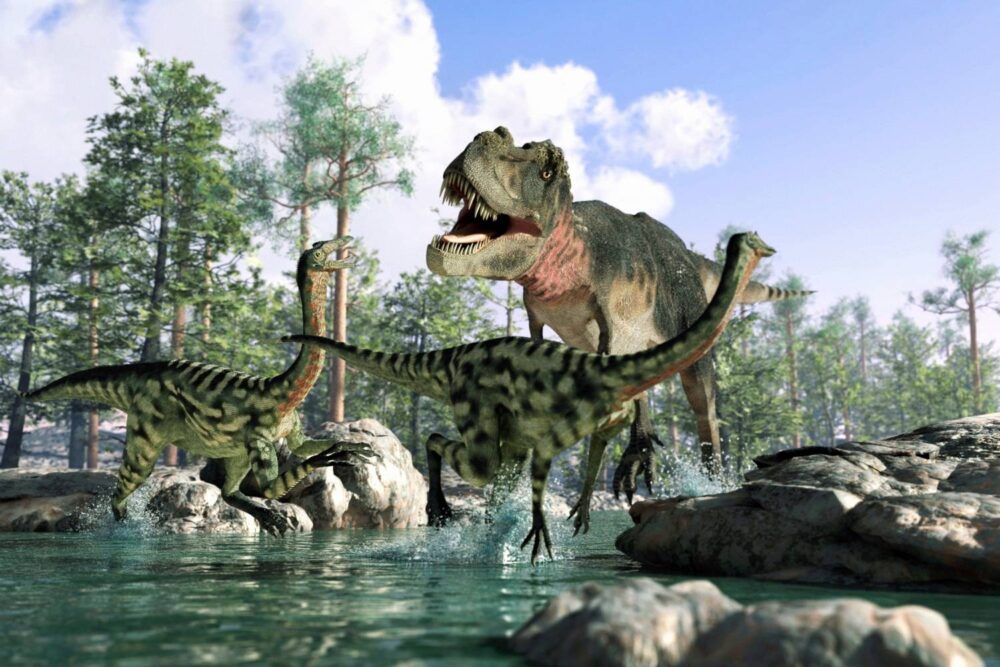
This discovery forced scientists to rethink what kinds of animals laid soft-shelled eggs during the dinosaur era. For decades, researchers assumed that large prehistoric reptiles, including dinosaurs, relied almost exclusively on hard-shelled eggs.
This fossil showed that assumption was incomplete. The leathery shell indicates that some large animals may have used reproductive strategies closer to those of modern reptiles like turtles and snakes. It also suggests that soft-shelled eggs were more common than previously believed, but far less likely to fossilize.
As a result, entire reproductive behaviors may be missing from the fossil record, not because they didn’t exist, but because they rarely survived long enough to be preserved.
6. The contents hinted at a marine connection
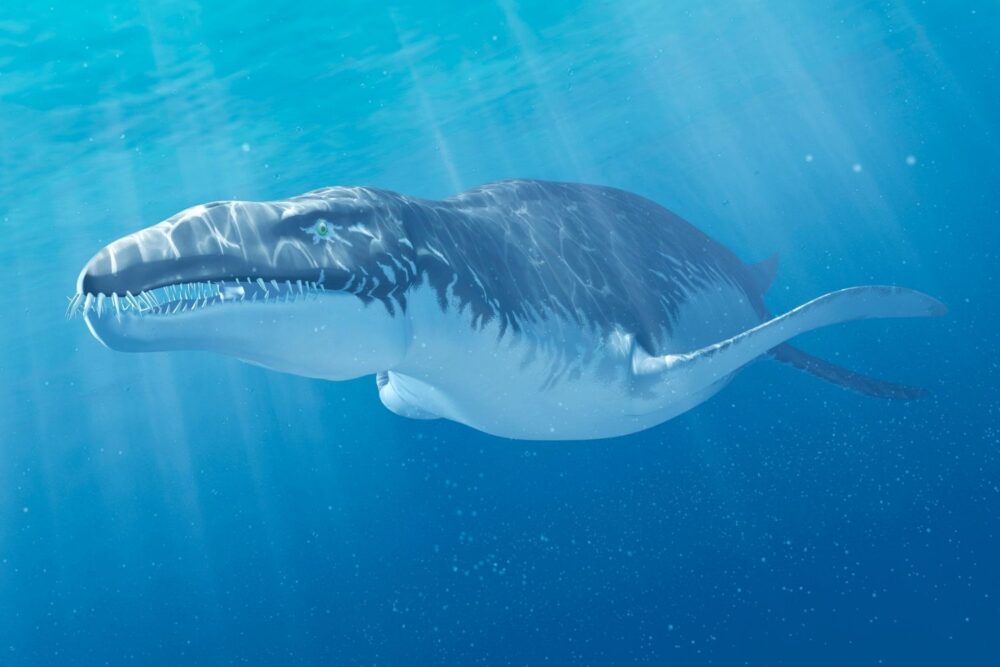
Inside the egg, researchers found remains that suggested it may have belonged to a marine reptile rather than a land-dwelling dinosaur.
This aligns with the coastal environment that existed in Antarctica at the time, when the region was far warmer and supported diverse marine life.
7. It may be linked to ancient marine reptiles
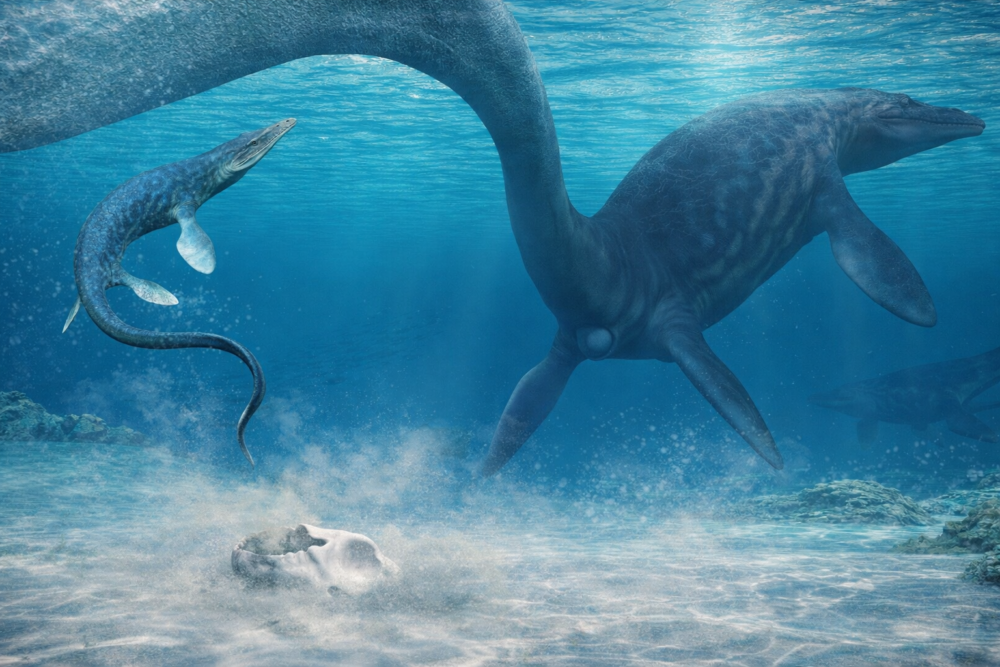
Scientists have proposed that the egg could have been laid by a large marine reptile, possibly a mosasaur or a related species.
If correct, this would make it one of the few known examples of such reproduction preserved in the fossil record, offering rare insight into how these animals reproduced.
8. Soft shells explain why similar eggs are rarely found
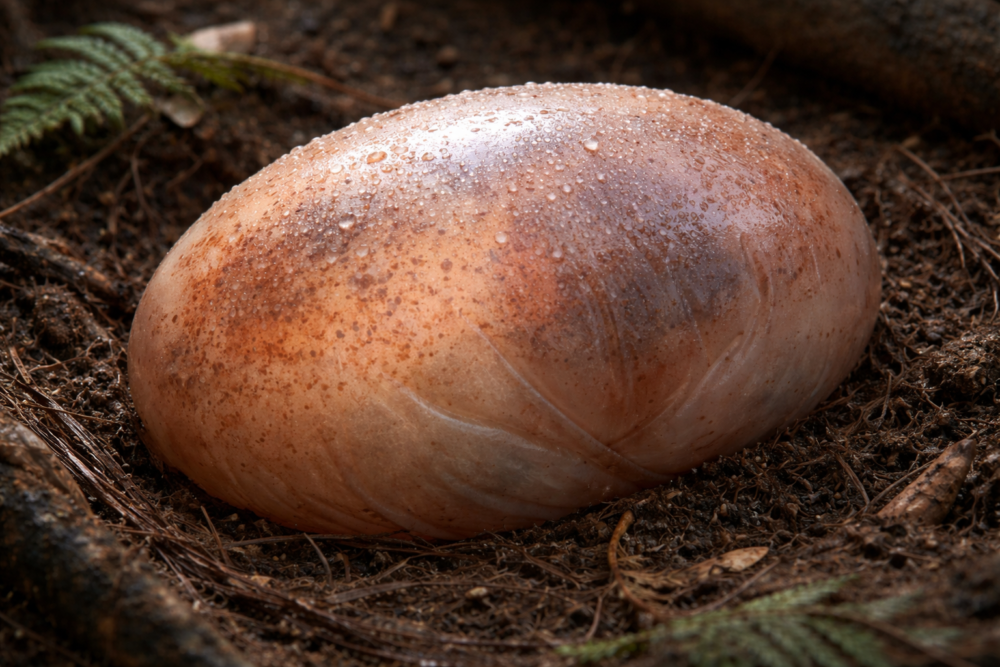
Soft-shelled eggs degrade quickly unless conditions are nearly perfect. They collapse, decay, or are consumed long before fossilization can occur.
That fragility explains why this egg is so rare and why similar specimens may have existed without leaving a trace behind.
Follow us and access great exclusive content every day
9. The find reshapes ideas about prehistoric survival
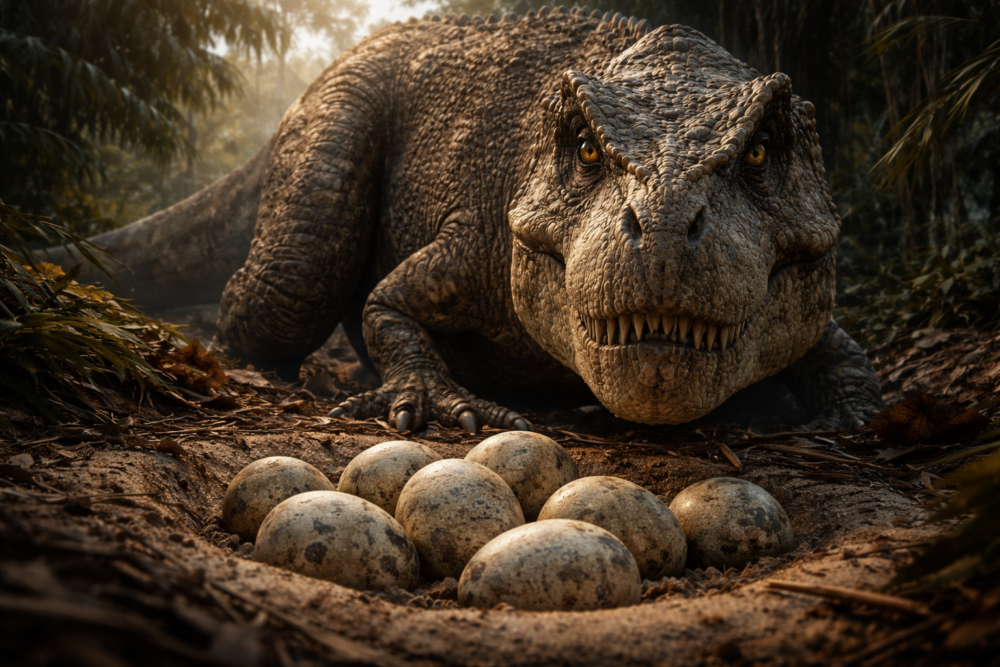
Reproductive strategies play a major role in survival. Discovering unexpected methods suggests prehistoric animals were more adaptable than once believed.
Different egg types may have helped species survive changing climates and environments near the end of the dinosaur era.
10. Antarctica wasn’t always frozen and lifeless
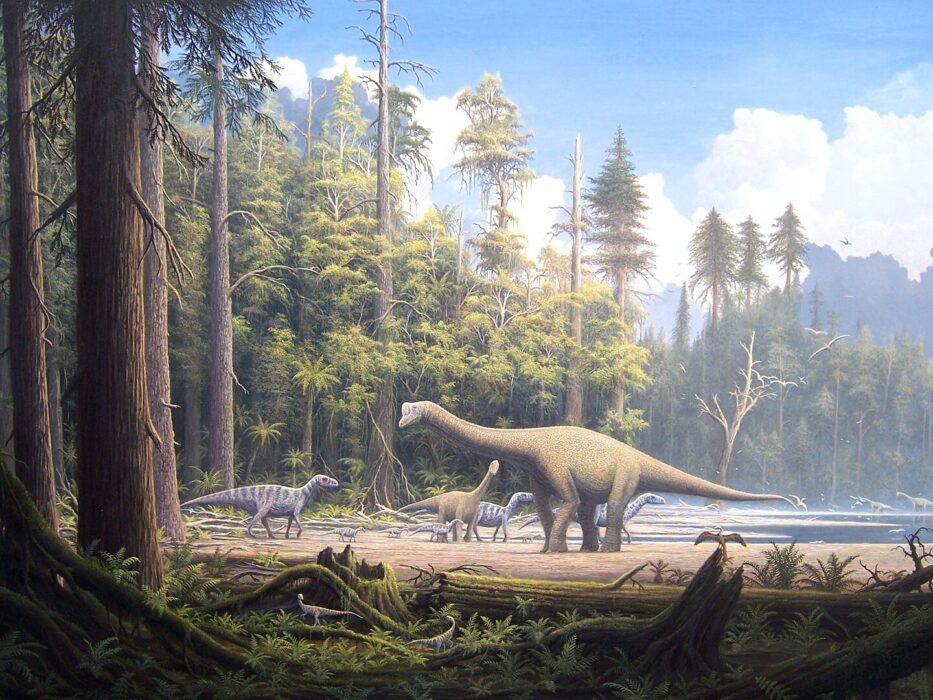
At the time the egg was laid, Antarctica had a temperate climate with forests, rivers, and coastal waters. This environment supported complex ecosystems, making it a plausible home for large egg-laying reptiles.
Geological evidence shows the region once resembled today’s cool coastal environments rather than an icy desert.
11. One fossil is changing how scientists interpret the past
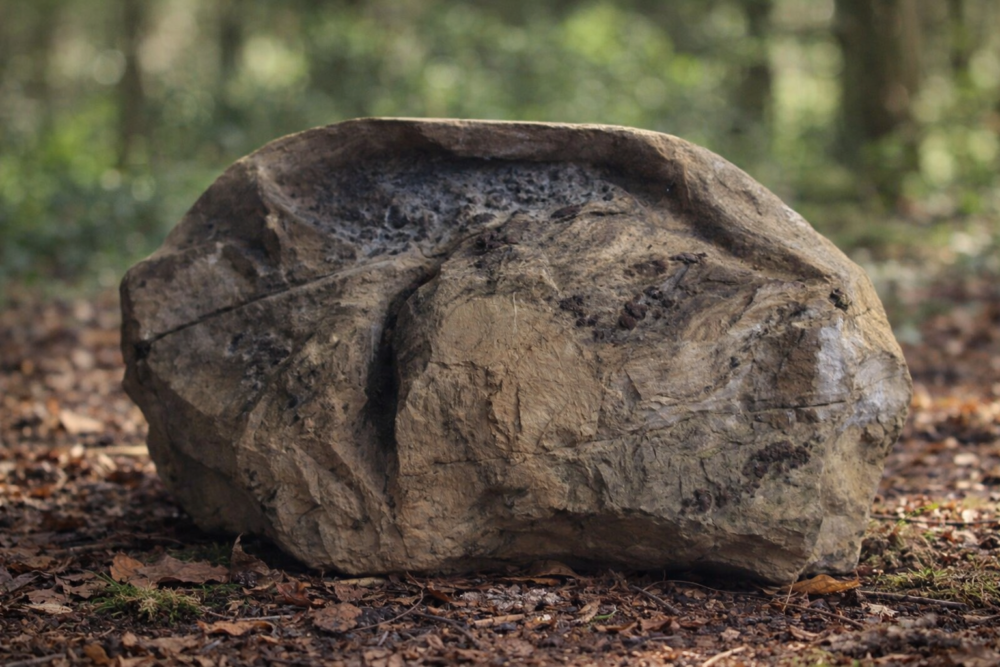
The egg nicknamed “The Thing” highlights how a single discovery can shift scientific understanding.
By challenging assumptions about prehistoric reproduction, it reminds researchers that the fossil record is incomplete. It also shows how long-held ideas can change when rare evidence finally comes to light.