
Scientists say the vast cave forest could harbor species never seen before.
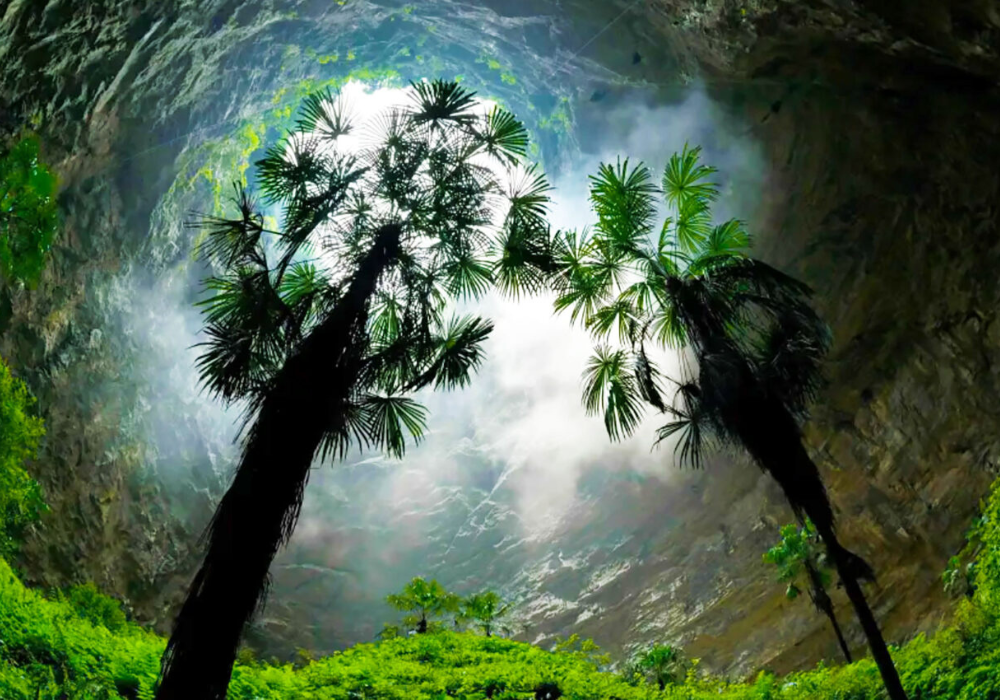
When a massive 630-foot sinkhole was discovered in China’s Guangxi Zhuang Autonomous Region, scientists expected to find bare rock and darkness. Instead, they stumbled upon a hidden world. Inside the vertical chasm was a lush, self-contained forest—complete with towering trees, dense vegetation, and possibly undiscovered species. This natural wonder, one of the world’s largest sinkholes, gives scientists a rare glimpse into ecosystems that have thrived in isolation for thousands of years, protected from the outside world above.
1. The Discovery Took Place in Southern China
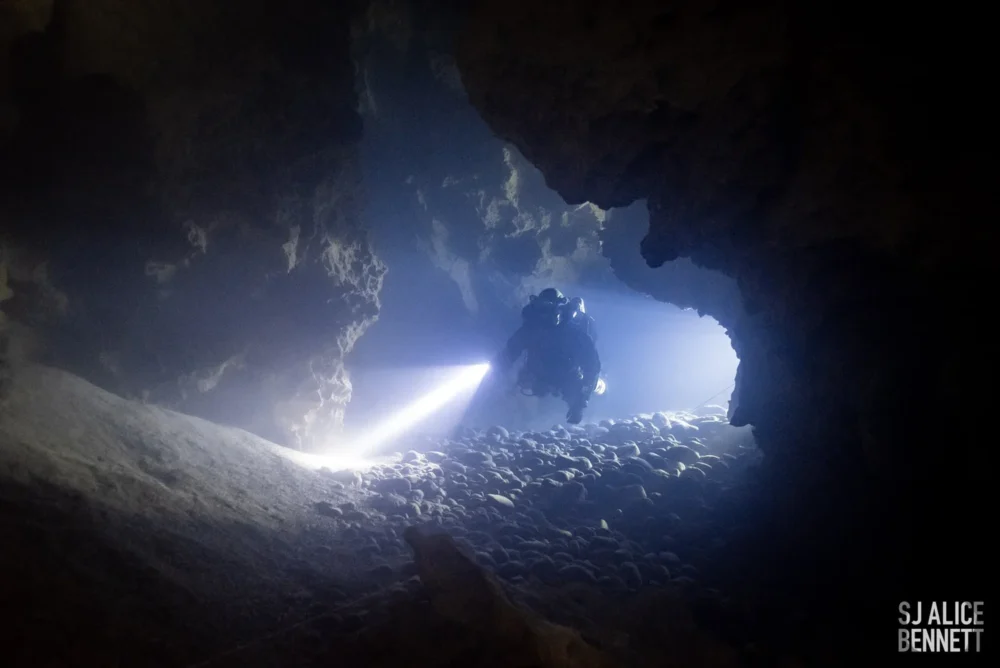
In 2022, cave explorers and scientists from the Guangxi 702 Cave Expedition Team descended into the newly reported sinkhole near Ping’e village in Leye County. The region is famous for its dramatic karst landscape—terrain formed when water erodes limestone over millions of years.
Using ropes and drones, researchers documented the sinkhole’s massive depth and width, confirming it was large enough to fit an entire city block inside. Their descent revealed something completely unexpected: a thriving green forest far below the surface.
2. The Sinkhole Is Deep Enough to Hold Skyscrapers

At roughly 630 feet deep and 1,000 feet long, the sinkhole is one of the largest ever discovered. Its steep walls shield the interior from wind, temperature changes, and most sunlight—creating a stable, humid environment ideal for plant growth.
Explorers described the descent as entering another world, where light filters down through the opening, feeding the dense vegetation that carpets the sinkhole’s floor. The sheer size and isolation make it a rare example of a living ecosystem hidden within the Earth.
3. The Forest Inside Is Dense and Flourishing
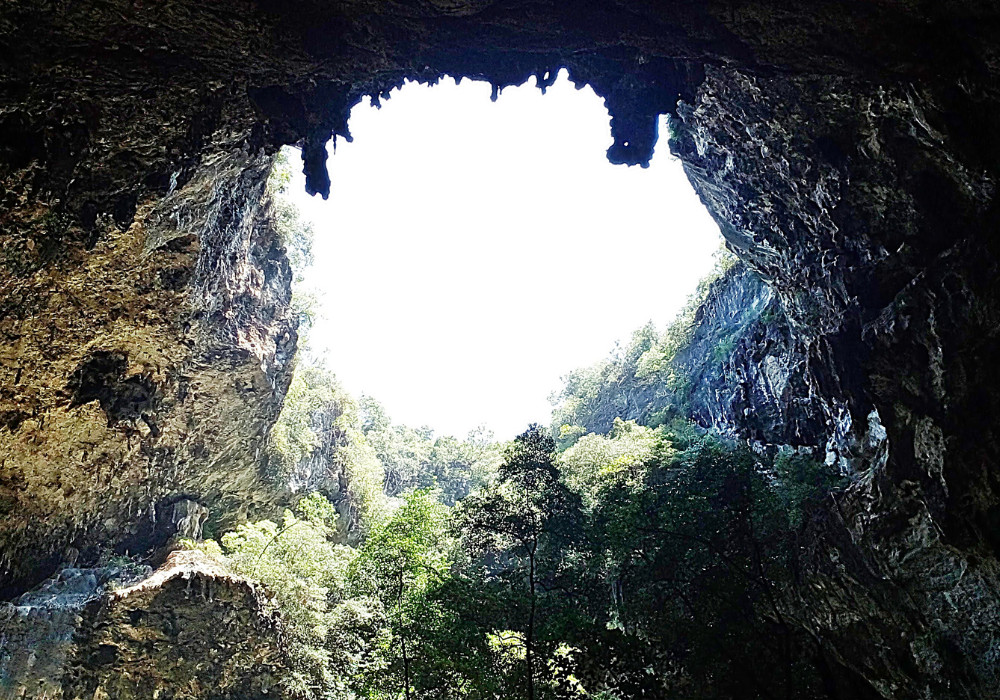
Once the team reached the bottom, they found trees soaring over 130 feet tall and thick layers of undergrowth. The vegetation was so dense that sunlight barely penetrated the canopy.
This unexpected vitality suggests that the sinkhole acts as a natural greenhouse, trapping moisture and nutrients. Many of the plants found there are believed to be ancient species that evolved in isolation, untouched by human activity or pollution.
4. The Sinkhole Formed Through Karst Erosion
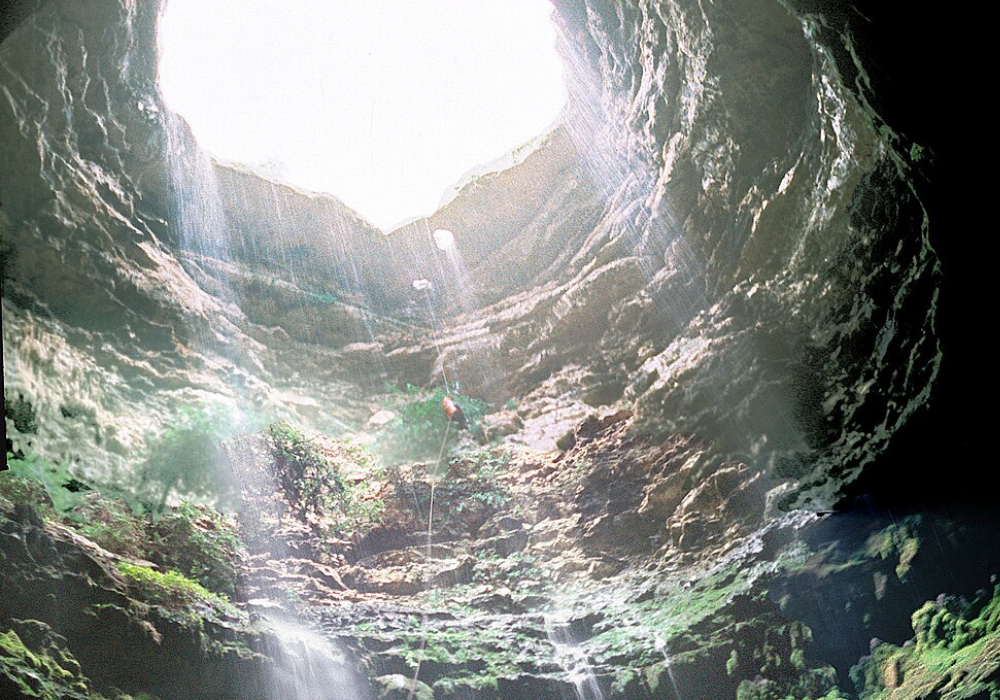
Geologists explain that the sinkhole formed through a process called karst erosion, where rainwater—slightly acidic from absorbing carbon dioxide—gradually dissolves limestone bedrock. Over millions of years, underground caverns expand until the roof collapses, revealing vast openings.
This part of Guangxi is one of the most geologically active karst regions on Earth. The newly discovered pit adds to China’s catalog of more than 30 known “tiankengs,” or celestial pits, celebrated for their size and otherworldly beauty.
5. The Unique Ecosystem Is a Time Capsule
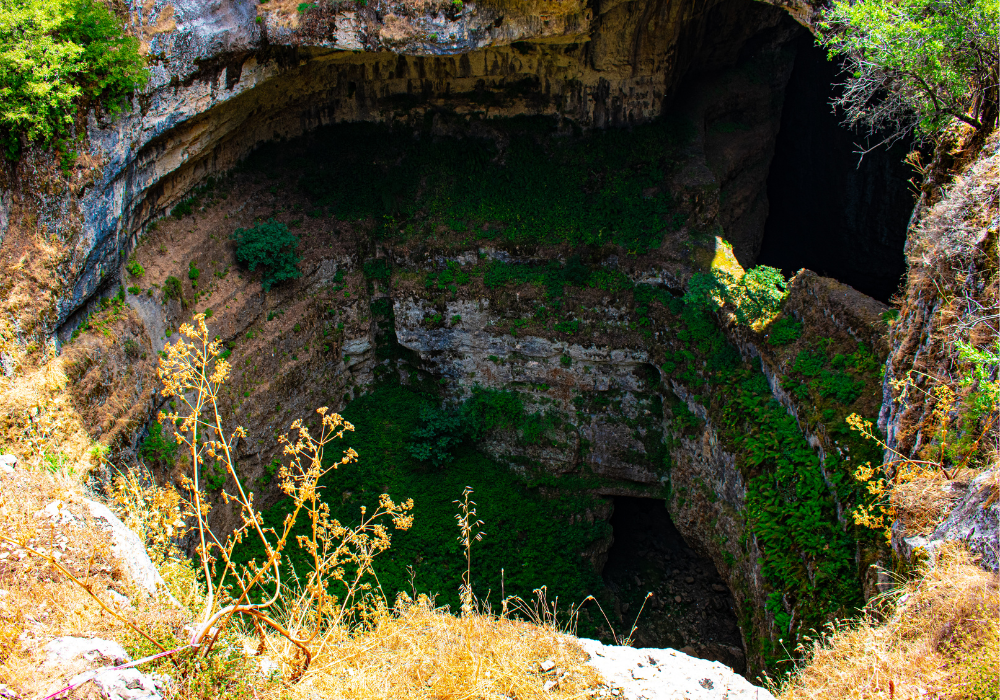
Because sunlight and rain reach the sinkhole’s floor in limited amounts, the environment remains moist, shaded, and cool. These stable conditions allow species to survive for millennia with little environmental change.
Scientists believe the forest’s isolation may have preserved plant lineages that disappeared elsewhere. It’s a natural time capsule—offering clues to prehistoric ecosystems that once covered much of southern China and possibly harboring species yet to be identified.
6. Trees Reach Heights Rivaling Ancient Forests
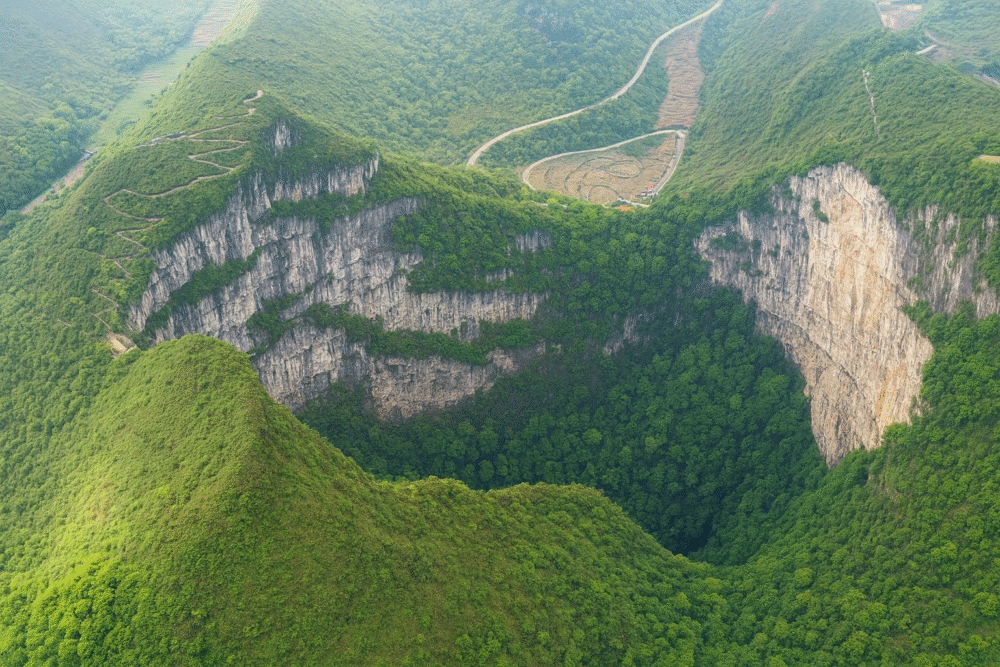
The team found several tree species exceeding 130 feet tall, comparable to ancient forests on Earth’s surface. Their straight trunks and dense canopies suggest they have grown undisturbed for hundreds of years.
Roots snake across moss-covered rocks and down into rich, moist soil. The floor of the sinkhole, fed by mineral runoff and constant humidity, provides an ideal environment for slow but continuous growth of these towering trees.
7. Scientists Are Studying the Microclimate

Researchers are analyzing how temperature, humidity, and light levels differ between the sinkhole and the surrounding surface. Preliminary measurements show that the interior maintains a remarkably stable climate, cooler in summer and warmer in winter.
This microclimate allows unique plant communities to thrive. It may even offer insight into how life adapts to extreme or enclosed environments—information that could help scientists understand biodiversity and ecosystem resilience.
8. Rare Plants Could Point to New Species
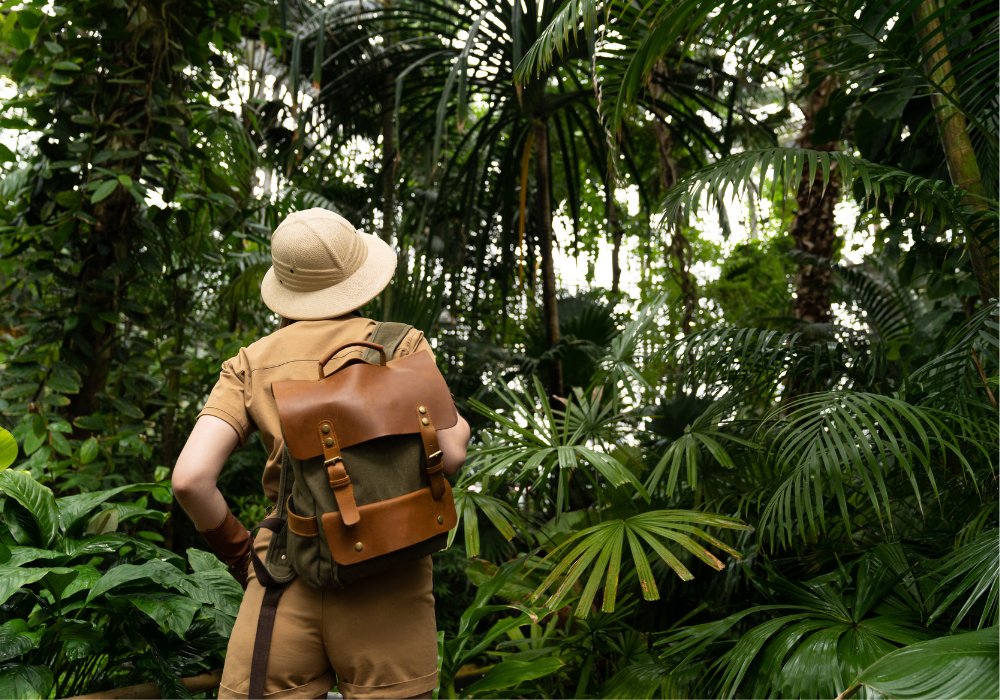
Botanists collected samples from several plant types believed to be rare or previously unrecorded. Some may belong to ancient lineages that evolved separately due to the sinkhole’s isolation.
Because it’s difficult for outside species to enter or for seeds to escape, the ecosystem has remained relatively pure. Ongoing analysis in Chinese laboratories could confirm whether any of the plants represent new species or genetic variations unseen elsewhere on Earth.
9. The Sinkhole Is Part of a Network of Caverns
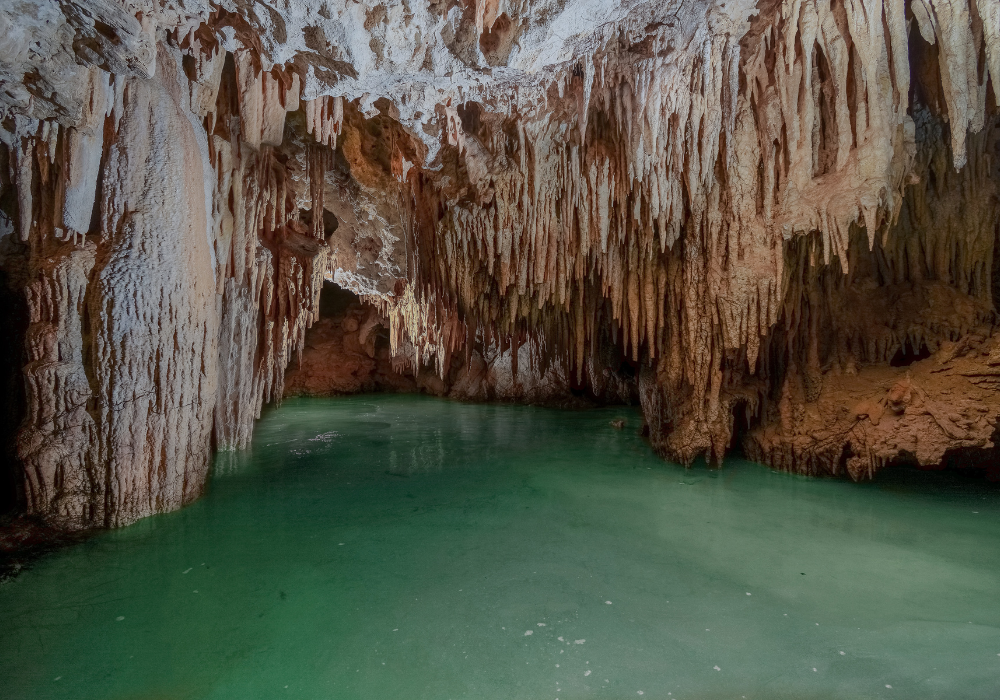
Exploration revealed multiple cave openings branching off the main sinkhole. These passages may connect to underground rivers or additional chambers still unexplored.
Such cave systems often serve as reservoirs of biodiversity, harboring insects, fungi, and microorganisms adapted to low-light environments. Future expeditions plan to map these extensions and study how subterranean ecosystems interact with the surface world.
10. China’s Karst Landscape Is a Global Treasure
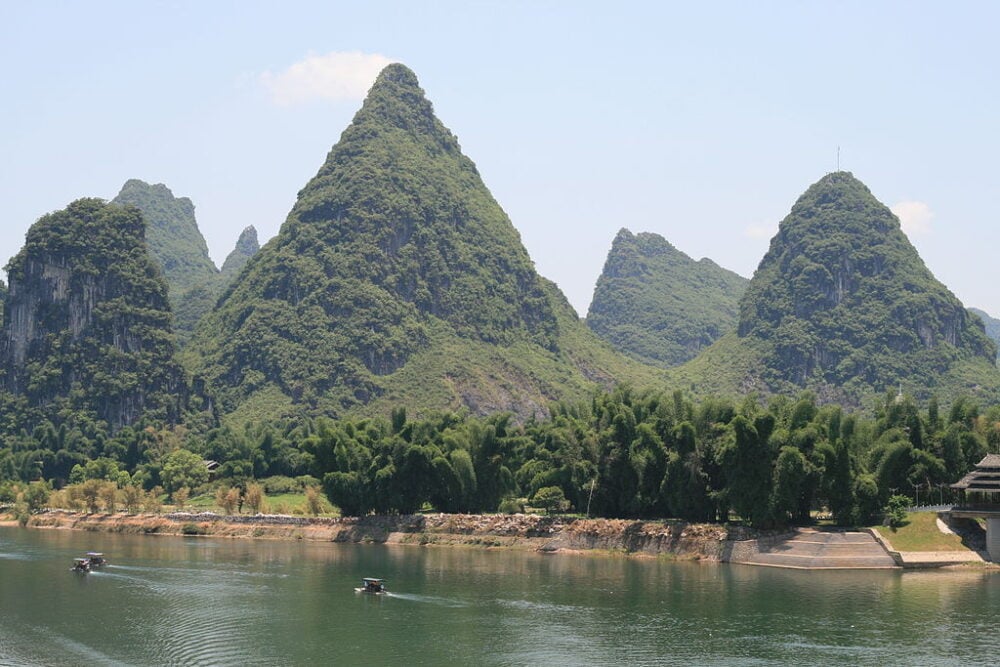
China’s Guangxi and neighboring provinces form part of a UNESCO World Heritage Site known for its spectacular karst formations—sinkholes, caves, and natural bridges. These landscapes support extraordinary biodiversity and provide vital freshwater systems.
The discovery of this new sinkhole reinforces the region’s importance as a natural laboratory for studying geological evolution and ecological isolation. It’s a reminder of how much of Earth’s hidden world remains unexplored.
11. A Living Reminder of Earth’s Ancient Past
The forest inside the sinkhole is more than a geological curiosity—it’s a glimpse into prehistoric Earth. Its untouched ecosystem may resemble the landscapes that flourished before modern civilization, offering scientists a living model of resilience and adaptation.
For now, the lush world inside the chasm remains largely untouched. As researchers continue their cautious exploration, this “lost forest” serves as a reminder that even in the age of satellites, our planet still holds secrets waiting to be uncovered.