
Fossils found in Scotland suggest the towering organism belonged to a long-lost branch of life.
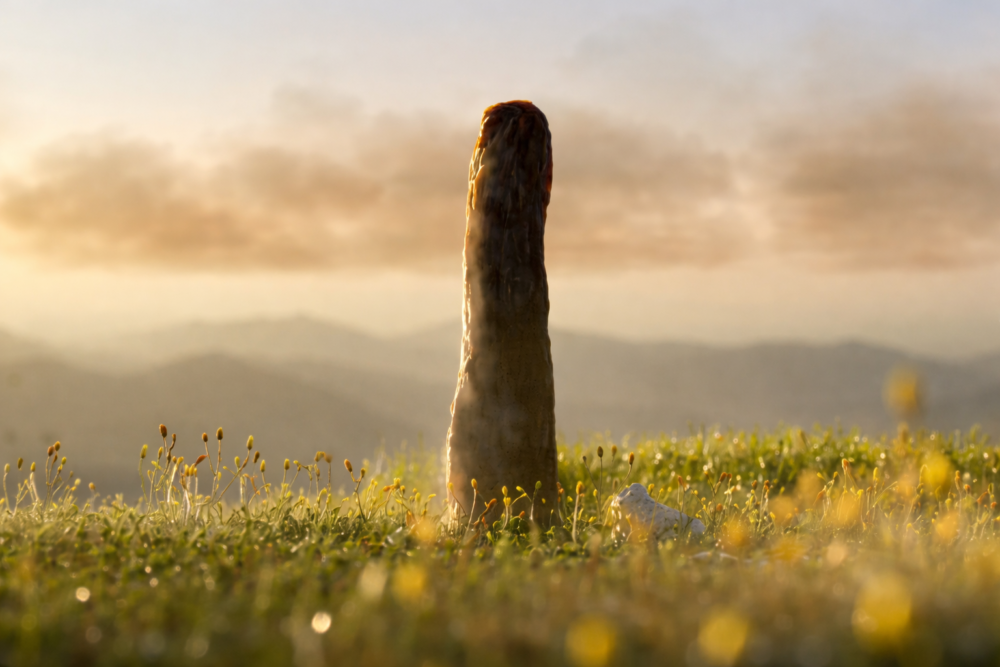
Long before trees, flowers, or even forests existed, something enormous was already rising above Earth’s barren landscape. Fossils found in Scotland and other parts of the world point to a mysterious organism called Prototaxites, which grew as tall as 26 feet hundreds of millions of years ago.
For decades, scientists argued over what it was, a fungus, a plant, or something else entirely. New research is now reviving that mystery, suggesting this giant may not fit into any living category at all.
1. What Prototaxites Looked Like

Prototaxites did not resemble modern trees or plants. Fossils show tall, trunk-like structures with no leaves, branches, or roots. Some specimens stretch more than 20 feet high and several feet wide.
Rather than spreading outward, Prototaxites grew straight up, forming pillar-like shapes that dominated the landscape. In a world without forests, it would have been one of the tallest things on land.
2. When This Giant Life Form Lived

Prototaxites lived roughly 420 to 370 million years ago, during the Devonian period. At that time, land ecosystems were just beginning to form, and plants were small and sparse.
There were no trees as we know them today. That makes the size of Prototaxites especially striking, since nothing else on land came close to its height.
3. Why Scientists Were Confused for So Long
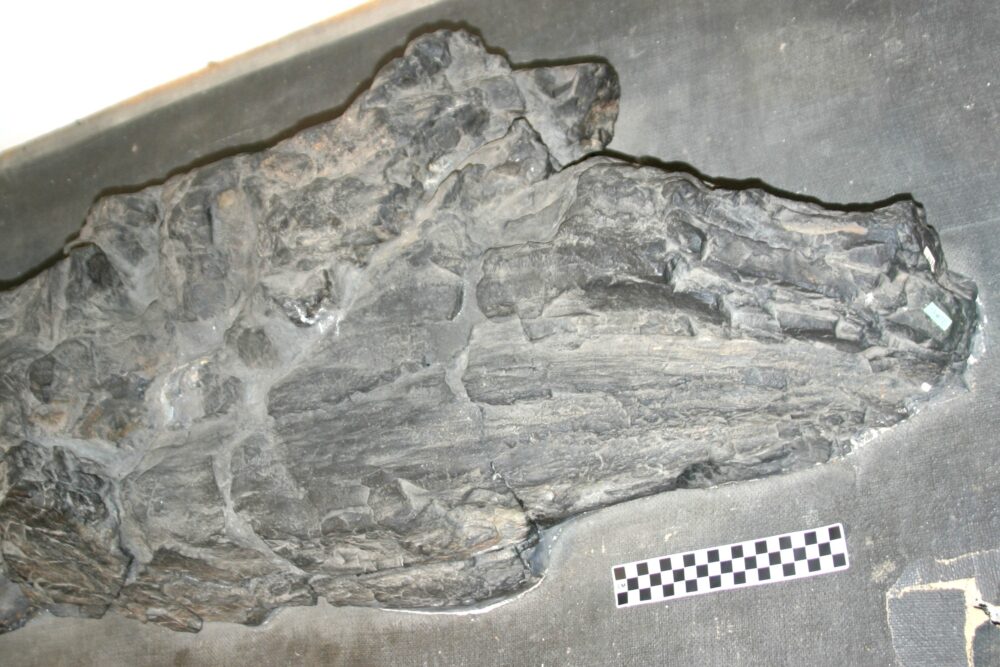
When Prototaxites fossils were first discovered in the 1800s, scientists could not agree on what they were seeing. Some thought they were primitive trees, while others suggested algae or rolled-up plant mats.
Later studies proposed that Prototaxites was a giant fungus, but even that explanation never fully fit all the evidence, keeping the debate alive for more than a century.
4. The Clue Hidden in Its Chemistry

One of the most important breakthroughs came from studying the chemical makeup of Prototaxites fossils. Isotopic analysis showed it did not produce its own food the way plants do through photosynthesis.
Instead, it appeared to absorb nutrients from organic material in its environment, more like fungi. But its internal structure still did not match any known fungal group.
5. Why Scotland’s Fossils Matter
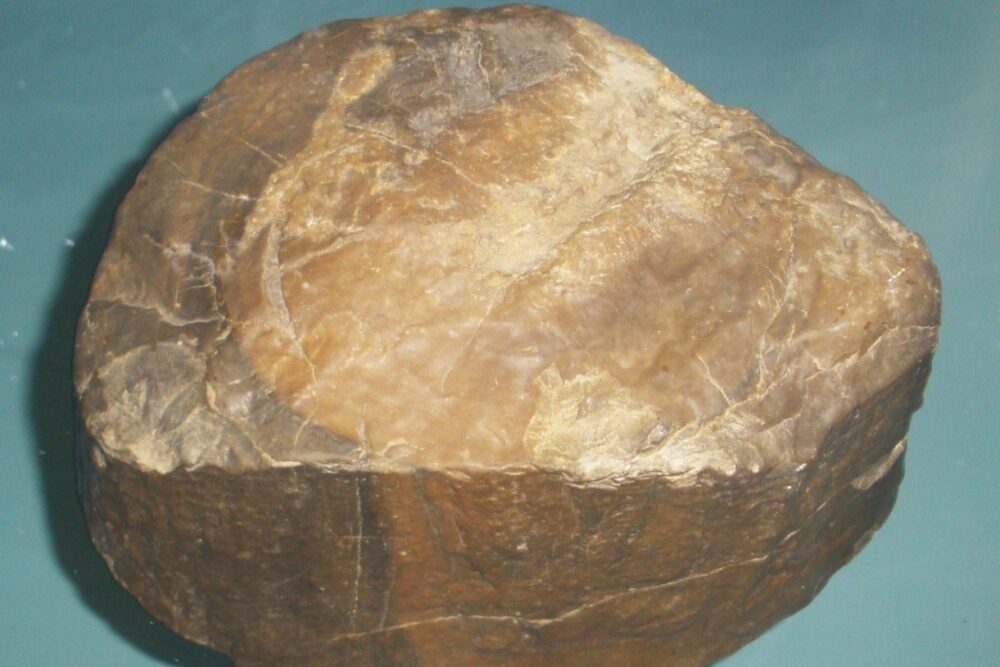
Scotland has produced some of the best-preserved Prototaxites fossils ever found. These specimens provide unusually detailed views of its internal patterns and growth structure.
Because of their quality, Scottish fossils have played a major role in recent reanalysis, helping scientists rule out several older theories about what Prototaxites was.
6. Evidence It Was Not a Plant

Plants have specific cell arrangements and growth patterns, especially when it comes to transporting water and nutrients. Prototaxites lacks many of these defining features.
Its structure does not show clear evidence of vascular tissue, which plants rely on to grow tall. That makes it unlikely to be an early tree or plant ancestor.
7. Why It Does Not Fit Known Fungi Either
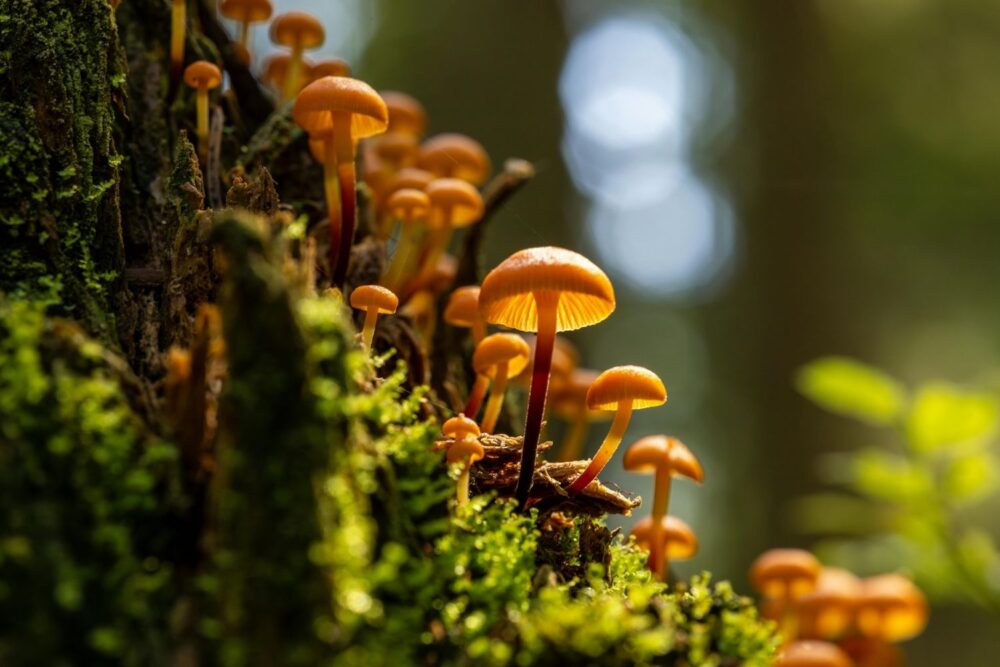
Although Prototaxites shares some traits with fungi, it does not cleanly fit into any fungal group alive today. Its size alone is far beyond anything seen in modern fungi.
Researchers also note differences in internal organization that suggest it followed a unique biological blueprint, one that no longer exists on Earth.
8. A Possible Extinct Branch of Life

Some scientists now argue that Prototaxites represents an entirely extinct lineage, a form of life that evolved early on and later disappeared without leaving descendants.
If true, this would mean Earth once hosted major life forms that do not fit into today’s categories of plants, animals, or fungi.
9. What the Ancient Landscape Looked Like

During Prototaxites’ time, land was mostly rocky and bare, with small plants hugging the ground. In that environment, towering pillars of organic life would have been visually dominant.
They may have shaped early ecosystems by providing shade, breaking wind, and contributing organic material as they decayed.
10. Why Prototaxites Eventually Disappeared

As plants evolved taller forms and forests began to spread, ecosystems changed dramatically. Prototaxites may have been unable to compete with these new life forms.
Shifts in climate, soil development, and nutrient cycles could have contributed to its decline and eventual extinction.
11. What This Discovery Changes About Early Life
Prototaxites challenges the idea that early life followed a simple path toward modern plants and animals. Instead, it suggests evolution experimented with forms that no longer exist.
Its story reminds scientists that the history of life on Earth is more complex, and more surprising, than the living world alone can show.