
A devastating fire exposed thousands of hidden artifacts, revealing surprising details about life in an early 19th-century frontier tavern.
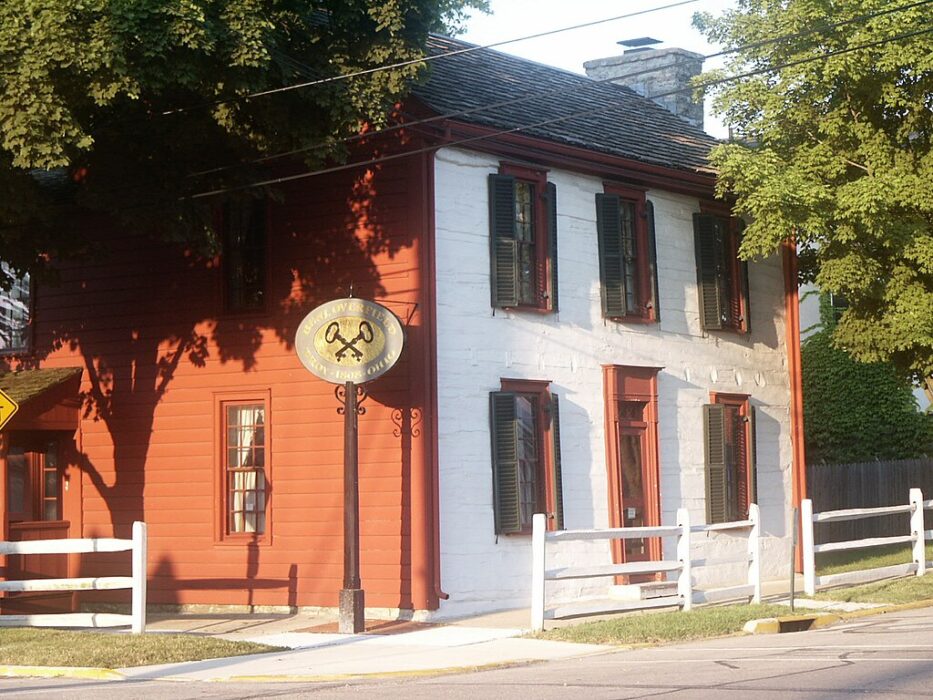
When a historic early-1800s tavern in Ohio burned to the ground, archaeologists expected to find little more than charred debris. Instead, the site revealed more than 4,500 artifacts hidden beneath the rubble—everything from coins and broken ceramics to tools, pipes, and long-lost personal items. These unexpected discoveries are offering a rare glimpse into tavern life on the American frontier. What began as a devastating fire is now one of the most intriguing archaeological finds the town has ever seen.
1. Archaeologists Recovered More Than 4,500 Artifacts After the Fire

When the Overfield Tavern in Troy, Ohio burned in December 2024, archaeologists expected to find mostly ash and debris. Instead, they uncovered more than 4,500 artifacts preserved beneath collapsed floors and buried soil layers. Many had been protected for nearly two centuries by the building’s original construction and the debris that sealed them in place.
These objects offer a rare look into everyday life at an early 19th-century tavern. Because many artifacts were found exactly where they had fallen, researchers can study authentic patterns of use, loss, and activity dating back to the 1800s.
2. The Tavern Was a Central Stop for 19th-Century Travelers
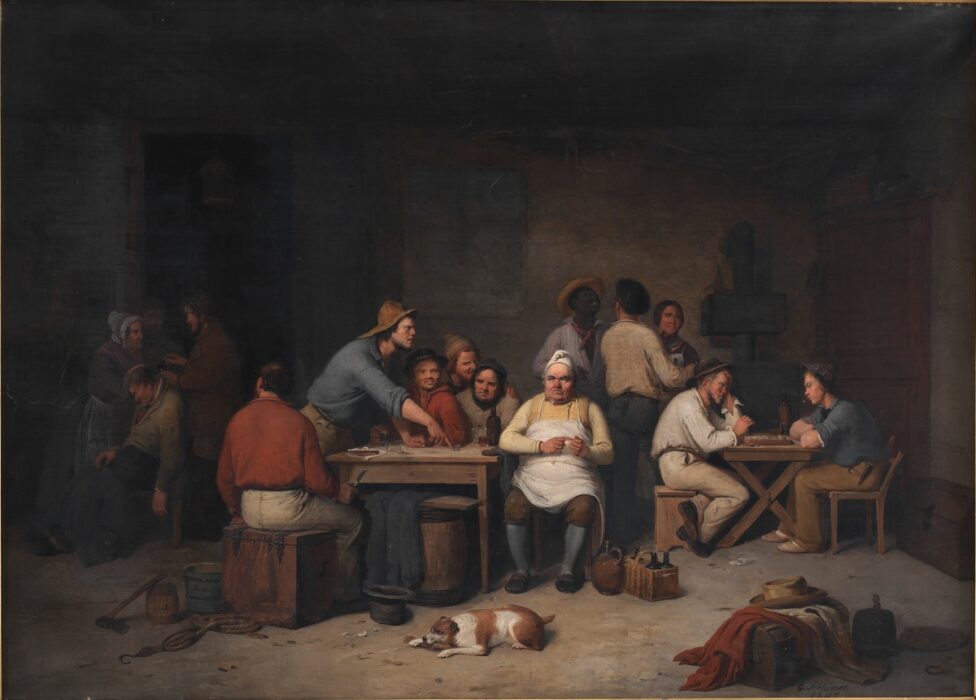
Built in the early 1800s, the tavern served stagecoach passengers, traders, and settlers moving through northern Ohio during a period of rapid expansion. Inns like this offered beds, meals, and a place for travelers to exchange news while passing through unfamiliar territory.
Because so many people from different regions visited the tavern, the building accumulated a wide variety of objects. The artifacts reflect not only local life but also the movement of people and goods along early transportation routes.
3. Ceramic Fragments Show What People Ate and Drank
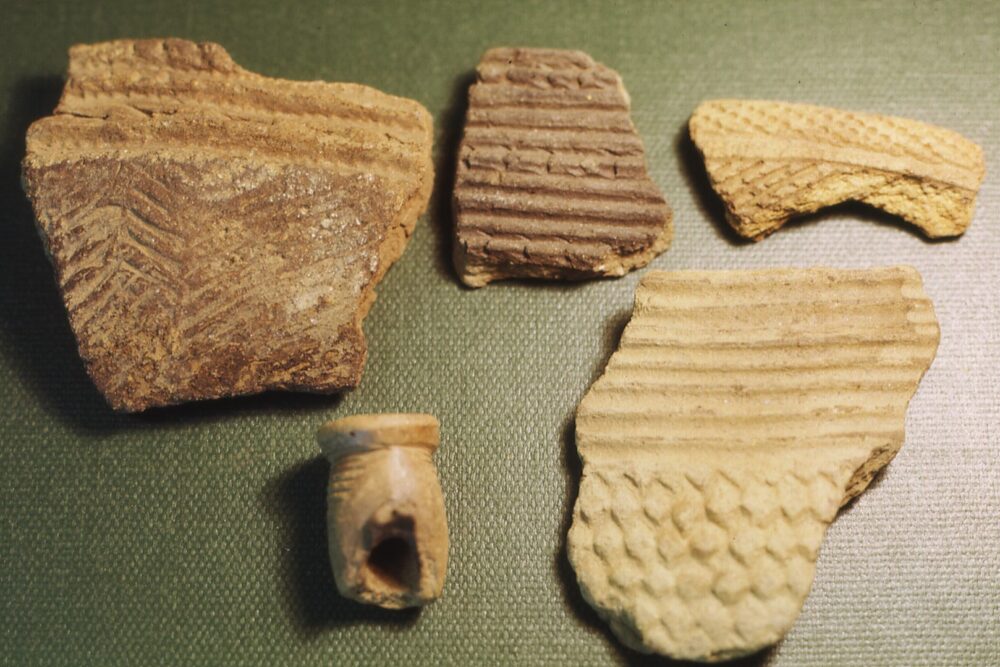
Researchers recovered large numbers of plate, bowl, mug, and pitcher fragments used to serve tavern meals. Many pieces were inexpensive domestic ceramics, while others came from imported wares, showing that customers used a mix of everyday and higher-quality tableware.
These fragments help archaeologists reconstruct menus and food traditions. By identifying vessel types and decorative styles, they can learn what kinds of meals were common and how the tavern balanced practicality with the demands of frequent travelers.
4. Clay Pipes Reveal How Guests Passed the Time

Among the most common finds were clay tobacco pipe fragments—items routinely used by tavern patrons. These pipes were inexpensive, fragile, and often discarded after short use, making them a reliable marker of social habits in public gathering spaces.
Their presence confirms that smoking was a widespread pastime among travelers and locals alike. Finding pipe stems and bowls in multiple layers suggests that smoking was a consistent part of tavern culture throughout its long operation.
5. Coins and Personal Items Suggest Constant Foot Traffic
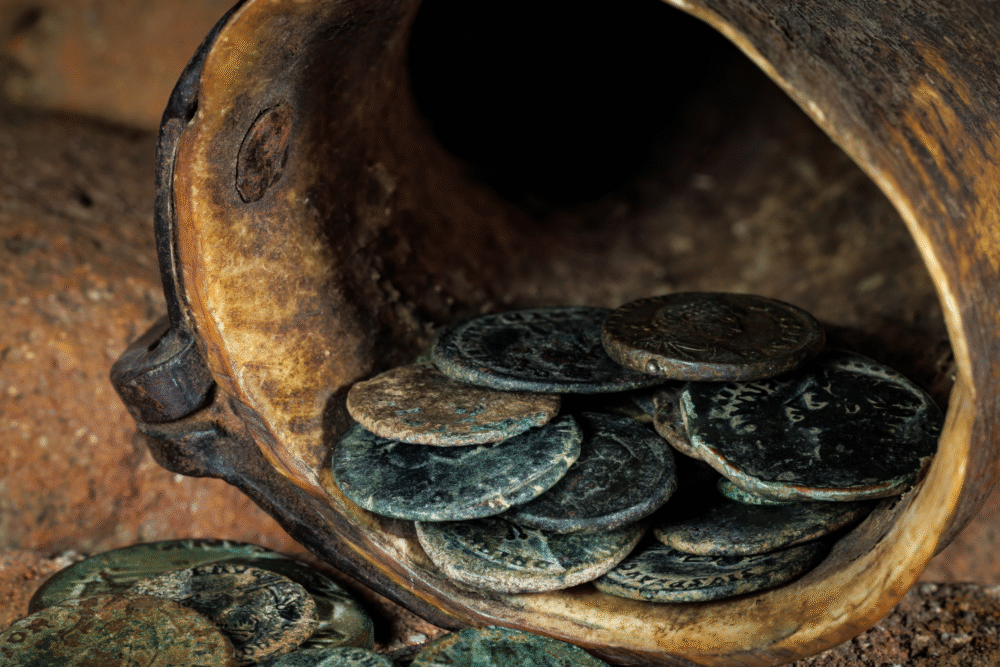
Archaeologists discovered coins, buttons, buckles, and small personal belongings that likely fell from guests’ pockets as they moved through the tavern. These items help researchers understand who visited the site and how frequently people passed through.
The variety of personal artifacts suggests a bustling establishment. Because such items were lost inadvertently, they offer authentic glimpses into ordinary lives—people who stopped at the tavern briefly but left traces that survived for centuries.
6. Tools and Hardware Point to the Building’s Daily Work
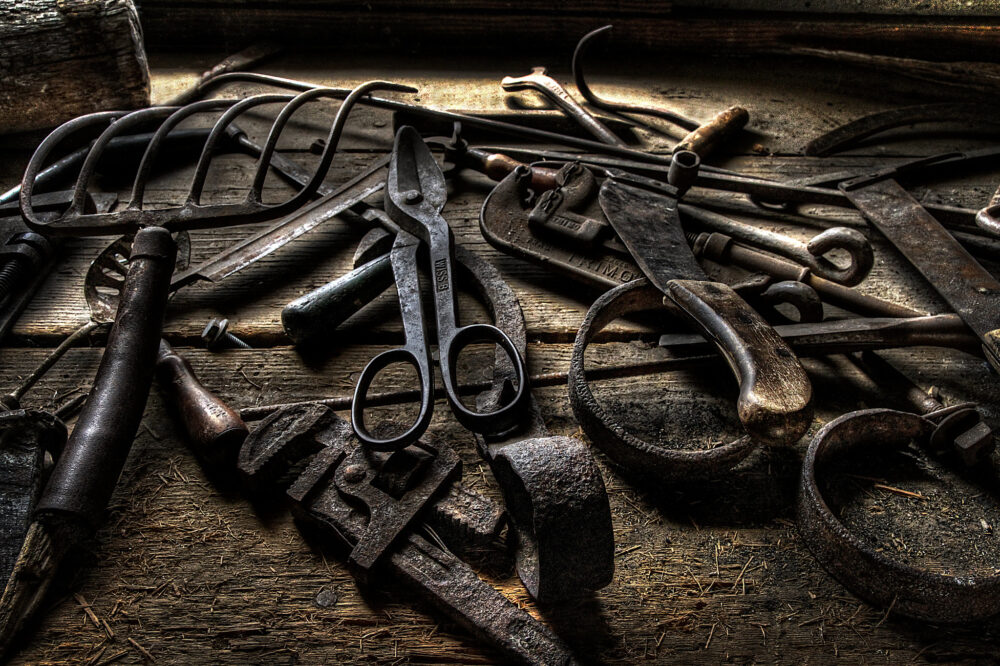
Items such as nails, hinges, tools, and metal fittings were found throughout the excavation. These objects reveal how the structure was built, repaired, and modified over time to accommodate guests, storage, and kitchen functions.
Studying this hardware helps archaeologists understand the tavern’s layout and the labor required to run it. The presence of multiple tool types suggests that repairs and maintenance were common in a heavily used frontier building.
7. Glass Bottles Show What Was Served at the Tavern

Fragments of glass bottles—some for liquor, others for medicine or household goods—were scattered throughout the site. These pieces help identify what beverages and products were used by the tavern’s staff and guests.
Bottles also reflect wider trade networks. Many containers held items that traveled long distances before arriving at the tavern, revealing connections between rural Ohio and broader commercial markets in the 19th century.
8. Animal Bones Help Reconstruct Historic Tavern Meals
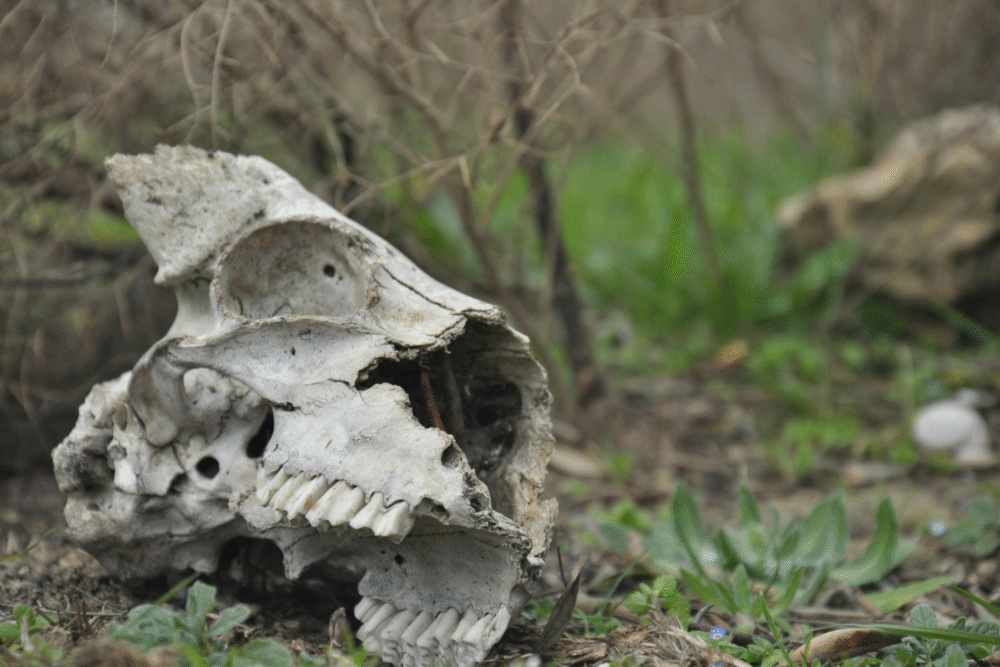
Archaeologists uncovered animal bones from pigs, cows, and other livestock, offering evidence of what meals were commonly prepared for travelers. These remains show which cuts of meat were served and how food waste was managed by tavern workers.
Analyzing bone fragments helps researchers understand diet, cooking methods, and food availability. It also reveals how the tavern balanced cost, storage limitations, and customer demand in an era before modern refrigeration.
9. Burn Patterns Provided Clues About the Fire’s Destruction
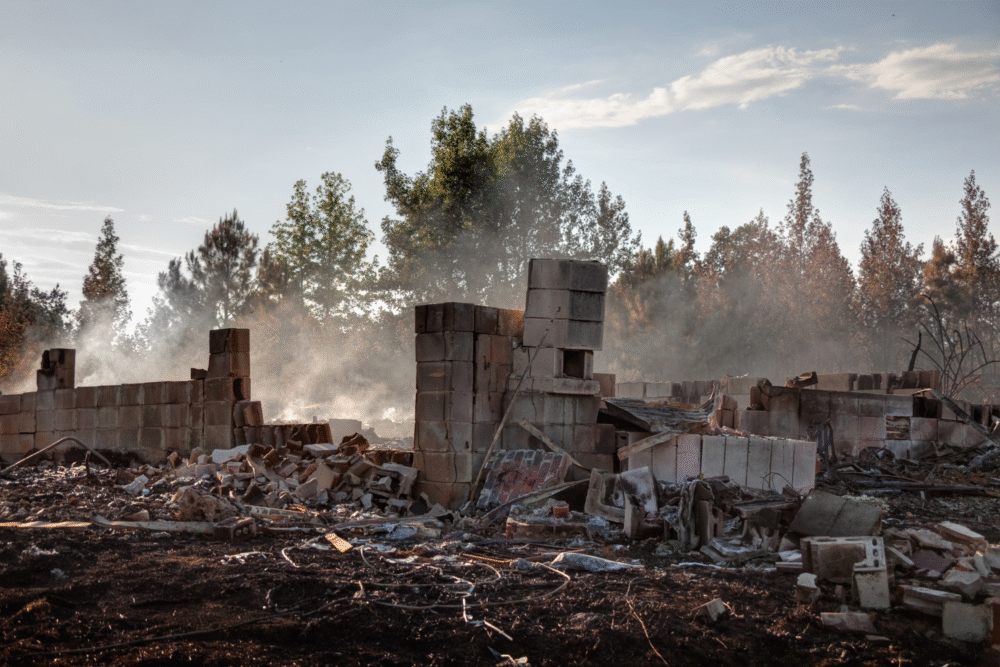
The excavation revealed charred beams, collapsed walls, and layers of ash that showed how the fire moved through the building. These burn patterns help investigators understand the sequence of events and why so much material was preserved beneath the rubble.
Determining how the fire progressed also helps archaeologists locate undisturbed artifact layers. Knowing which areas collapsed directly downward allows researchers to identify zones where objects remained sealed and protected.
10. The Discovery Offers a Rare Snapshot of Frontier Life

Because the tavern operated for roughly 200 years, the fire created an opportunity to study multiple generations of use in a single dig. The artifacts reflect changing fashions, technologies, and social habits across the 19th and early 20th centuries.
This type of intact archaeological record is uncommon. Most historic tavern sites have been renovated repeatedly or disturbed by development, making the Old Stone Tavern’s preserved layers especially valuable for researchers.
11. The Site Is Now One of Ohio’s Most Significant Excavations

Local officials and archaeologists say the findings represent one of the most important archaeological discoveries in the region. The volume and diversity of artifacts offer unmatched insight into early settlement patterns and daily life in this part of Ohio.
The excavation also highlights the unexpected scientific value that can emerge from disasters. What began as a tragic fire has transformed into a major historical project that will inform researchers and the community for years to come.