
A neglected medieval manuscript suggests Europeans may have known of lands west of Greenland long before 1492.
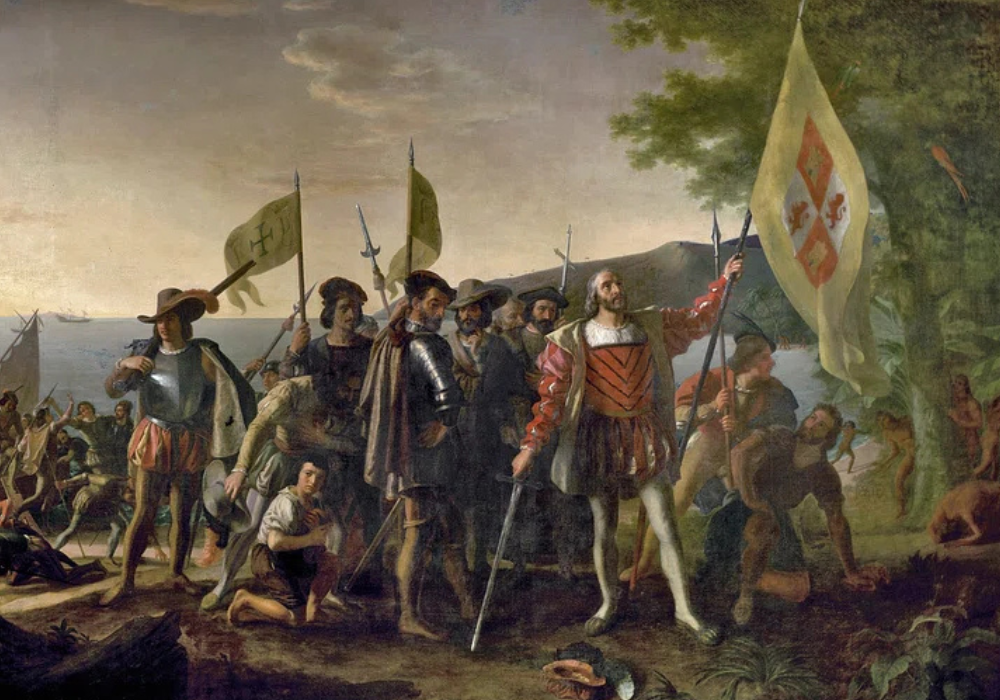
For centuries, historians assumed Europeans had no written knowledge of North America outside Norse sagas until after Columbus. But a newly analyzed 14th-century manuscript from Milan challenges that belief. In his Cronica universale, Dominican friar Galvaneus Flamma briefly described a place he called “Marckalada,” a land west of Greenland that resembles descriptions of coastal North America found in Icelandic texts. Scholars say the reference shows that information about distant Atlantic lands traveled farther and earlier than previously recognized, reshaping our understanding of medieval geography and communication.
1. A Medieval Friar Mentioned a Land West of Greenland
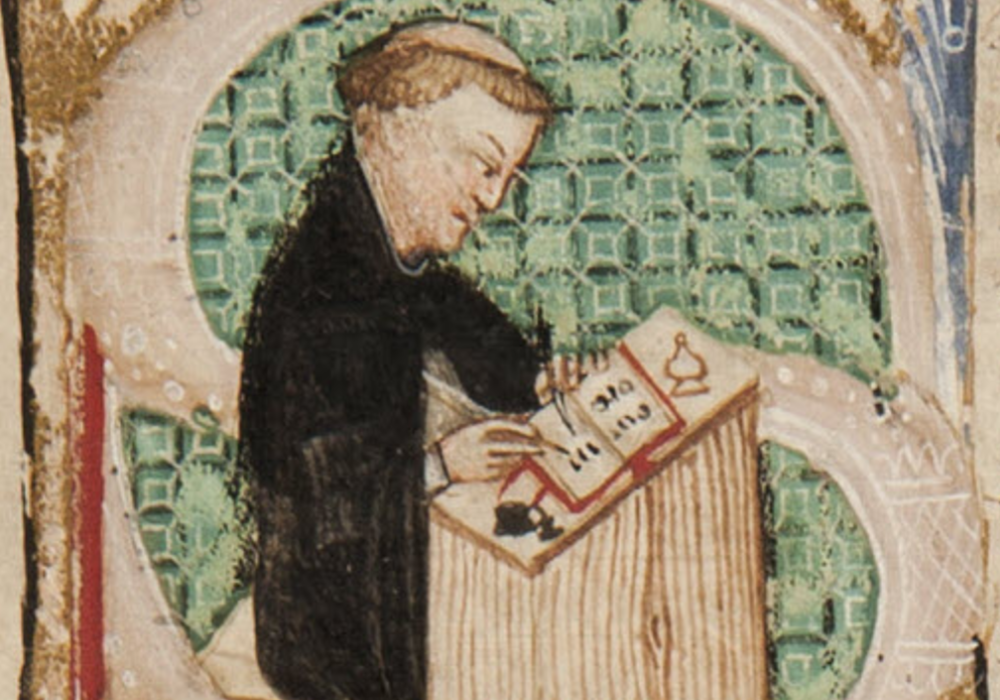
Galvaneus Flamma, a Dominican friar writing in Milan in the 1330s, included a short but striking passage in his Cronica universale. He described a place called “Marckalada,” located west of Greenland, known for forests and abundant animals. This reference aligns closely with Norse descriptions of North America recorded in Icelandic sagas.
The discovery is significant because Flamma had no known contact with Scandinavia. His mention shows that knowledge of western lands circulated more widely across medieval Europe than previously believed, even in regions far from Norse settlements.
2. “Marckalada” Matches Norse Descriptions of Markland
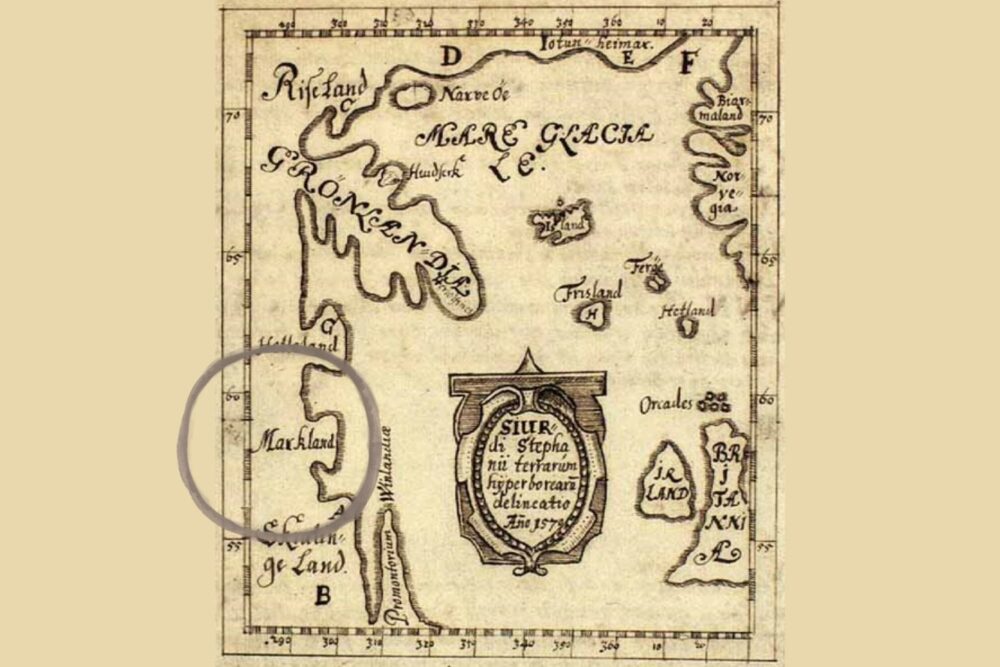
The name “Marckalada” strongly resembles the Norse word “Markland,” a region described in sagas as a forested land to the west. Markland is understood by historians to refer to part of modern eastern Canada, likely Labrador. The similarities between Flamma’s description and the Norse records suggest he was referencing the same place.
Because the sagas were not widely disseminated in continental Europe, Flamma’s account implies that oral or secondary knowledge of Norse exploration spread farther than written sources reveal.
3. The Manuscript Predates Columbus by 150 Years
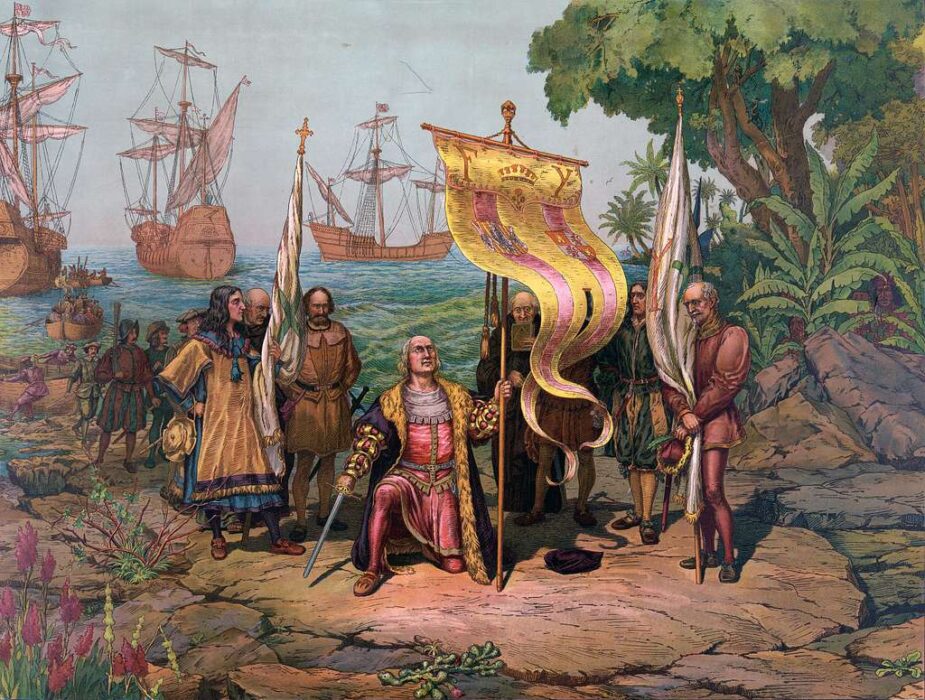
Flamma wrote around the 1330s, more than a century and a half before Columbus sailed in 1492. Medieval Europe is not typically associated with knowledge of distant Atlantic lands during this time, which makes the mention remarkable.
While the manuscript doesn’t claim detailed exploration or European contact with America, its early date challenges the long-held assumption that southern Europe had no awareness of western lands until the Age of Discovery.
4. Scholars Believe Flamma Heard the Story from Genoese Sailors
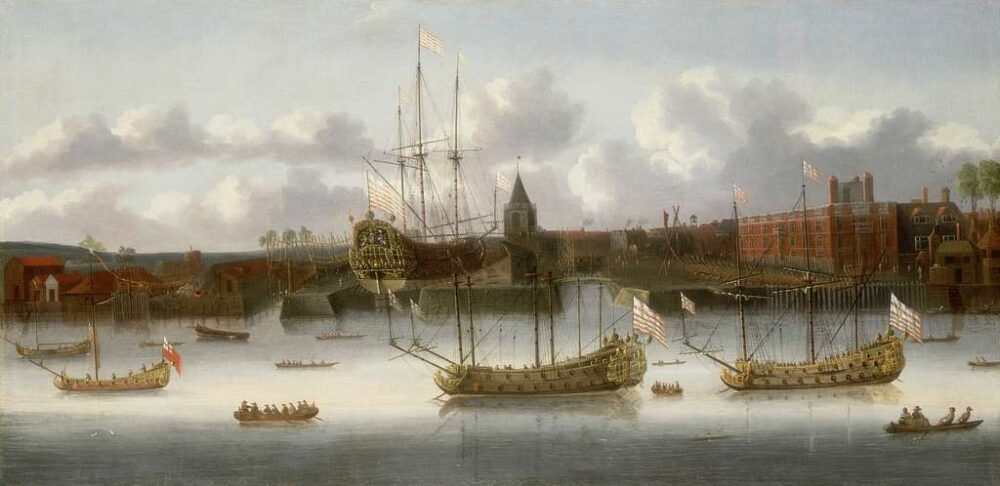
Researchers think Flamma likely learned about Marckalada from sailors based in Genoa, one of medieval Europe’s most important maritime hubs. Genoa had extensive trading networks stretching into the North Atlantic, including contact with seafarers who encountered Norse traders.
Because Milan was far from the sea, the most plausible explanation is that maritime rumors or reports reached him through these Genoese connections. This would show how seafaring information circulated across regional and national boundaries.
5. The Manuscript Shows Knowledge Spread Beyond Written Sagas
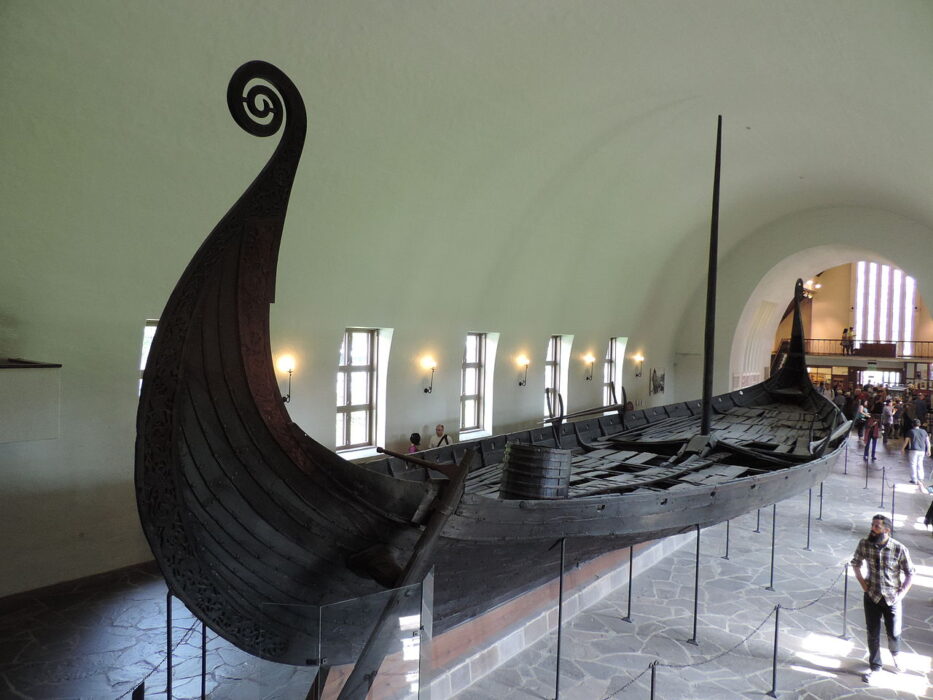
Before this discovery, written references to Markland were almost entirely confined to Icelandic texts. Flamma’s account is the first known southern European mention of the land, demonstrating that Norse discoveries were not isolated within Scandinavian culture.
This suggests oral transmission, merchant travel, and cross-cultural exchanges played a larger role in spreading geographic knowledge than previously recognized. It reveals that medieval Europe was more interconnected than commonly assumed.
6. The Discovery Was Made by a Medieval Literature Expert

The significance of Flamma’s passage went unnoticed for centuries until historian Paolo Chiesa analyzed the manuscript. Chiesa’s work compared the text with known saga descriptions and identified the striking overlap.
His study highlights how many medieval texts remain understudied or misinterpreted, particularly those not yet translated into modern languages. The find shows that major historical insights can still emerge from reexamining archival materials.
7. The Manuscript Contains Only a Brief Reference
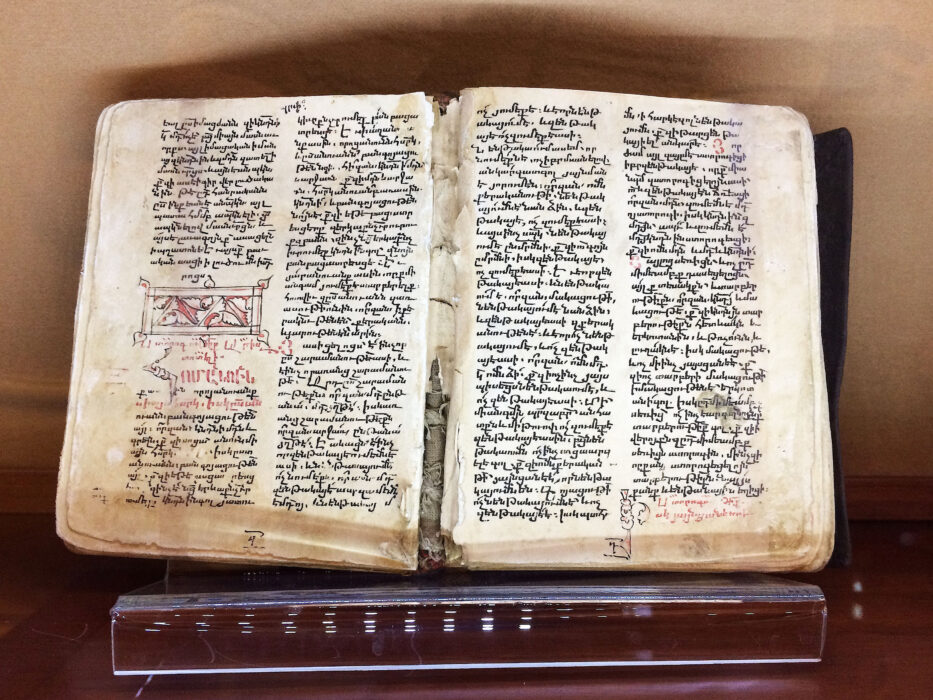
Importantly, Flamma did not provide a detailed account of Marckalada. The reference is short—just a few sentences—and appears within a larger geographic description of the world.
The lack of detail suggests he was reporting second-hand information rather than firsthand knowledge. This makes the passage more credible, as it matches the way medieval chroniclers typically presented distant, unfamiliar lands based on travelers’ stories.
8. It Does Not Claim Exploration by Italians
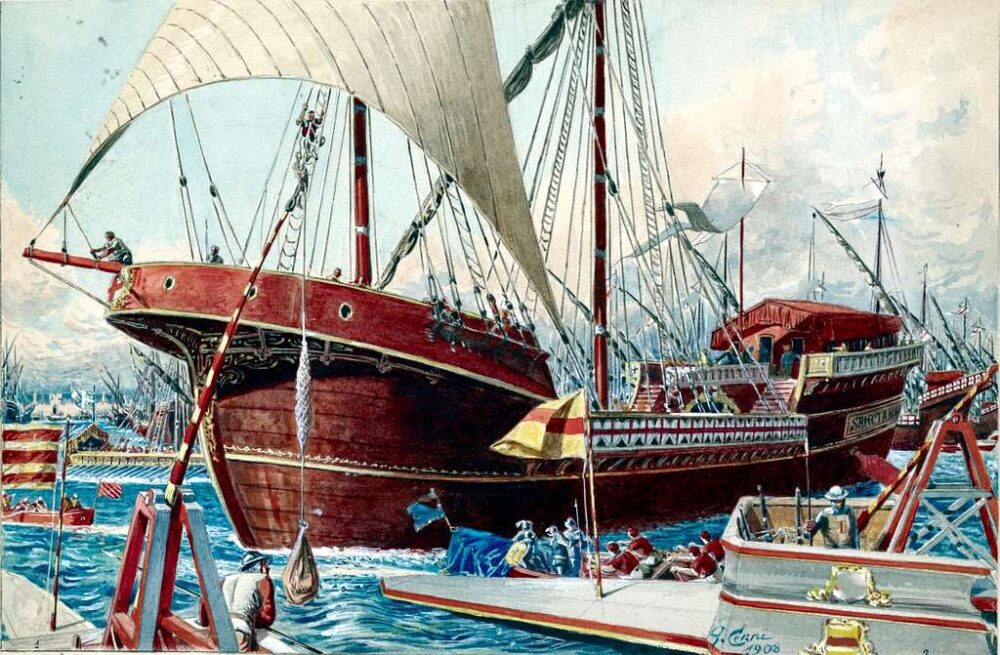
The manuscript does not suggest that Italian or Mediterranean sailors reached North America. Instead, it reflects early knowledge of lands far to the west, likely transmitted through Norse exploration networks.
Historians stress that the find does not rewrite the discovery of America, but it expands our understanding of medieval awareness of the Atlantic world. The reference shows that Europeans beyond the Norse were aware such lands existed.
9. The Find Fits Known Norse Settlement Timelines

Archaeological evidence confirms Norse presence at L’Anse aux Meadows in Newfoundland around 1000 AD. Sagas also describe voyages to Helluland, Markland, and Vinland. Flamma’s 14th-century mention fits comfortably within this established timeline.
By the 1300s, Norse Greenlanders were still active enough for stories of nearby lands to travel through merchant channels. This timing supports the plausibility of Flamma’s reference.
10. The Term Suggests a Forested, Resource-Rich Land
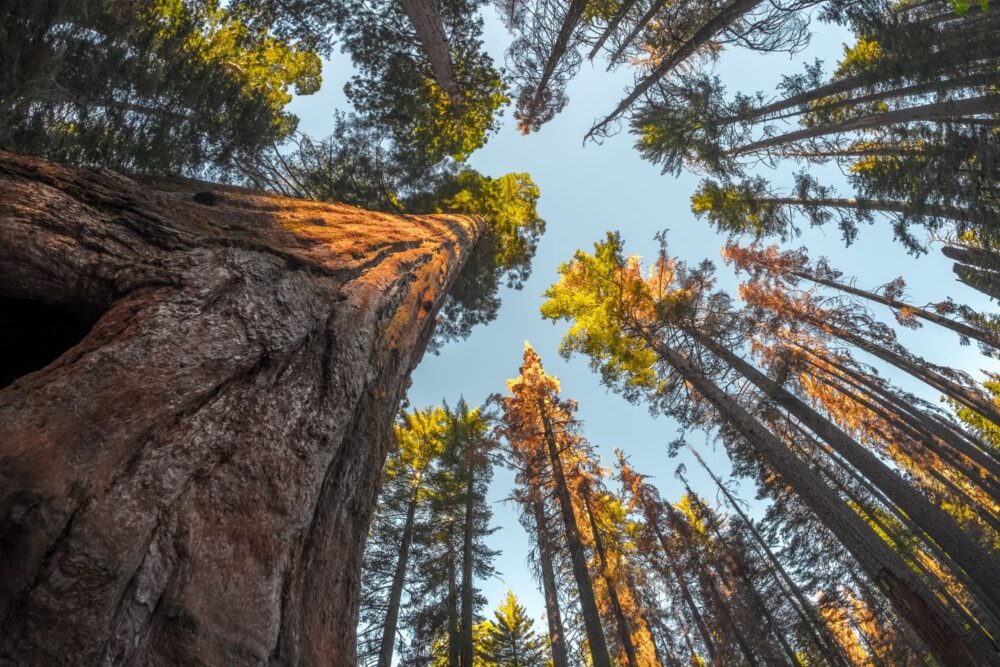
Flamma described Marckalada as a place with “trees of marvelous size,” paralleling saga descriptions of Markland’s extensive forests. This further strengthens the connection between his account and known Norse terminology.
Forest resources were particularly valuable to Greenland’s settlers, who lacked timber. This shared emphasis in the descriptions suggests both sources refer to the same North American region.
11. The Discovery Adds Complexity to European Knowledge Before Columbus

Taken together, the manuscript suggests medieval Europeans had more fragmented but wider knowledge of the western lands than historians believed. While not evidence of early Italian exploration, it shows that information about North America filtered through Europe long before the 15th century.
This discovery enriches the broader narrative of pre-Columbian awareness and highlights the complex pathways by which geographic knowledge traveled during the Middle Ages.