
Archaeologists say the detailed statue predates Stonehenge and offers new clues about early human culture.
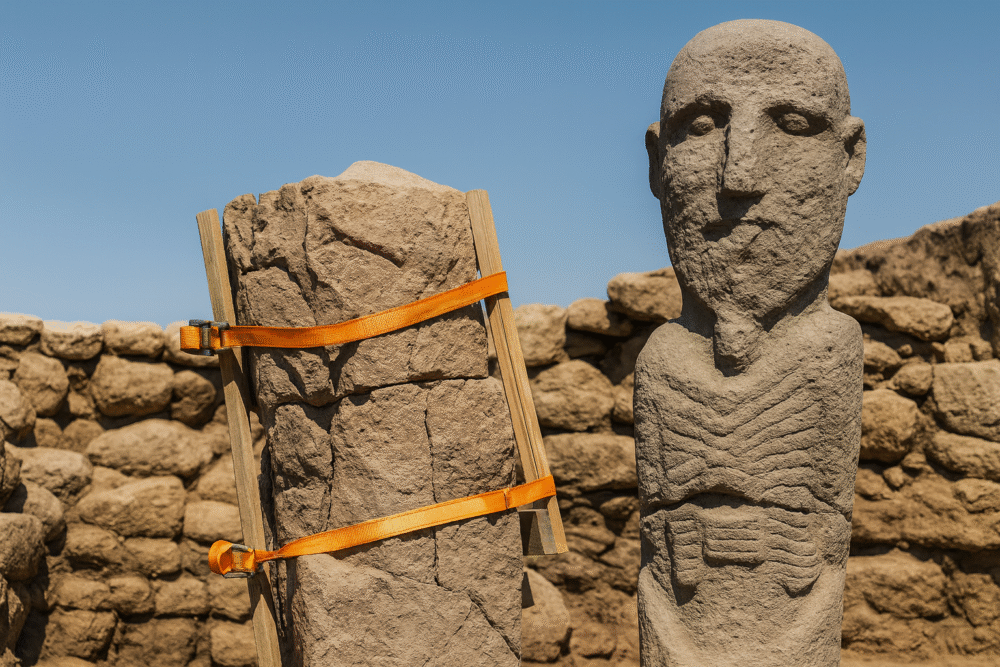
Archaeologists in southeastern Turkey have unearthed a 12,000-year-old life-sized human statue at Göbekli Tepe—one of the oldest known temple complexes in the world. The carved figure, discovered during excavations led by the Şanlıurfa Archaeology Museum and the German Archaeological Institute, is believed to date to around 9400 BCE, during the Pre-Pottery Neolithic period. Measuring roughly 7.5 feet tall, the statue is strikingly detailed, featuring a rib cage, hands, and realistic facial features. Researchers say it could be the earliest known life-sized human sculpture ever discovered, offering rare insight into the symbolic art and spiritual life of early societies.
1. The Statue Dates Back More Than 12,000 Years
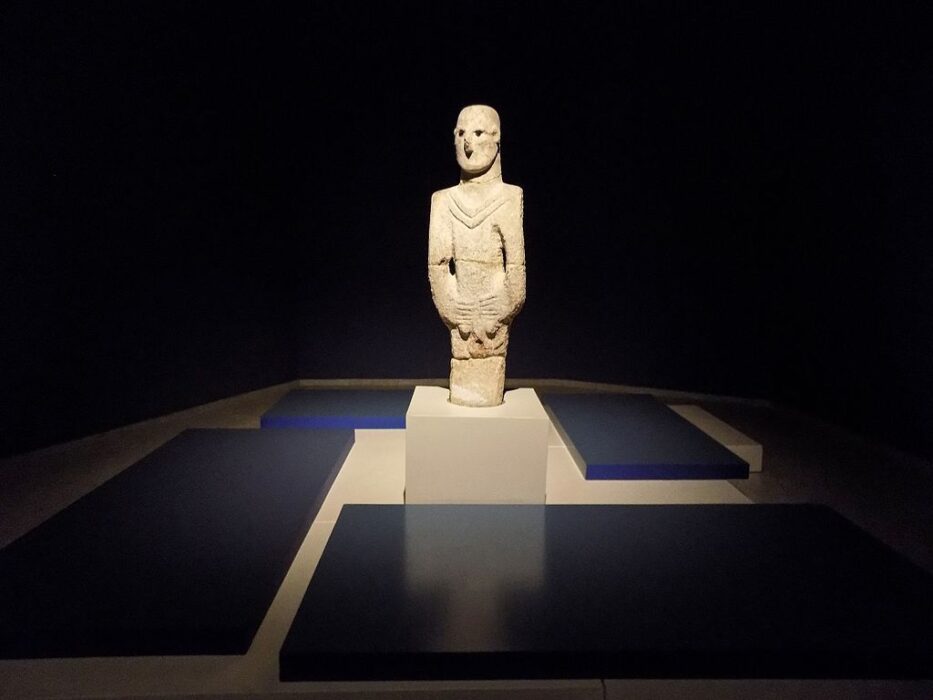
The newly uncovered statue, known as the “Balıklıgöl Statue,” dates to roughly 9400 BCE, making it over 12,000 years old. That places it thousands of years older than Stonehenge or the Egyptian pyramids.
Archaeologists link it to the same cultural horizon as Göbekli Tepe—a site considered the world’s first monumental temple complex. The discovery pushes back the timeline for sophisticated human art and symbolic representation to a period just after the last Ice Age ended.
2. It Was Found Near Göbekli Tepe, the Oldest Known Temple Site
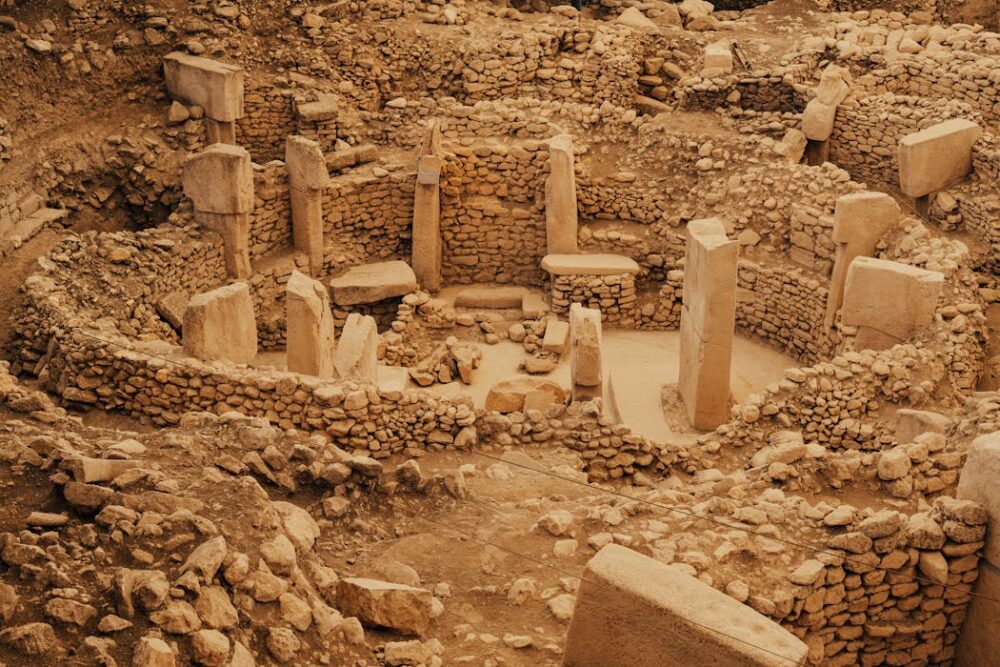
The statue was uncovered at Karahan Tepe, part of a network of Neolithic sites around Göbekli Tepe in Turkey’s Şanlıurfa province. Together, these sites form what archaeologists call the “Taş Tepeler,” or “Stone Hills” region.
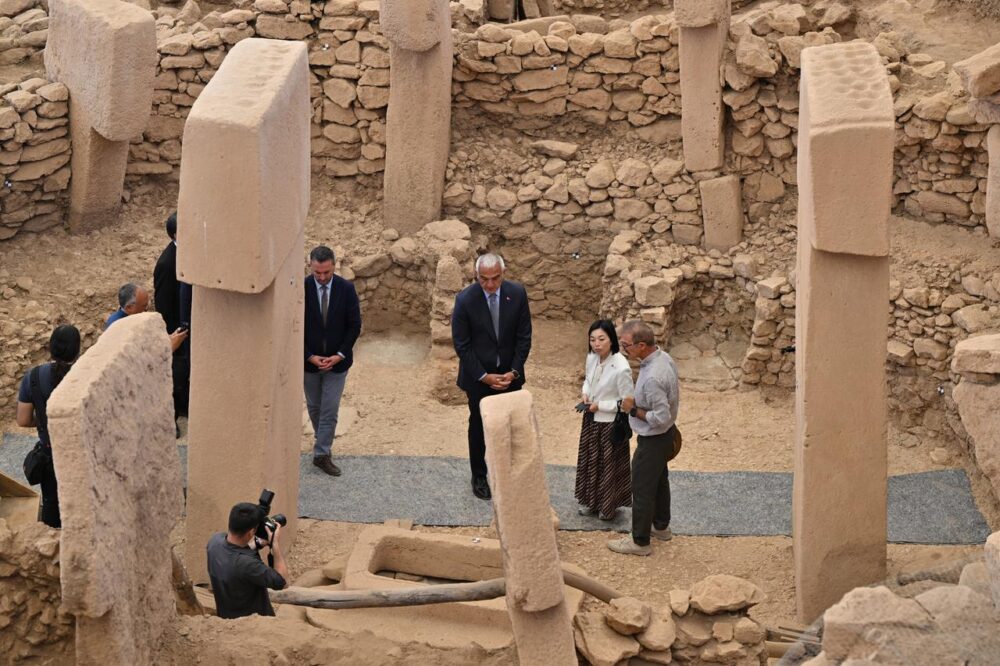
Karahan Tepe and Göbekli Tepe were inhabited by hunter-gatherers transitioning toward settled life. These sites contain enormous stone pillars arranged in circles, decorated with carvings of animals, people, and abstract symbols—suggesting organized ritual activity.
3. The Sculpture Is Remarkably Detailed and Realistic
The life-sized statue stands about 2.3 meters (7.5 feet) tall and depicts a man with finely carved facial details, a clearly defined rib cage, and hands positioned across the abdomen. The figure’s expression appears solemn, with deep-set eyes and a carefully shaped jawline.
Archaeologists say the level of realism is extraordinary for the period. Most sculptures from this era are abstract or symbolic, making this one of the earliest known examples of anatomically accurate human representation.
4. It Could Be the Earliest Life-Sized Human Statue Ever Found
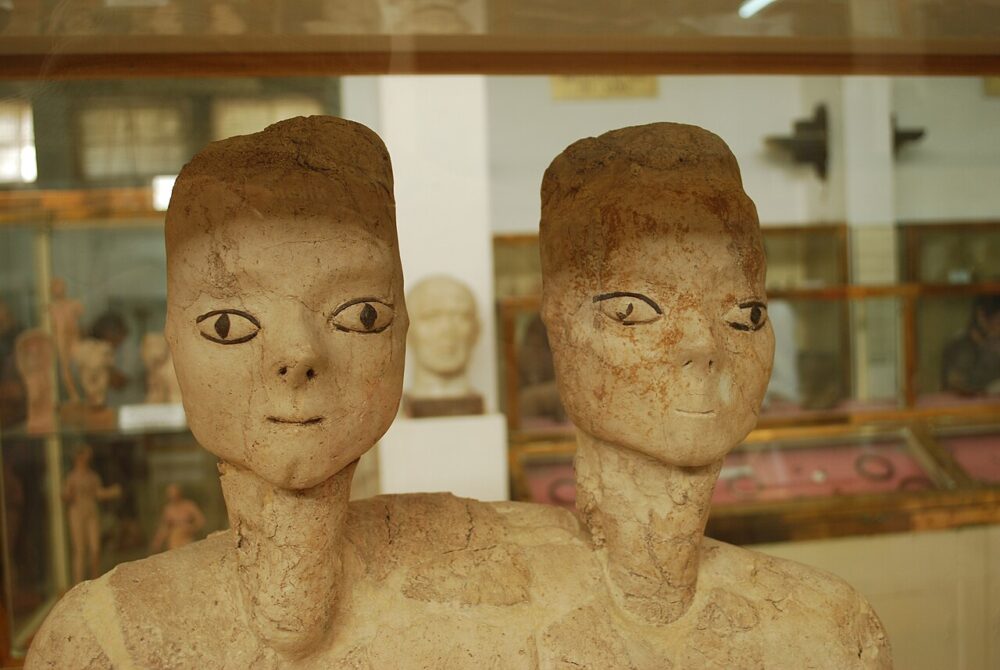
While other ancient figures—such as the limestone “Ain Ghazal statues” from Jordan—are also monumental, they date to around 9000 years ago. The Göbekli Tepe statue predates them by nearly three millennia.
That makes it the oldest known life-sized sculpture depicting a human being. Experts believe it may represent a revered individual, ancestor, or deity, reflecting an emerging belief system that blended art, spirituality, and social hierarchy.
5. The Statue May Have Stood Inside a Ritual Structure
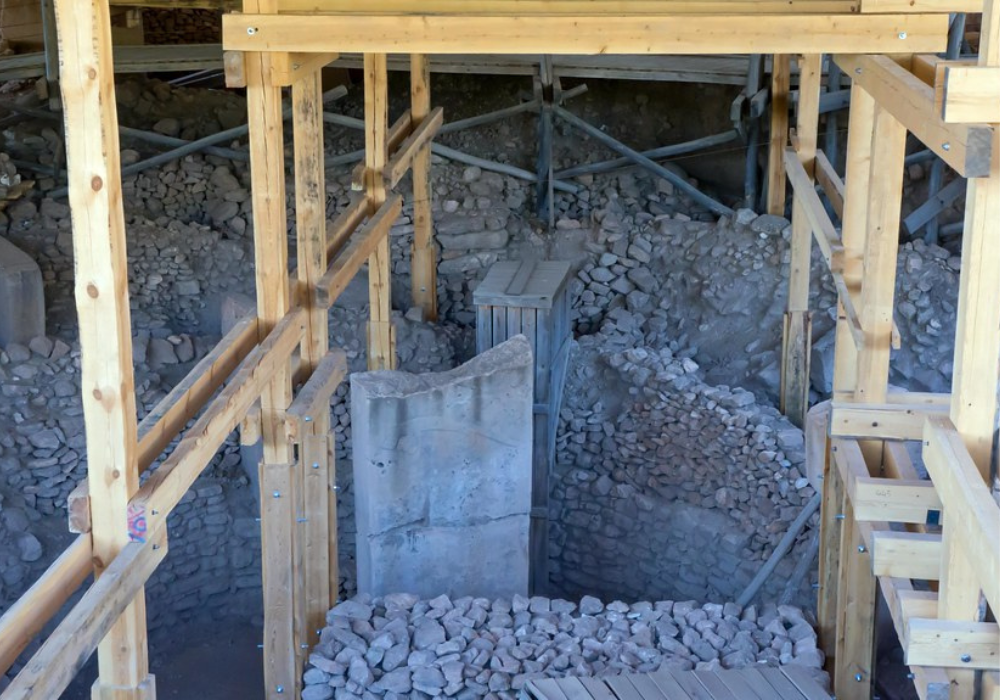
Archaeologists discovered the statue in a partially collapsed rectangular room made of limestone blocks, possibly part of a ritual complex. The figure’s positioning suggests it once stood upright within this enclosed space.
Nearby carvings and reliefs indicate that the statue may have served a ceremonial or symbolic role. Researchers believe such figures could have represented guardians or participants in communal rituals held at these early temple sites.
6. It Shows a Cultural Shift From Hunter-Gatherers to Settled Societies
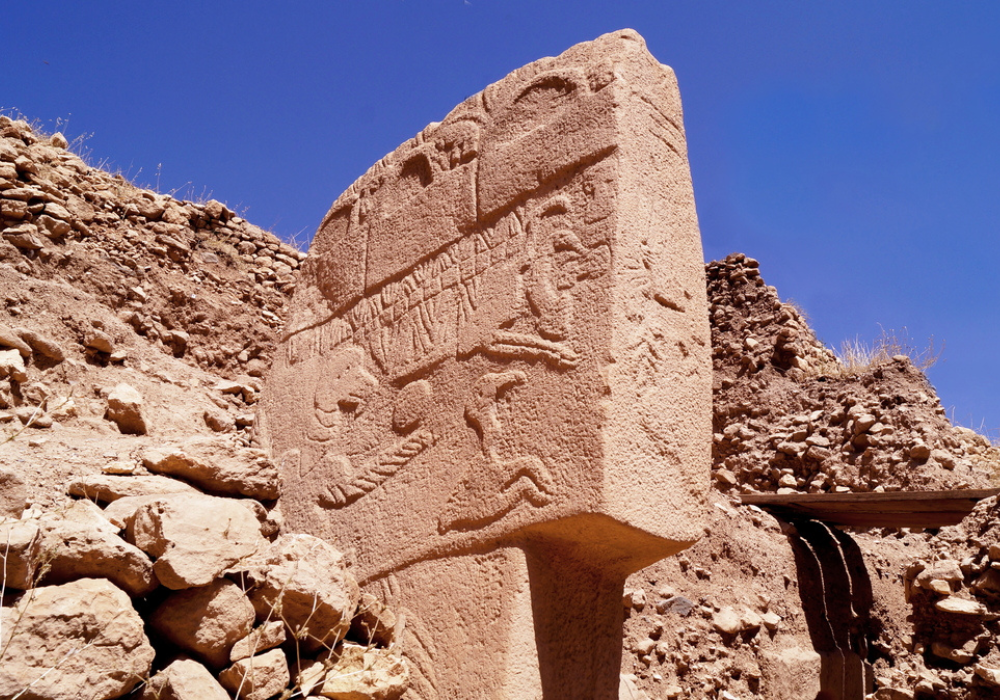
Göbekli Tepe and Karahan Tepe belong to a transformative moment in human history—the dawn of agriculture and permanent settlement. The statue reflects an advanced social organization capable of producing large-scale art.
The existence of monumental sculpture at this time suggests that spiritual or communal gatherings came before farming, overturning the traditional idea that religion emerged after agriculture. These early builders may have gathered to construct sacred sites long before cultivating crops.
7. The Craftsmanship Suggests Specialized Labor
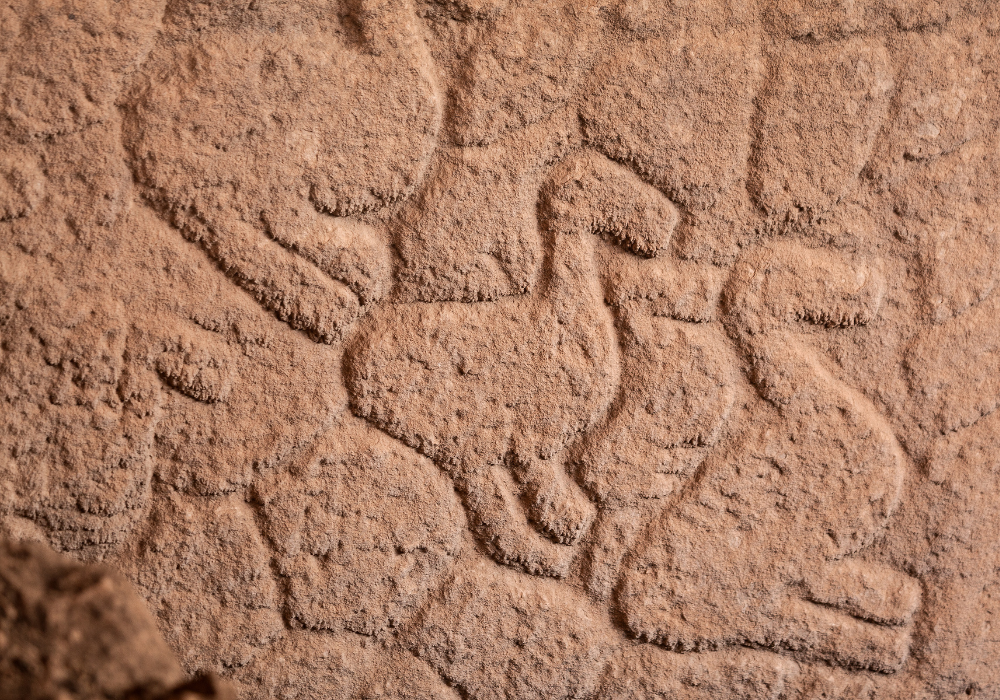
Carving a life-sized statue from limestone required skill, time, and teamwork. Archaeologists note that such craftsmanship implies the existence of specialized artisans supported by a cooperative community.
The precision of the carving, particularly in the torso and facial features, indicates advanced tool use and planning. This level of artistry suggests that Neolithic people organized labor not just for survival but also for cultural and symbolic expression.
8. Göbekli Tepe’s Builders Had Complex Symbolic Beliefs
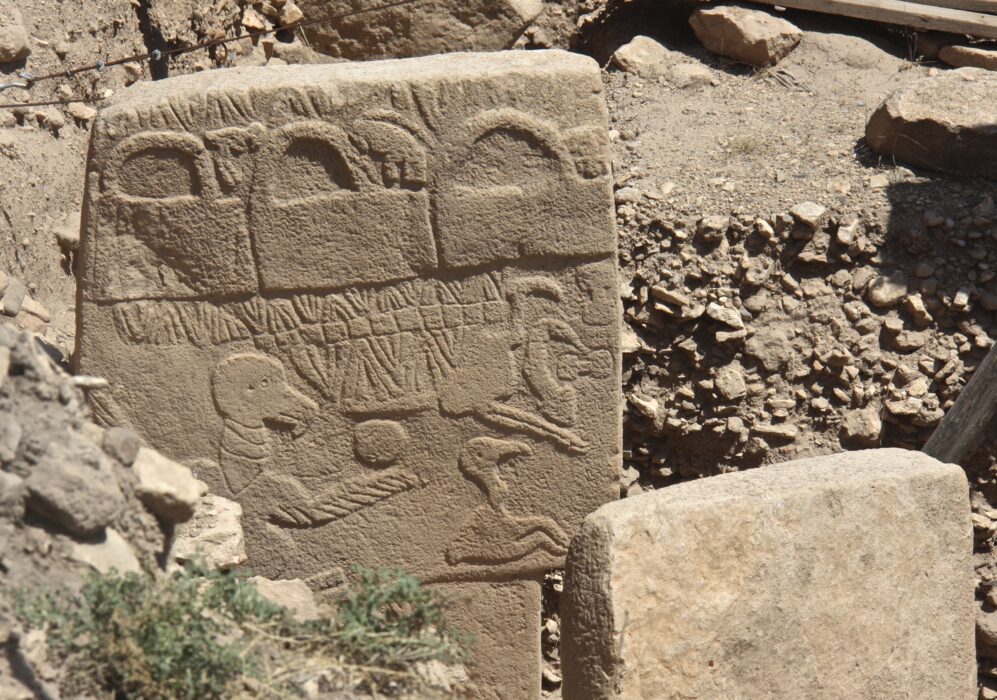
The statue adds to evidence that the builders of Göbekli Tepe held sophisticated symbolic beliefs. Other carvings from the site include animals, headless figures, and geometric patterns thought to represent mythic or spiritual concepts.
Researchers think these artworks reflect an early form of religious or ritual behavior. The life-sized statue could have symbolized a protector, ancestor, or ritual leader, emphasizing the deep connection between art and early spirituality.
9. The Discovery Supports the “Taş Tepeler” Regional Project
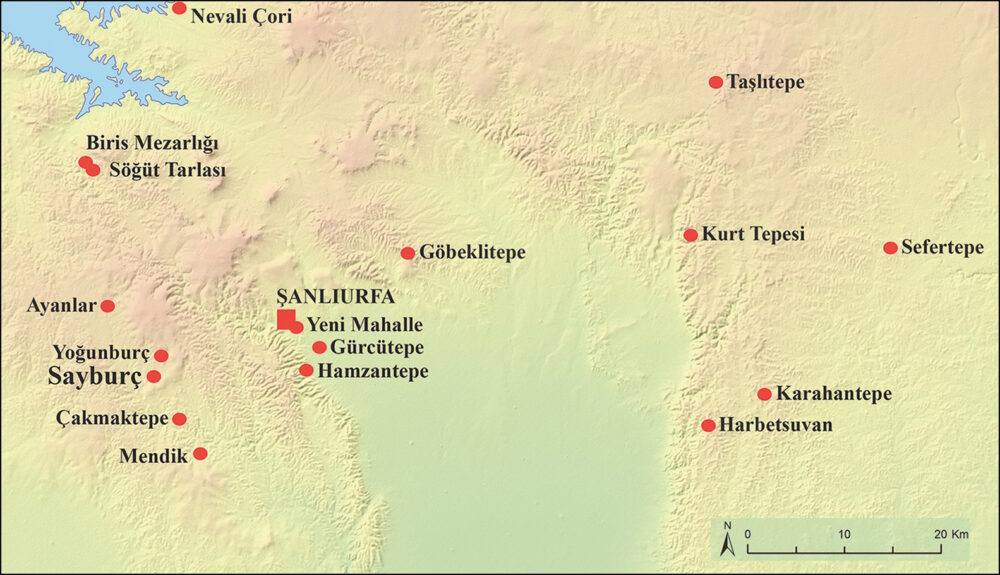
The find is part of Turkey’s “Taş Tepeler Project,” a joint effort by the Turkish Ministry of Culture and the German Archaeological Institute to study 12 prehistoric sites in southeastern Anatolia. These excavations are revealing how early humans organized the first settled communities.
Each site, including Göbekli Tepe, Karahan Tepe, and Sayburç, contributes unique insights into early architecture, art, and belief systems—showing that these early societies were far more complex than once thought.
10. The Find Is Rewriting Our Understanding of Early Civilization
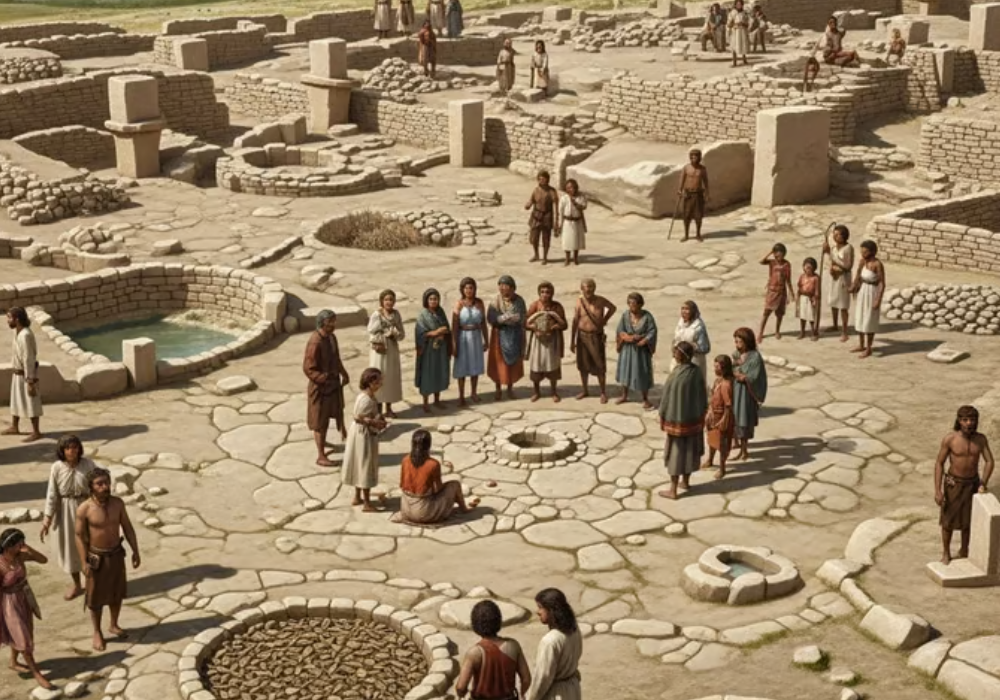
Until recently, historians believed large-scale art and architecture began only after agriculture spread. The Göbekli Tepe statue challenges that view, suggesting symbolic thought and communal identity drove early human innovation.
Archaeologists now see the builders of Göbekli Tepe as pioneers of social and spiritual organization. Their art—including this life-sized statue—marks a turning point in human history, when people began shaping not only their environment but also their shared imagination.