
Your brain wasn’t built for nonstop chaos—and nature knows how to fix it.

Sometimes it feels like your body is stuck in overdrive, even when your mind is begging for a break. Your heart races, your muscles stay tense, and no matter how hard you try to relax, it’s like your whole system refuses to stand down. That’s your nervous system waving a giant red flag, letting you know it’s overwhelmed. We’re wired to handle short bursts of stress—not the nonstop pressure modern life throws at us. When the tension builds up and doesn’t get released, it messes with everything: your sleep, your focus, even your ability to enjoy life.
The worst part is that you don’t always realize how overloaded you are until you’re deep in it, snapping at people or feeling like you can’t breathe. You can’t just “think” your way out of it. Your body needs a real reset—something that tells your nervous system it’s finally safe to relax again.
1. Sit under a tree and let your nervous system sync with the stillness.

There’s something ancient and comforting about sitting beneath a big tree. You don’t have to do anything special—just find one that feels welcoming and plop yourself down. Trees operate on a rhythm so much slower than ours, and when you sit under them, your body starts to catch that slower pace without you even trying, notes Gabrielle Beans Picón writing for Phys.org.
Your breathing evens out, your muscles stop clenching, and that jittery, buzzing feeling inside you begins to fade. It’s like being wrapped in a quiet, invisible hug you didn’t even realize you needed. You’re not solving anything or fixing yourself—you’re just letting nature do its thing. You’ll probably notice your thoughts get a little quieter, too.
The problems that felt massive a few minutes ago might still be there, but they lose some of their grip. It’s not magic, but it definitely feels close. A tree has no deadlines, no emails, no pressure—and sitting with that energy can remind your body it doesn’t have to carry everything all the time.
2. Walk barefoot on grass or dirt to reset your overloaded brain.

Modern life has us walking on concrete, driving on asphalt, and living completely disconnected from the earth most days. Your body wasn’t built for that. It was built to feel the ground beneath your feet, to connect with the natural electric energy of the planet. Kicking off your shoes and walking barefoot on real earth can bring immediate relief to a frazzled nervous system, according to research by Jae Sun Kim et al. published by the National Library of Medicine. It’s called “grounding” for a reason—you literally feel steadier and more rooted just by making that skin-to-earth contact. Your mind slows down. Your heart rate drops.
Those swirling, anxious thoughts lose some of their momentum. Even five minutes of barefoot time can leave you feeling like you just hit a giant internal reset button. It’s simple, free, and weirdly powerful. Plus, there’s something kind of rebellious and childlike about doing it, which is its own kind of therapy. Some of your best healing might be hiding in the dirt you’ve been walking over all along.
3. Watch clouds drift across the sky until your mind softens too.

When your brain feels like it’s sprinting in circles, looking up can change everything. Watching clouds isn’t just daydreaming—it’s a gentle way to coax your nervous system out of panic mode, suggest writers in an article for Unplugged. Clouds don’t hurry. They don’t care about schedules or worries or drama. They just move, shift, and float along, and by focusing on them, you start to mirror that slow, easy rhythm.
Your breathing deepens without you forcing it. Your shoulders drop away from your ears. You stop fighting to control everything for a few minutes. It’s a simple way to remind your system that the world keeps turning whether you stress out or not. Plus, giving your eyes something soft and expansive to focus on counteracts the tight, tunnel-vision feeling that comes with anxiety. It’s a small practice, but it can pull you back from the edge faster than you think. Sometimes the sky knows exactly what you need—if you just remember to look up.
4. Dip your hands or feet into a natural body of water to calm instant overwhelm.
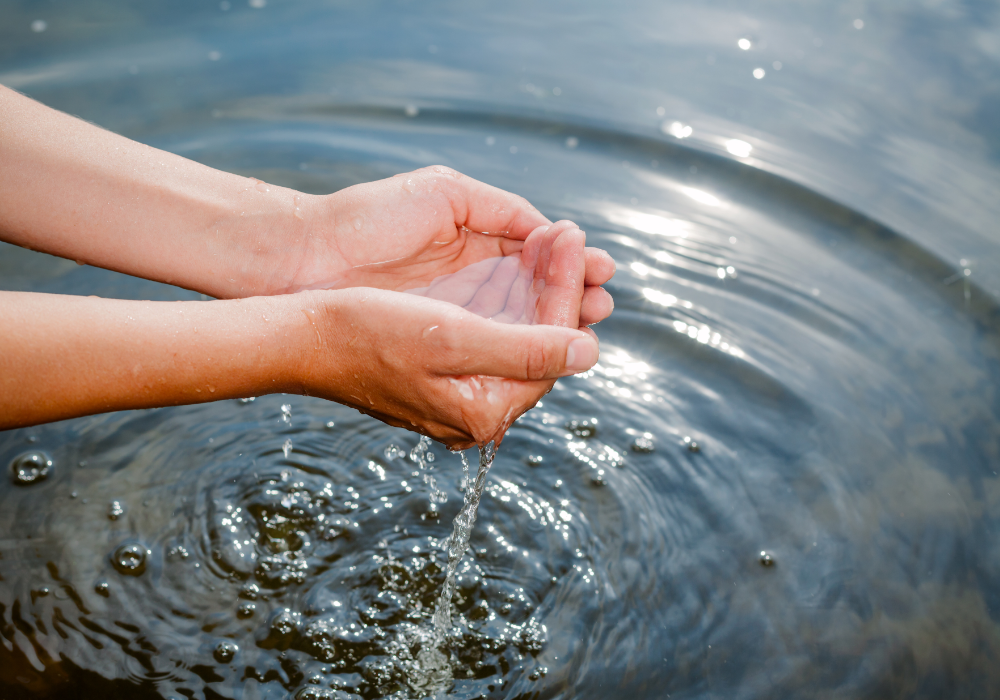
When you’re overloaded, cold water can snap you out of a panic spiral almost instantly—but it’s even better when it’s water straight from nature. Whether it’s a lake, a river, or the ocean, putting your hands or feet in natural water sends a powerful signal to your nervous system that it’s okay to stop freaking out.
Water has a primal, grounding energy that humans have always been drawn to. It cools your skin, slows your breathing, and gives your overloaded brain something tangible to focus on. You don’t have to swim or dive in if that feels like too much.
Just wading in up to your ankles or dipping your fingertips can start to melt the tension away. It’s like nature’s version of a chill pill—with no side effects. Plus, the natural sounds of water moving around you add another layer of calm. When your mind feels like it’s drowning in stress, real water has a way of helping you find your feet again.
5. Sit quietly and listen to birds until your nervous system catches their calm.

Birdsong isn’t just beautiful—it’s actually a natural signal to your nervous system that the world is safe. In ancient times, humans learned that if birds were singing, it meant no predators were nearby and everything was okay. Your body still remembers that. Sitting quietly and letting bird sounds fill your ears can pull you out of a hyper-alert state faster than almost anything else. You don’t have to analyze the songs or even watch the birds. Just listening is enough to start rewiring the panic that’s buzzing through your system. It slows your breathing, pulls your mind out of its frantic loops, and plants you right back in the moment.
If you can’t get to a forest, even sitting near some backyard trees can do the trick. Nature has always had these little secret tools built in—we just forgot how to use them. Birds are basically tiny, feathered therapists when you pay attention.
6. Lie down on a patch of grass and feel the Earth support you.

When you’re overwhelmed, your body holds tension like a coiled spring. Lying down flat on the ground helps remind your nervous system that it’s safe to let go. There’s something incredibly healing about surrendering your full weight to the Earth and feeling it effortlessly hold you up. No work. No striving. Just gravity and trust.
The softness of the grass, the coolness of the dirt underneath, even the tiny tickle of a breeze brushing past—all of it tells your system, “Hey, you’re allowed to stop now.” You might notice your breathing slow down naturally without having to force it. The urgency, the panic, the endless doing—it all fades a little when you let yourself just be part of the ground for a while. It’s a full-body permission slip to rest. And honestly, it feels a lot better than another desperate scroll through your phone looking for relief.
7. Gently touch leaves, bark, or stones to bring your senses back to center.
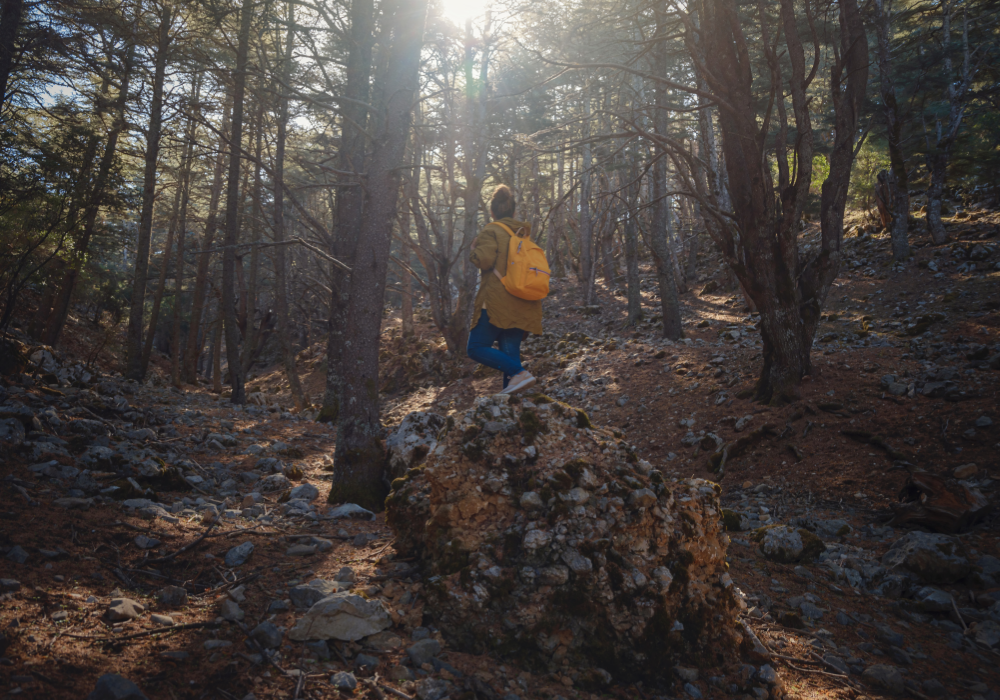
When your nervous system is overloaded, your mind spins into future worries or past regrets. One of the fastest ways to come back to the now is through touch—specifically, by letting your hands feel nature. Find a leaf, a stone, a patch of moss, or the rough bark of a tree. Run your fingers across it slowly. Notice the textures, the temperature, the little details you usually blow right past.
This simple tactile focus gives your racing mind something real and steady to hold onto. It’s impossible to stay trapped in anxious spirals when you’re fully tuned into the feeling of rough bark or smooth river stones beneath your fingers. It anchors you right where you are. No meditation apps, no complicated rituals—just the ancient wisdom of your own senses reconnecting you to the real world. Sometimes, healing doesn’t start in your head. It starts in your fingertips.
8. Watch a sunset without distractions and let your nervous system downshift naturally.

There’s something almost magical about sunsets. No two are ever the same, and watching one without checking your phone or thinking about tomorrow pulls you into a different pace—one that your overloaded nervous system desperately needs. The changing colors, the slow sinking of the sun, the way the air cools just a little—it all tells your body it’s time to wind down. Sitting with a sunset helps quiet that inner voice that says you should be doing something.
It’s a way of saying, “Right now, this moment is enough.” Even ten minutes can lower your heart rate, soften tense muscles, and invite you to breathe a little deeper. You don’t have to make it profound or complicated. You just have to be there, letting nature put on a show that billions of people before you have paused to witness. There’s healing in realizing not everything demands your urgency.
9. Follow a trail of ants or insects to slow your racing thoughts.

It sounds almost silly, but there’s something mesmerizing about watching insects do their thing. When you’re spinning out in overwhelm, crouching down and following a tiny trail of ants or watching a beetle make its way across a leaf pulls you into a completely different headspace. These tiny creatures move with a calm purpose, oblivious to your stress, and focusing on their simple world gives your overloaded mind a break. It forces you to slow your breathing, soften your gaze, and get out of your own heavy thoughts.
Plus, it reminds you that life is happening on a million tiny scales you never notice when you’re stuck in your head. It’s grounding in the purest sense. You realize your problems, while real, are just one thread in a much bigger, slower-moving tapestry. Sometimes, the quickest way to find peace is to shrink your world down to a few inches and simply watch life unfold.
10. Sit by a tree-lined path and watch the wind ripple through the leaves.
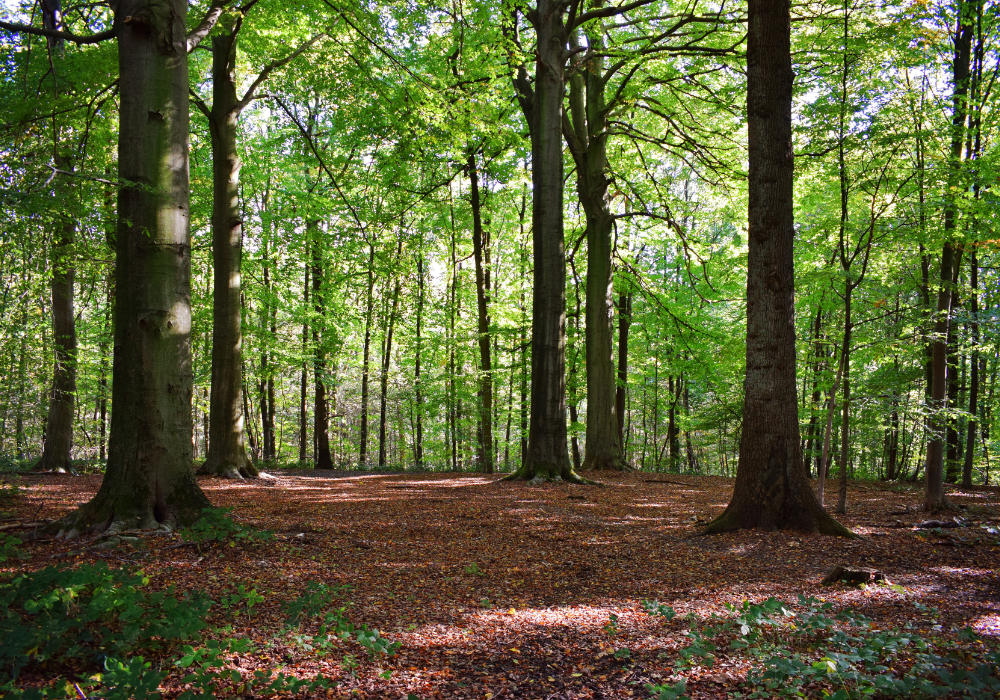
When you’re on edge, even the smallest movement in nature can feel like a balm. Sitting by a line of trees and watching the wind ripple through the leaves taps into that quiet, rhythmic energy your body desperately needs. You’re not trying to control anything—you’re just witnessing something effortless and alive. The sound of the breeze, the shimmering of the branches, and the gentle swaying pull you out of fight-or-flight mode without you even realizing it. It’s like watching nature breathe in slow motion.
The nervous system picks up on that calm, repetitive motion and starts to match it, creating a subtle but powerful downshift inside you. You stop feeling like you’re racing to nowhere. You start remembering that life moves in waves and cycles—not constant, panicked straight lines. Watching the wind move through the trees is free therapy. And you’ll leave feeling more human, more rooted, and a lot less tangled up inside.
11. Pick up a handful of soil and smell it to reawaken your calm instincts.

There’s an earthy, primal magic in the smell of fresh soil. It’s not something we think about much, but your body and brain know that scent—it’s deeply wired into your survival instincts as something safe and familiar.
When you’re overwhelmed, crouching down, scooping up a handful of dirt, and taking a slow, deep inhale reconnects you with that ancient grounding. It’s messy. It’s raw. And it’s unbelievably effective at pulling you out of your racing thoughts. Smelling soil brings you back to your senses in a way that thinking or talking can’t.
It’s a reminder that the Earth is solid under your feet and that you’re not floating away, even if your mind feels like it. Plus, there’s actual science behind it—certain microbes in soil can boost your mood and lower stress. So yes, getting your hands dirty isn’t just good for the garden. It’s good for your soul, too.
12. Find a patch of sunlight and sit in it like a lizard recharging.

Sometimes the simplest way to reset your overwhelmed system is to stop running from the heat and lean into it. Finding a patch of warm sunlight and just sitting there—soaking it in like a lazy lizard—is pure nervous system medicine. Sunlight triggers the release of serotonin, that feel-good brain chemical that helps stabilize mood and promote calm. It also reminds your body that it’s daytime, that you’re safe, and that there’s no immediate danger. You can close your eyes, stretch out, and let the warmth sink into your skin and muscles.
Even five minutes can melt away the frozen tension locked inside you. It’s not complicated. You don’t have to do anything except exist in the light for a few minutes. In a world where we’re always rushing, hiding, or pushing through, simply sitting still and basking like a creature of the Earth feels rebellious—and healing in the best possible way.
13. Watch a river or stream flow and let it carry your stress away.
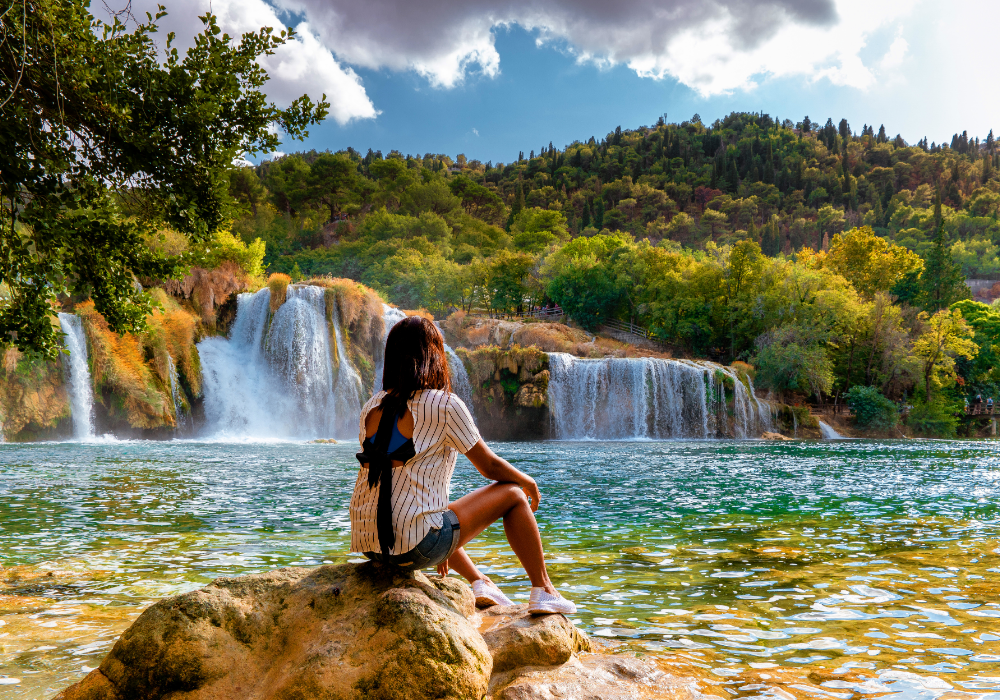
There’s a reason humans have always been drawn to flowing water—it moves the way our minds want to move when they’re free and healthy. Sitting by a stream or river and letting your eyes follow the water tricks your brain into letting go, too. You start to notice how the water doesn’t fight obstacles; it moves around them, over them, through them. Your overloaded mind starts picking up on that wisdom without you forcing it.
The stress, the tightness, the frantic spinning—it begins to loosen, little by little. You’re not stuck anymore. You’re flowing. Watching water isn’t about zoning out—it’s about syncing up with a rhythm that’s been calming creatures for millions of years. You start realizing you don’t have to hold everything so tightly. Nature already knows how to let things move along. You just have to sit still long enough to remember how.