
If you can’t win the beauty game, rewrite the rulebook.
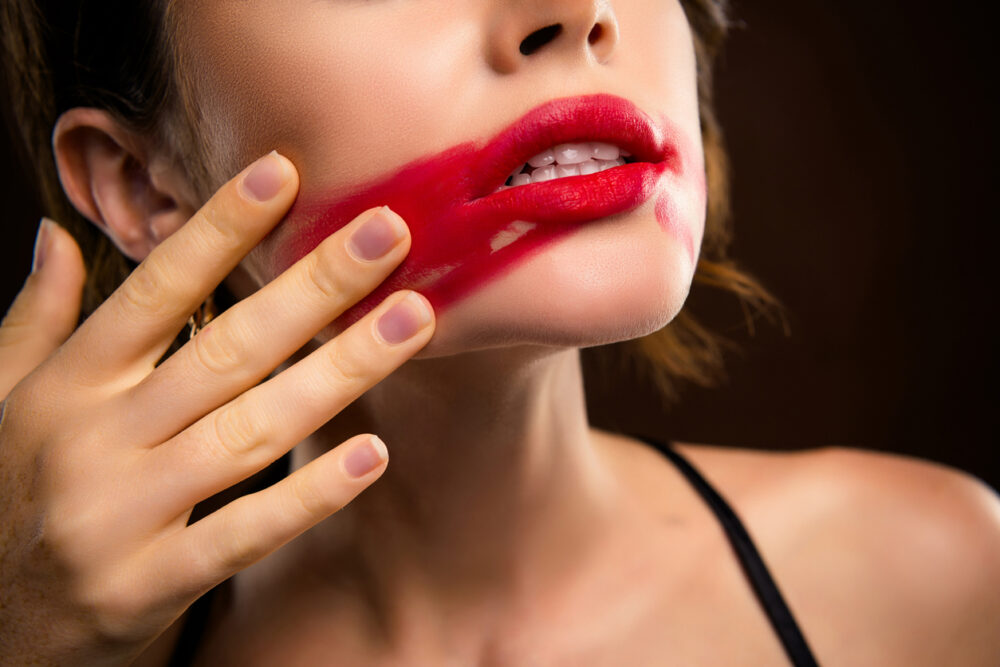
You probably started out just wanting to feel pretty. To fit in, to glow up, to be wanted. But somewhere along the way, it got weirder. The goalposts moved. “Hot” became a moving target. Beauty wasn’t just about attraction—it became about power, protection, survival. It became a language. And a shield.
Now, when you tweak your look, it’s not just about aesthetics. It’s about control. About crafting the version of you that gets taken seriously, feels safe in public, or just looks back in the mirror like she’s got your back. Beauty isn’t shallow. It’s strategic. It’s emotional. And a lot of us are playing a game we never actually agreed to—but we got damn good at bending the rules. These shifts aren’t about vanity. They’re about reclaiming space in a world that taught us to shrink.
1. Being intimidating feels safer than being sexy.
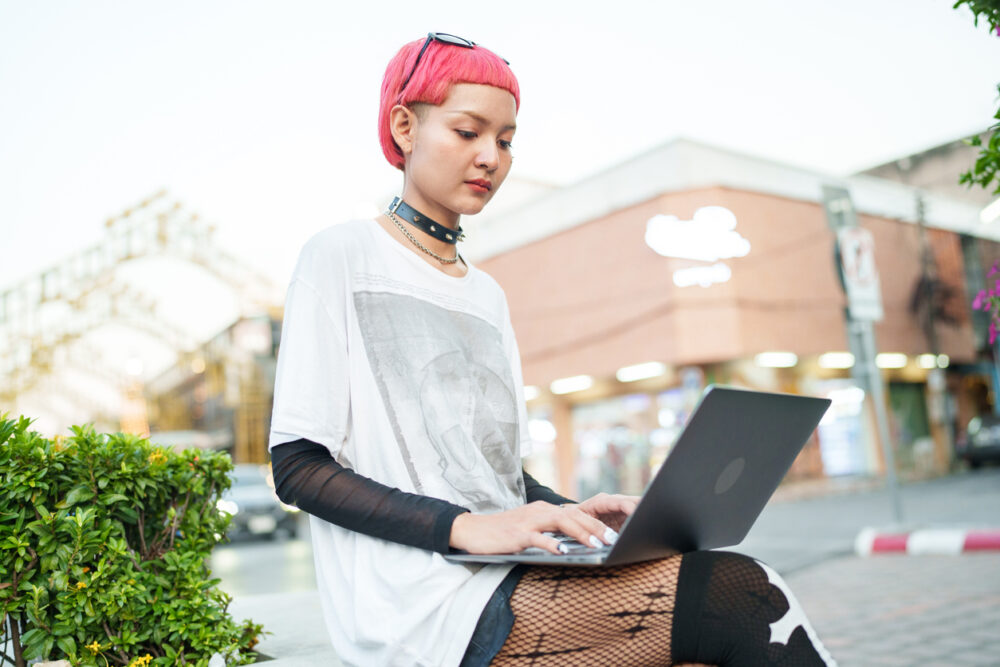
There was a time when you dressed to feel wanted. Now, sometimes, you dress to feel untouchable. You sharpen your eyeliner like a weapon. You stomp into a room in boots that say “don’t ask.” You don’t want to be approached. You want to be read as powerful—someone people think twice before crossing. Sexy started to feel like an invitation. So you stopped inviting.
As Aoife Morrall explores in New Wave Magazine, trauma-informed fashion can become a form of armor—projecting control, safety, and autonomy where vulnerability once lived. You’re not interested in being palatable—you want to be impossible to misread.
It’s not about being angry or bitter. It’s about reclaiming your edges, your voice, your pace. You didn’t lose confidence. You just changed how you show it. Being scary isn’t about fear—it’s about freedom. It says: I’m not here to be pleasing. I’m here to be left alone unless I say otherwise.
2. Looking alive matters more than looking flawless.
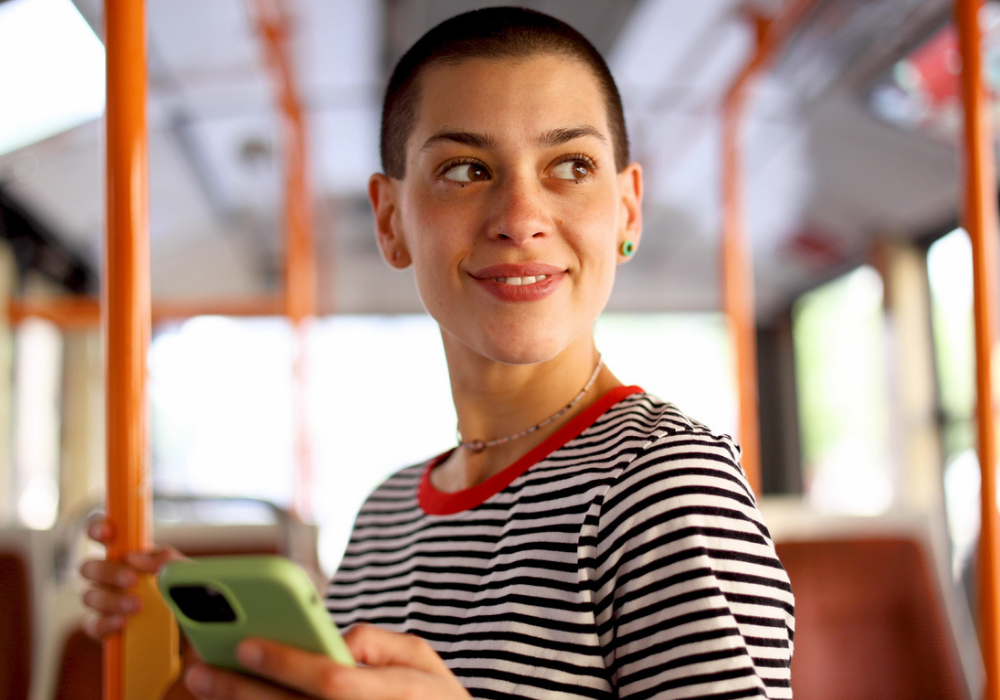
You used to chase perfection—smooth skin, flat hair, perfect lines. Everything polished, edited, symmetrical. But eventually, perfection started to feel like erasure. You didn’t see yourself in the mirror. You saw the version of you that had been sanitized for other people’s comfort. And that didn’t feel like beauty anymore. It felt like hiding.
Now, the texture stays. The flyaways stay. The uneven eyeliner gets to stay. Not because you’ve given up—but because you’re choosing a kind of beauty that actually feels human. You want your face to look lived in, not filtered out. You want to recognize yourself when you catch your reflection. Sarah E. McComb and Jennifer S. Mills found in ScienceDirect that chasing beauty ideals often leads to disconnection from one’s authentic self—especially when perfection becomes the standard. What you’re chasing now is something with depth, with feeling. Something that breathes.
3. Pretending not to care has become its own aesthetic.

There’s a quiet power in not performing. In showing up in oversized clothes, second-day hair, and chipped nails—not because you’re lazy, but because you don’t owe anyone polish. You’re not trying to signal “pick me.” You’re trying to signal: I didn’t ask. I didn’t need to. I’m already fine.
Of course, the look is still curated. But now you’re curating for yourself—for ease, for comfort, for alignment with your mood. Not for strangers or street compliments.
Avelie Stuart and Ngaire Donaghue argue in Feminism & Psychology that rejecting conventional beauty norms can be an intentional act of resistance—not a sign of giving up, but of reclaiming autonomy. Your energy no longer belongs to whoever’s watching. It belongs to you—and that might be the most beautiful shift of all.
4. Weird beauty finally beat timeless elegance.
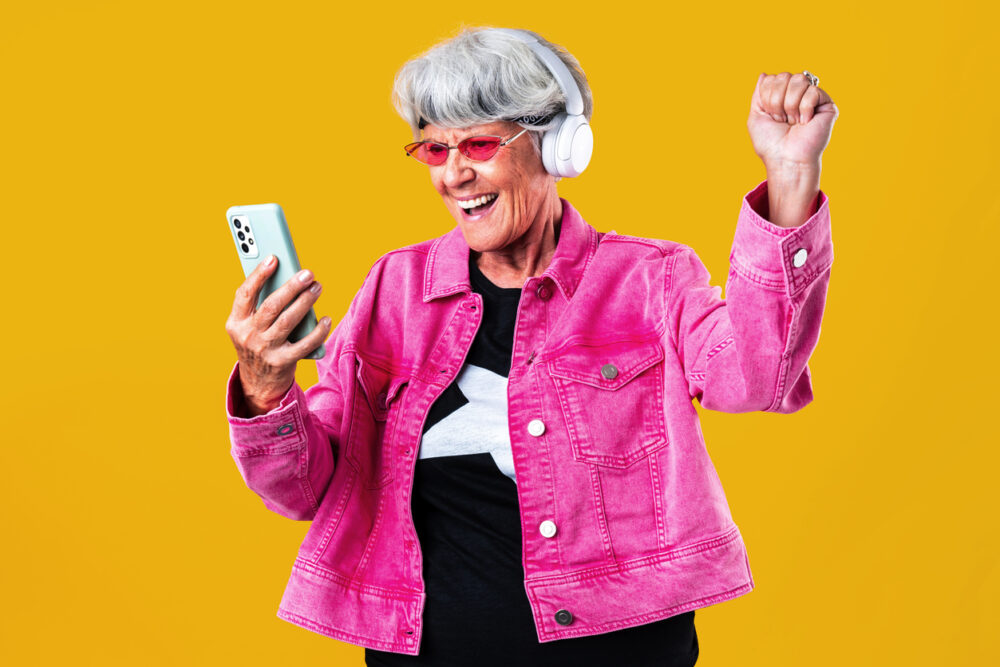
You spent years trying to be tasteful. You followed trends that promised longevity, invested in pieces that would “age well.” But playing it safe started to feel like disappearing. Now, you want color. Texture. Strange silhouettes and clashing patterns. You want your look to start conversations—not fade into a curated feed.
Weirdness makes you feel alive. You’re not worried about looking beautiful anymore. You’re worried about looking like everyone else. When you embrace the strange, you make beauty yours again. You stop asking if it’s “too much.” You start asking if it feels like you. The shift isn’t about rebellion for its own sake—it’s about recognition. You don’t want timeless. You want to be unmistakably present.
5. Your skincare routine turned into a coping mechanism.
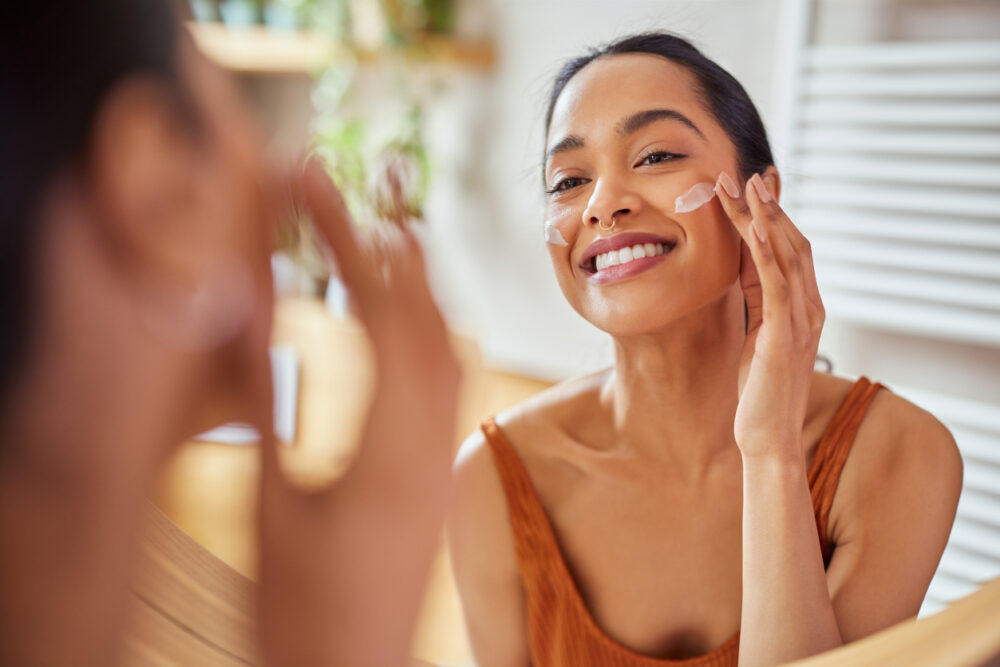
You used to treat beauty like performance prep. But lately, the rituals have become slower. You linger over moisturizer. You notice how cool the jade roller feels. You pause between each step, not to perfect—but to breathe. Beauty became less about transformation and more about returning to your body. There’s something holy about the quiet repetition. It’s a routine, yes—but also a recalibration. You don’t need anyone to see the result. You’re not building toward visibility. You’re caring for yourself in a way that’s tangible.
This isn’t about indulgence. It’s about regulation. When the world spins too fast, these small, sensory moments help you stay grounded. They aren’t for performance. They’re for peace.
6. You stopped dressing for compliments and started dressing with intent.
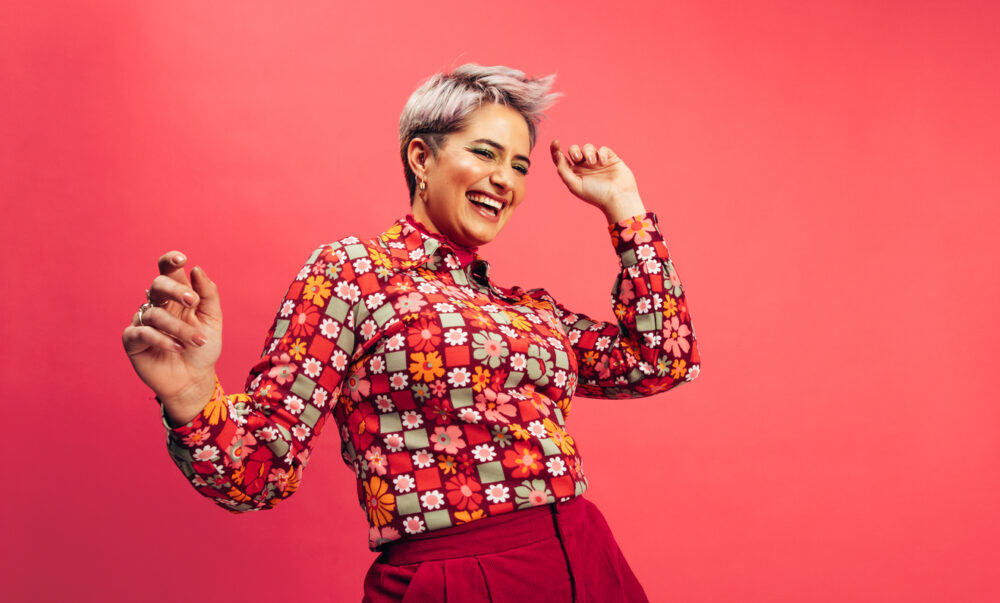
You used to ask, “Do they like it?” Now you ask, “Does it say what I need it to?” You pick outfits that speak louder than you want to. Lipsticks that challenge instead of flatter. You’re done dressing for invisible applause. You’re dressing for clarity—for the message your body language can’t always say out loud.
That shift makes everything simpler. You’re not waiting for a compliment to feel okay. You already decided what this look means. And even when people don’t “get it,” you do. Beauty became your language. Not one designed for approval—but for declaration. It’s not about being pretty anymore. It’s about being unmistakably you.
7. Following trends started to feel like begging.
There was a time when trends felt like rules. You tried to keep up, to get it “right,” to stay current so you wouldn’t feel behind. But that cycle got old. Now, you cherry-pick. You take what resonates, ignore what doesn’t, remix it all until it feels personal. You’re not trying to match the feed—you’re trying to make it yours.
It’s not apathy. It’s authorship. You’re curating a look that says something about your past, your humor, your culture, your chaos. The goal isn’t relevance anymore—it’s resonance. You’re wearing the pearl necklace with a thrifted tee. The ballet flats with raccoon liner. The rules don’t matter when you know yourself better than the algorithm does. You’re not falling behind. You’re opting out.
8. You turned the things they teased you for into a signature.
You used to hide the parts of yourself that stood out. You tried to mute what made people comment, whisper, or stare too long. You learned early that standing out came with consequences—so you softened your voice, adjusted your posture, and tried to fit the mold. You were told it was “better” to be smaller, quieter, smoother, lighter, less. So you made yourself less.
Now you’re flipping the script. You’re wearing the lipstick that makes your mouth louder. You’re dressing to highlight what you used to try to shrink. You’re amplifying instead of erasing. Not because the world suddenly became more accepting—but because you finally decided your comfort matters more than their approval. That feature they mocked? You’re wearing it like a crown. You’re not hiding anymore. You’re choosing to take up space—boldly, unapologetically, and on your own terms.
9. Getting ready became a way to find yourself again.

Before, beauty was a tool for reinvention. You tried on different aesthetics like armor. “Maybe this version of me will feel better,” you thought. “Maybe if I look confident, I’ll become confident.” And sometimes it worked. But sometimes, it just made you feel further from yourself.
Now, beauty is more like a mirror. You’re choosing what reflects you, not who you wish you were. You put on the lipstick that makes you feel 12 and defiant. You wear your mother’s perfume because it makes you feel anchored. You’re not trying to become someone else. You’re getting closer to the parts you buried while trying to be “better.” The makeup drawer isn’t full of masks anymore. It’s full of memory.
10. You stopped hiding your age and started wearing it like proof.

Once, every wrinkle felt like failure. A signal that you were running out of time to be beautiful. You bought creams, learned angles, stayed out of the sun. You feared irrelevance like it was inevitable. But the older you get, the more you realize: they sold you that fear to keep you chasing youth. Not joy. Not power. Just youth.
Now, you see age differently. Not as decay—but as evidence. You earned the lines. You survived the bad haircuts, the self-doubt, the years of feeling not enough. You’re not trying to rewind. You’re trying to show what it means to stay—and still shine. You don’t owe anyone “aging well.” You’re aging real. And it shows.
11. Beauty turned into a group ritual, not a solo performance.

Sometimes beauty is a solo ritual. But sometimes it’s something you share. You send your friends outfit selfies. You swap tips. You talk about how good a bold lip can feel on a bad day. Beauty becomes a conversation, not a competition. And that changes everything.
There’s also the intimacy of remembering. Doing your eyeliner the way your best friend used to. Wearing the color your grandmother loved.
Painting your nails to match the version of you you forgot in survival mode. Beauty becomes a portal—a way back to joy, to connection, to play. It’s not about vanity. It’s about belonging. To others. To yourself. To all the versions of you that didn’t disappear, just waited for an invitation back.
12. You gave up being beautiful and chose to be free instead.

At the core of all these shifts is one quiet truth: you’re no longer doing this to be looked at. You’re doing it to feel like yourself. The pressure to be beautiful—to perform it, maintain it, fight for it—never really served you. It served the systems around you. It kept you compliant, distracted, striving. But now, beauty feels more like freedom than expectation. You can play, reject, exaggerate, or ignore it completely.
You can show up with nothing on your face or with rhinestones in your brows—and both feel powerful. Because the point isn’t how you look. The point is that you get to choose. That’s what you were after all along. Not hotness. Not perfection. Just permission.