
When machines do everything, we forget why we ever did it ourselves.
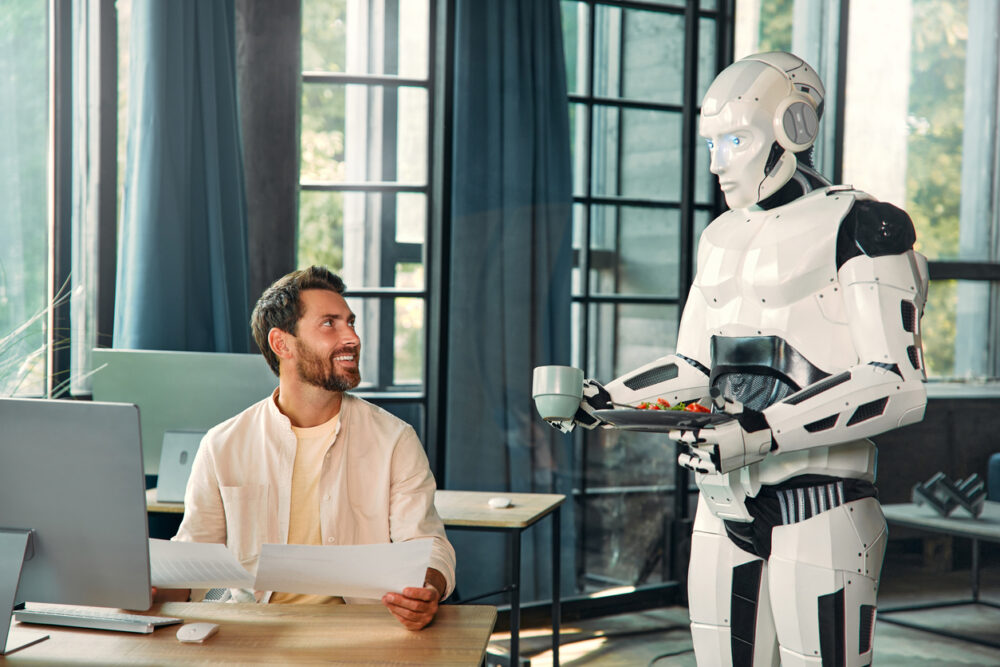
There’s no denying the convenience. GPS tells us where to go. Spellcheck fixes our typos. Streaming apps guess our moods. And most of the time, it feels like magic—one less thing to think about, one more thing we can do faster. But underneath the ease is something quieter: a slow erosion of skills we once used to make sense of the world, to connect with each other, to survive.
Automation didn’t just outsource effort. It outsourced memory. And over time, things we once knew by heart—how to write a letter, navigate a city, remember a phone number—fade into the background. We don’t notice the loss until we need it. And by then, it’s often gone. These 13 disappearing skills aren’t just about nostalgia. They’re reminders of what it means to be human—and what we risk forgetting in the name of efficiency.
1. Navigating without GPS is becoming a lost art.
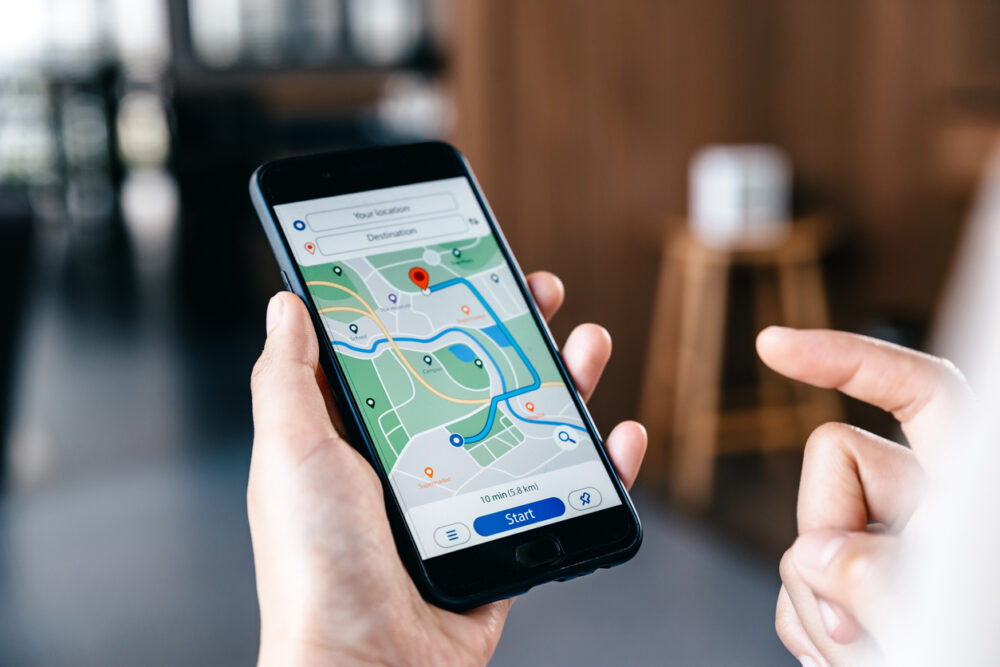
There was a time when knowing how to get somewhere was a full-body experience. You paid attention to turns, memorized street names, recognized a tree or storefront as a cue to change direction. Now, we rely on a robotic voice and a glowing line to get us from A to B—no memory required.
GPS is helpful, but it’s made us passive. We follow without thinking. And once we’ve reached our destination, we often have no idea how we got there. Louisa Dahmani and Véronique D. Bohbot report in Scientific Reports that frequent GPS use is linked to weaker spatial memory and reduced activity in the hippocampus, the brain’s navigation center.
Without it, every trip becomes unfamiliar unless the map is open. We’ve stopped learning our surroundings and started outsourcing that knowledge. And when the app glitches or the battery dies, many of us feel genuinely lost. Not just geographically—but mentally unmoored.
2. Mental math is getting rusty.

When was the last time you calculated a tip in your head—or even tried? With calculators in every pocket, most of us don’t bother. But there was a time when you learned to round, estimate, and work out numbers on the fly. It kept your mind sharp. It taught logic and problem-solving without you even realizing it. Now, we’re so used to letting devices do the work that even simple math can feel intimidating. We hesitate, double-check, reach for our phones.
Eric A. Hanushek and colleagues report in Science Advances that declining numeracy is a global issue—and that weaker everyday math skills can limit not only individual confidence but also workforce adaptability. Mental math doesn’t just build confidence—it keeps you cognitively agile. It’s a quiet daily exercise that many of us have stopped doing entirely. And in a world increasingly run by numbers, forgetting how to engage with them leaves us more dependent—and less aware.
3. Handwriting is fading into a forgotten language.

Typing is fast and efficient, but handwriting used to be a deeply personal act. The loops in someone’s cursive, the pressure of the pen, the smudges in the margin—they were all part of what made words feel alive. Now, many kids barely learn it. Adults can’t remember the last time they wrote more than a grocery list.
And when they try, their hands tire quickly. Their thoughts stall. Denis Storey reports on Psychiatrist.com that handwriting boosts brain activity in areas linked to memory and learning in ways that typing simply doesn’t. There’s a reason journaling can feel more therapeutic than typing a note into your phone. It engages more of you. Losing handwriting doesn’t just mean messier signatures—it means losing a vital connection between mind and body. One that grounded us in the present, gave us time to reflect, and made our words feel like they mattered.
4. Memorizing phone numbers is a thing of the past.

Most of us used to know at least ten numbers by heart—friends, family, your school, your neighbor’s landline. Now, we’re lucky if we remember our own. Everything’s stored in a device, and if that device dies or gets lost, we’re left with a blank slate.
On the surface, it seems harmless. But memorizing phone numbers wasn’t just about practicality—it was a quiet act of care. You held someone’s contact info in your head because they mattered to you. Their number lived next to birthdays, favorite songs, and personal memories.
That connection is harder to form when everything lives behind a password. When memory becomes obsolete, so does part of our capacity to be self-reliant and emotionally attuned. We haven’t just forgotten numbers. We’ve forgotten the small rituals that helped us feel connected.
5. Understanding geography beyond your hometown is slipping away.
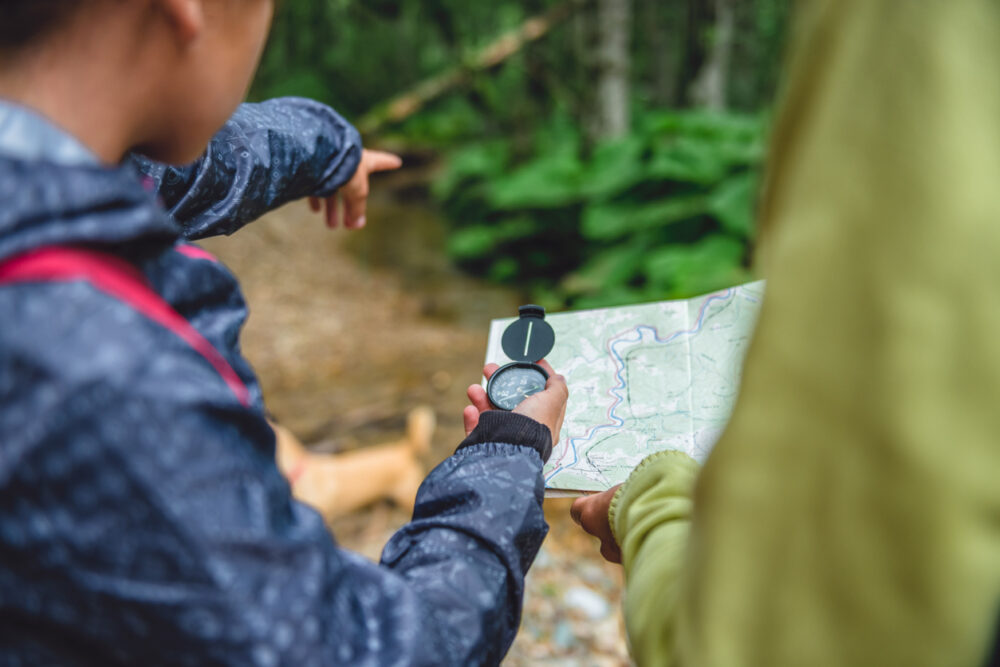
There was a time when people could name rivers, mountain ranges, and neighboring countries without needing a map app. Geography wasn’t just school trivia—it was part of understanding your place in the world. You learned where water came from, what borders shaped history, how continents connected.
Now, that knowledge is evaporating. With search engines a tap away, we don’t retain what we can quickly look up. But without a mental map of the world, perspective shrinks. It’s harder to care about wildfires in Alberta or floods in Bangladesh when you can’t picture where those places even are.
Global awareness isn’t innate—it’s built. And when we stop teaching geography in meaningful ways, we stop nurturing the kind of grounded, relational knowledge that helps us understand how deeply connected we really are.
6. Using your senses to read your environment is falling away.

Before we relied on alerts, sensors, and smart tech, we trusted our bodies. We could smell when food was off. Hear when the house didn’t “sound right.” Feel a storm coming by the pressure in the air. These weren’t special talents—they were ordinary ways of staying attuned to the world.
Now, our environments are filled with signals we’ve stopped interpreting ourselves. Thermostats tell us if we’re warm enough. Weather apps tell us if we should bring an umbrella. Alarms tell us if the door’s open. But something gets lost when we stop noticing for ourselves. Our senses dull. Our intuition fades. We lose the feedback loops that once helped us feel grounded, capable, and aware. Being human used to mean tuning in. Now, it often means waiting for a push notification to tell us how we feel.
7. Knowing how to fix basic things is becoming rare.

Changing a tire. Sewing a button. Resetting a tripped breaker. These were once considered basic life skills, passed down through generations or picked up through necessity. Now, more and more people reach for an app—or a service call—before even attempting to troubleshoot.
It’s not that we’ve become incapable. It’s that we’ve been taught not to try. Everything is replaceable, upgradeable, or under warranty. But knowing how to fix things used to build confidence. It taught patience, observation, and resourcefulness. It helped you feel grounded in your environment, not helpless within it.
Losing this instinct doesn’t just lead to more waste—it leads to a subtle erosion of agency. When we forget how to repair what’s broken, we also forget that resilience starts with belief: I can figure this out. I can fix this. And that mindset matters more than ever.
8. Cooking without instructions is becoming a lost rhythm.

Cooking used to be instinctive. You’d throw things together based on what you had, what was in season, what your family always did. Now, recipes dominate the process—often online, often hyper-specific. And while learning is good, something else is getting lost: the rhythm of intuitive, inherited knowledge.
When you don’t learn to cook by feel, you become dependent on being told what to do. You don’t improvise. You don’t listen to the food or your own body’s cues. You follow steps. And while there’s nothing wrong with guidance, losing improvisational cooking means losing a core part of self-sufficiency. It also distances us from the sensory, nourishing rituals that cooking used to be about—smell, taste, time, care. Automation might make food faster. But it doesn’t make it more human.
9. Giving full attention to a conversation is harder than ever.

We scroll while we talk. We check texts between replies. We half-listen with a podcast playing in the background. The art of deep, undivided attention—the kind that makes someone feel truly seen—is disappearing in a world designed for distraction.
Real conversation requires presence. It asks you to pause, to absorb, to respond thoughtfully. But multitasking has become a badge of honor, even though studies show it erodes memory and connection.
When we automate our communication with emojis, voice-to-text, or default replies, we lose something sacred: the space between words where meaning lives. The more we speed up, the more we miss. And in the rush to stay connected, we’re forgetting how to actually connect.
10. Writing from the heart—without an app—is fading fast.
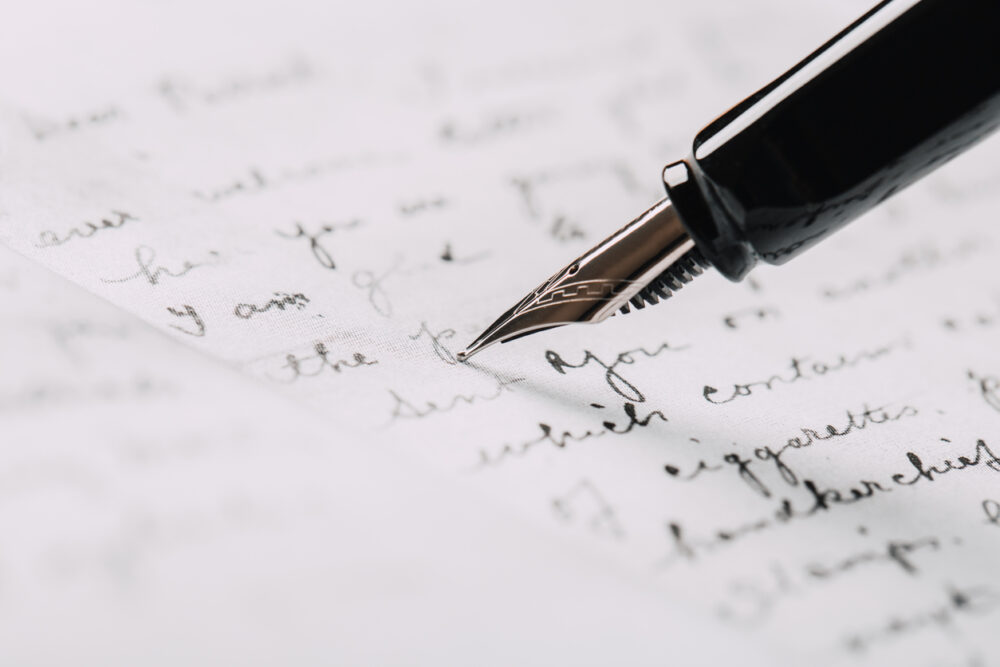
We used to write letters when we missed someone. Journal when we needed to process. Put our thoughts on paper even when they were messy or unresolved. Now, even our most personal words are filtered through grammar checkers, note apps, and auto-correct tools. And while those are helpful, they can strip away vulnerability.
Writing longhand forces you to slow down. You say what you mean, not what an algorithm suggests. You let your mind wander. You discover what you really think. But when we start seeing writing only as a task to complete or a post to polish, we forget that it can be a refuge. A reckoning. A way back to ourselves. The automation of expression may make things smoother—but sometimes, meaning lives in the rough edges.
11. Being bored—and knowing how to sit with it—is disappearing.
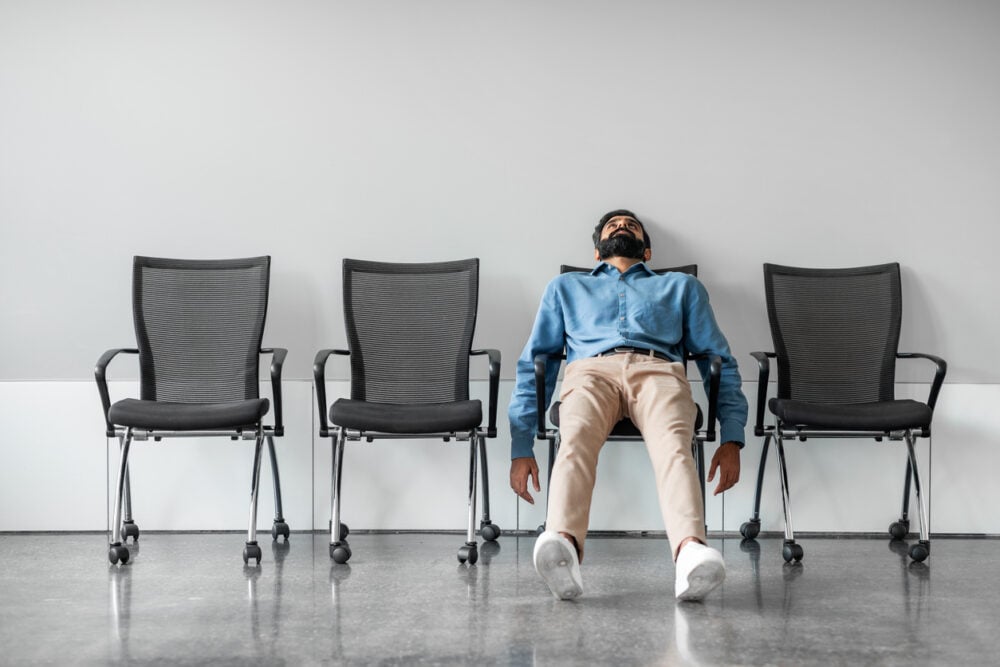
We fill every pause with content. Waiting rooms, elevators, checkout lines—there’s always a scroll or a soundbite ready to keep us occupied. But boredom used to be where creativity began. It forced our minds to wander, to imagine, to get curious. Now, we panic at the first sign of stillness.
This isn’t just a tech problem. It’s a nervous system one. When we never let ourselves be bored, we stop knowing how to self-regulate. We crave stimulation to avoid discomfort. But avoiding boredom is avoiding introspection. We lose the ability to sit with our thoughts, to process emotions, to just be. That discomfort is actually a doorway—to creativity, rest, even healing. But first, we have to stop drowning it in dopamine.
12. Reading deeply—without skimming—is harder than it used to be.

Scrolling trains the brain to skim. Quick captions, short bursts, bullet points. We bounce from headline to headline, article to comment section, never quite sinking in. Long-form reading, once a normal part of daily life, now feels like a luxury—or a struggle.
But deep reading changes how we think. It builds focus, empathy, and critical thinking. It slows time. It gives the brain room to make connections that surface-level content can’t reach.
Automation has made consuming information easier, but comprehension harder. And if we lose the ability to read deeply, we don’t just lose knowledge—we lose the kind of mental spaciousness that helps us make meaning from the world.
13. Remembering how to be alone with ourselves is becoming rare.

In a world of constant notifications, background noise, and endless content, solitude is harder to access—and often misunderstood. We reach for devices not just to connect, but to escape the discomfort of being alone with our thoughts. Silence feels eerie. Space feels like a void that needs filling.
But solitude isn’t loneliness. It’s a skill. It’s where reflection, creativity, and emotional regulation grow. When we lose our capacity to be alone, we lose our relationship with ourselves. And no app can replace that. Automation has filled our time—but it’s also filled the silence that used to be sacred. If we want to remember who we are, we might have to turn everything off—and listen.