
Behind every object was a story we weren’t ready to let go of.

At first, it looked like junk. Stacks of old cards. Mismatched mugs. A drawer of tangled jewelry. We told ourselves we were just getting organized—finally cleaning up. But as we filled boxes and made donation piles, a different feeling crept in. Why did letting go feel so heavy? Why did something so small carry so much weight?
Because it wasn’t just stuff. It was connection. It was memory. It was the shape of the people we’ve been, the people we’ve lost, the lives we thought we’d still be living. We thought we were decluttering—but we were mourning, quietly, tenderly, without knowing how to say it out loud. These ten things weren’t meant to go in the trash. They were meant to be witnessed. And maybe held a little longer.
1. The coat that doesn’t fit but still smells like them.

You haven’t worn it in years, but it hangs there like a guardian. The sleeves are too long, the buttons loose, the lining frayed—but every time you reach for it, a memory surfaces. A voice. A laugh. A kitchen in winter. You say you’ll donate it, but you don’t. Not yet.
Because this coat isn’t just fabric. It’s proximity to someone who isn’t here anymore. Or maybe they are, but not in the same way. Maybe you’ve both changed. Maybe you changed first. Writers at The Grief Recovery Method note that parting with sentimental items can feel like letting go of the person or relationship itself—even when that’s not the intention. So it stays. Not because you need it, but because it still knows something you’re not ready to forget.
2. The handwritten notes you never reread—but can’t throw away.

You told yourself they were just birthday cards. Old grocery lists. Scribbled thank-yous. But when your hand hovered over the recycling bin, something pulled back. The handwriting alone hit you like a memory. The curl of a letter. The way they wrote your name. You kept them, even if you never looked at them again.
Jennifer Burger writes on Simply Fiercely that even small sentimental items—like handwritten notes—can hold deep emotional meaning because they represent connection and memory. It’s presence on paper. A moment frozen in time from someone who might be gone or far or no longer who they used to be. And even if the note says nothing profound, it was a moment of care. A tiny thread still tethered to something real. And that’s why it doesn’t feel like trash. It feels like loss.
3. The gift you never used—but felt guilty even touching.

It wasn’t your style. Or your size. Or anything you’d ever want, really. But someone gave it to you with love—or at least, with effort. And now it sits untouched, dusty on a shelf, wrapped not in paper but in unspoken obligation. You don’t want it, but you don’t want to betray what it represents.
Because throwing it out feels like rejecting them. Or rejecting the version of you they hoped to connect with. Maybe they didn’t get it right, but the gesture still meant something. And guilt settles in where gratitude used to live.
Writers at Modern Minimalism explain that people often keep unwanted gifts out of guilt, not love, because letting go can feel like rejecting the person who gave it. Even if they’ve long forgotten it, you haven’t.
4. The clothes from a life you thought you’d still be living.

That dress from when you felt unstoppable. Those jeans that fit a different version of you. The blazer you bought when you thought you’d be promoted by now. They sit in the back of your closet like artifacts from a parallel life—the one you thought was just around the corner.
Letting them go feels like giving up on that version of yourself. Like admitting that the path shifted and you’re not going back. But holding onto them doesn’t bring that life any closer. It just reminds you of the ache. You kept them because they were more than outfits—they were hope. And grief doesn’t always come from death. Sometimes it comes from the quiet loss of imagined futures.
5. The broken item you swore you’d fix—but never did.
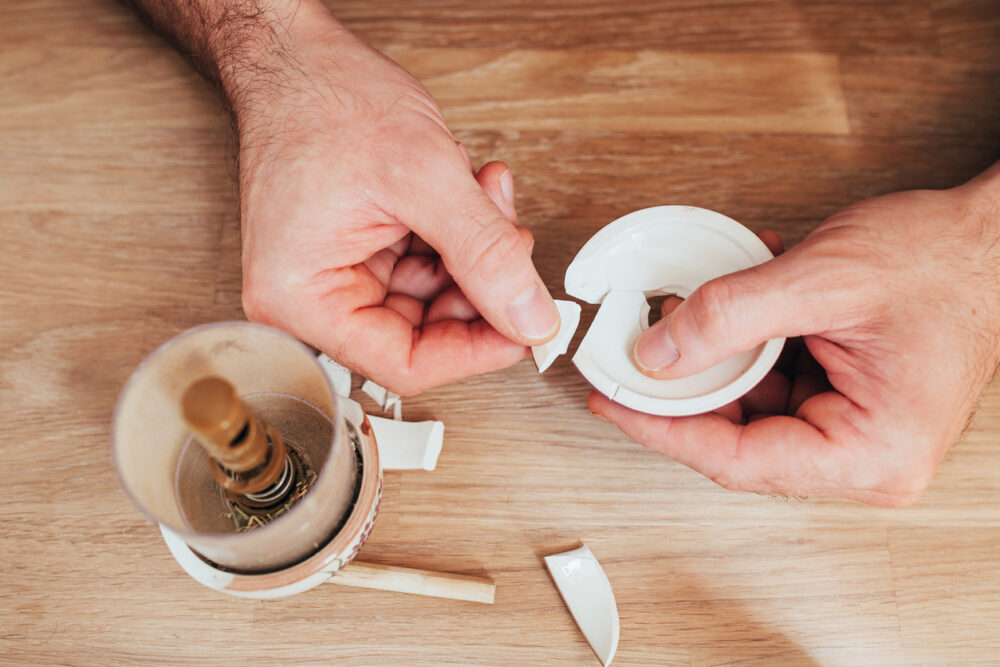
Maybe it was your grandmother’s lamp. Or a chipped dish from your first apartment. Or a necklace missing its clasp.
You kept it with the intention of repair. But years passed, and it stayed broken, tucked in a drawer. Still, you couldn’t let it go. Because it wasn’t about the item—it was about the promise. The promise to restore, to honor, to care. Letting it go means admitting you didn’t keep that promise. Or that time moved faster than you expected. Or that healing—literal or otherwise—never happened. You didn’t mean to abandon it. You just couldn’t face what its brokenness began to represent. And that makes it heavier than it looks.
6. The souvenir that was never really about the place.
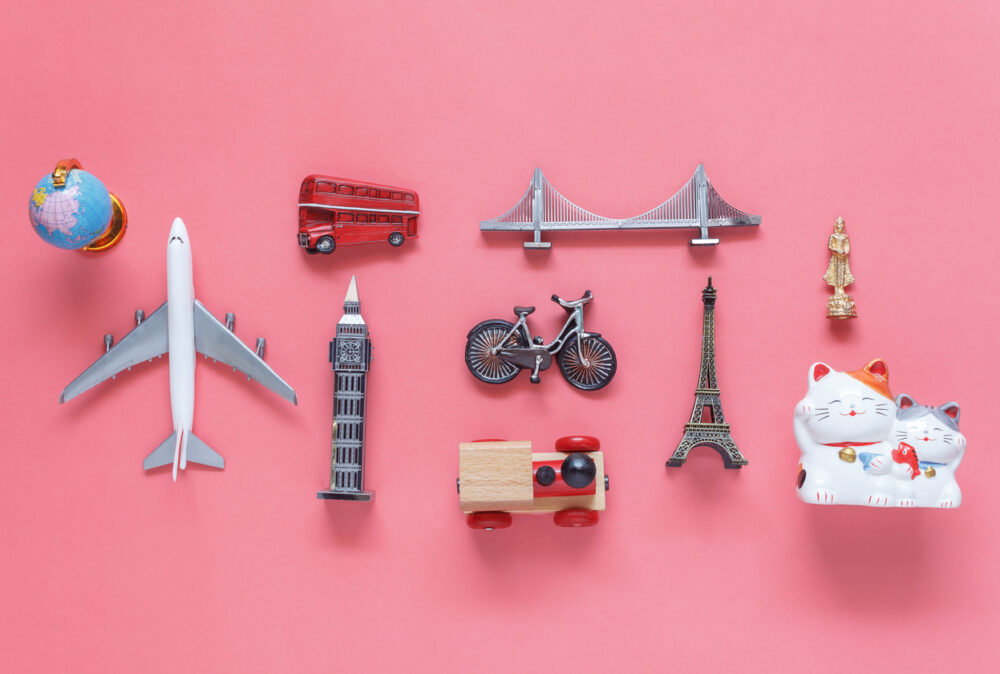
It’s from a trip you barely remember, a shop you probably wouldn’t return to. The thing itself is cheap, maybe even tacky. But it’s stayed with you through every move, every purge, every attempt to declutter. Because it was never about the object. It was about who you were with—or who you were when you got it.
Sometimes a plastic keychain or a chipped mug carries more than nostalgia. It holds a version of you you’re still grieving. A friendship that ended. A phase of life that slipped away. You kept it as proof that it happened, that you felt something real. And getting rid of it doesn’t just feel like cleaning—it feels like severing a thread you didn’t realize was still holding something fragile together.
7. The thing you kept because no one else remembered.

It wasn’t valuable or particularly useful. Maybe it was a dried flower, an old T-shirt, a kid’s toy long outgrown. But you held onto it because no one else did. It became your quiet tribute to a person, a moment, a feeling that faded from everyone else’s memory but yours.
Grief isn’t always loud. Sometimes it looks like a random object sitting on a shelf that you dust around carefully. You’re not hoarding. You’re remembering. You’re preserving something no one else thought was worth saving, but that still means something to you. And letting it go feels like saying: it really is gone. That no one else will ever know it mattered. That the memory might finally disappear—because the last person holding it has let it slip.
8. The books you’ll never read again—but once needed.

They’re dog-eared, highlighted, underlined with furious conviction. Maybe they were self-help, or poetry, or the novels that got you through a breakup. You haven’t opened them in years, but each one holds a version of yourself—raw, hopeful, trying so hard to heal or grow or just survive.
You keep them not because you’ll reread them, but because they witnessed something. A lonely night. A revelation. A desperate attempt to make sense of things. Letting them go feels like denying the person you were back then.
Like saying those feelings weren’t real, or that the work you did to get through it doesn’t deserve a monument. But the truth is, you outgrew them. You moved forward. That doesn’t erase what they held for you. It just means the chapter closed.
9. The item that belonged to someone you had to distance from.

It’s theirs. Or it reminds you of them. And that relationship—whether it ended in silence, anger, or something softer—is still unresolved. Maybe it was a friendship that collapsed. A parent who caused harm. A love that became too painful to carry. But their object remains, tucked away where you can’t quite see it.
You haven’t decided what to do with it. Holding on feels like punishment, but letting go feels like betrayal. So it lingers. Not because it’s useful or beautiful, but because it’s evidence. That they mattered. That you tried. That something existed, even if it ended badly. The grief here isn’t clean. It’s layered, confusing, unspoken. And the object becomes a placeholder for all the words you never said.
10. The thing you never used—but bought with hope.
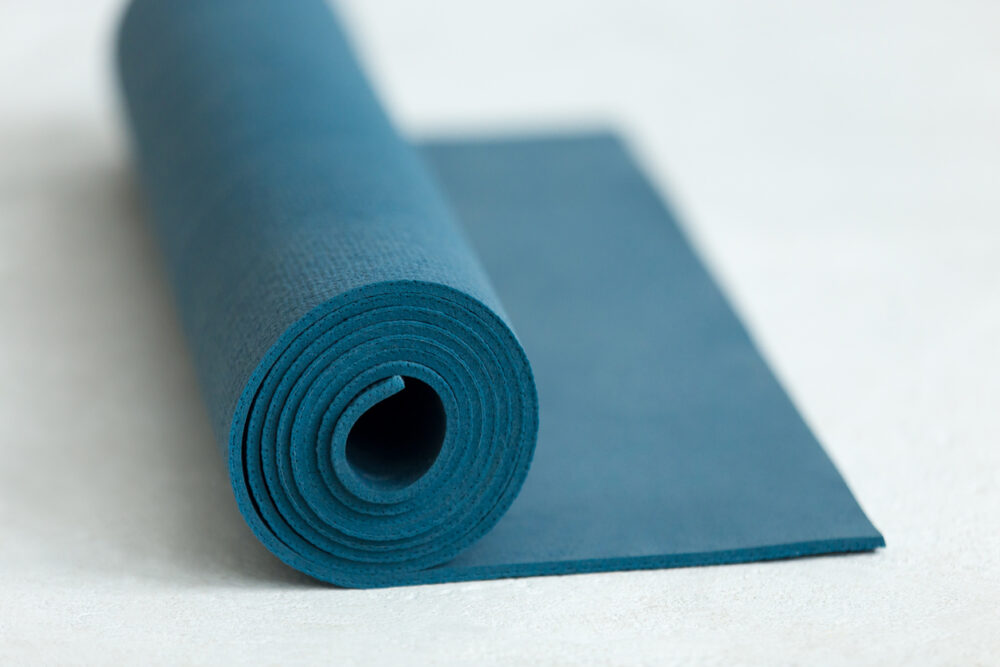
Maybe it was a yoga mat, a paint set, a pair of hiking boots. You bought it imagining a different version of yourself—more balanced, more creative, more adventurous. It represented possibility. And every time you saw it collecting dust, you felt a sting of disappointment. Not in the thing. In yourself. You kept it because letting go felt like giving up. Like saying the version of you who was going to use it isn’t coming back.
But maybe what you’re mourning isn’t failure—it’s a dream that meant something real, even if it didn’t come true. You’re not grieving the object. You’re grieving the space between who you hoped to become and who life actually required you to be.