
Extreme weather isn’t random—it’s a warning.

One day it’s snowing in April. The next, it’s 90 degrees in October. Then come the hailstorms, flash floods, record heatwaves, and wildfire smoke drifting in from hundreds of miles away. If you’ve caught yourself wondering, “Has the weather always been this messed up?”—you’re not imagining things. The planet’s climate is shifting fast, and the weather is acting out in all the ways scientists warned it would.
These aren’t just quirky anomalies or “once-in-a-century” events anymore. They’re happening more often, hitting harder, and sticking around longer. Behind every weird weather moment is a deeper connection to the changing climate. And the more we understand those links, the better we can prepare for what’s coming. From hotter oceans to jet stream chaos, here’s how climate change is rewriting the forecast—one bizarre headline at a time.
1. Hotter oceans are turbocharging hurricanes and tropical storms.

Hurricanes thrive on warm water. And thanks to climate change, sea surface temperatures are rising at record speeds. That extra heat acts like fuel, making storms intensify faster and grow stronger. It’s why we’re seeing more Category 4s and 5s, and why storms that used to weaken before landfall now explode into monsters.
Warm water doesn’t just give hurricanes power—it makes them wetter. A hotter atmosphere holds more moisture, so when these storms hit, they dump rain in volumes that overwhelm drainage systems and flood entire regions. According to Seth Borenstein for AP News, human-caused climate change increased the wind strength of Atlantic hurricanes by an average of 18 miles per hour over the last six years, primarily due to warmer ocean temperatures.
2. Jet stream shifts are making weird weather patterns stick around longer.

The jet stream is like a high-altitude highway of wind that moves weather systems around the globe. But climate change is messing with its flow. Per researchers for the Columbia Climate School, Arctic warming is linked to increased stalling of the jet stream, leading to more persistent weather patterns such as prolonged heatwaves and storms.
Weather that gets stuck. Think of those multi-day heatwaves, week-long rain events, or freak cold snaps that refuse to leave. A sluggish jet stream traps these systems in place, turning normal weather into record-breaking extremes. What used to pass through in a day now lingers for a week. So if it feels like weird weather isn’t just showing up more often—but hanging around longer—that’s not your imagination. It’s the jet stream going off-script.
3. Rising temperatures are turning ordinary heat into deadly events.

Hot days are normal. But the kind of relentless, record-breaking heat we’re seeing now is something else entirely. As stated by writers for the World Health Organization, heatwaves are increasing in frequency, duration, intensity, and magnitude due to climate change, posing significant health risks, especially for vulnerable populations.
These extreme heat events don’t just mean discomfort. They strain power grids, cook city streets, and put lives at risk—especially for the elderly, outdoor workers, and people without access to cooling.
Nighttime temps aren’t dropping like they used to, so the body doesn’t get a chance to recover. The line between a hot day and a public health emergency is getting thinner. And as global temperatures keep rising, heatwaves are becoming one of the most deadly—and underestimated—threats tied to climate change.
4. Droughts are getting longer, harsher, and harder to escape.
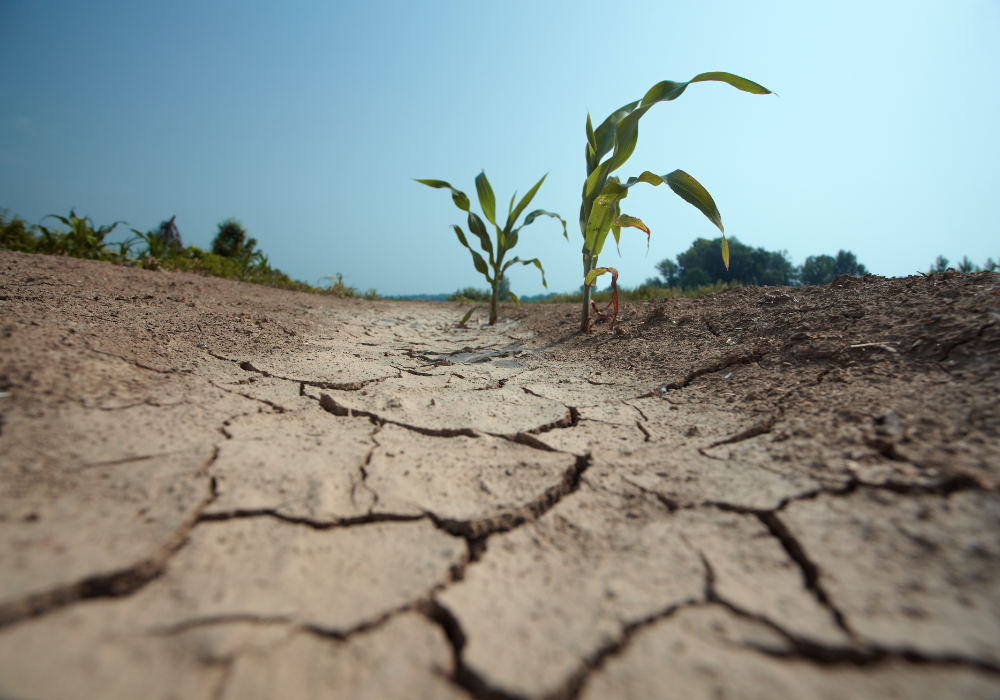
Drought isn’t just about dry ground—it’s about entire ecosystems running on empty. And climate change is making it worse. Warmer temperatures cause water to evaporate faster from soil, rivers, and reservoirs. Even when rain does come, it’s often too little, too late, or falls so fast it just runs off instead of soaking in.
This shift hits hardest in places already prone to dry conditions, like the American West or parts of the Mediterranean. Crops fail, wildfires thrive, and water restrictions become the norm. What used to be a dry season is now stretching into year-round crisis mode.
Drought doesn’t always look dramatic, but it’s one of the most serious slow-burn effects of a warming planet. When you hear about reservoirs hitting record lows or farmland turning to dust, there’s a good chance climate change is behind it.
5. Wildfires are burning hotter, faster, and more often than ever before.
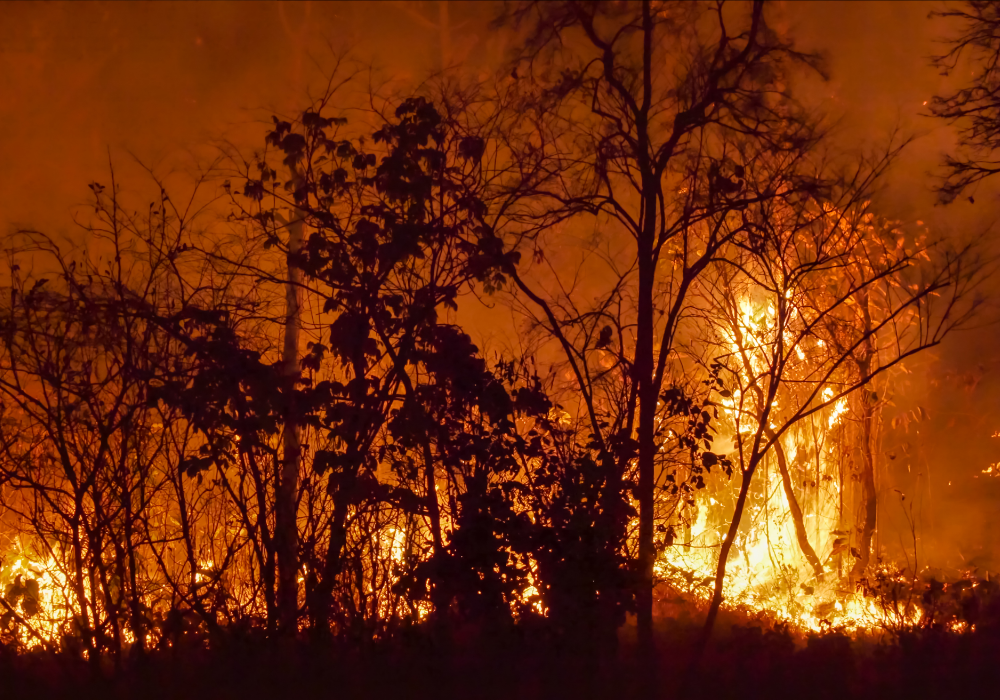
Wildfires have always been part of nature—but now they’re behaving like something else entirely. Longer droughts, hotter air, and forests full of dry, dead fuel are turning small blazes into massive infernos. And when winds pick up, those fires move with terrifying speed, jumping roads, swallowing neighborhoods, and filling the sky with smoke for miles.
Climate change plays a major role by drying out vegetation and extending fire seasons. In some places, what used to be a two-month fire risk is now nearly year-round. Add in more lightning strikes and human activity, and you’ve got a recipe for disaster. It’s not just a forest problem anymore—it’s a public health crisis. When your city is blanketed in smoke or evacuation orders become routine, it’s clear that wildfire season isn’t just seasonal—it’s structural, and it’s being fueled by a changing climate.
6. Sudden flash floods are becoming more common in places that aren’t prepared.
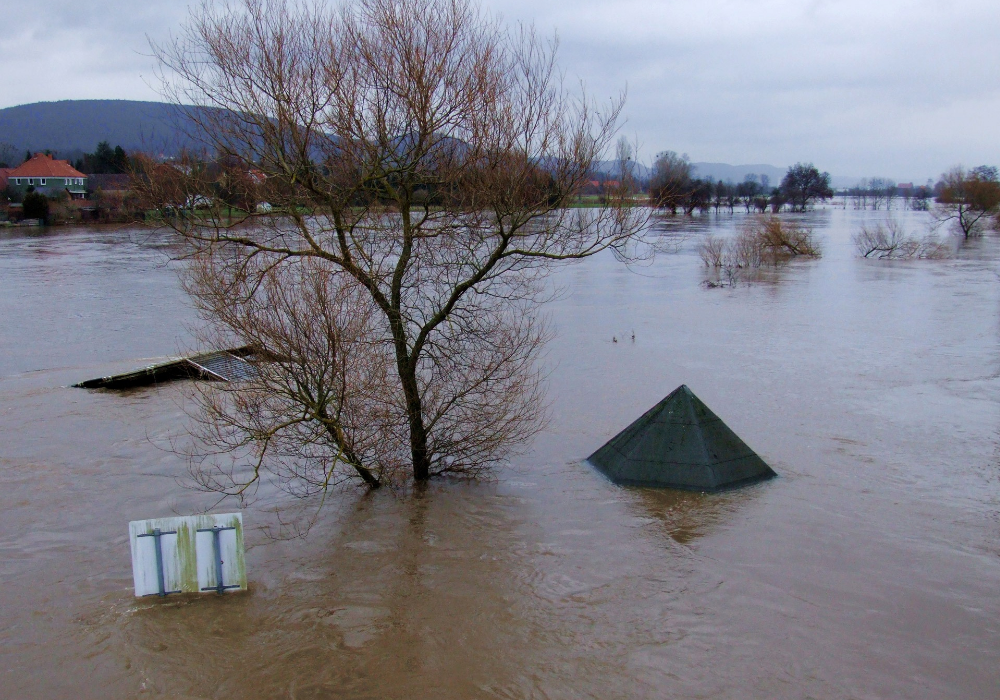
Rain used to fall steadily. Now, it can unload in minutes. Thanks to a warmer atmosphere that holds more moisture, storms are dumping water at rates that overwhelm city drains, flood homes, and turn streets into rivers. These aren’t slow-building floods—they’re flash floods, and they’re hitting places that never used to deal with them.
Urban areas are especially vulnerable. Pavement can’t absorb water, so when several inches fall in an hour, there’s nowhere for it to go. Climate change doesn’t just increase how much rain falls—it changes how it falls. Instead of gentle showers, we’re getting cloudbursts. And when that happens over dried-out soil or concrete, flooding hits fast and hard. Cities designed for yesterday’s weather are now getting swamped by tomorrow’s climate in real time.
7. Snowstorms are fewer but way more intense when they hit.
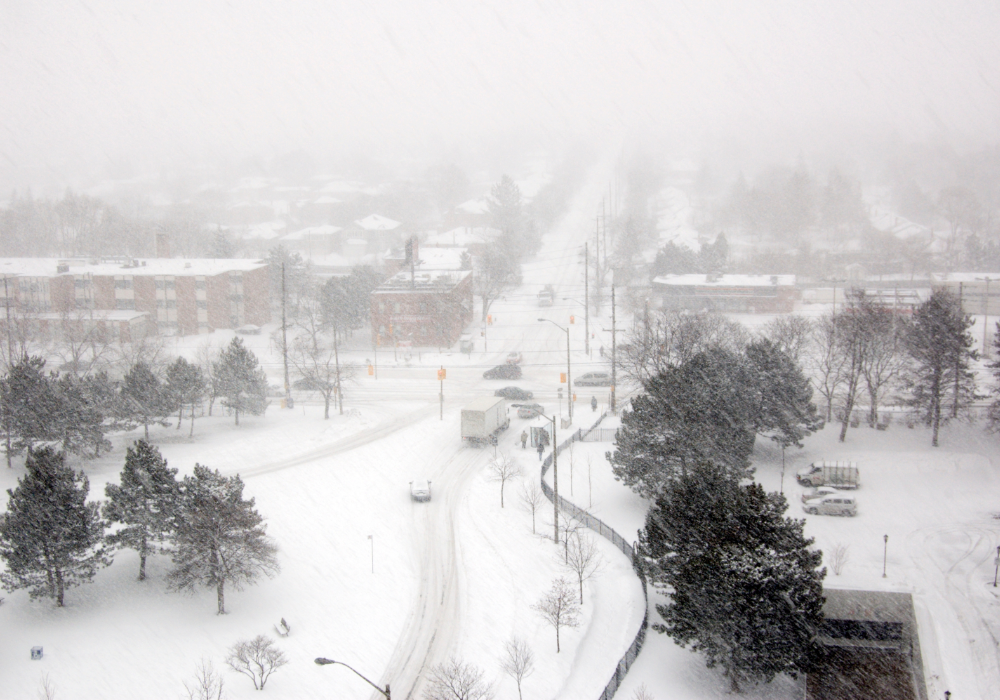
It sounds backwards, but climate change can actually lead to stronger snowstorms. Here’s how: warmer air holds more moisture. So when conditions are cold enough to snow, there’s more fuel in the atmosphere to create heavier snowfall. That’s why some winter storms are breaking records even as winters overall get shorter.
This doesn’t mean things are “getting colder”—it means the few snowstorms we do get can be more extreme. Think of it as a high-stakes weather gamble. One week might feel like spring, and the next, you’re buried under a foot of snow. These sudden swings are part of a broader climate pattern that’s making weather more volatile and harder to predict. So yes, it can snow a lot in a warming world—and when it does, it’s often a mess.
8. Seasonal shifts are throwing ecosystems and routines completely off.

Spring is arriving earlier, fall is ending later, and the seasons are starting to blur together. What used to be a predictable cycle—planting in spring, leaves in fall, snow in winter—is getting scrambled by rising temperatures. Flowers bloom too soon, migratory birds show up at the wrong time, and allergy seasons are stretching longer every year.
These changes might feel subtle at first, but they ripple out fast. Farmers rely on stable seasons to grow food. Animals rely on seasonal cues to migrate, mate, or hibernate. And people? We rely on weather patterns to plan everything from school schedules to snow removal. When seasons shift, it’s not just inconvenient—it’s disruptive. Climate change is turning the calendar upside down, and even if you don’t see it on a chart, you’re probably feeling it in your daily life.
9. Arctic warming is reshaping weather far beyond the poles.
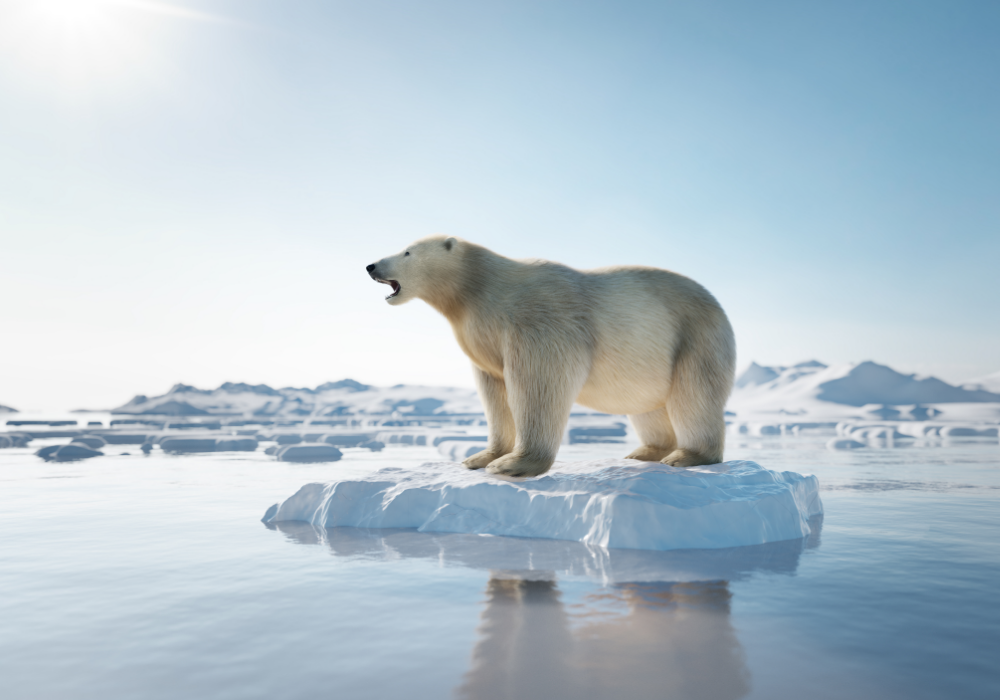
The Arctic is heating up faster than anywhere else on Earth, and it’s not staying contained up north. As ice melts and temperatures spike, that polar disruption throws off weather patterns across the globe. One of the biggest knock-on effects is how it weakens the jet stream—making it wobble and stall, like we mentioned earlier.
But it’s not just about the jet stream. Arctic warming also changes ocean currents, wind patterns, and even rainfall distribution. This can lead to freak cold snaps in one place and record heat in another—sometimes within the same week. You don’t have to live near the Arctic to feel its influence. The planet is deeply connected, and what happens at the top of the world doesn’t stay there. When the Arctic heats up, the whole weather system gets knocked out of balance.
10. Ocean currents are slowing down and messing with global weather.

Beneath the surface of the ocean, giant conveyor belts of warm and cold water help regulate the planet’s climate. But climate change is throwing those systems out of whack. Melting ice and warmer water are slowing down key currents like the Atlantic Meridional Overturning Circulation (AMOC)—and that’s a big deal. When these currents weaken, weather patterns shift in unpredictable and sometimes dangerous ways.
This can mean wetter winters in Europe, hotter summers in parts of the U.S., stronger monsoons, or even the collapse of marine ecosystems. Slower currents also lead to warmer oceans in places that should be cool, fueling everything from coral bleaching to fish migration changes.
These systems operate quietly in the background, but when they stall or shift, the entire climate feels the ripple effect. It’s like breaking a gear in a global machine—everything else starts to malfunction.
11. Warmer nights are making heatwaves even more dangerous.
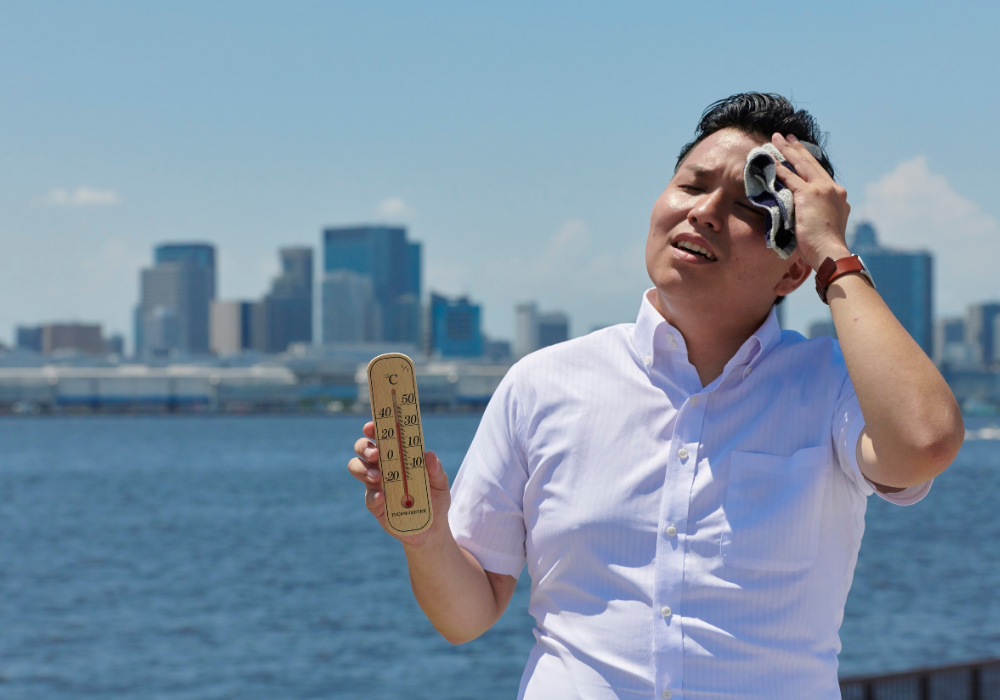
During a heatwave, one of the most important things your body needs is a break. That usually happens at night, when temperatures cool down and give your system a chance to recover. But lately, even the nights are staying hot—sometimes hotter than past daytime records. This is one of the more subtle but deadly effects of climate change.
Without that drop in temperature, the body stays stressed, especially for older adults, kids, and people with health conditions. It also puts pressure on power grids, since more people run fans and AC through the night just to stay safe. These warm nights are becoming more common in cities, where concrete and asphalt trap heat and radiate it back after sunset. It’s not just about being uncomfortable—it’s about being unable to cool down. And that makes extreme heat even more deadly.
12. Air pollution and climate change are teaming up to make breathing harder.
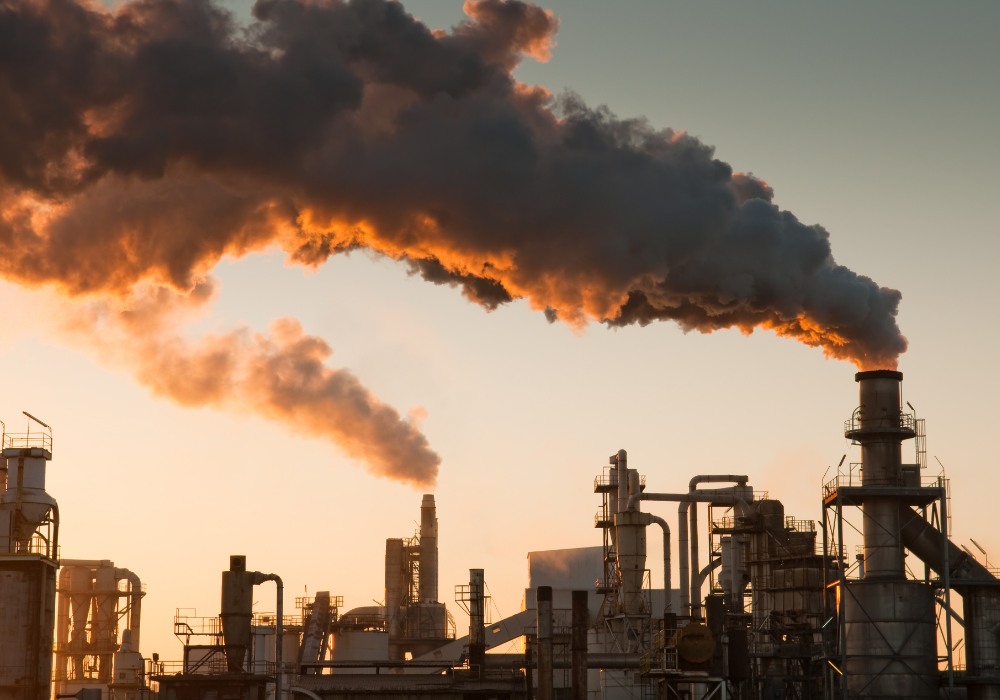
Smog isn’t new, but rising temperatures are making it worse. When the air heats up, it speeds up the chemical reactions that create ground-level ozone—one of the key ingredients in smog. Add wildfire smoke, dust from droughts, and more pollen from extended allergy seasons, and suddenly breathing becomes a lot more difficult in places that used to have clean air.
This isn’t just a summer problem. Air quality alerts are popping up year-round, especially in cities and regions downwind from fire-prone areas. For people with asthma, heart conditions, or even just sensitive lungs, it means more days indoors, more medication, and more risk.
Climate change and pollution aren’t separate issues—they’re feeding off each other. The hotter it gets, the worse the air becomes. And for millions of people, that’s turning a daily necessity—breathing—into a health hazard.
13. Weather whiplash is becoming the new normal.

One day it’s blazing hot. The next, it’s hailing. Then it’s dry, then it’s flooding. That rapid back-and-forth used to be rare, but now it’s happening all the time. Scientists call it “weather whiplash”—a term for extreme swings between one type of weather and another. And climate change is making those swings faster, sharper, and more unpredictable.
When the atmosphere holds more energy, weather systems don’t just change—they crash into each other. Drought flips to flood. Calm skies turn violent with little warning. The transitions are what make this new climate era so jarring. It’s not just hotter, colder, wetter, or drier—it’s all of them, sometimes in the same week. That constant instability takes a toll on infrastructure, agriculture, and mental health. We used to rely on the seasons to guide us. Now, the forecast feels more like a wild card.