
That giant box won’t save you money if you never use it.

Buying in bulk sounds like a financial win. More for less, right? You walk into a warehouse store, grab the oversized packs, and leave feeling like you just outsmarted inflation. But the truth is, bulk buying can quietly wreck your budget. It encourages overconsumption, leads to food waste, and often tricks you into spending more than you planned. That jumbo box of granola bars might be cheaper per unit—but if it expires before you finish it, you’re just throwing money away.
The appeal is real, especially when you’re trying to cut costs. But smart shopping isn’t about sheer volume—it’s about intention. Bulk stores rely on the illusion of value to drive up spending. And while some items are worth it, a lot aren’t. If your pantry’s full but your wallet’s empty, the math probably isn’t mathing.
1. Oversized packages often lead to overspending, not saving.

Bulk deals create a tempting illusion—you’re getting more, so you must be saving, right? But walking into a warehouse store with that “stock up and save” mindset can push you to buy way more than you need. You start adding extra snacks, family-sized containers, and that third jar of peanut butter “just in case.” Before you know it, your cart is overflowing and your receipt is twice as long as expected.
The problem isn’t just what you buy—it’s how you justify it. Bulk pricing makes it easy to ignore how quickly small overages add up. According to Andrew Beattie for Investopedia, while per-unit prices are typically lower, purchasing bulk quantities often results in buying more than needed, leading to overconsumption and potential waste, especially for perishable items. Buying in bulk only makes sense when you actually use what you buy—and that’s not always the case.
2. Food waste cancels out whatever you saved at the register.

Buying a gallon of ketchup or a five-pound tub of hummus feels like a savvy move—until it spoils before you finish it. Perishables are especially tricky. Per researchers for ReFED, difficulty in forecasting and bulk purchasing can lead to increased food waste, especially when items spoil before they are consumed.
Most people don’t have restaurant-sized fridges or industrial storage. And let’s be real—appetites and schedules change. That huge container of yogurt you planned to eat every morning? Suddenly you’re sick of it by Thursday. Throwing out food you never finished means you’re paying extra to pretend you’re being efficient. Bulk only makes sense if you know you’ll use it all before it goes bad. Otherwise, you’re not stretching your dollar—you’re squeezing it until it leaks.
3. Storage space has a hidden cost that adds up fast.
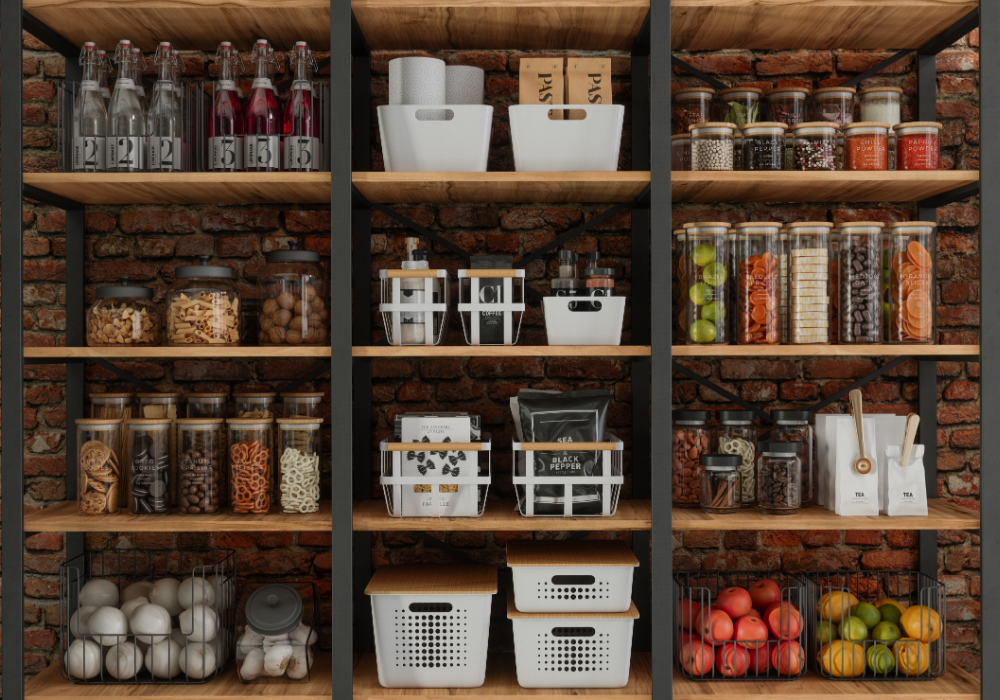
Those 48-roll toilet paper packs or crates of canned goods take up serious space. If your pantry, fridge, or freezer is already tight, bulk buying doesn’t just crowd your shelves—it disrupts your whole living space. Suddenly, your hallway closet is overflowing, your kitchen looks like a stockroom, and your freezer is too full to find anything.
And when you don’t have easy access to what you bought, you’re more likely to forget about it, repurchase it, or let it expire. Some people even rent storage units for overflow—which turns “smart shopping” into a monthly bill. As stated by writers for Extra Space Storage, the average cost to rent a 10×10 storage unit is approximately $105 per month, meaning that storing excess bulk purchases can add over $1,200 annually to household expenses.
4. Impulse buying increases when everything feels like a deal.

Bulk stores are designed to make you feel like you’re saving, so it’s easy to grab things you didn’t plan to buy—just because the price per ounce looks good. Giant tubs of trail mix, multipacks of protein bars, seasonal items, even furniture—it’s all laid out like it’s too smart to pass up. But when everything feels like a bargain, you stop asking whether you actually need it.
Those unplanned extras quietly inflate your bill, and you walk out spending $200 when you only needed toilet paper. Bulk stores count on this. They know the more you roam, the more you’ll buy. And once it’s in your cart, it feels wasteful not to bring it home. But savings only count when they’re tied to essentials—not random items that looked like “too good a deal” to skip.
5. Unit pricing can be misleading and hard to compare.

That giant bag of rice or supersized cereal box might look cheaper per ounce, but the math isn’t always in your favor. Some bulk items are priced just slightly lower than regular versions—or not lower at all. And unless you’re checking the fine print and doing mental math in the aisle, it’s easy to assume the bigger option is always better value.
Even worse, some stores count on the confusion. They mix units—ounces here, pounds there, “per roll” on one item and “per sheet” on the next. The inconsistency makes it harder to spot when you’re actually overpaying.
Smart shopping means slowing down and doing the math. If you’re not checking the unit price carefully, you might end up spending more on the “deal” than you would’ve on the regular-sized version right next to it.
6. Bulk packaging encourages overuse and faster consumption.
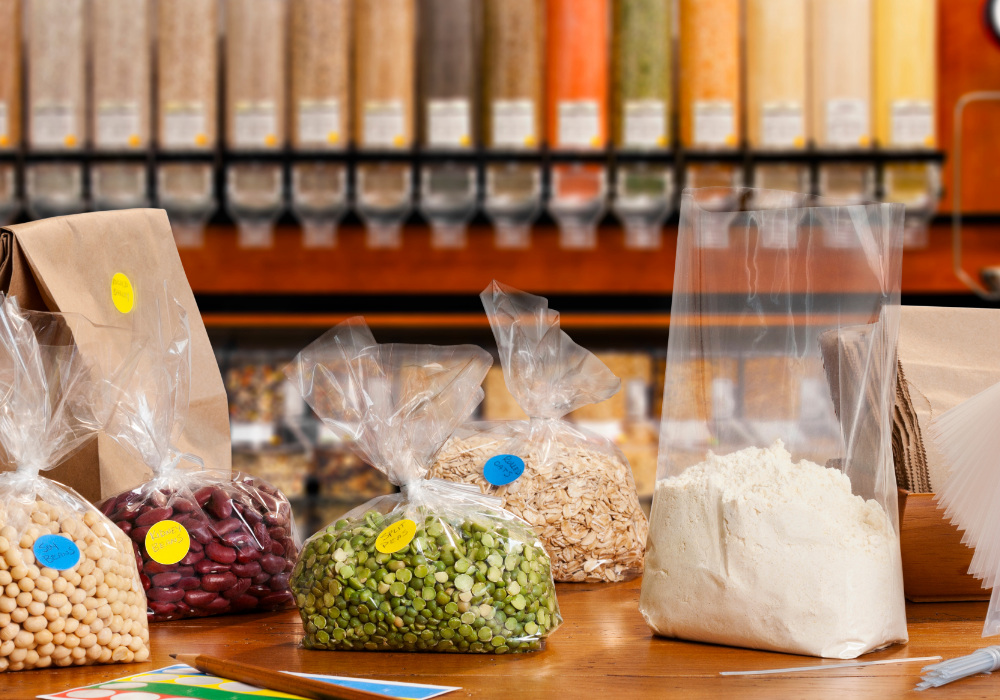
When you’ve got a massive container of something, it’s easy to use more than you actually need. You pour a little extra detergent, take bigger scoops of peanut butter, or serve up heaping bowls of snacks—because there’s so much of it sitting right there. The mindset shifts from conserving to indulging, and suddenly the product runs out just as fast as a smaller one would.
This isn’t just psychological—it’s by design. Studies show that people tend to consume more when quantities feel unlimited. So even if you paid less per unit, you’re using more per serving. That wipes out the savings entirely. A bulk purchase only saves money when it lasts longer. If it speeds up your usage, you’re not stocking up smart—you’re just burning through it faster.
7. Buying in bulk often requires a membership fee.
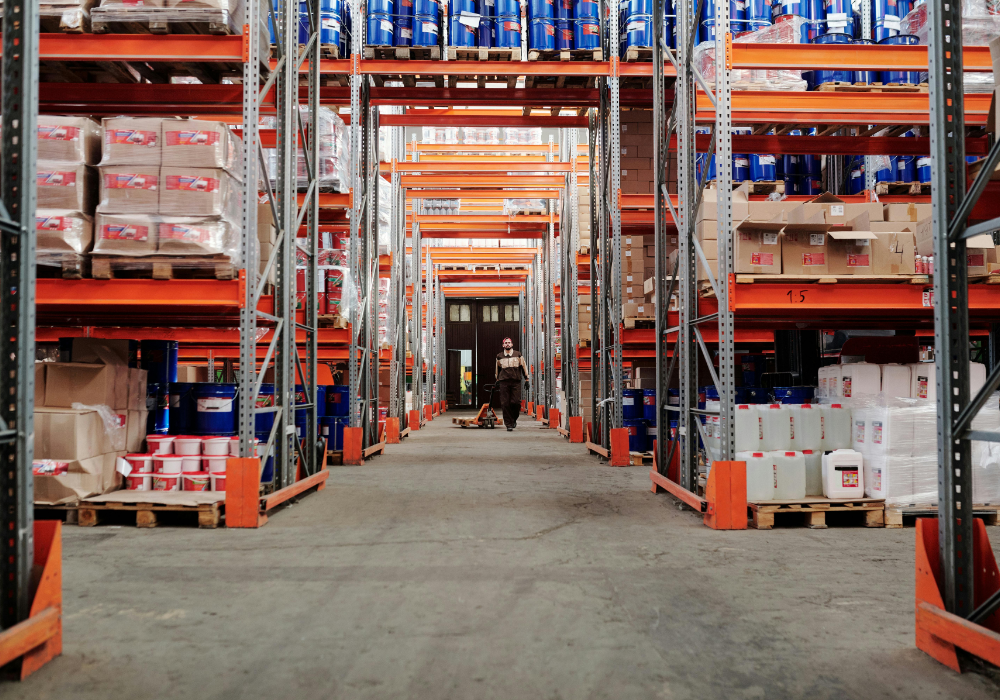
Warehouse clubs and big-box bulk stores usually require a membership just to get through the door. Those fees might seem small—$50 to $120 a year—but they chip away at your so-called savings. If you’re not shopping frequently or strategically, you could end up spending more on the membership than you ever save through discounts.
And if you’re buying in bulk only a few times a year, that membership becomes more of a sunk cost than a smart investment. Some people justify the fee for the experience, the samples, or the convenience, but none of that automatically translates into financial benefit. The only way a membership pays off is if you’re consistently making purchases that truly offer value. Otherwise, you’re paying for access to a store that convinces you to spend more than you planned.
8. Perishable items rarely last long enough to justify the size.
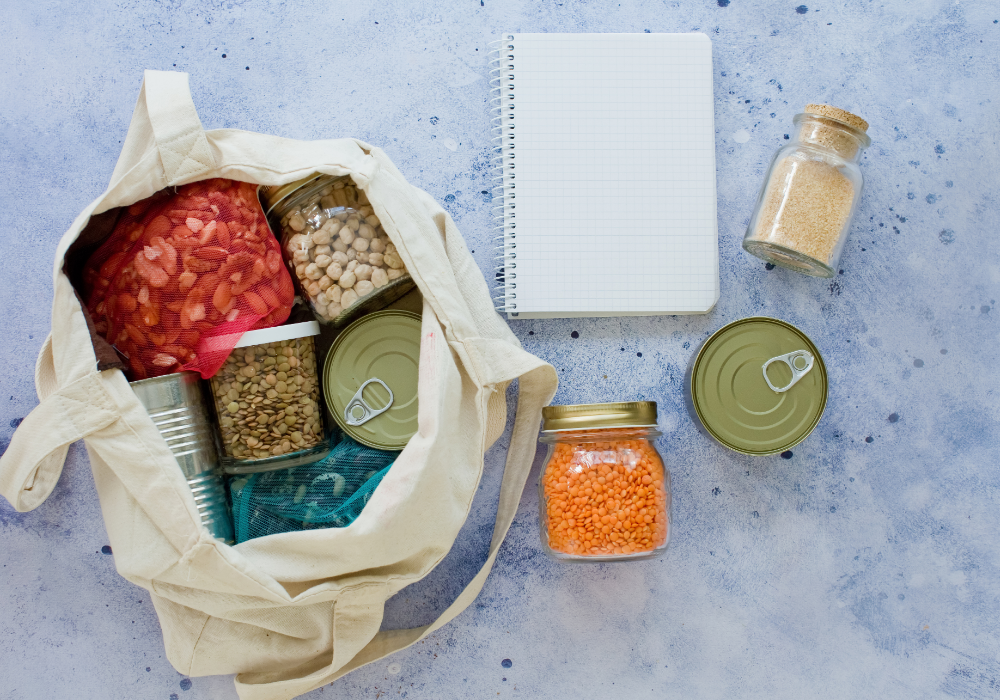
Buying a three-pound bag of spinach or a family pack of strawberries might feel like a smart move at the moment, but unless you’re feeding a crowd or eating the same thing every day, chances are some of it’s going to wilt, rot, or mold before you can finish it. Fresh produce, dairy, and baked goods are especially risky in bulk—they have short shelf lives and don’t always freeze well.
Even with the best intentions, food fatigue kicks in fast. You get bored of the same meals, forget what’s in the fridge, or simply run out of time. And when perishables go bad, so does your chance at saving money. Bulk deals work best for shelf-stable staples, not for fragile items that turn into compost by the end of the week.
9. Sales at regular stores often beat bulk prices.

It’s easy to assume bulk stores have the lowest prices across the board, but that’s not always true. Regular grocery stores frequently offer deep discounts, buy-one-get-one deals, and weekly promotions that bring prices below the per-unit cost at warehouse clubs. If you’re only looking at bulk as the go-to for savings, you might be missing better deals elsewhere.
Shopping around can take a little extra time, but it often pays off. Plus, buying smaller quantities during a good sale means less risk of waste and more flexibility. You’re not committing to a mountain of pasta or a crate of apples—just getting what you need when the price is right.
Bulk buying has its place, but it’s not automatically cheaper. If you skip the circular and head straight to the warehouse, you could be leaving better savings on the table.
10. Buying in bulk can encourage a hoarding mentality.

Stocking up “just in case” can quickly spiral into filling your home with way more than you need. What starts as smart planning often turns into overcrowded shelves, duplicate items, and forgotten goods shoved to the back of your pantry. It creates the illusion of preparedness but often leads to stress and clutter instead of peace of mind.
When your cupboards are packed, it’s harder to keep track of what you already have. You end up repurchasing things you forgot about or feeling overwhelmed by the sheer volume of stuff. That’s not organization—it’s overflow. Saving money doesn’t require turning your home into a mini-warehouse. It requires buying what you’ll realistically use in a timeframe that makes sense. If bulk shopping turns your kitchen into chaos, it’s probably not doing your budget or your brain any favors.
11. Smaller portions help with budgeting and portion control.

When you buy smaller quantities, you naturally become more intentional. You measure servings, make food last, and stretch products because you know you only have so much. Bulk shopping, on the other hand, makes it easy to overuse or overeat, which can affect both your health and your wallet.
This is especially true with snacks and convenience foods. It’s way easier to polish off a giant bag of chips than to pace yourself with a single-serve size. Smaller portions help you slow down, monitor what you’re actually using, and stick to your budget. You’re more likely to think through each purchase instead of grabbing the biggest container just because it looks like a deal. Buying less can help you spend less—and waste less—without even trying.
12. Convenience makes you overlook actual value.
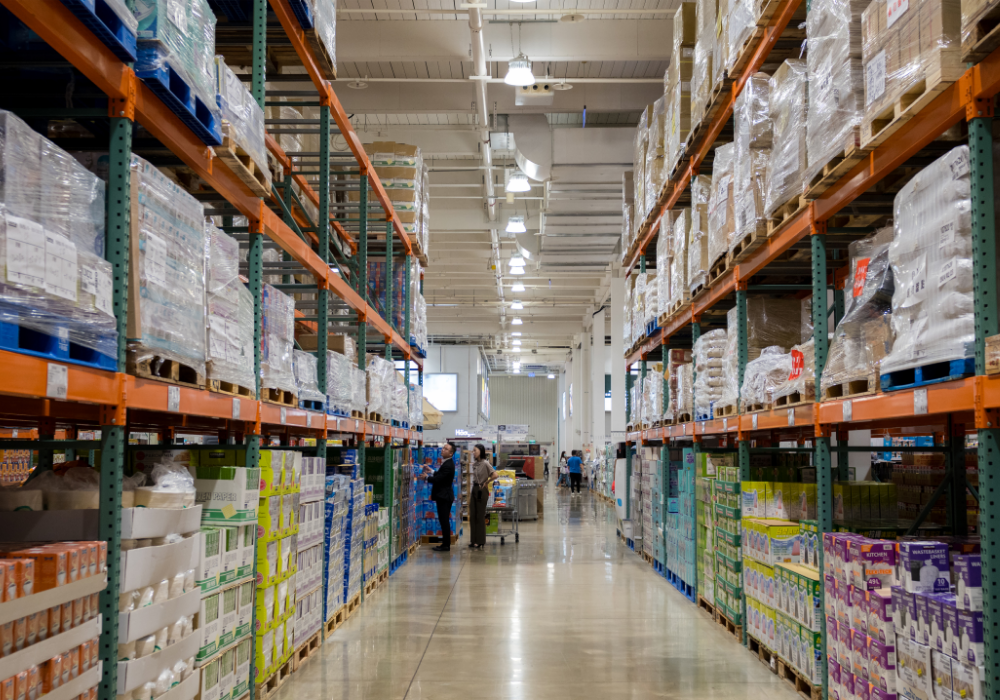
Bulk stores are designed for ease. Wide aisles, everything in one place, minimal packaging changes—it’s supposed to feel like you’re getting more for less with every turn. But that convenience can lull you into thinking every item is a good value. And once you’re in the mindset that you’re shopping smart, you stop questioning what’s actually worth it.
Convenience shouldn’t replace critical thinking. Some products are worth buying in bulk, but many aren’t. Just because it’s packaged in a larger quantity doesn’t mean the math—or the usefulness—adds up. True value comes from knowing what you’ll use, how long it’ll last, and what you’re spending overall. When you slow down and shop intentionally, you’re more likely to walk away with real savings instead of oversized regrets.