
History shows how fast a dominant species can disappear—and we’re not immune.
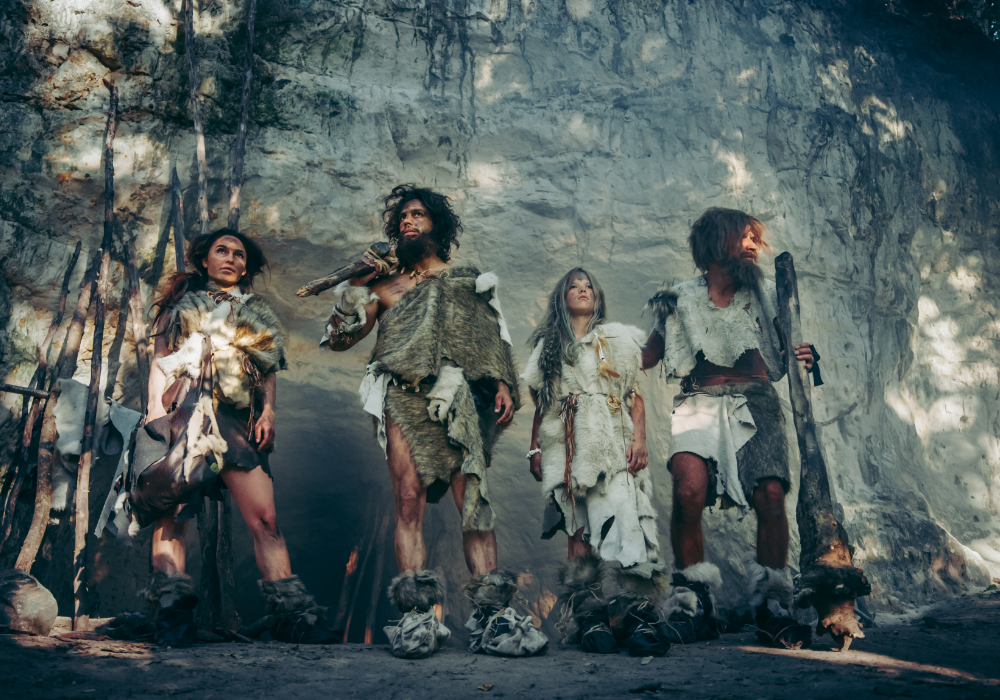
Neanderthals were tough. They survived ice ages, hunted massive animals, and adapted to brutal environments—but they still disappeared. That alone should make us a little uneasy. These weren’t some slow, bumbling cavemen. They had tools, culture, and brains almost as big as ours. Yet something—or more likely, a bunch of somethings—pushed them off the edge while our ancestors kept going. It’s easy to think we’re invincible just because we’ve got smartphones and space stations, but history doesn’t care how advanced we feel.
When you look at how Neanderthals vanished, it starts to raise some uncomfortable questions about where we’re headed. Because a lot of the stuff that contributed to their downfall? It’s not as far removed from modern life as we’d like to think. Extinction doesn’t always come with a bang—it can creep in quietly, generation by generation. The story of the Neanderthals isn’t ancient history. It might be a warning.
1. They couldn’t compete with our brains—and it cost them everything.
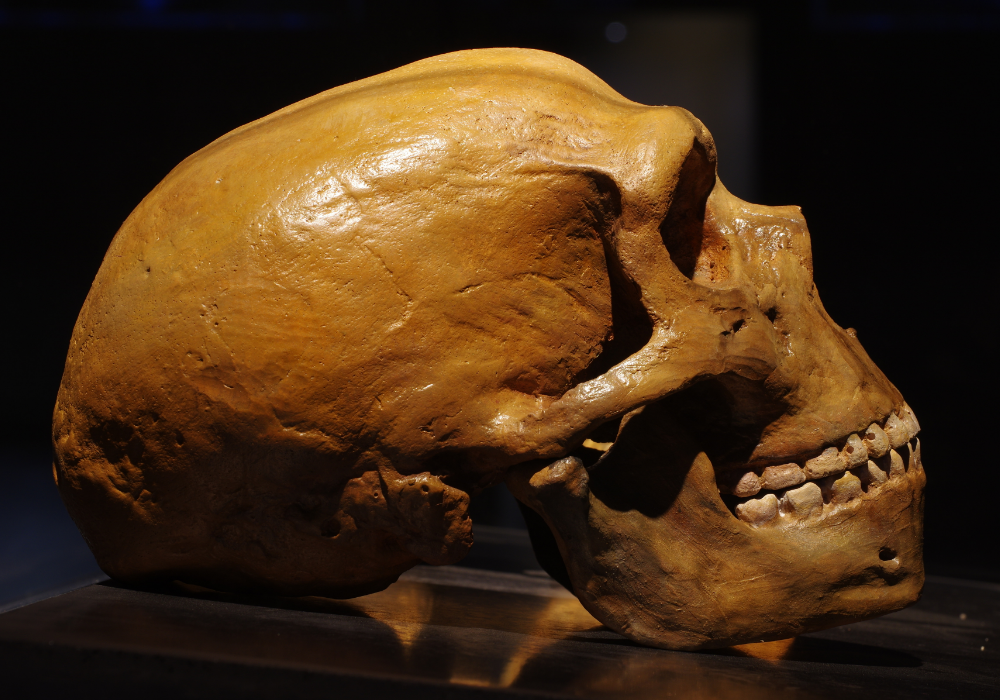
Neanderthals were intelligent, but Homo sapiens had something extra. We developed more advanced language, better tools, and the ability to pass down complex ideas through stories, symbols, and teaching. That gave us a serious advantage.
We could organize hunts, plan for winter, and build tight-knit communities that supported each other. Neanderthals, by comparison, changed more slowly and didn’t adapt as quickly to new challenges, according to Christopher Joyce in an article for NPR. That difference grew more dangerous with time.
The smarter and more socially connected early humans became, the more Neanderthals were left behind—technologically, emotionally, and even spiritually. It wasn’t always a battle, but the competition was real. We evolved to outthink, out-cooperate, and outlast them. Eventually, they just couldn’t keep up. Innovation is what saved us. And if we ever lose our edge, or stop valuing the kind of intelligence that helps us work together and solve big problems, we might end up learning the same brutal lesson they did.
2. They were too spread out to survive long-term disasters.
Neanderthals lived in small, isolated groups scattered across harsh landscapes. That might have worked for a while, but when big disasters hit—like droughts, disease, or food shortages—those little groups had nowhere to turn, writes Tim Vernimmen for PSB. There weren’t enough of them close together to help each other recover. If one clan went extinct, it could take centuries of knowledge and genes with it. Humans, by contrast, built larger, more connected communities. We traded, migrated in bigger waves, and leaned on each other to get through hard times.
That web of support made all the difference. Neanderthals didn’t have the social safety net we did, so every problem was a potential endgame. Once a group disappeared, there was no one left to fill the gap. It’s a sobering reminder: isolation can feel safe, but it’s incredibly risky when the world turns against you. Even now, our strength still depends on how well we stay connected—and how fast we show up when things fall apart.
3. They couldn’t handle rapid climate changes—and nature didn’t wait for them to catch up.
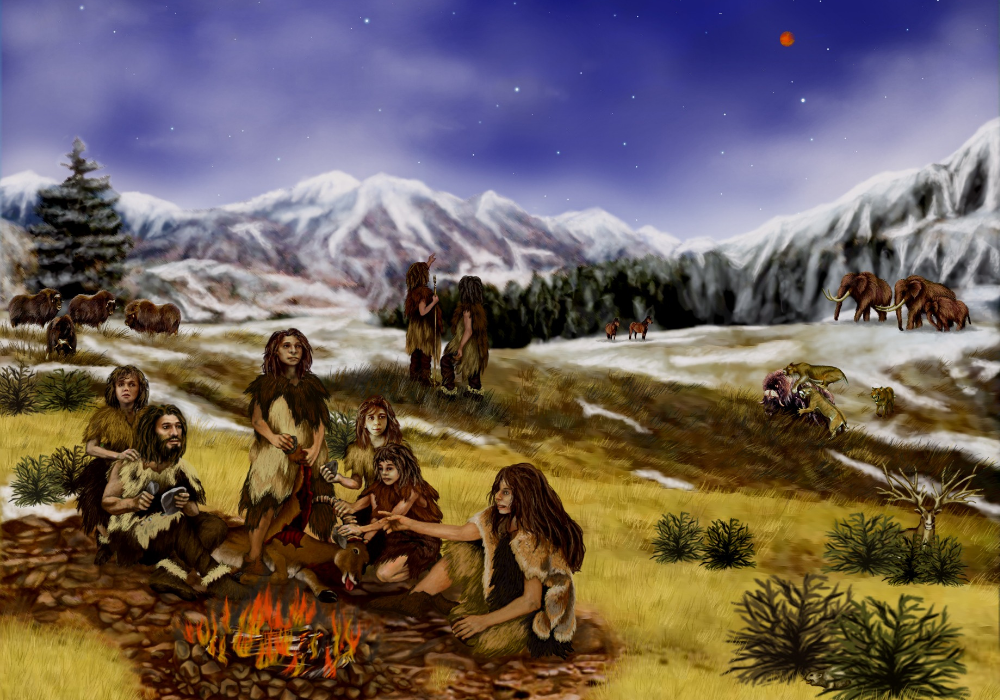
Neanderthals lived through some intense ice ages, but it wasn’t the cold that did them in—it was how fast the climate kept changing. One year, they might’ve had forests and game animals, and the next, they were stuck in a frozen, food-scarce landscape.
These shifts came fast and hard, and their way of life didn’t adapt quickly enough, notes Jason Daley in a Smithsonian Magazine article. Humans, meanwhile, were more flexible. We changed tools, moved locations, and developed ways to survive in different environments. Neanderthals relied heavily on big game animals and specific hunting grounds, and when those vanished, they had few alternatives.
They didn’t have boats, food storage, or even reliable long-distance travel routes. Climate change was like a pressure test—and Homo sapiens passed while they cracked. It’s eerie to realize we’re now facing similar environmental shifts. The big question is: are we more adaptable now, or are we just as overconfident as they were right before it all fell apart?
4. Their birth rates were too low to replace their losses.
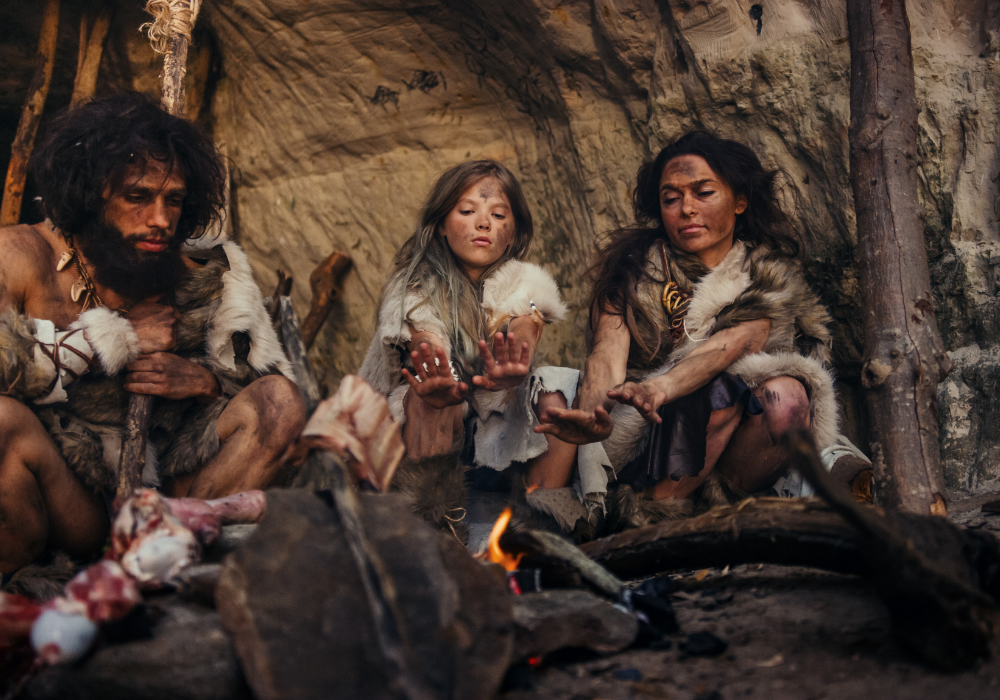
Neanderthals had small population numbers to begin with, and that made every death count a little more. Whether it was disease, injury, or simply old age, they couldn’t produce enough new life to make up for what they lost. Some research suggests they had long child-rearing periods and fewer kids overall—great for survival in stable times, but not when things were falling apart. One rough winter or outbreak could wipe out a whole generation.
Humans, by contrast, had larger social groups and higher birth rates, which allowed us to bounce back more quickly from setbacks. The bigger the group, the more chances you have to keep your culture and genetics alive. For Neanderthals, slow growth became a deadly weakness. They were always one step away from a population collapse. Today, we don’t think much about replacement rates unless it’s in a textbook, but low growth mixed with global stressors could still spell trouble for us too.
5. They had limited trade and no real long-distance networks.
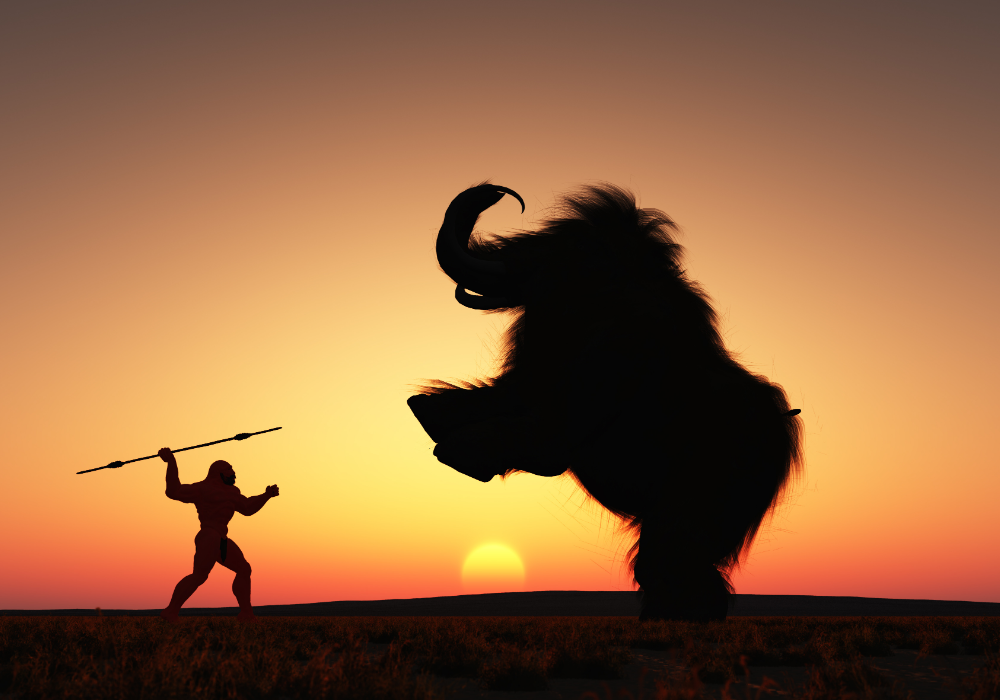
Unlike early humans, Neanderthals weren’t known for trading over long distances. They mostly used local resources, stayed near familiar hunting grounds, and didn’t build connections beyond their immediate surroundings. That might have worked fine when things were going well—but when supplies ran low or threats appeared, they had nowhere to turn. Humans, on the other hand, were already trading tools, materials, and knowledge across huge areas.
That kind of network creates resilience. If your area struggles, someone farther away might have what you need. Trade helps spread ideas and innovation, too, and Neanderthals missed out on that. Their isolation wasn’t just physical—it was cultural.
They couldn’t keep pace with the wave of advancement moving through Homo sapiens groups. The result? They stayed stuck while we evolved. In modern times, we’ve built global networks—but they’re fragile. The Neanderthal story reminds us how dangerous it is to be cut off when crisis hits.
6. They didn’t share information across groups like we did.
Neanderthals may have been smart, but they mostly lived in small, tight-knit groups that didn’t mix much with others. That meant whatever they learned—how to hunt better, make tools, or survive bad weather—stayed stuck in one place. If one group figured out something useful, there was no easy way to pass it on. Humans, on the other hand, were better at sharing knowledge across tribes and generations. We told stories, passed down lessons, and learned from one another, even over long distances. That gave us a serious survival edge. Knowledge didn’t die when people did—it traveled.
Neanderthals missed out on that snowball effect. Their best ideas stayed small, local, and often disappeared when a group died out. In today’s world, we’ve got instant sharing at our fingertips, but we still struggle with getting the right info to the right people. If we ever stop learning from one another, we could end up stuck in the same loop they couldn’t escape.
7. They lacked the art, culture, and symbolism that bonded us.
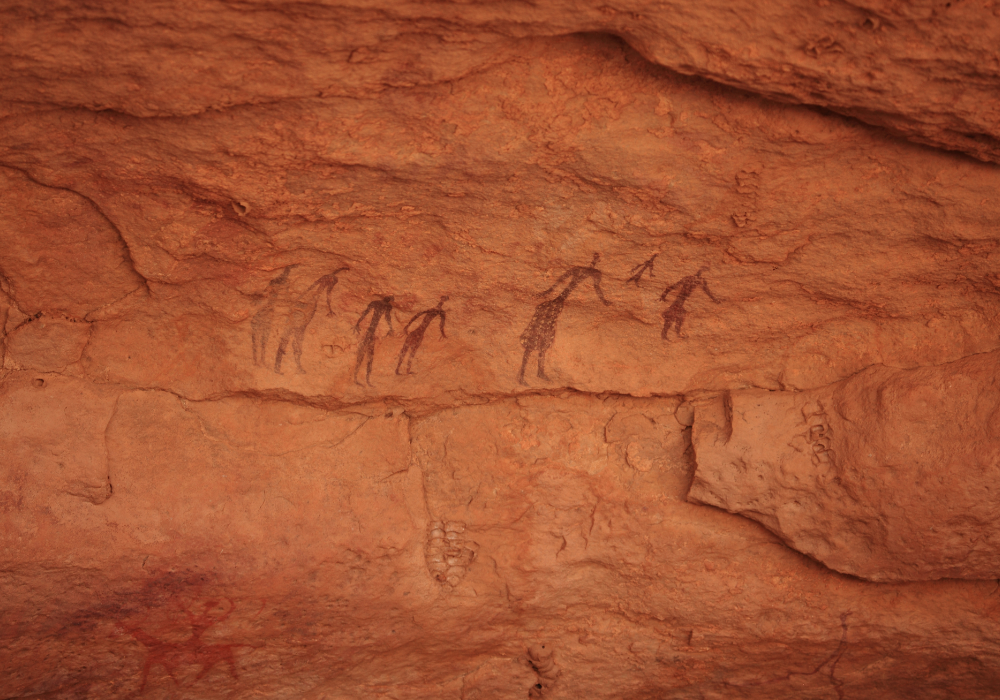
For a long time, people thought Neanderthals didn’t make art or practice rituals. Some newer discoveries suggest they dabbled a bit, but nothing close to what early humans created. Cave paintings, jewelry, carvings—those weren’t just decoration. They helped bind us together through shared stories and beliefs. Art connected people across generations and distances. It gave meaning to life and death, and helped cultures grow stronger. Neanderthals didn’t seem to invest much in those kinds of symbols.
Without shared myths, songs, or spiritual practices, it’s harder to create a lasting identity—or a deep sense of community. When things got tough, humans could lean on that shared culture for hope, guidance, or even just a reason to keep going. Neanderthals had tools, but we had meaning. And that may have been the secret sauce that kept us fighting to survive. In a world that often feels disconnected, our stories still matter more than we think.
8. They may have struggled with mental health and trauma.
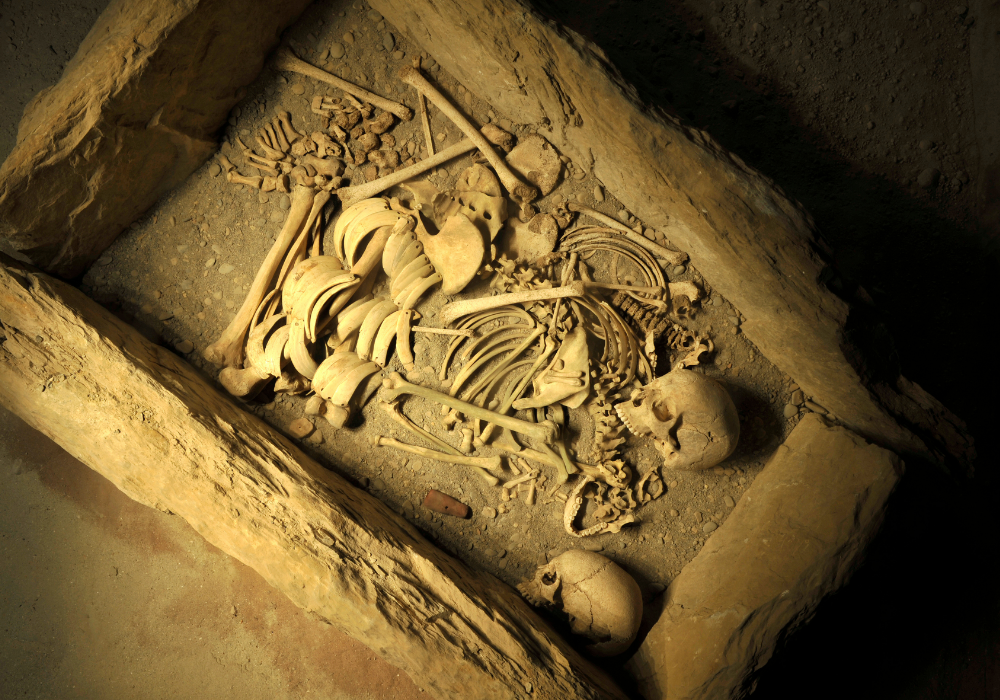
Life in the Ice Age wasn’t easy—cold temperatures, dangerous animals, and constant hunger took a toll on both body and mind. Neanderthal skeletons show signs of injuries, malnutrition, and stress. They likely experienced grief, fear, and loneliness just like we do, but without the emotional tools or support systems to cope with it. Humans built stronger social bonds, which meant when someone struggled, they had a group to lean on. We sang, danced, comforted, and healed each other in ways that kept us going.
Neanderthals probably didn’t have those same emotional safety nets. If someone lost a partner or child, they were often left to deal with it alone. That kind of trauma, repeated across generations, wears a group down. Emotional resilience isn’t just a luxury—it’s a survival skill. The fact that we still don’t fully prioritize mental health today should make us pause. Inner strength helped us outlive Neanderthals—and it might be just as crucial for us now.
9. Their immune systems couldn’t handle new diseases.
When different human groups started migrating and spreading out, they brought new pathogens with them. For Neanderthals, who had lived in more isolated areas for thousands of years, this was a disaster waiting to happen. Their immune systems simply weren’t built to handle the new bacteria and viruses that early Homo sapiens carried.
A sickness that might’ve been mild for us could’ve been deadly for them. Once exposed, Neanderthal groups may have been wiped out in waves—not from violence, but from infection. This is the same thing that happened to many Indigenous populations after European contact.
It’s a harsh reminder of how fragile survival can be when your body has no defense against something invisible. Neanderthals didn’t have medicine, quarantine strategies, or even the understanding that illness could spread. One unlucky encounter could take down an entire group. In our time, we have science and healthcare—but even today, new diseases still shake the foundations of society. The past has already shown us how quickly a virus can change everything.
10. They may have interbred with us—and slowly disappeared into our gene pool.
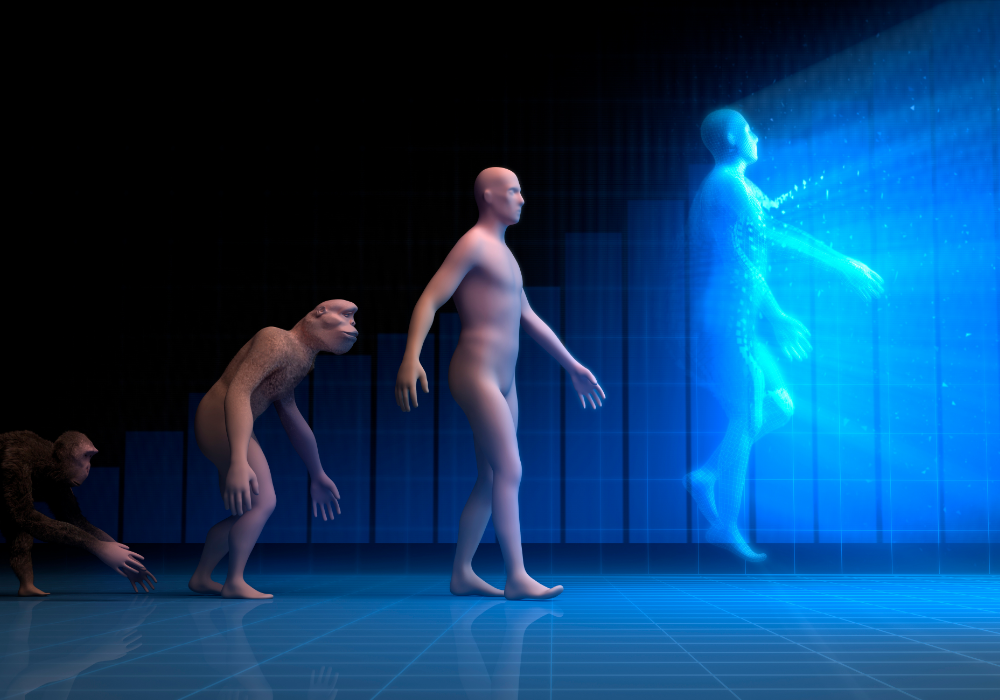
Here’s the twist: Neanderthals didn’t go out with a dramatic final battle. Some scientists believe they just got… absorbed. As early humans and Neanderthals met and interbred, their separate identities began to blur. Over time, Neanderthal genes were mixed into the Homo sapiens population, especially in Europe and Asia. That means many of us today carry a little piece of them in our DNA—remnants of an ancient merge. It wasn’t a war. It was a fade-out. If true, this means Neanderthals didn’t totally vanish—they just stopped being a separate species.
Their story didn’t end—it became part of ours. But it also shows how easily a group can lose its identity when it’s outnumbered, outpaced, or simply swallowed up by change. We think of extinction as a dramatic cliff, but sometimes it’s a quiet slope. One generation blends into the next until what was once distinct is gone. The lesson? Even survival through blending means losing something.
11. They didn’t see extinction coming—until it was too late.
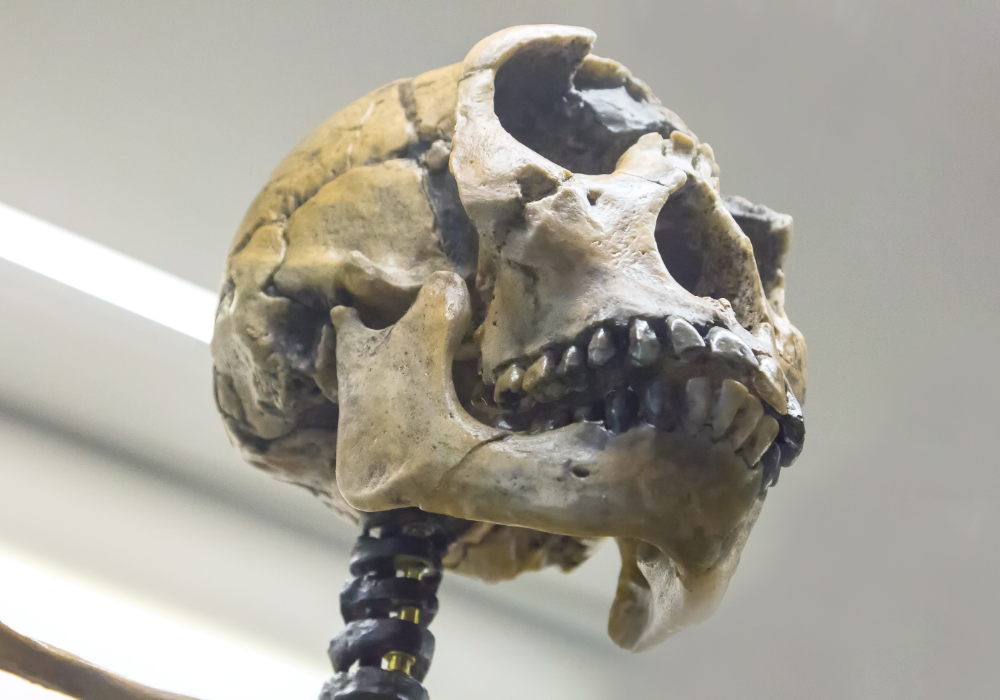
Neanderthals didn’t know they were going extinct. They were just trying to survive one day at a time, facing the same struggles they always had. But while they were doing that, the world around them was changing—faster than they could adapt.
Early humans were moving in, the climate was shifting, and their numbers were shrinking. They may have seen fewer children born, fewer animals to hunt, and harsher winters, but they likely didn’t realize it was part of a bigger pattern. By the time their situation was truly desperate, it was probably too late to reverse. That’s the chilling part.
Extinction doesn’t always look like a sudden disaster—it can feel like normal life slipping away in slow motion. The real danger is failing to recognize when things are tipping beyond recovery. Today, with all our knowledge and tools, we still ignore warning signs until they hit us hard. Just like them, we might not see the end coming… until it’s already begun.