
These powerful mind-body techniques don’t just soothe anxiety, they reveal its source.

Anxiety isn’t just a random glitch in your system—it usually has a deeper root. Maybe it’s unprocessed trauma, chronic stress, unresolved grief, or even physical imbalances that have gone unnoticed for years. Whatever the cause, your body and mind are trying to send you a message, not just make your life miserable. The problem is, most of us are taught to silence the symptoms instead of listening to them. We reach for quick fixes, numbing habits, or surface-level solutions, hoping to make the feeling go away without ever asking why it showed up in the first place.
But anxiety doesn’t exist in a vacuum. It has a story, and if you can get quiet and curious enough, you can begin to uncover it. Holistic practices don’t just help you feel better—they help you understand yourself better. And that’s the real path to lasting peace, not just temporary relief.
1. Breathwork reveals the emotional patterns your body is holding onto.

Most people breathe just enough to survive, not to heal. Shallow breathing keeps your nervous system in a low-grade state of panic, reinforcing anxiety without you even realizing it. Breathwork flips the script. When you intentionally deepen and control your breath, you start to unlock physical tension and emotional patterns stored deep within, according to experts at the Cleveland Clinic. It’s wild how much your body remembers—and how much it’s trying to protect you. With guided breathwork, you may experience tears, tingling, even a sense of release you can’t fully explain. That’s your system letting go of old wounds.
It’s not just about calming your nerves in the moment (though it does that too)—it’s about creating space to notice what’s hiding underneath the anxiety. Your breath is like a flashlight in the dark corners of your emotional landscape. Once you start using it intentionally, you’ll wonder why no one taught you this earlier.
2. Journaling helps you uncover the beliefs fueling your anxiety.

Your thoughts aren’t random—they come from somewhere. And journaling helps you trace them back to their roots. When you get your fears, worries, and racing thoughts out of your head and onto paper, they lose some of their power, says Elizabeth Scott, PhD, in an article for Very Well Mind. But it goes deeper than that. Over time, patterns start to show up. You notice how often you feel like a burden, or how quickly you assume the worst will happen. Those aren’t just anxious thoughts—they’re clues.
Journaling gives you the chance to ask, Where did I learn this? Why do I keep thinking this way? That’s when the real work begins. It becomes less about silencing your anxiety and more about understanding it. You can start to challenge the stories you’ve been carrying—stories that may not even be true anymore. A few pages a day might not seem like much, but it’s one of the most powerful tools for self-discovery out there.
3. Body scanning exposes where anxiety lives in your physical form.
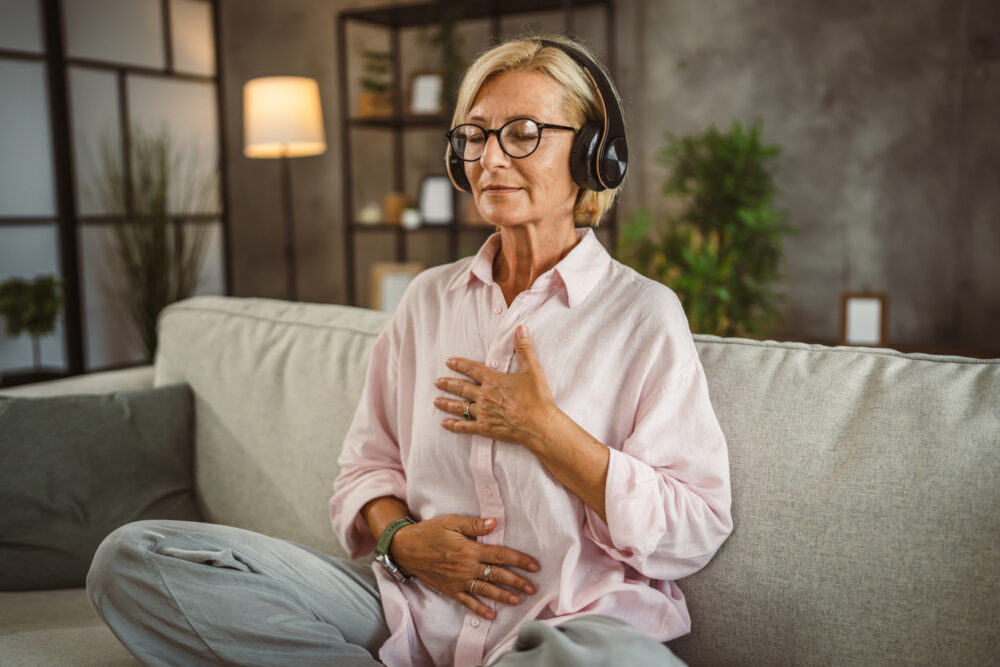
Anxiety isn’t just in your head—it’s in your chest, your stomach, your jaw, your shoulders. That constant muscle clenching, the tight throat, the fluttery gut? It’s your body trying to keep you alert and “safe.” A body scan is a simple yet powerful practice where you bring awareness to each part of your body, one at a time, and notice what’s happening there, writes Crystal Raypole in an article for Healthline. Most people are surprised by how much tension they’ve been holding without realizing it. Even more surprising? Sometimes, when you pause and breathe into that tension, emotions come up.
You may not have known you were sad, scared, or overwhelmed until your body told you. This practice is less about fixing and more about noticing. Just giving your body space to speak can bring huge relief. The body doesn’t lie. It remembers things your mind may have buried—and that’s where a lot of anxiety is quietly hiding.
4. Meditation trains your brain to stop reacting and start observing.

Meditation isn’t about clearing your mind or becoming a zen monk. It’s about becoming the observer of your thoughts instead of being their hostage. When anxiety hits, your mind usually spirals fast—catastrophic thinking, what-ifs, and old fears all pile on at once. Meditation teaches you to pause and create space between the thought and the reaction. You sit, you breathe, and you notice what comes up without trying to fix it.
Over time, this builds a kind of inner muscle that helps you stay grounded, even when life feels chaotic. The goal isn’t to stop thinking—it’s to stop believing every anxious thought that pops up. That’s a massive shift. Daily meditation, even for just ten minutes, helps your nervous system recalibrate and makes space for new insights to surface. You might even discover that your anxiety has been pointing to something deeper—something worth paying attention to.
5. Inner child work reveals the past wounds triggering your fear.

A lot of adult anxiety is actually leftover childhood fear in disguise. That panic over being rejected, not feeling good enough, or needing to be perfect? Chances are, those stories started early. Inner child work helps you connect with the younger version of yourself—the one who learned to survive by staying small, pleasing everyone, or bracing for something bad. This isn’t about blaming your parents or staying stuck in the past. It’s about understanding where those fears started so you can stop living by them. When you connect with that younger part of yourself and offer the safety, love, and validation they never got, something shifts.
You stop reacting like a scared kid and start responding like a grounded adult. The fear doesn’t run the show anymore. It’s not always easy, but it’s deeply healing. Your anxiety might not be irrational—it might just be old. And your inner child is ready for peace.
6. Somatic movement gets stuck emotions flowing again.

Ever feel like your body is buzzing with nervous energy you can’t shake? That’s not random—it’s emotional residue that needs an outlet. Somatic movement helps release what’s been stuck. Unlike a workout or a dance routine, it’s not about looking good or burning calories. It’s about tuning into your body’s impulses and letting them move. That might mean shaking, swaying, stretching, or moving in ways that feel weird but oddly relieving.
When your body feels safe to move freely, emotions you didn’t even know you were holding often rise to the surface. This can be incredibly cathartic. Anxiety thrives on disconnection—from self, from sensation, from presence. Movement brings you back. You don’t need to follow a script—just follow your body. It knows what it needs to release. This practice helps you feel instead of suppress, and that’s where healing starts. Motion can unlock emotion, and that changes everything.
7. Mindful eating exposes the emotional patterns behind your cravings.

Anxiety often shows up in the kitchen—overeating, under-eating, bingeing on sugar or carbs. It’s not just about food; it’s about feelings. Mindful eating invites you to slow down, pay attention, and notice what’s really going on when you reach for that snack. Are you actually hungry? Or are you stressed, bored, sad, or needing comfort? Most people eat on autopilot. But when you eat mindfully—savoring flavors, noticing textures, listening to your body—you begin to uncover emotional habits that may be masking deeper issues.
You might notice patterns like using food to avoid hard conversations or to soothe loneliness. This isn’t about dieting or restriction—it’s about curiosity. Once you start eating with awareness, you learn how often your anxiety drives your choices. That awareness isn’t just empowering—it’s healing. Food can be a window into your emotional world, and mindful eating opens the blinds.
8. EFT tapping calms anxiety and brings clarity fast.
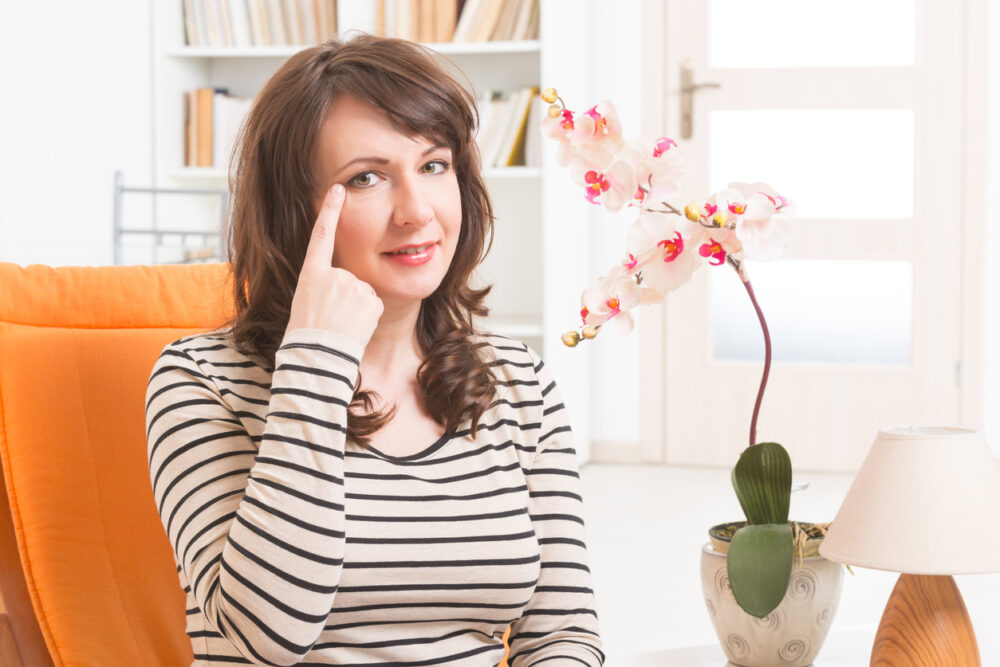
Emotional Freedom Technique (EFT), or tapping, might look odd at first—you tap on certain meridian points while speaking out loud—but don’t let that fool you. It’s one of the fastest ways to calm anxiety and get to the root of it. As you tap and talk through your feelings (“Even though I feel anxious, I love and accept myself”), something shifts in your nervous system. The combination of physical tapping and emotional honesty helps break the cycle of panic. Many people find that memories or realizations surface during tapping sessions—things they didn’t even know were bothering them.
That’s because your body finally feels safe enough to release them. You’re giving your system permission to process instead of suppress. Tapping isn’t just a bandaid—it’s a bridge to what’s beneath the anxiety. And the more you practice, the faster you can return to calm and insight when the waves hit.
9. Grounding rituals reconnect you to safety in the present moment.

Anxiety is future-focused. It pulls you out of the now and throws you into a panic about what might happen. Grounding rituals pull you back to the moment—where real safety lives. This could be walking barefoot on grass, holding an ice cube, focusing on your five senses, or placing your hand on your heart and breathing deeply. These practices may seem small, but they’re powerful. They send signals to your brain that say, We’re okay right now. And sometimes, that’s exactly what your system needs to hear.
When you practice grounding regularly, you build a kind of inner anchor. You start recognizing your own safe harbor when anxiety storms come. You don’t need to overthink it. Pick a few grounding techniques that resonate with you and use them often—especially when you feel yourself spiraling. Presence is the antidote to panic, and grounding makes presence feel possible.
10. Sound healing shifts anxious energy out of your system.
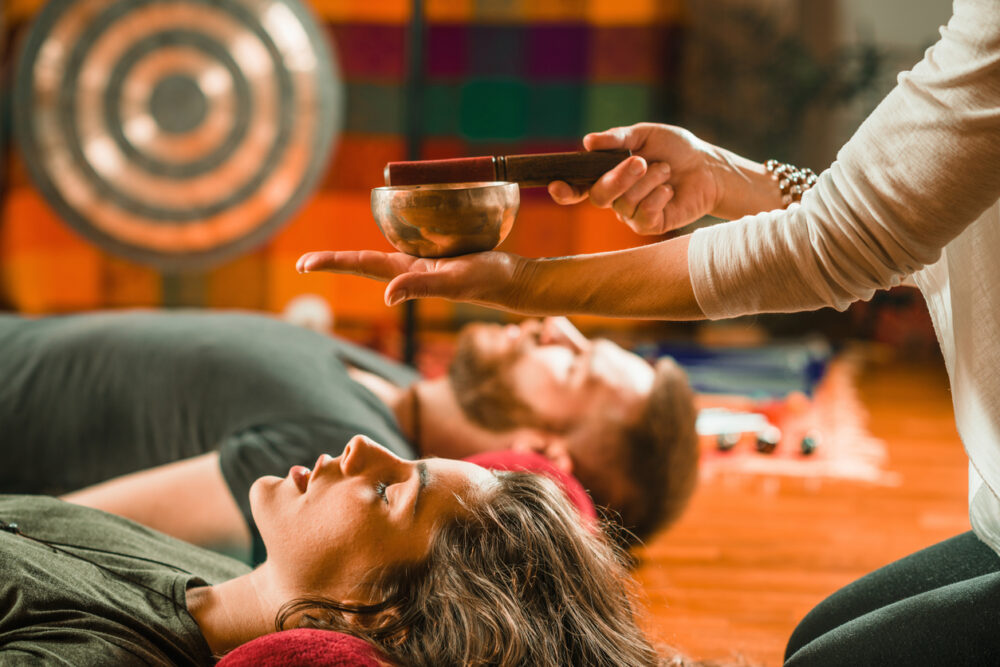
Sound affects your nervous system in ways you can’t always explain. Certain frequencies, vibrations, and rhythms can literally calm your heart rate, regulate your breathing, and move stuck energy. Sound healing might involve singing bowls, gongs, tuning forks, or simply listening to specific frequencies like binaural beats. These aren’t just relaxing background noises—they’re tools that help reset your body and mind. People often report feeling lighter, clearer, and even emotional after a sound session. That’s not random—it’s your system responding to harmony after being stuck in internal chaos.
You don’t have to go to a fancy sound bath to benefit. There are tons of free resources online to help you get started. Just pop in your earbuds, close your eyes, and breathe. Sometimes anxiety isn’t just mental—it’s vibrational. And healing can start with a single sound wave washing through your cells.
11. Energy healing clears blockages that traditional therapy might miss.
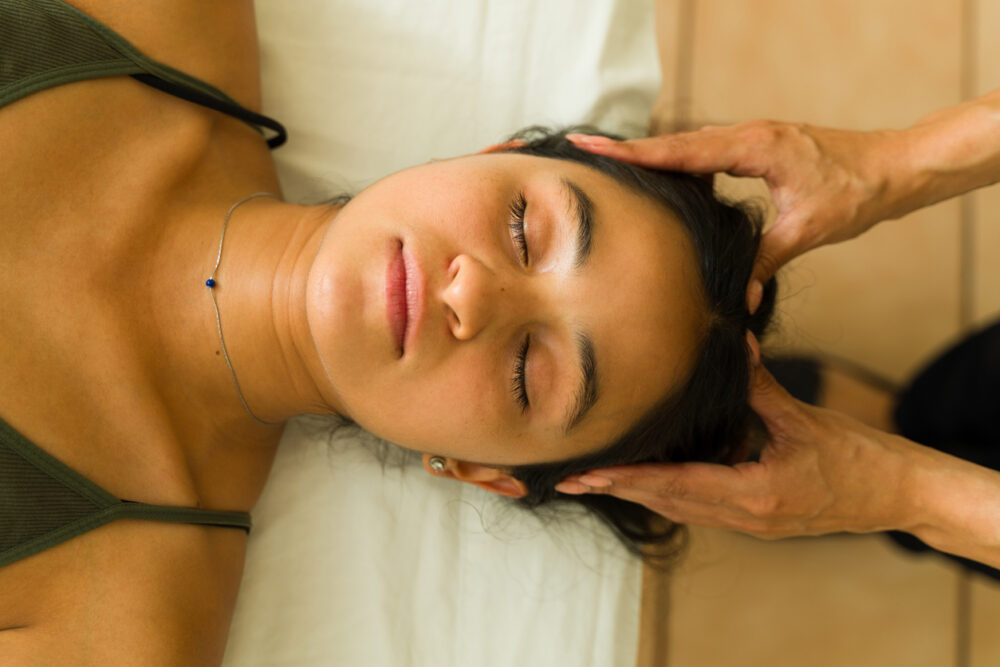
Sometimes talk therapy can only go so far—especially when anxiety has energetic roots. Practices like Reiki, acupuncture, or chakra balancing work on subtle levels, helping you release stuck emotional energy that your conscious mind may not even be aware of. This isn’t magic or wishful thinking—it’s ancient wisdom that understands the body as an energy system, not just a machine. Anxiety often builds when your energy is blocked, scattered, or depleted. Energy healing helps bring things back into flow.
Many people feel calmer, lighter, or more centered after a session—even without knowing why. You don’t need to believe in anything specific for it to work. Just being open to the experience can allow your body to reset in ways you didn’t know it needed. If nothing else has worked, this might open a new doorway. Healing doesn’t always happen through words—sometimes it’s about energy alignment.
12. Nature therapy reminds your nervous system how to feel safe again.
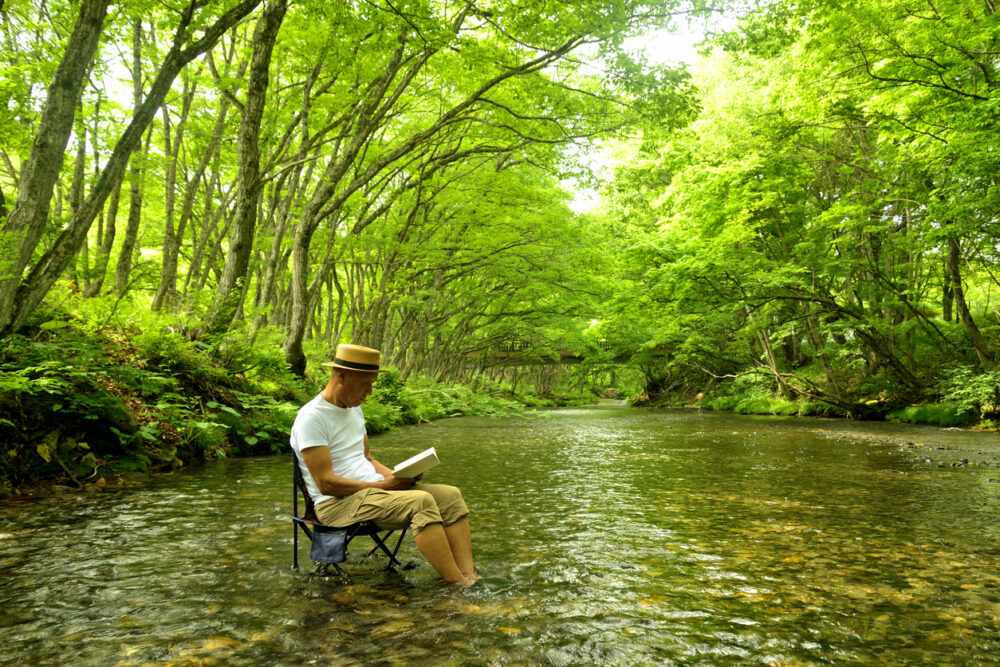
Your body didn’t evolve in concrete boxes under fluorescent lights. It evolved in forests, near water, under the sky. That’s why spending time in nature can be one of the fastest ways to soothe anxiety and reconnect with yourself. The natural world doesn’t demand anything from you. It just is. And when you’re surrounded by trees, birdsong, or crashing waves, something inside you starts to slow down. Your breathing deepens, your thoughts quiet, and your nervous system remembers how to settle. Nature isn’t just beautiful—it’s therapeutic. You don’t need a full-blown hiking adventure.
Even a 15-minute walk through a park or sitting near a tree can have a real effect. Some people find answers in nature they couldn’t find anywhere else. That’s not coincidence—it’s regulation. Your anxiety may feel overwhelming, but your body already holds the blueprint for peace. Nature helps you find your way back to it.