
Things weren’t as simple, safe, or fair as people like to remember.
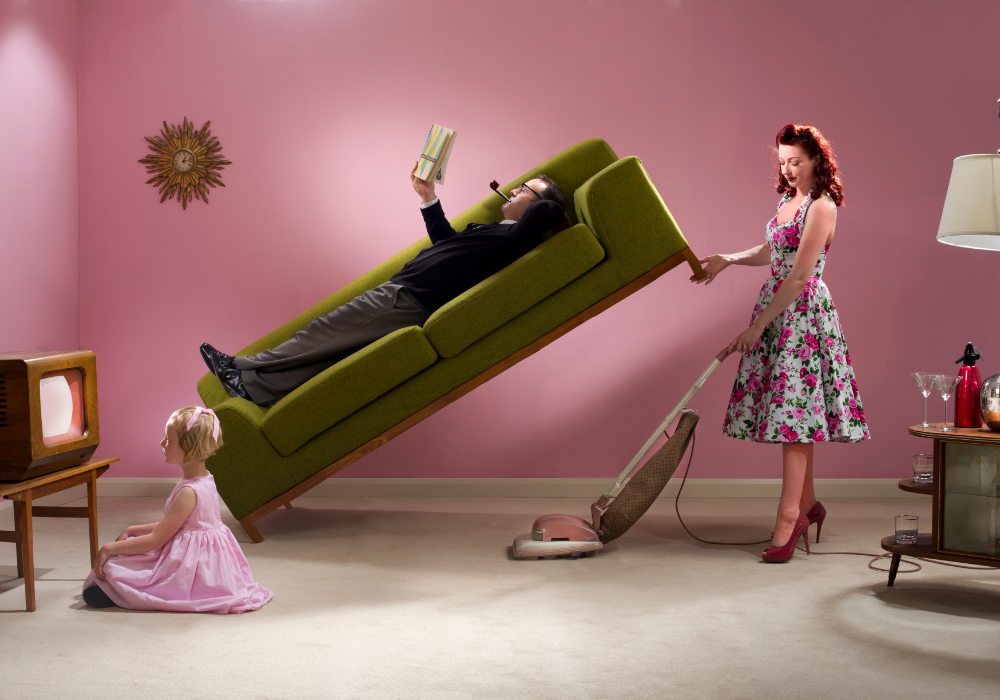
People love to romanticize the past. Politicians build entire campaigns around it. Families pass down stories of better times, tighter communities, and simpler living. But scratch the surface, and that golden glow starts to crack. Most of what gets called “the good old days” was only good for a select few—and often came at someone else’s expense.
Nostalgia has a way of editing out the bad parts. It smooths over injustice, filters out struggle, and turns deeply flawed decades into moral high ground. Things might’ve looked more polite on the surface, but politeness isn’t the same as peace. For every memory of safety or neighborly charm, there’s a parallel truth of who was excluded, silenced, or harmed. The past wasn’t better. It was just better at hiding what was broken. To move forward, we need to stop rewriting history and start facing it.
1. Segregation wasn’t a footnote; it was the framework.
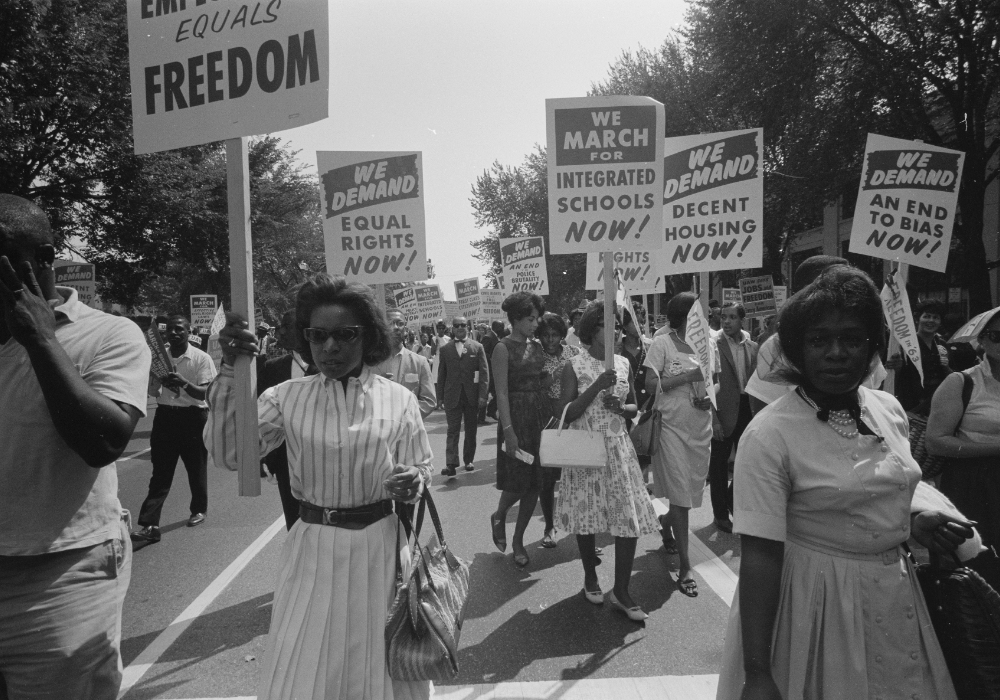
For many Americans, the “good old days” were built on laws that explicitly excluded people of color from schools, housing, voting booths, and public spaces. These weren’t isolated policies—they were the structure of daily life. Wilfred U. Codrington III writes in the Brennan Center for Justice that voter suppression wasn’t just about exclusion; it was a strategy to protect white political power.
When people long for the “simpler” times of the 1950s or earlier, they often forget—or ignore—that those decades meant second-class citizenship for millions. Entire neighborhoods were off-limits. Entire futures were blocked. And any challenge to that system was met with violence, legal or otherwise. This wasn’t a backdrop—it was the foundation.
Nostalgia for that era often focuses on aesthetics: diners, cars, music, dress codes. But under those aesthetics was a brutal hierarchy, tightly enforced. The order people remember so fondly came at a steep cost—and that cost wasn’t paid by everyone equally.
2. Women weren’t thriving barefoot in the kitchen.
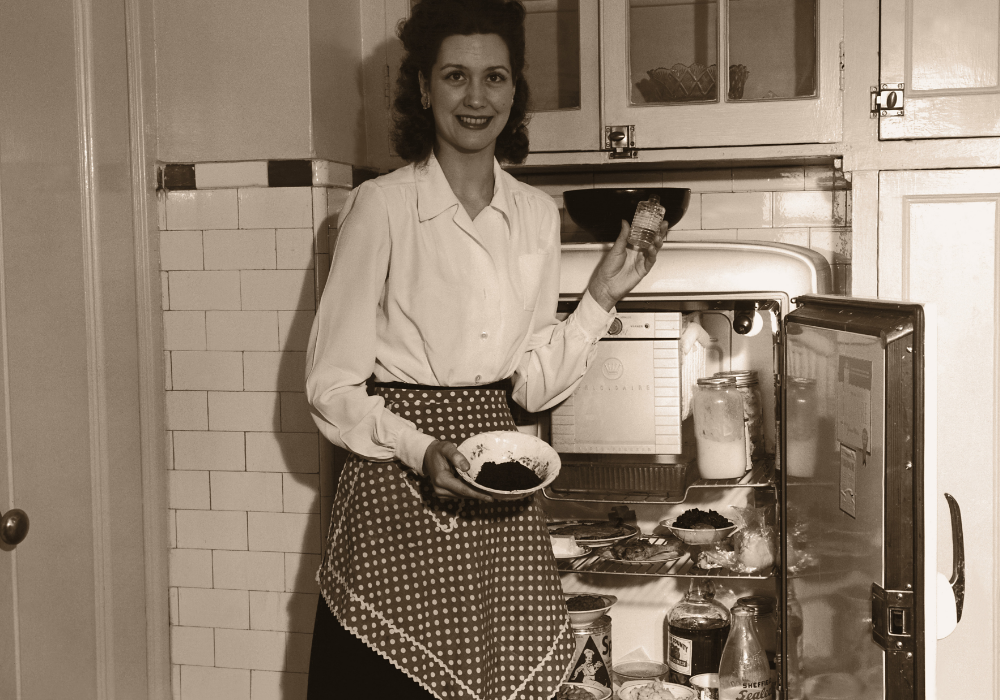
The image of the cheerful housewife baking pies and raising kids in a spotless home is one of the most persistent symbols of postwar nostalgia. But it leaves out the crushing reality for many women—especially those stuck in lives they didn’t choose or couldn’t leave.
Women had limited access to education and couldn’t get credit without a male co-signer. Working outside the home was discouraged, especially for mothers. Domestic violence was rarely acknowledged, let alone prosecuted. As PBS American Experience points out, the birth control pill wasn’t approved for contraceptive use until 1960, marking a major turning point in women’s ability to control their own lives. Many were expected to smile through isolation, exhaustion, and abuse. The housewife ideal wasn’t a sign of progress. It was a cage dressed up as fulfillment. For plenty of women, the past wasn’t kinder. It was just quieter.
3. “Back when kids could play outside” wasn’t safe for everyone.

People love to reminisce about childhoods spent riding bikes until sunset and walking to school alone. But that freedom wasn’t universal. For LGBTQ+ kids, disabled kids, and children of color, the world outside the front door wasn’t always safe—or welcoming. Those nostalgic neighborhoods were often built on quiet rules about who belonged and who didn’t. Racial profiling wasn’t new. Harassment went unchecked. Bullying was brushed off as “toughening up.”
Mariah Xu and her co-authors report in the National Library of Medicine that LGBTQ+ youth are significantly more likely to experience bullying, harassment, and violence both at school and at home. And because so much harm happened behind closed doors, the pressure to stay silent was enormous. The idea that childhood used to be freer erases the fact that freedom was conditional. For many, the past wasn’t innocent. It just hid danger behind a smile.
4. The economy worked for some because others were excluded.

There’s a story people love to tell about how one income used to support an entire family. And yes, for some white, middle-class households, that was possible. But it only worked because others were kept out of the game altogether.
Good-paying union jobs were often reserved for white men. Women were expected to stay home. People of color were denied access to housing, higher education, and jobs through both policy and practice. Meanwhile, immigrant labor was exploited without protections or fair pay. The so-called American Dream looked stable only because so many were locked out of it. And even for those who benefited, that single income didn’t leave room for personal freedom—just the illusion of control. The prosperity of the past wasn’t equitable. It was built on gatekeeping. Pretending otherwise erases the hard truth that “normal” used to mean deeply unequal.
5. Mental health wasn’t better; it was buried.

People love to say “we didn’t have all these mental health problems back then,” as if anxiety and depression are new or optional. But emotional suffering didn’t start with the internet—it just didn’t have language or support. People were told to pray it away, tough it out, or keep it hidden.
Therapy was stigmatized. Medications were unreliable and under-studied. Institutionalization was common, especially for women, people with disabilities, and anyone who didn’t conform. Suicide wasn’t talked about. Abuse was ignored.
Emotional distress didn’t disappear in the past—it just got pushed into silence. That silence didn’t create resilience. It created shame. We don’t have a mental health crisis because we got softer. We have a crisis because we finally started telling the truth about pain.
6. Crime wasn’t lower—it just targeted different people.

The “crime wave” panic that fuels modern nostalgia often relies on cherry-picked stats and a selective memory. It’s true that some crimes have risen. But many others have dropped. What’s changed more than anything is who gets labeled a criminal—and who gets protected.
In past decades, domestic violence wasn’t considered a crime. Hate crimes weren’t tracked. Police brutality was rarely challenged. Surveillance and punishment fell hardest on marginalized communities, while systemic harm went unchecked. People weren’t safer because there was less crime. They were safer if they fit the mold and followed the rules. For everyone else, the system either ignored your suffering or made you the target. The myth of safety often depends on whose safety gets counted—and whose doesn’t.
7. Patriotism often meant silence, not pride.
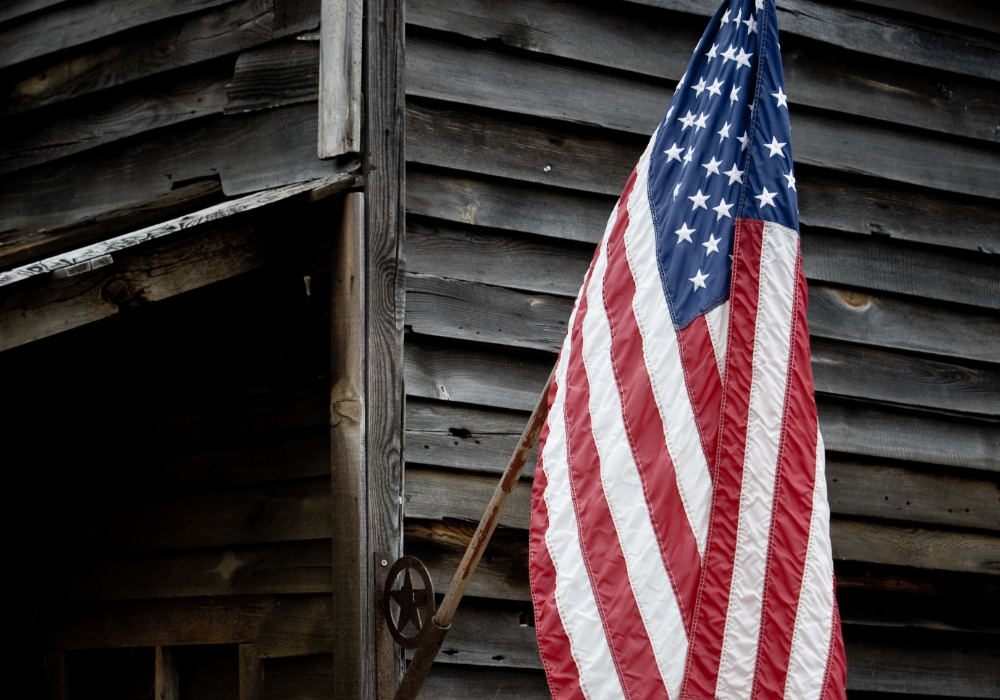
The good old days were full of flags, pledges, and tightly controlled narratives about what it meant to be American. But that pride often came with a demand for silence. If you criticized the government, protested injustice, or questioned tradition, you were labeled ungrateful or dangerous.
This wasn’t unity—it was forced agreement. Indigenous activists, anti-war protestors, civil rights leaders, and whistleblowers were seen as threats to the national image. Meanwhile, people who suffered under policies of exclusion were told to be thankful just to be included at all. That nostalgic pride wasn’t about shared values—it was about control. The expectation wasn’t love of country. It was obedience to it. Real patriotism includes dissent. The past version often didn’t.
8. The environment was already in crisis, long before we gave it a name.

There’s a dangerous assumption that climate change is new. But environmental destruction didn’t start recently—it just used to be easier to ignore. Rivers caught fire. Smog choked cities. Toxic waste was dumped in plain sight. And for a long time, people treated it as the cost of progress.
There were warnings even then. Scientists raised red flags about pollution, biodiversity loss, and deforestation as early as the 1960s. But industries were rarely held accountable, and most political leaders brushed it off. The idea that we lived in harmony with nature back then is a fantasy. The damage was happening—we just weren’t measuring it yet. Nostalgia often paints the past as cleaner, greener, and simpler. In reality, we were already on the same path. We just hadn’t given it a name yet.
9. Community closeness came with a cost.
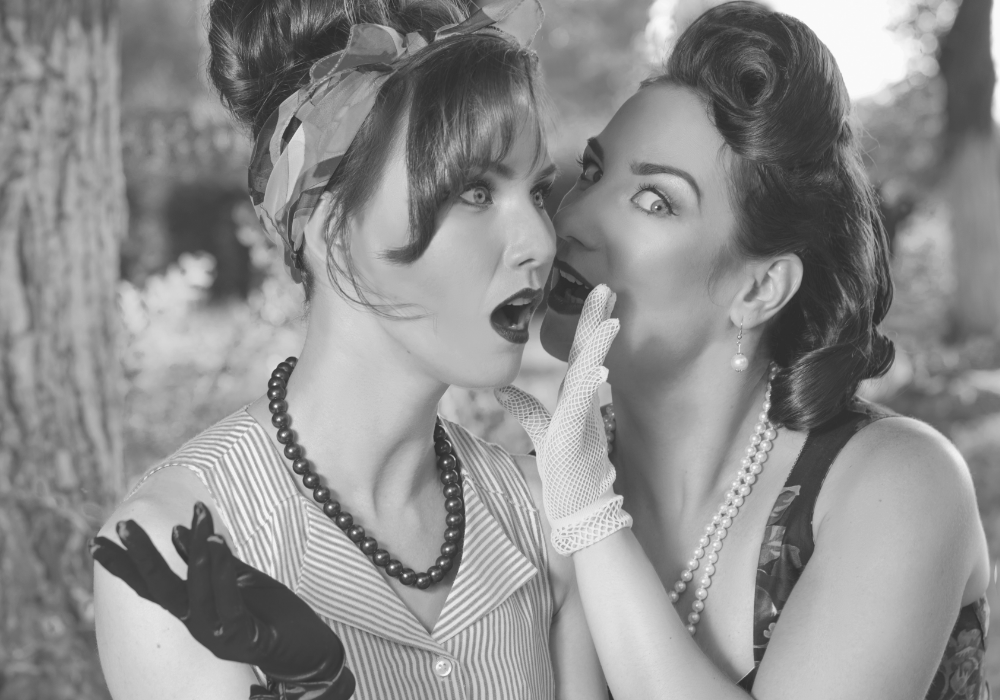
People often long for a time when “everyone knew their neighbors” and communities looked out for one another. But those tight-knit communities also came with rigid social rules and serious consequences for anyone who didn’t fit in.
Gossip, exclusion, and public shaming kept people in line. Women were judged for parenting choices. LGBTQ+ people were pushed into hiding. Immigrants were often treated with suspicion. Privacy was limited, and so was tolerance.
Yes, there were front porch gatherings and casserole drop-offs—but there was also deep pressure to conform. If you lived outside the mold, small-town life could feel suffocating. Nostalgia tends to remember the closeness, not the control. But you can’t celebrate “community” without acknowledging who it excluded—and who it quietly punished.
10. Being “respectable” meant hiding your identity.
The past’s version of respectability demanded uniformity. It praised those who dressed, spoke, prayed, and loved in socially acceptable ways—and punished anyone who didn’t. People of color were expected to be quiet and grateful. LGBTQ+ people were told to stay in the closet. Disabled folks were pushed out of sight.
Being “respectable” often meant hiding essential parts of yourself just to feel safe. Families forced children into silence. Schools demanded conformity. And if you couldn’t comply, you were seen as a problem to be fixed or a threat to be removed. The pressure to blend in didn’t make society stronger—it made it more fragile. Nostalgia for “good manners” or “traditional values” often overlooks the cost of that performance. Respectability wasn’t about kindness. It was about control.
11. Media didn’t reflect reality—it reinforced a script.
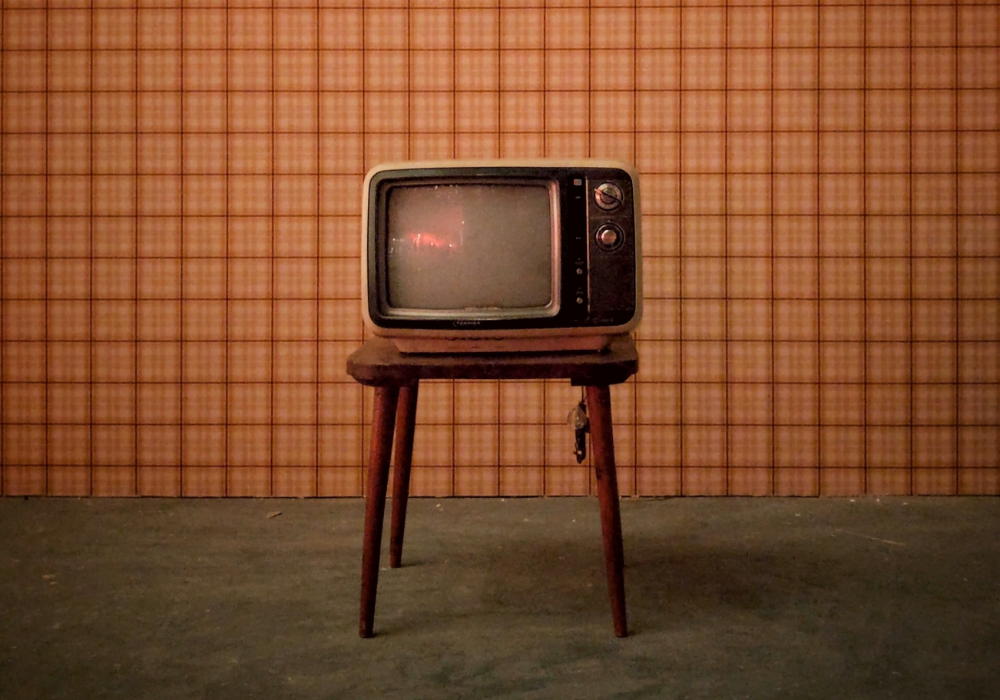
When people look back fondly at classic TV shows, wholesome family sitcoms, and smiling newscasters, they’re often remembering a version of the world that never really existed. Most media didn’t reflect real life—it shaped what people believed life was supposed to look like.
Families were white, straight, middle-class, and mostly male-led. Problems were resolved in 30 minutes. News was filtered through a narrow, controlled lens. Representation was almost nonexistent for people outside the mainstream. What passed as “normal” was a performance—and one that made millions of people feel invisible. These portrayals weren’t harmless. They reinforced stereotypes and erased realities. The media of the so-called good old days didn’t just reflect values. It told people which ones mattered and who didn’t.
12. “Traditional values” weren’t always rooted in compassion.
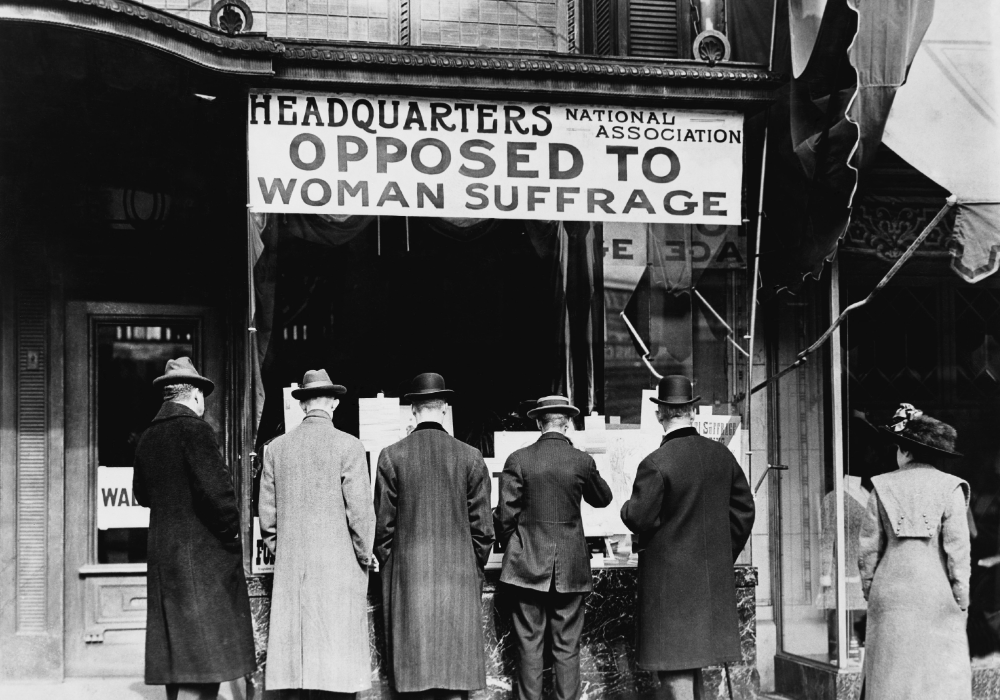
The phrase gets thrown around a lot—usually to imply that people today have lost their way. But traditional values often prioritized obedience over autonomy, hierarchy over empathy, and silence over justice. They weren’t about protecting people. They were about preserving power.
Respect for elders often meant never questioning abuse. Belief in hard work ignored systemic inequality. Ideas about gender, race, and family were rigid and unforgiving. People weren’t encouraged to be honest or vulnerable. They were taught to conform and keep the peace. That’s not morality—it’s survival. When people talk about “getting back to basics,” they often forget how many people those basics failed. Values should evolve as we learn more. The past isn’t sacred just because it came first.
13. The truth was always there, even if we weren’t taught to see it.

None of these realities are new. People were speaking out back then, too. They were marching, protesting, writing, organizing, resisting. But their stories didn’t make it into the textbooks—or the nostalgia. The truth didn’t vanish. It just wasn’t told.
History isn’t neutral. It’s edited, packaged, and passed down by those in power. That’s why so many people grow up with a version of the past that feels tidy, fair, and safe. But when you listen to the people who were pushed to the margins, a very different story emerges. Nostalgia only works when we forget. Remembering is harder—but it’s also the only way forward. The truth doesn’t ruin the past. It reveals what we still have to fix.