
Better choices at the store don’t have to mean extra hassle.

Sustainable grocery shopping has a reputation for being complicated, expensive, and honestly, a little exhausting. There’s pressure to overhaul your entire routine, memorize endless packaging symbols, and spend twice as much for “eco-friendly” labels that aren’t always clear. No wonder it feels easier to give up before you even start. But the truth is, small changes make a real difference—and they’re a lot easier to stick with than you think.
This isn’t about perfection. It’s about everyday choices that lower your footprint without making grocery runs a headache. Simple swaps, from packaging to produce picks, can quickly become second nature. Over time, they add up to meaningful impact without draining your energy or your budget. These are the swaps you’ll actually want to keep around, because they fit real life—not just a wish list of good intentions.
1. Trade flimsy produce bags for something you’ll actually reuse.
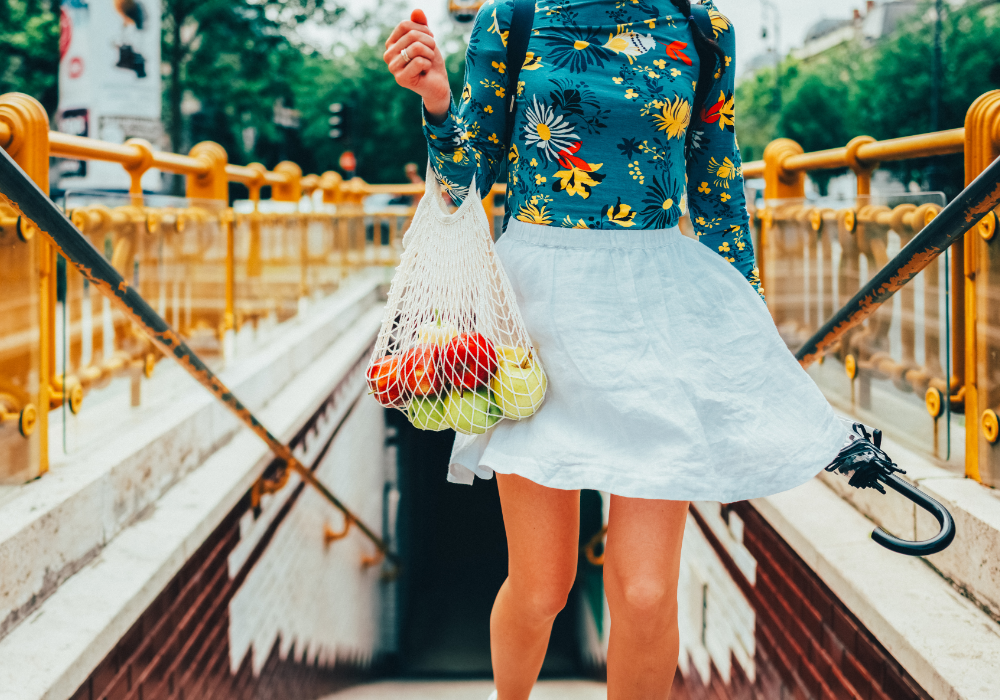
Those thin plastic produce bags add up fast, and most of them aren’t recyclable. It’s frustrating to use something for five minutes that’ll linger in landfills for centuries. Katie Hunt writes in CNN that reusable cotton or mesh bags offer the same convenience without contributing to plastic waste, making them a more sustainable choice. They’re lightweight, washable, and durable enough to last for years, making them a no-brainer once you’re in the habit.
The trick is to keep them where you’ll remember—tucked in your main grocery tote or even in the glove compartment. And they’re surprisingly versatile, too. These bags handle everything from leafy greens to bulk-bin goodies, and they breathe better than plastic, keeping your produce fresher at home. It’s a small switch that feels good every single time you use it.
2. Skip the plastic wrap and let your produce breathe.
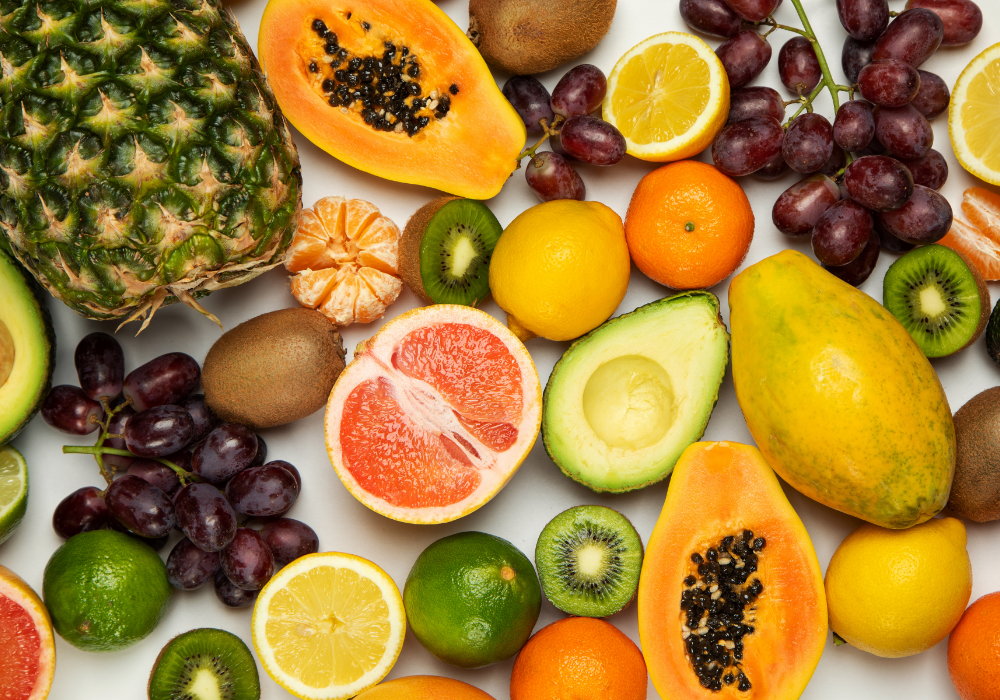
Pre-packaged fruits and vegetables might save you a few seconds, but they pile up plastic waste fast. Most of the time, you’re paying extra for packaging you don’t need. According to WRAP, choosing loose produce allows you to buy only what you need, cutting down on excess packaging and food waste.
Choosing loose produce also lets you see and feel what you’re buying, so you avoid sad, bruised produce hiding under plastic. Pair this swap with reusable produce bags, and you’re already cutting down waste without even thinking about it. It’s a simple way to shop smarter, support fresher stock, and make grocery runs that bit more eco-friendly. Plus, your trash bin will thank you.
3. Scoop your pantry staples straight from the bulk bins.

Bulk bins are a quiet hero for sustainable shopping. Grains, beans, nuts, spices—they’re all available in scoop-your-own setups that skip the mountains of plastic packaging. If your store allows, bring your own containers for a waste-free haul, or at least choose the paper bags over plastic.
Attitude Living points out that bulk shopping gives you the flexibility to buy as much or as little as you want, making it easier to reduce waste and save money. Need just a pinch of turmeric? Want to stock up on oats? You’ve got options.
It’s a small joy to see your pantry fill with staples, minus the branded plastic clutter. Plus, bulk bins often save you money, letting you buy only what you need. Once you get into the rhythm, you’ll wonder why you didn’t start scooping sooner.
4. Pick glass jars that you’ll use long after the groceries are gone.

Glass jars beat plastic every time—both in recyclability and reuse. Pantry items like sauces, nut butters, and condiments are often available in glass, and they’re well worth the swap. Glass preserves flavor better, keeps microplastics out of your food, and gives you endless options once it’s empty.
Those jars become instant storage for leftovers, pantry staples, or even DIY projects. They save you from buying extra containers and help you organize your kitchen with style. By choosing glass at the store, you’re cutting down on single-use packaging and making sure your groceries pull double duty. It’s a small choice with long-term payoffs, both for the planet and for your home.
5. Bring your own container and skip the deli counter waste.

It feels a little bold at first, but bringing your own container to the butcher or deli counter cuts out tons of plastic wrap and foam trays. Most stores are happy to accommodate as long as your container is clean and pre-weighed—and it’s a great way to spark conversations about sustainable choices. Beyond reducing waste, you’re likely to get fresher cuts and exactly the portions you need. Say goodbye to those squeaky plastic wraps and extra packaging you never wanted.
Plus, this small habit signals to your local shop that customers care about low-waste options. Once you’ve done it a few times, it feels natural—and you’ll wonder why you waited so long to try.
6. Pass on plastic-wrapped pastries for fresher, freer options.

Bakery items wrapped in plastic might seem convenient, but they often sit longer on shelves and contribute to landfill waste. Fresh, unpackaged options are usually better quality, and many stores let you bring your own cloth bag or choose paper wrapping instead.
By skipping the plastic, you reduce waste while supporting fresher products and local bakers. Pair this swap with reusable storage at home—like cloth bread bags or beeswax wraps—to keep your treats fresh without plastic. Plus, you get to handpick exactly the loaf or pastry you want. It’s a small change that feels instantly satisfying, and once you’re in the habit, you won’t want to go back.
7. Pour your plant-based milk from a planet-friendlier carton.

If you’ve already made the move to plant-based milk, you’re halfway there. Choosing brands that use recyclable paper cartons instead of plastic jugs pushes your efforts even further. Some cartons are made with responsibly sourced materials, making them a lower-impact option from start to finish.
Cartons are lighter to transport, which lowers their carbon footprint, and they’re often easier to recycle (just check your local guidelines). Many brands now offer shelf-stable versions too, cutting down on refrigeration energy. Give them a rinse before recycling, and you’re good to go. It’s an easy swap that takes zero extra effort but adds up fast, especially if plant-based milk is a regular staple in your home.
8. Choose bar soap over plastic pump bottles.
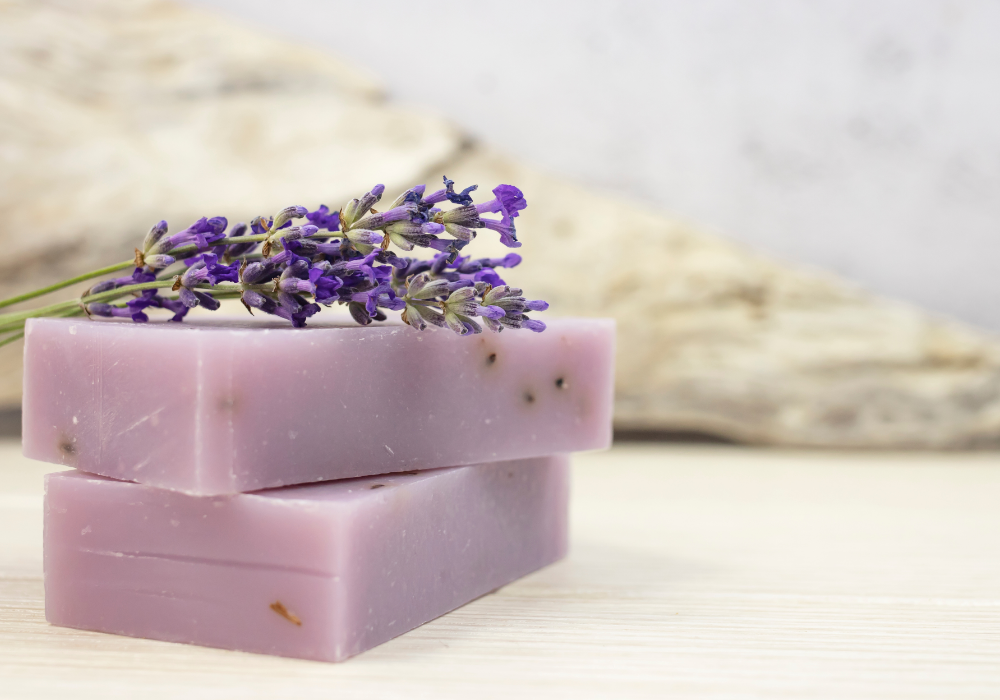
Swapping liquid soap for a simple bar feels old-school, but it cuts out a surprising amount of plastic waste. Pump bottles pile up quickly, especially if you’re buying separate ones for the kitchen, bathroom, and shower. Bar soaps typically come in minimal packaging, and they last longer than you’d expect, stretching your dollar further with every use.
There’s also no shortage of variety. You’ll find moisturizing bars, exfoliating blends, and even sensitive-skin formulas that feel like an upgrade, not a compromise. Many are locally made with natural ingredients, so you’re supporting small businesses while skipping the plastic. Bar soaps travel well too, making them perfect for your gym bag or suitcase. Once you make the switch, it becomes an easy habit—no fancy setup required, just a solid step toward a less wasteful routine.
9. Swap disposable snack bags for reusable silicone pouches.

Single-use plastic snack bags seem harmless until you tally them up over time. Whether you’re packing lunches, stashing snacks for road trips, or freezing leftovers, those little bags add up quickly. Reusable silicone pouches are tougher, cleaner, and far better for the environment.
They’re built to last for years, handling everything from sandwiches to fruit slices without leaks. Cleaning them is simple—most are dishwasher safe—and they take up minimal space in your kitchen drawer. Using them saves you from buying box after box of throwaways, cutting down waste while keeping your food fresh. Plus, they’re great for portioning out bulk snacks at home, turning one sustainable swap into an even bigger win. Over time, you’ll notice your trash shrinking and your routine staying just as easy.
10. Bring your own tote and ditch store-bought bags for good.

Plastic bags multiply faster than you realize. Even quick grocery runs leave you with a pile of flimsy plastic that’s destined for the landfill. Reusable cloth or canvas totes solve this easily, lasting for years while cutting out countless disposable bags.
The trick is keeping them handy. Store a few in your car, by your front door, or even tucked inside a purse or backpack. That way, you’re never caught without one when you need it. Beyond groceries, they’re perfect for errands, farmers markets, or weekend trips.
Durable and versatile, they also tend to carry more weight than plastic, saving you from juggling five flimsy bags. Making this swap isn’t just about sustainability—it’s about convenience and practicality, too. The habit sticks fast, and your overflowing plastic bag drawer will finally get a break.
11. Skip individually wrapped snacks and buy in bulk.

Individually wrapped snacks might feel like a timesaver, but they generate layers of extra waste that add up fast. Shifting to bulk snack options is one of the easiest ways to cut back on packaging while keeping your snacking routine intact.
Grab your favorite treats in larger packages or straight from bulk bins, and portion them out at home using reusable containers or silicone pouches. It takes just a few minutes at the start of the week, and you’ll see a big difference in your trash. You still get the grab-and-go convenience but without the guilt of tossing wrappers daily. Plus, buying in bulk often saves you money, stretching your grocery budget while shrinking your environmental impact. Once you start, it feels like a win on every front.
12. Say no to receipts you don’t need.

Thermal paper receipts are deceptively wasteful. Coated with chemicals like BPA or BPS, they can’t be recycled in most places and often end up straight in the trash. Declining unnecessary receipts is a small but impactful way to reduce everyday waste.
More stores are offering digital receipt options now, which helps streamline your wallet and the environment. Even when that’s not available, a simple “no thanks” keeps that unwanted slip of paper from cluttering your bag.
Multiply that by hundreds of transactions a year, and you’ve quietly eliminated a lot of waste. It’s a habit that takes almost no effort to build. Over time, you’ll stop feeling like you need that paper copy at all, especially for purchases that don’t require tracking. Small shifts like this keep your routine clean and sustainable without slowing you down.
13. Buy frozen produce to cut food waste and packaging.

Fresh produce is great until it spoils before you’ve had the chance to use it. Frozen fruits and vegetables stay good for months, reducing the risk of food waste while still delivering flavor and nutrients. They’re frozen at peak ripeness, locking in quality and convenience.
Many frozen options come in resealable bags, allowing you to portion out exactly what you need for each meal. This helps stretch your groceries and lowers your trips to the store. Frozen produce is especially helpful for soups, smoothies, and quick weeknight dinners when you need something fast.
Plus, it reduces reliance on out-of-season imports, which often come heavily packaged and travel long distances. Keeping a stock of frozen staples in your freezer keeps your meals flexible while keeping waste to a minimum.
14. Support brands that skip plastic packaging entirely.
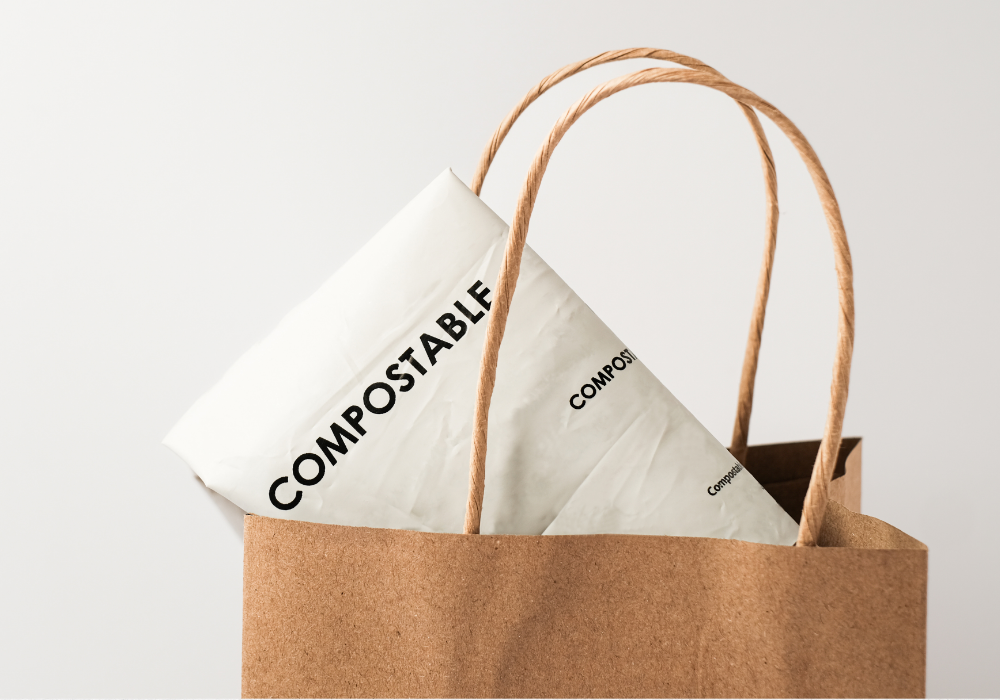
More companies are ditching plastic in favor of compostable, reusable, or recyclable materials—and supporting them is a powerful way to shift the market. These brands often lead the way with creative packaging, like cardboard boxes, metal tins, or plant-based wraps.
Choosing these options sends a clear message to companies: packaging matters to consumers. Look for brands that highlight plastic-free choices right on their labels. Products like pasta in cardboard or snacks in paper wrappers make your swap feel effortless while reducing your footprint. These purchases create demand for better packaging solutions, helping eco-friendly designs become the norm rather than the exception. When you fill your cart with plastic-free picks, you’re not just making a greener choice—you’re helping shift the industry forward.