
When the planet heats up, your immune system pays the price.
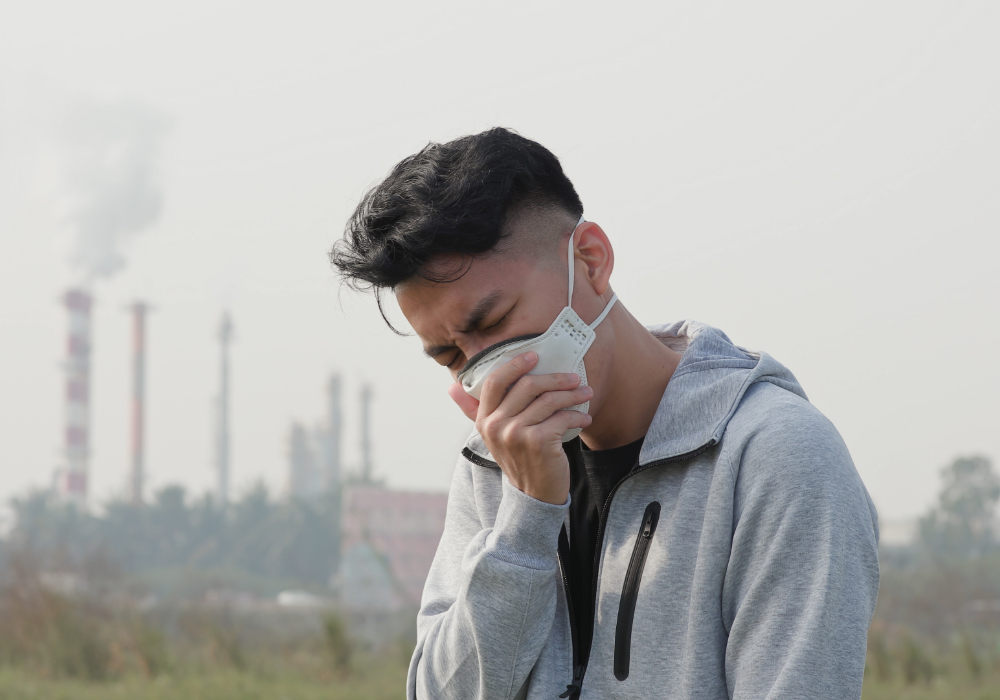
It’s not just wildfire smoke, heatwaves, or floods—climate change is coming for your body in ways you can feel. More people are getting sick more often, and experts say the rise in infections, allergies, and chronic health problems isn’t a coincidence. The planet’s warming, and your immune system is stuck picking up the pieces.
As ecosystems shift, pathogens spread to new places, air and water quality decline, and extreme weather leaves people more vulnerable to illness. Even if you’re far from the frontlines of climate disasters, your health isn’t immune. Longer allergy seasons, nastier viruses, and even foodborne illnesses are creeping into everyday life. Scientists have been warning about these risks for years, and now they’re showing up in doctors’ offices across the country. These aren’t future hypotheticals—they’re happening right now, changing how we live, breathe, and try to stay well.
1. Heatwaves are overwhelming your body’s ability to regulate itself.
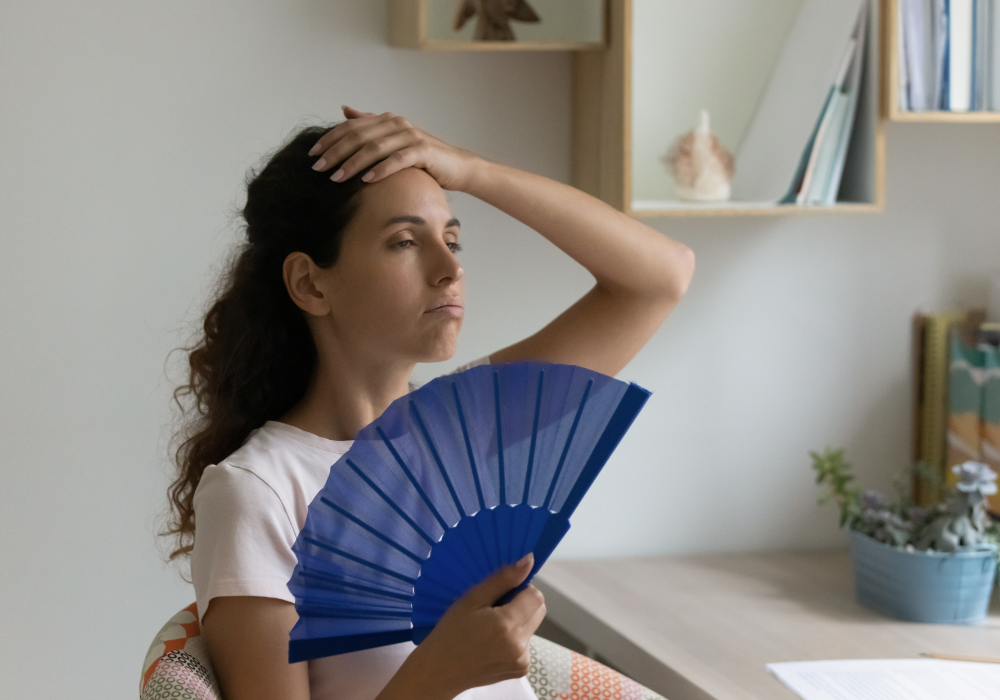
When temperatures spike, your body scrambles to keep cool. But there’s a limit to how much heat the human body can handle, and climate change is pushing past it. Oliver Milman reports in The Guardian that extreme heat is now causing rising numbers of deaths among young adults, not just vulnerable older populations. The danger compounds when power outages knock out air conditioning, or when people working outdoors can’t escape the sun.
Dehydration, electrolyte imbalances, and cardiovascular stress all become more likely. And as nights stay warmer, your body can’t recover, making it even harder to adapt. The more heatwaves stack up, the more your system breaks down—and for people with pre-existing conditions, that risk skyrockets.
2. Air pollution is making respiratory issues way more common.
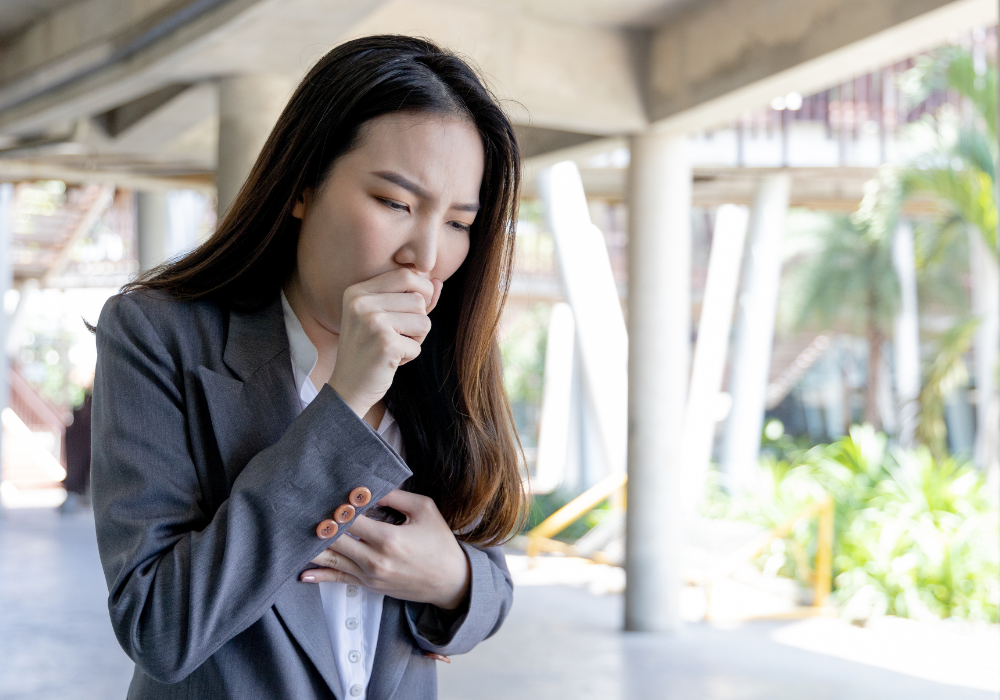
Climate change is fueling more smog, more wildfire smoke, and more pollen—all of which make the air harder to breathe. Even short-term exposure to these pollutants can trigger asthma, bronchitis, and other respiratory flare-ups. And for people with lung conditions, the added strain can be dangerous or even deadly.
It’s not just about location anymore. Pollution travels, meaning smoke from wildfires hundreds of miles away can still irritate your lungs. The EPA points out that higher carbon dioxide levels are increasing pollen production and extending allergy seasons, making breathing even harder for sensitive groups. If your cough isn’t going away or you’re wheezing more than usual, the climate isn’t just changing the weather—it’s changing your air, and your lungs are feeling it.
3. Disease-carrying insects are moving into new territories.
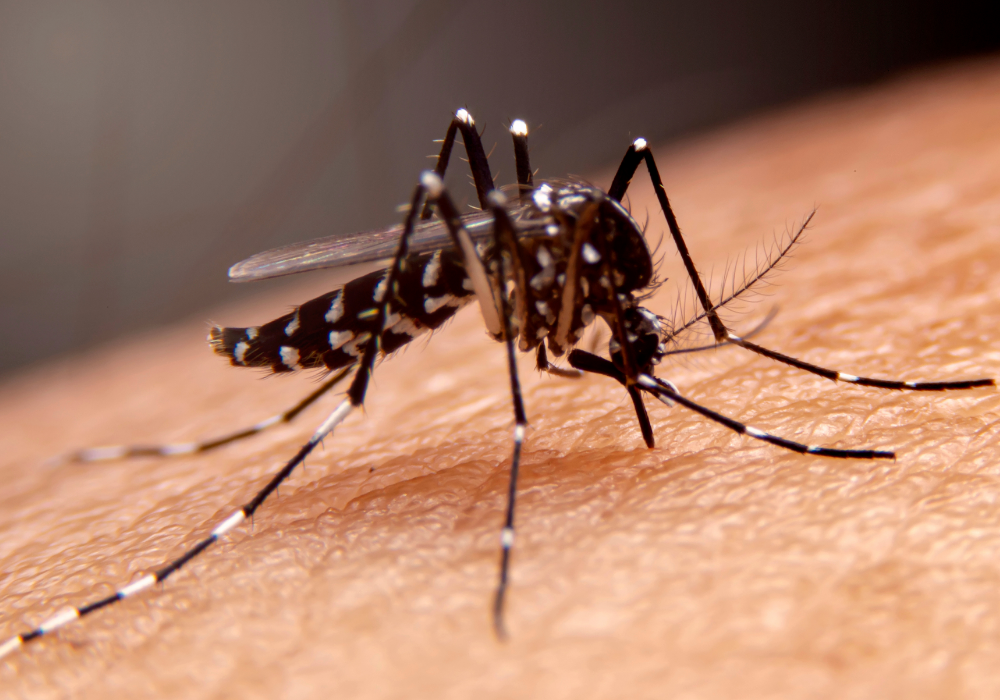
As temperatures rise, ticks, mosquitoes, and other disease vectors are spreading into places they’ve never been before. That means illnesses like Lyme disease, dengue, chikungunya, and West Nile virus are popping up in new zip codes—and not just in the summer months.
The Environmental Resilience Institute notes that warmer temperatures allow disease-carrying insects to live longer and reproduce more quickly, expanding their reach. Public health systems often struggle to keep up, especially when these diseases were once considered “tropical” and rare. You don’t have to travel far to get sick anymore—climate change is bringing the bugs, and the bugs are bringing their viruses with them.
4. Floods and storms are contaminating the water supply.

Extreme storms are overwhelming water systems, pushing sewage, chemicals, and bacteria into places they shouldn’t be. That makes it easier to get sick from just drinking or bathing in tap water.
After a flood, waterborne illnesses like E. coli and cholera can spread quickly, especially in communities with aging infrastructure. Climate-driven flooding is happening more often and with more intensity, even in areas that weren’t considered high risk. And it’s not always a dramatic event—sometimes a minor storm is enough to throw water quality into chaos. If your gut feels off or your skin reacts strangely after a storm, there’s a good chance your water supply was part of the problem.
5. Climate stress is weakening your immune system.

Living under constant stress takes a toll—and climate change is a chronic stressor whether you realize it or not. Disrupted sleep, food insecurity, displacement, and even just anxiety about the future all weaken your immune system’s ability to fight off illness. That means you’re more likely to catch colds, develop infections, or see existing health issues worsen.
For people already juggling other pressures—financial, emotional, or physical—this kind of stress compounds fast. It’s not just in your head; your immune system really does suffer under sustained psychological strain. As climate change intensifies everything from daily weather to long-term uncertainty, your body quietly carries the burden.
6. Foodborne illnesses are thriving in warmer temperatures.
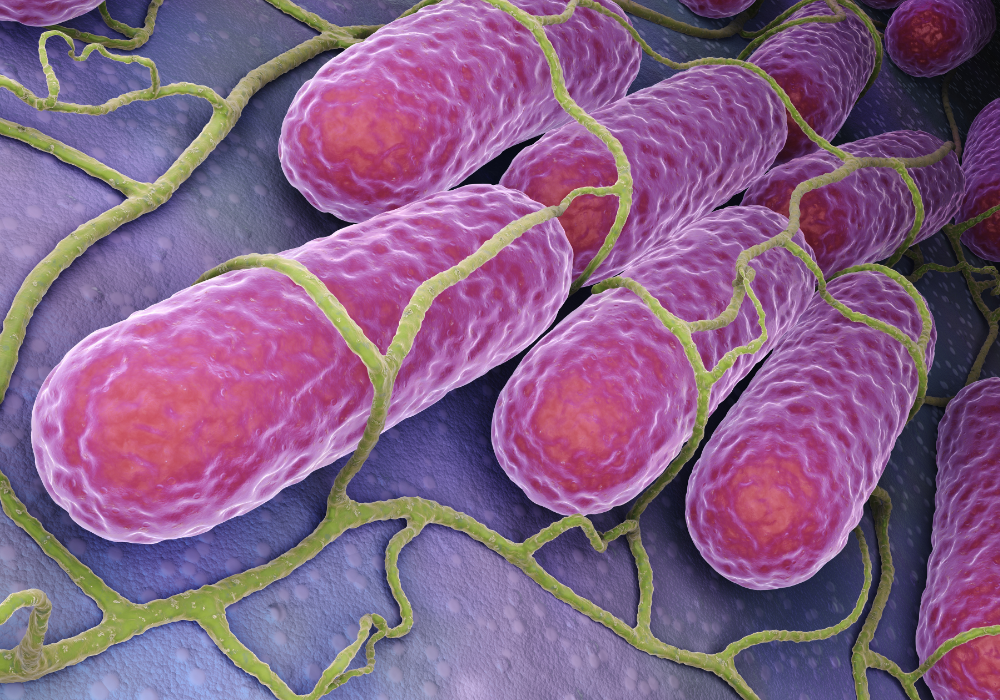
Heat doesn’t just make people uncomfortable—it helps bacteria multiply faster in food. Rising global temperatures mean that harmful bacteria like salmonella and E. coli grow more quickly, especially in improperly stored or transported foods. Even foods you’d normally trust can turn dangerous faster than before.
At the same time, extreme weather events like floods can contaminate crops and livestock with pathogens. This makes outbreaks more frequent and harder to control.
You might follow every food safety rule at home, but climate-driven risks happen earlier in the supply chain, long before your groceries hit the kitchen. Rising temperatures are quietly turning food safety into a bigger gamble, and your stomach is paying the price.
7. Wildfire smoke is triggering long-term health problems.
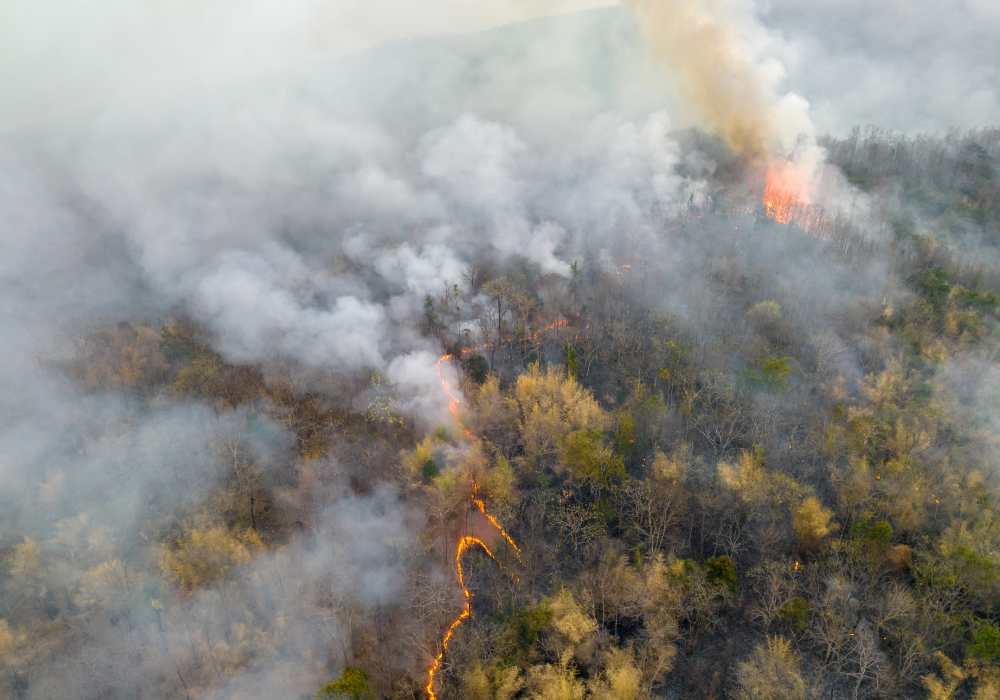
Wildfires used to be seasonal events. Now, they’re longer, more intense, and dangerously common. The thick smoke from these fires carries fine particles that lodge deep in your lungs, increasing the risk of asthma, heart disease, and even strokes over time. You don’t need to live near the flames—wind can carry smoke hundreds of miles.
Breathing in wildfire smoke repeatedly isn’t just an irritant; it builds up damage quietly. Even healthy lungs struggle with prolonged exposure, and people with existing conditions face higher risks. Masks and air purifiers help, but they can’t undo the toll on your body. As wildfires grow worse with the changing climate, more people are breathing in invisible threats that stick around long after the flames die out.
8. Longer allergy seasons are wrecking your immune balance.
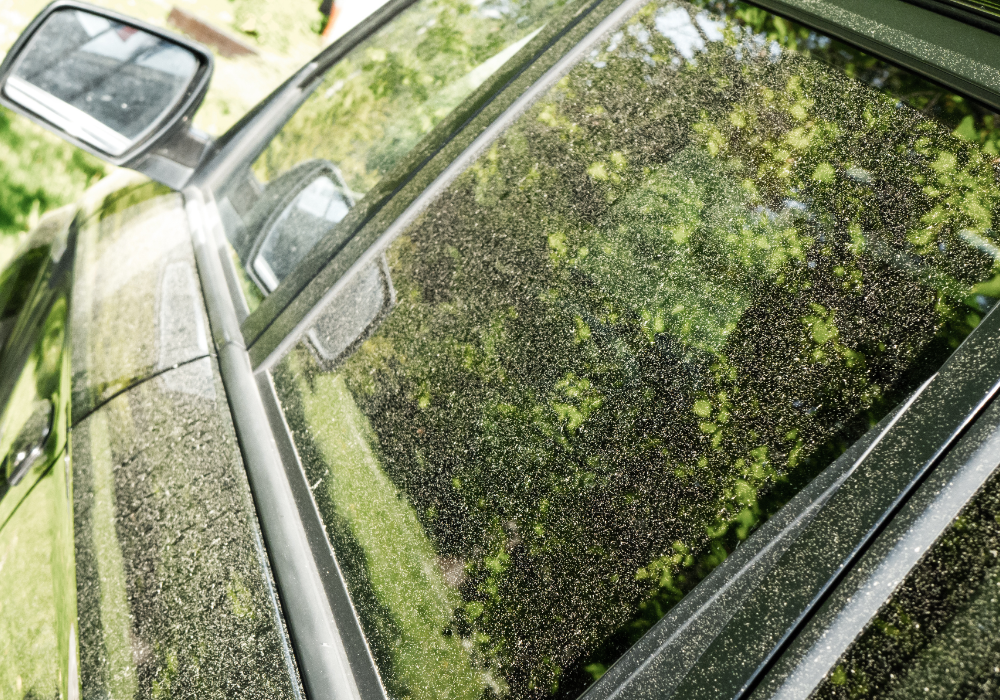
If you’ve felt like your allergies are sticking around longer—or hitting harder—you’re not imagining it. Climate change is making allergy seasons start earlier, last longer, and pump more pollen into the air. Plants produce more pollen in warmer, carbon-rich environments, and that extra load overwhelms your immune system.
Sneezing fits and itchy eyes are frustrating, but the impact runs deeper. Chronic allergies put your immune system on constant high alert, making you more susceptible to infections and inflammation. For people with asthma or respiratory sensitivities, longer allergy seasons create a nonstop struggle to breathe comfortably. What used to be a few miserable weeks in spring now stretches across seasons, turning minor annoyances into chronic health headaches.
9. Climate change is stripping nutrients from your food.
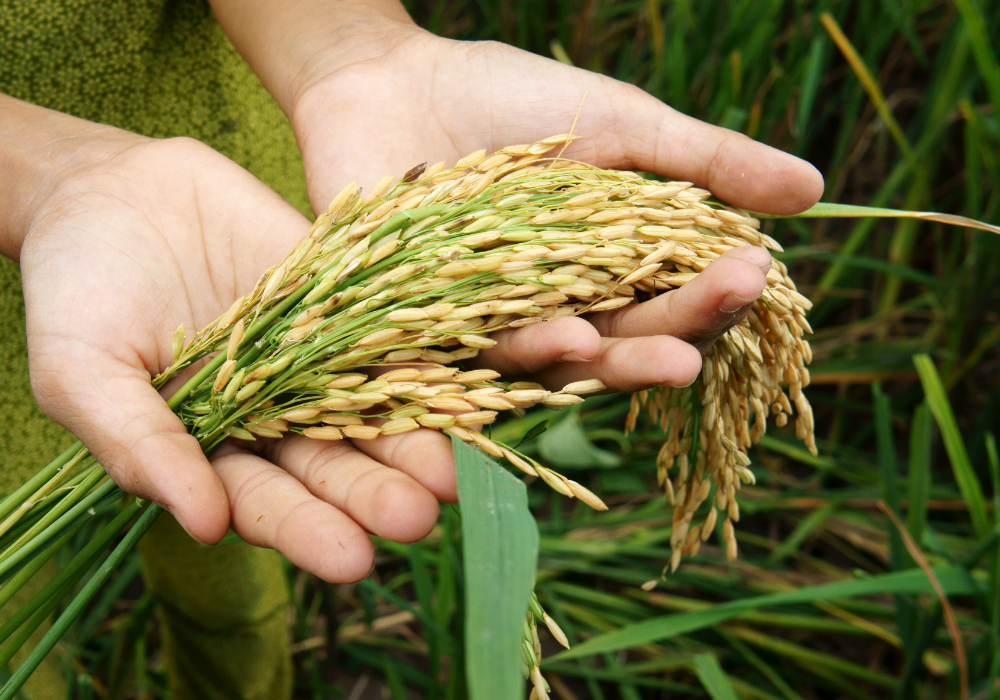
Rising carbon dioxide levels aren’t just warming the planet—they’re also quietly reducing the nutritional value of the food you eat. Research shows that crops like rice, wheat, and soybeans grown in high-CO₂ conditions tend to have lower levels of protein, iron, and essential minerals.
That means even if you’re eating the same diet, you might be getting fewer nutrients than before. This nutrient loss is especially concerning in parts of the world where people rely heavily on these staple crops for their daily nutrition. But it doesn’t stop there—everyone feels the impact over time.
Subtle deficiencies can weaken immune function, increase fatigue, and heighten health risks, especially for vulnerable groups like children and pregnant people. The food looks the same on your plate, but it’s quietly losing some of the fuel your body counts on. Climate change is reshaping your diet in ways you can’t always see.
10. Mental health is taking a hit from climate anxiety.

It’s not just physical health on the line—climate change is weighing heavily on mental well-being too. Disasters, displacement, and the constant drumbeat of alarming news fuel chronic anxiety and emotional exhaustion. For many, this relentless stress leads to sleep problems, depression, and feelings of helplessness.
Living through an era of climate crisis feels like a slow, rolling emergency. Even if you’re not directly affected by floods or fires, the looming threat creates a background hum of worry that’s hard to shake. Mental health struggles make it tougher to manage physical illnesses, creating a vicious cycle. Recognizing that climate anxiety is real—and taking steps to care for your mind as well as your body—makes a difference in staying resilient.