
The grind doesn’t stop, even when there’s no paycheck.

For Millennials and Gen Z, “doing nothing” is practically a luxury. Every day is stacked with tasks no one sees, no one values, and definitely no one pays for. You’re constantly maintaining things—your mind, your body, your group chats, your digital footprint—like it’s your side hustle. But here’s the thing: it’s not optional. If you stop doing any of it, stuff starts falling apart fast. And somehow, the pressure to keep all these plates spinning has become totally normalized.
These generations are balancing emotional labor, digital labor, and plain old life admin—all before even clocking into their actual jobs. And while society loves to label them as “lazy,” the reality looks more like unpaid multitasking on expert mode. It’s no wonder everyone feels burned out. These roles don’t come with job titles, but they demand your time, your attention, and your energy every single day.
1. Managing your online identity is a full-time performance.

Curating your digital presence isn’t just a fun side project anymore—it’s part of your public image. Whether you’re on Instagram, TikTok, LinkedIn, or all of the above, people expect you to present a version of yourself that’s relatable, professional, funny, creative, and never problematic. According to Sprout Social, the average person spends approximately 2 hours and 21 minutes per day on social media, engaging across an average of 6.83 different platforms each month.
And the work doesn’t stop once you hit post. You monitor reactions, answer DMs, watch analytics, and sometimes delete things that don’t “perform.” Meanwhile, if you go quiet for too long, people start asking questions. Silence has become suspicious. So even when you’re tired or offline, your online self still needs maintenance. You’re not just a person anymore—you’re a feed, a brand, a carefully managed presence. And no one’s sending you a paycheck for it.
2. Being your own tech support is just part of modern survival.

Nobody handed you a manual for fixing your Wi-Fi, syncing your devices, or troubleshooting software updates—but somehow, you’re expected to just know. Every digital problem becomes yours to solve, even if it’s way outside your comfort zone. Per a 2023 study by Electric, employees spend nearly three hours a week dealing with IT issues, which translates to over 150 hours annually.
It doesn’t stop with your own stuff either. You’re also the go-to for everyone else. Parents, partners, roommates—they all assume you have the answers because you grew up with the internet. But being “good with tech” isn’t a job title—it’s a survival skill this generation was forced to learn.
And every fix takes time and brainpower you don’t have to spare. You’re basically running unpaid customer support out of your living room, and there’s no help desk for when you crash.
3. The pressure to stay informed is emotionally exhausting.

It’s not enough to know what’s happening in your own life—you’re expected to know what’s happening everywhere, all the time. One scroll brings political drama, another shows global disasters, and somewhere in between are five different debates you’re supposed to have an opinion on. Research by Change Mental Health indicates that exposure to negative news can lead to increased stress, anxiety, and depression, highlighting the emotional toll of constant news consumption.
You absorb tragedy before you’ve even finished breakfast. You’re sorting facts from propaganda, staying neutral or outspoken, choosing the “right” response in real time. And all of it adds up. You start to feel the weight of the world on top of your own personal stress. It’s not apathy—it’s burnout. But unplugging feels irresponsible, and the guilt for looking away? That’s its own kind of labor, too.
4. Emotional support has become an unpaid expectation.

Being there for people used to feel like kindness—now it feels like an unspoken requirement. You’re expected to answer the late-night texts, send the “just checking in” messages, talk someone down from a spiral, and offer the right words when someone’s falling apart. And while showing up for others is important, constantly managing everyone else’s emotions takes a toll.
You become the therapist, the coach, the emotional sponge. And the more reliable you are, the more people lean on you—without always noticing how heavy it gets. It’s not that you don’t care. You just wish someone would ask how you’re holding up. But you’re good at this role, so no one questions it. That kind of invisible labor? It adds up, and it’s happening every single day.
5. Mental health maintenance now feels like a second job.

Going to therapy, journaling, meditating, tracking your mood, regulating your nervous system—none of it just happens. It takes effort, planning, and time you barely have. But if you’re not constantly working on your mental health, you’re told you’re falling behind. Self-care stopped being occasional bubble baths and turned into a structured wellness plan with homework.
The kicker? You’re still expected to function at full speed while managing all of it. Bad day? Power through. Anxiety spike? Deep-breathe in between emails. There’s constant pressure to “heal” efficiently, to bounce back fast, and to never let your struggles become inconvenient to others. It’s important work, but it’s work. And when every part of your healing process gets treated like a productivity metric, it stops feeling like care—and starts feeling like another thing you’re failing to keep up with.
6. Housework and life admin are still unfairly seen as easy.

Grocery shopping, doing dishes, scheduling appointments, refilling prescriptions, managing finances—these are all tasks that keep life running. And yet, they’re often dismissed as “simple” or “just adulting.” But when you’re juggling a job, relationships, and everything else on this list, these little things pile up fast and become overwhelming. You’re not lazy—you’re just running out of bandwidth.
Worse still, much of this work still falls unevenly, especially for women and marginalized groups. The expectation is that you’ll just handle it—gracefully and without complaint. But it’s not just a to-do list. It’s a cycle that never ends. There’s no finish line for laundry or budgeting. You don’t “complete” adulthood. You just keep doing the same tasks, over and over, and somehow pretend it’s no big deal.
7. Maintaining friendships now requires constant digital effort.

Friendship used to mean hanging out when you could. Now it’s a daily digital task. You’re expected to reply to texts quickly, stay active in group chats, comment on stories, remember birthdays, and keep tabs on people’s lives through vague Instagram captions and cryptic tweets. Miss a beat and someone might assume you’re distant or don’t care. The social upkeep never stops.
It’s not that people don’t want to connect—it’s that connection now feels like work. You’re managing ten different conversations across five platforms, navigating tone without context, and balancing emotional support with reaction emojis.
And even if you’re exhausted, there’s pressure to stay available. If you disappear for a while to recharge, you risk falling behind in relationships you care about. In a time when everyone’s connected, staying close still feels like a full-time job.
8. Personal branding has crept into everyday life.
It’s not just influencers anymore—everyone’s got a brand now, whether they asked for one or not. What you wear, how you speak, what you share, who you follow, what you post about—each piece gets interpreted like a brand message. People form entire opinions about you based on your feed, your comments, or your silence. Suddenly, being yourself feels like a marketing strategy.
And even if you’re not trying to “build a brand,” you still feel the pressure to be consistent, polished, and readable. You curate your personality to be digestible online, even if it means shaving off the parts that don’t fit. That quiet, everyday performance adds up. You’re not just living—you’re editing, curating, and managing perception, all for free. And for what? Validation? Approval? Just to not get misunderstood? It’s exhausting—and most of us don’t even realize we’re doing it.
9. Staying physically healthy now comes with unrealistic expectations.

It’s not enough to move your body—you’re supposed to optimize it. You’re expected to work out consistently, hit your step goals, track your sleep, cook nutrient-rich meals, take supplements, hydrate constantly, and still have energy left over to feel good about it. And if you’re not doing all that? You risk being labeled “undisciplined” or like you’re not taking care of yourself.
Health culture has shifted from survival to performance. It’s not just about being well—it’s about looking like you’ve mastered wellness. That pressure turns basic self-care into an unpaid gig filled with comparison, guilt, and an endless stream of conflicting advice. And when you’re already tired from, well, everything else, squeezing in a workout and meal prep can feel like an impossible ask. You’re not falling short. The standard just quietly became unrealistic.
10. Advocating for yourself now requires constant vigilance.

Whether it’s in a workplace, a doctor’s office, or a group setting, speaking up for your needs has become another unpaid task. You’re expected to know your rights, communicate clearly, and push back without being labeled “difficult.” It’s a lot to ask, especially when the systems you’re navigating were never designed to support you in the first place. And no, being assertive doesn’t always lead to being heard.
Advocating for yourself is essential—but it’s also exhausting. It requires confidence, clarity, and energy most people don’t have to spare at the end of a long day. You have to prepare what you’ll say, anticipate how you’ll be received, and deal with the emotional fallout if things don’t go well. It’s brave work, but it’s also labor. And it shouldn’t be this hard to be treated fairly.
11. Being “resilient” has become the most exhausting expectation of all.
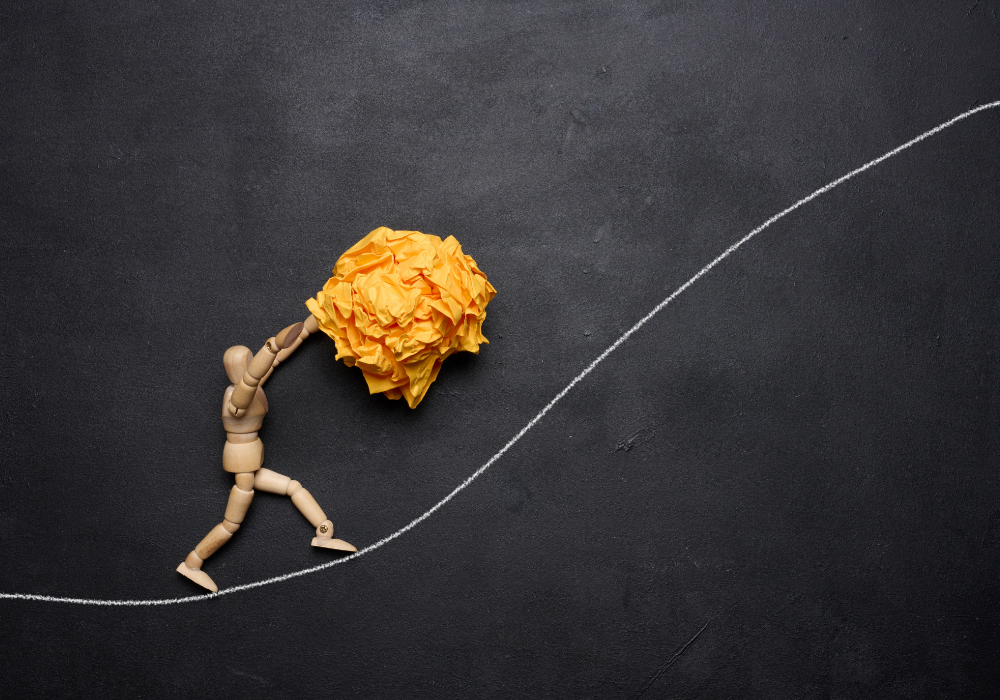
Everyone loves to praise resilience, but rarely do they ask why you needed it in the first place. Millennials and Gen Z have been expected to bounce back from every crisis, adapt to every disaster, and keep smiling while doing it. Economic collapse? Pivot. Global pandemic? Cope. Burnout? Practice gratitude. There’s endless pressure to stay strong, stay positive, and keep pushing—even when you’re running on fumes.
Resilience is powerful, but it shouldn’t be mandatory just to survive. Being constantly told to “rise above” every challenge doesn’t leave much space to rest, grieve, or just be human. Sometimes things are hard because they’re hard, not because you’re weak. And the expectation to keep going without breaking down? That’s a job in itself—one you never applied for, but somehow got stuck with anyway.