
From frizzy hair to disappearing ingredients, your daily essentials are about to change.

Most people think about climate change in terms of melting ice caps, wildfires, or rising sea levels. But let’s be honest: it’s creeping a lot closer to home than you might expect. Even your morning skincare routine or favorite hair mask isn’t safe. As temperatures climb, water grows scarce, and ingredients become harder to source, the products you rely on every day are getting hit from all sides.
This isn’t about future hypotheticals—it’s already happening. Crops that supply beauty staples are under stress, and extreme weather is throwing production timelines into chaos. At the same time, your skin and hair are reacting to the environmental shifts, begging for new kinds of care. You might not have connected the dots yet, but the changes are already showing up on your shelf and in the mirror. Here’s exactly what to watch for.
1. Heat waves turn oily skin into an everyday battle.
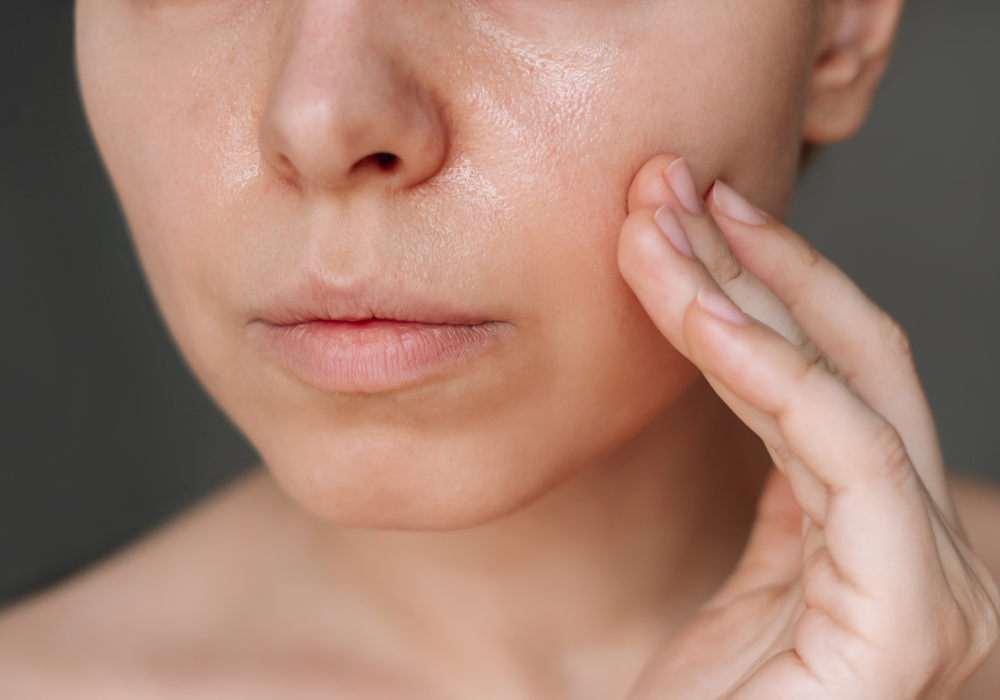
Scorching temperatures are turning oily skin into a bigger daily battle. When the heat ramps up, your body naturally produces more sweat and sebum. That extra oil doesn’t just leave you feeling greasy—it clogs pores, triggers breakouts, and can make your usual products less effective. Suddenly, your go-to mattifying toner isn’t keeping up like it used to.
Mulberry House Clinic points out that higher temperatures stimulate the sebaceous glands, making oily skin even harder to manage in hot weather. You might notice that makeup slides off faster or that your sunscreen feels heavier under the weight of extra sweat. Staying ahead of it means adapting your products to handle the heat, like switching to lightweight, oil-free formulas that can keep your skin in check.
2. Water shortages squeeze your favorite formulas dry.
Clean water is a quiet backbone of so many beauty products, from hydrating serums to soothing face mists. But as droughts worsen worldwide, water scarcity is starting to reshape the beauty industry behind the scenes. Brands are under pressure to use less water in manufacturing and packaging, and some formulas might shift entirely toward waterless alternatives.
For consumers, this means more balms, powders, and solid formats popping up on shelves. It also means prices could climb as water-intensive production becomes more expensive.
As Ethos reports, waterless beauty is gaining traction for its lower environmental impact and longer-lasting, more concentrated formulas. That hydrating mist you love? It might be replaced by a concentrate or oil-based formula sooner than you think. Watching water stress rise globally isn’t just an environmental issue; it’s going to hit your shelf too.
3. Droughts shrink the supply of plant-based ingredients.
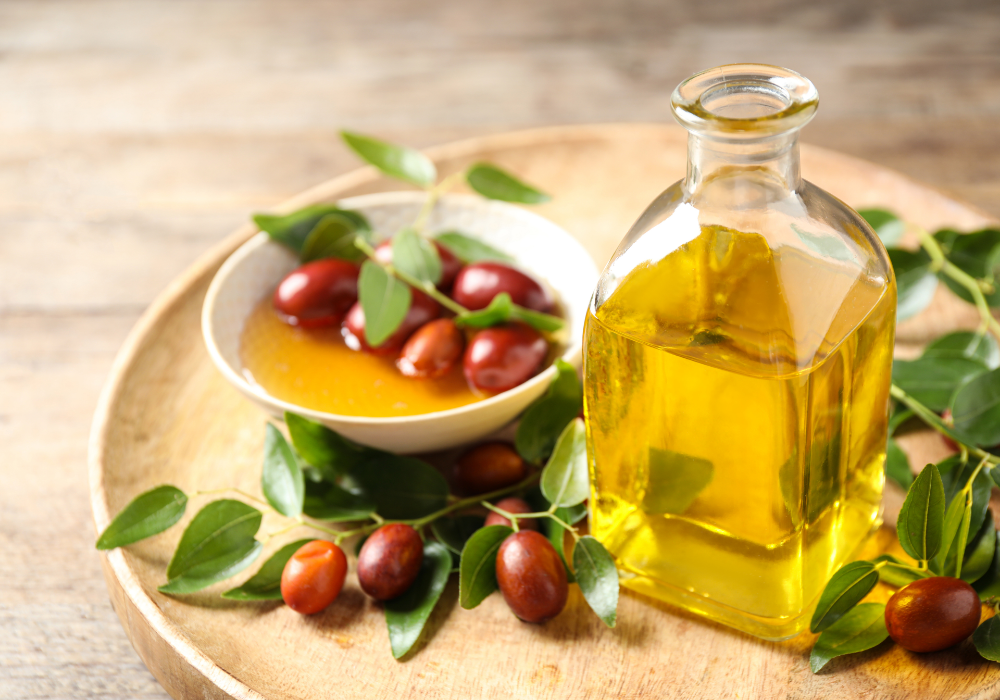
Aloe vera, shea butter, jojoba oil—these staples of natural skincare all come from plants that are struggling in increasingly dry conditions. Extended droughts reduce yields and raise the cost of farming, which means your favorite soothing creams and moisturizing balms could see price hikes or reformulations. Simon Pitman writes in Cosmetics Design that climate challenges are forcing brands to rethink sourcing strategies and secure more resilient supply chains for natural ingredients.
Scarcity pushes brands to seek alternatives or dilute formulas to stretch ingredients further. You might notice a change in texture, scent, or even how well a product works. And while innovation will bring new plant-powered options, some old favorites could quietly fade away. If you’ve been loyal to certain botanical formulas, don’t be surprised if they start disappearing from the shelves or come back with a much higher price tag.
4. Extreme weather throws beauty supply chains into chaos.
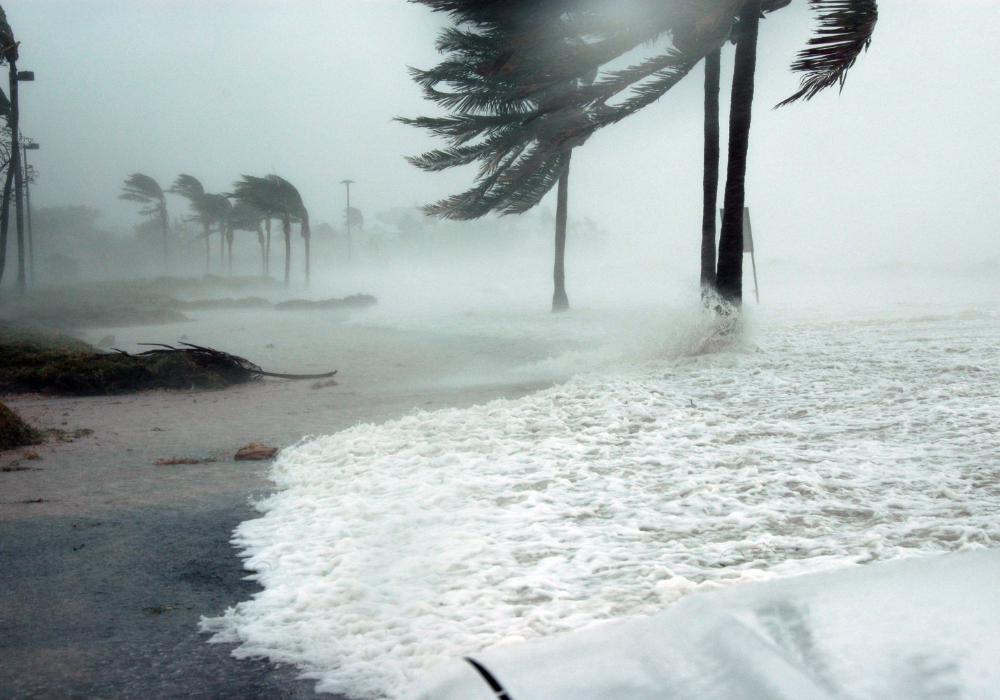
It’s not just droughts causing trouble. Floods, hurricanes, and wildfires are all hammering the delicate logistics that keep your favorite products stocked. When storms wipe out transport routes or wildfires force evacuations, beauty supply chains take a hit. Ingredients get delayed, packaging shortages crop up, and shipping times stretch longer than ever.
What shows up on your end might be frustratingly subtle at first: sold-out products, erratic restocks, or sudden price spikes. Behind the scenes, brands are scrambling to source ingredients from alternative regions or find backup suppliers just to keep production moving. Even luxury products aren’t immune to these shocks. The ripple effect of extreme weather touches every step of the process, from farm to factory to your bathroom counter, making once-reliable brands feel a lot less predictable.
5. Air pollution speeds up skin damage and aging.
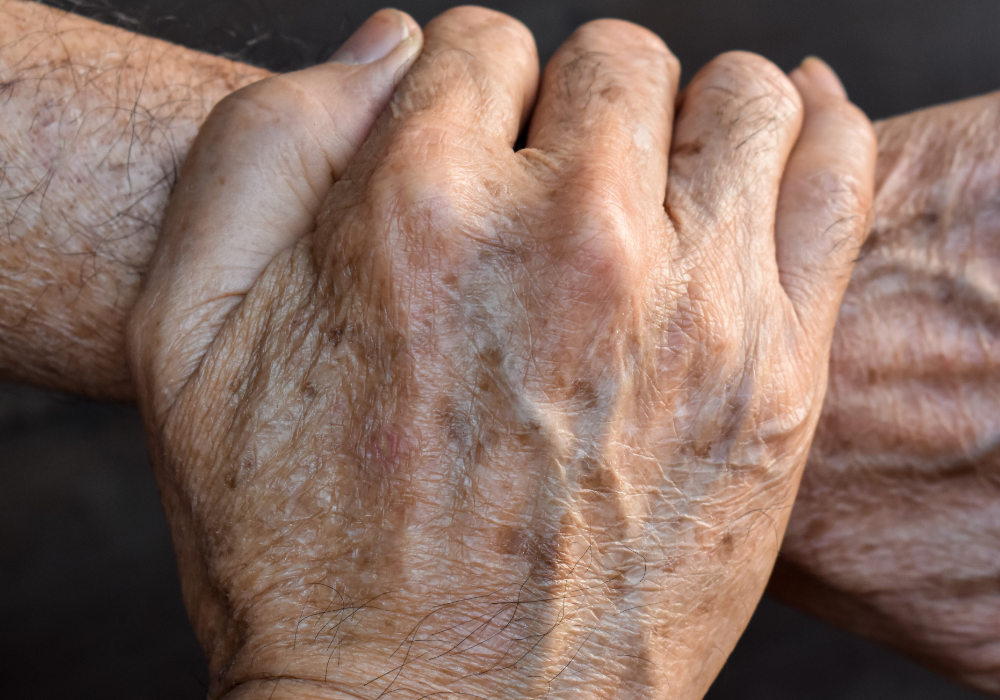
Smog and airborne pollutants don’t just cloud city skylines—they cling to your skin, accelerating damage at a microscopic level. Fine particles settle into pores, weaken your skin’s barrier, and trigger inflammation. As climate change worsens air quality worldwide, you’re likely to see the effects show up faster in the mirror.
Premature wrinkles, dullness, and uneven tone all tie back to this invisible assault. Even if you don’t live in a traditionally high-pollution area, wildfires and industrial emissions are spreading smog farther than before.
The skincare world is already adapting, with more brands offering anti-pollution formulas packed with antioxidants and protective barriers. Staying ahead means making these products part of your routine, especially as air quality dips. Climate change isn’t just heating the planet—it’s speeding up the aging process on your skin, too.
6. Rising humidity makes frizz harder to control.
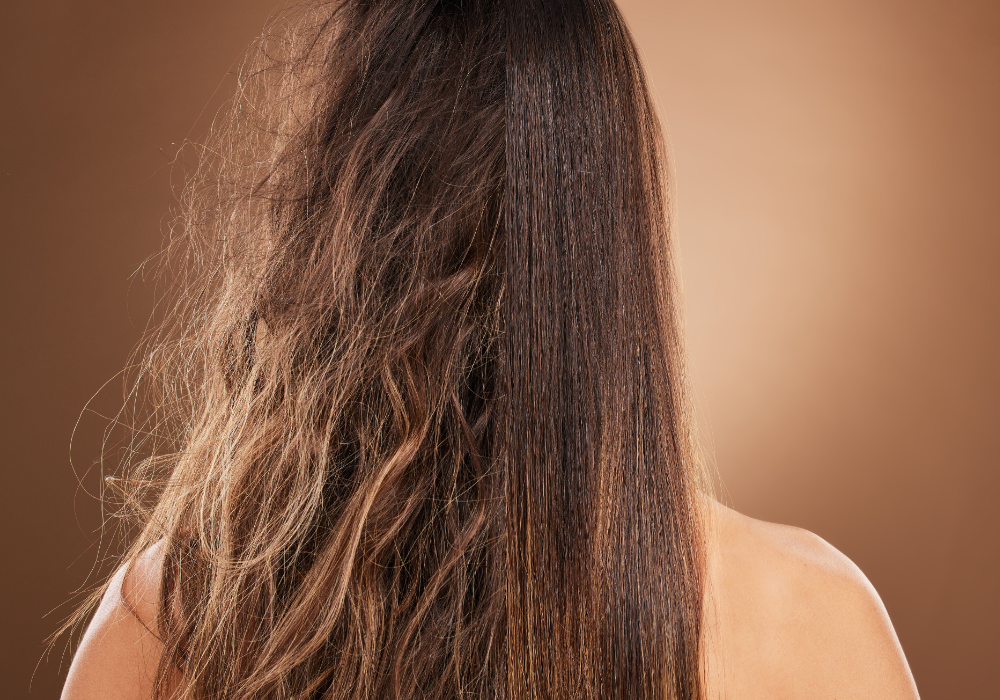
As temperatures rise, so does humidity in many regions—and your hair feels every bit of it. Moisture in the air causes hair strands to swell and the cuticle to lift, which unleashes the dreaded frizz. No matter how much serum or styling cream you apply, high humidity can overpower even the most disciplined haircare routine.
What’s worse, climate shifts are making humidity levels spike in places that never had to deal with it before. Dry climates are seeing sticky summers, and traditionally humid regions are becoming downright oppressive. If you’ve noticed your hair behaving differently lately, this is likely why. Heat-resistant styling tools and anti-humidity sprays are stepping up to help, but even they have limits. As the atmosphere changes, so will the fight to keep hair smooth and manageable.
7. Wildfires push smoky toxins straight into your skin.
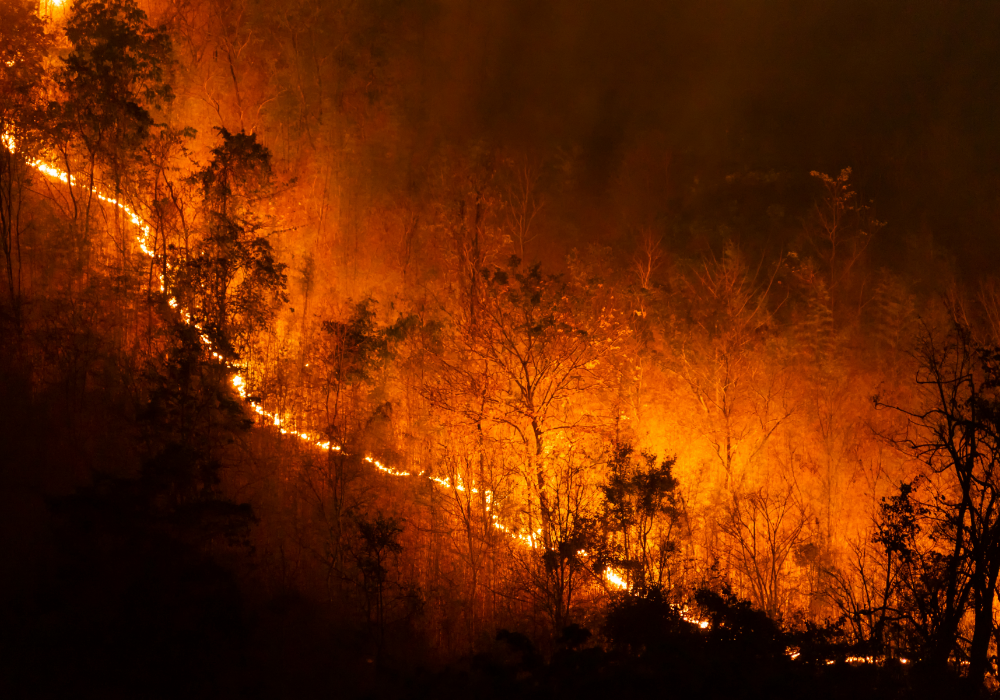
Wildfire season isn’t just a problem for the air you breathe—it’s wreaking havoc on your skin, too. When smoke and fine ash particles drift into your environment, they settle on your face and clog pores. These pollutants trigger inflammation, speed up aging, and weaken your skin’s natural defenses. Even if you’re miles away from the flames, wind patterns carry smoke far beyond the burn zone.
The rise in wildfires worldwide means these skin irritants are becoming an unavoidable part of daily life. You might notice increased sensitivity, sudden breakouts, or an overall dullness that’s hard to shake. Cleansing twice daily and adding antioxidant-rich products can help, but no skincare routine can fully cancel out the impact. As wildfires grow more frequent, your skin ends up caught in the fallout, facing damage you never used to worry about.
8. Rising seas threaten natural exfoliants and marine extracts.
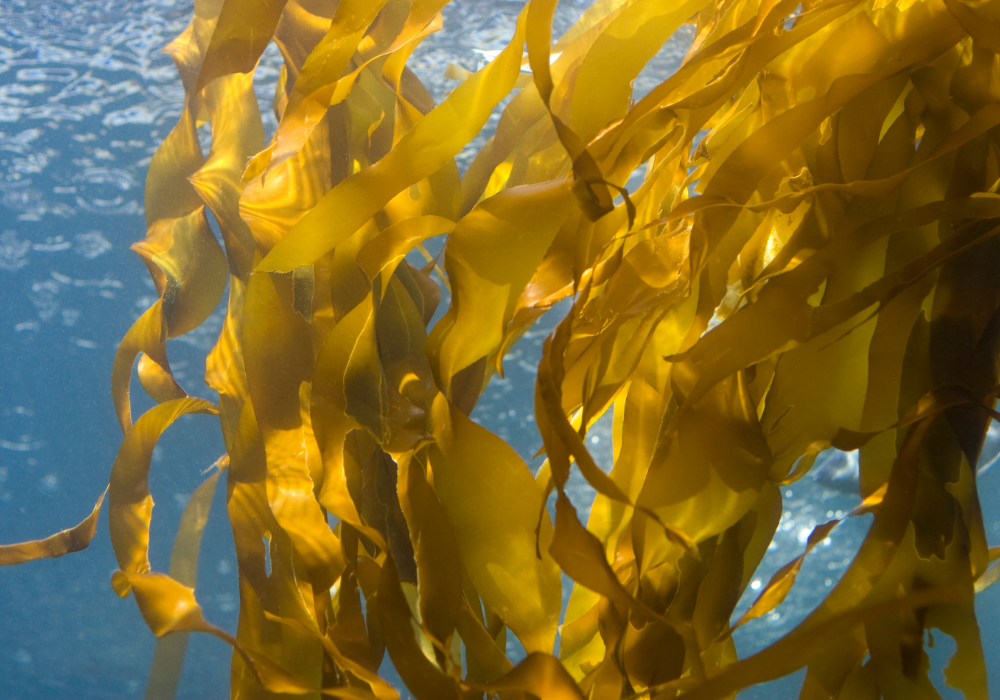
As sea levels climb and oceans warm, marine ecosystems are getting hit hard—and your skincare isn’t immune. Ingredients like algae, sea kelp, and mineral-rich marine muds rely on healthy ocean environments to thrive.
Rising temperatures and saltwater intrusion stress these ecosystems, shrinking supplies of natural exfoliants and hydrating extracts found in many products. When oceans suffer, so do the industries built around them. Scarcity drives up costs, and brands either reformulate or quietly retire products altogether. You might notice marine-based masks or exfoliators becoming harder to find or suddenly sporting higher price tags.
Even if you’re not a devoted seaweed skincare fan, these disruptions ripple across the beauty world. Climate change doesn’t just hit the land—it’s crashing straight into the ocean, taking some of your favorite beauty ingredients with it.
9. Heat stress weakens the plants behind natural fragrances.
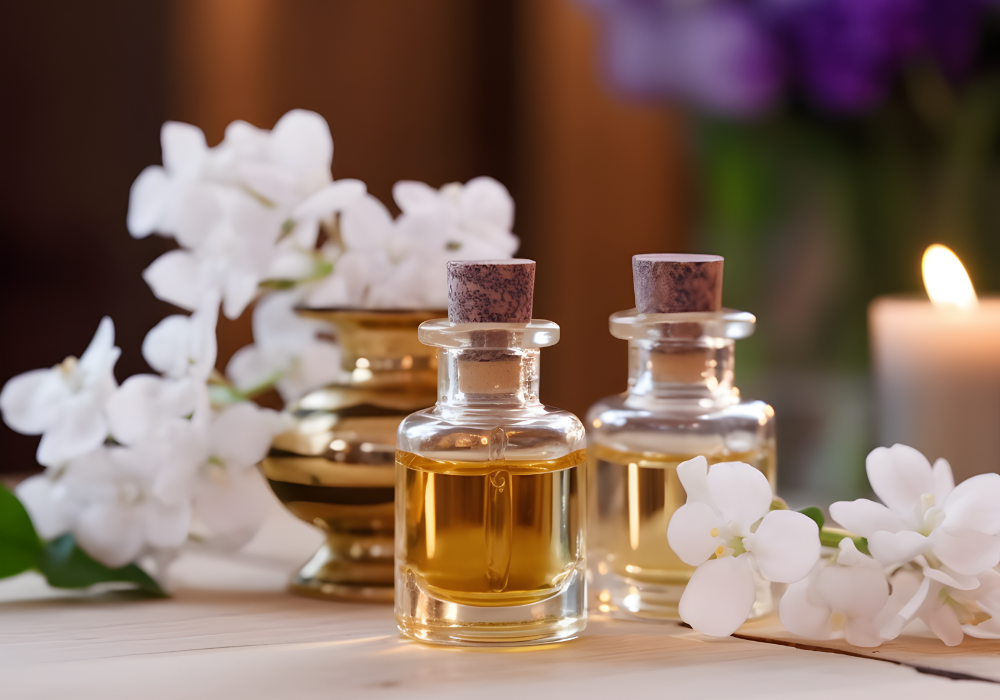
Natural perfumes and botanical-scented products rely heavily on plants like lavender, rose, and jasmine. But with rising temperatures and erratic weather, these delicate crops are struggling to survive. Heat waves and unpredictable rainfall reduce flower yields and diminish the quality of essential oils. What was once a thriving harvest turns patchy and unreliable.
The result? Natural fragrances become rarer and more expensive, nudging brands toward synthetic alternatives. You might notice your favorite floral-scented lotion smells slightly different or that certain natural perfumes quietly disappear from the shelves. While some synthetic fragrances are safe and sustainable, they rarely capture the depth and complexity of the real thing. Climate change isn’t just rewriting ingredient lists—it’s changing the way your products smell, one fragile bloom at a time.
10. Melting glaciers disrupt mineral-rich beauty ingredients.
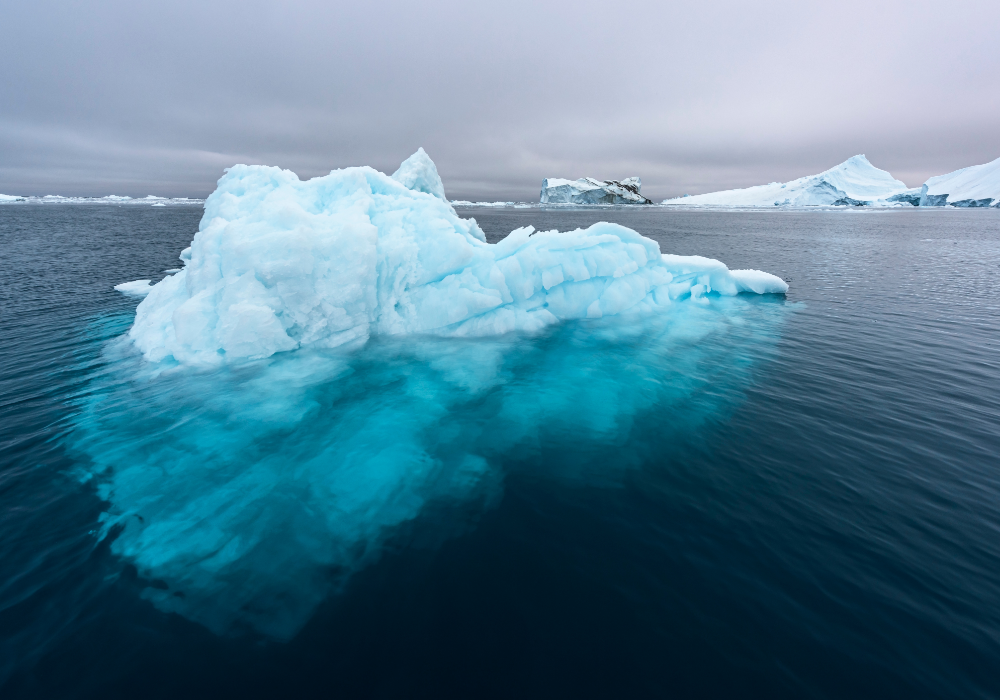
Glacial clay, mineral waters, and glacier-derived extracts have long been prized in skincare for their purity and mineral content. But as glaciers melt at alarming rates, access to these once-abundant resources is slipping away. Retreating ice means fewer reliable sources, higher extraction costs, and growing concerns about sustainability.
This shift quietly changes the landscape of mineral-based beauty. Products claiming glacial purity may become rarer, or you’ll start seeing watered-down versions that don’t deliver the same benefits. Brands might pivot to lab-created alternatives, but part of the allure of these ingredients has always been their natural origin. The effects of glacier melt reach far beyond rising sea levels—they flow straight into the beauty world, altering what ends up in your creams, masks, and treatments.
11. Heatwaves disrupt production of waxes and butters.
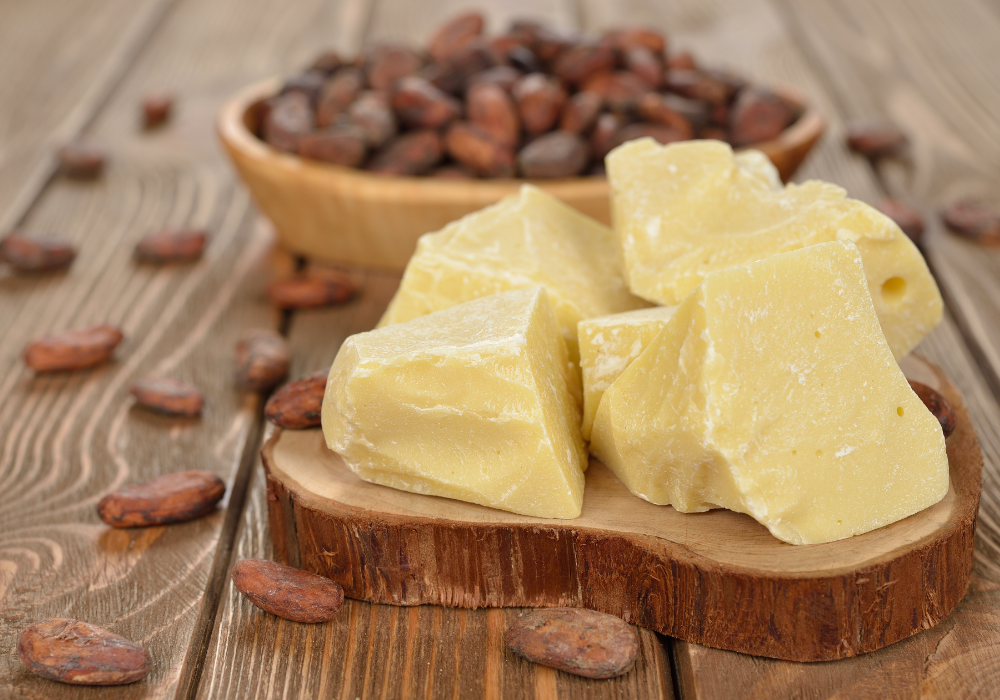
Ingredients like cocoa butter, mango butter, and carnauba wax rely on stable tropical climates to thrive. But extreme heat and shifting rainfall patterns are throwing harvests into disarray. Farmers face unpredictable growing seasons, while heat stress reduces both crop yields and quality. These natural emollients, which give products their luxurious texture, are becoming tougher to source reliably.
For your beauty shelf, that means changes you’ll notice in both texture and price. Creams might feel lighter or less rich, while prices creep up as sourcing becomes more difficult. Some brands will turn to synthetic fillers to stretch limited supplies, but the trade-off is a less satisfying product experience. Climate change doesn’t stop at the farm—it follows ingredients all the way to your bathroom counter, changing how your favorite products feel in your hands and on your skin.