
The crisis isn’t just coming for the future—it’s already stolen so much.

For years, the story around climate change has focused on what’s to come: rising seas, future droughts, disasters down the road. But while we’ve been looking ahead, the damage has quietly arrived. It’s not waiting for some distant deadline. It’s here, reshaping lives, stealing choices, and changing the world before our eyes. We’ve already lost so much—places, seasons, species, and simple joys we once took for granted.
Some of these losses are glaring, like deadly heat waves and stronger storms. Others are quieter, creeping into everyday life until they feel normal. But they’re not. These are the signs of a crisis in motion, not a warning on the horizon. Naming what’s already gone matters. It makes the scale of this crisis impossible to ignore—and reminds us why the fight for what’s left is more urgent than ever.
1. Stable seasons have already slipped away.
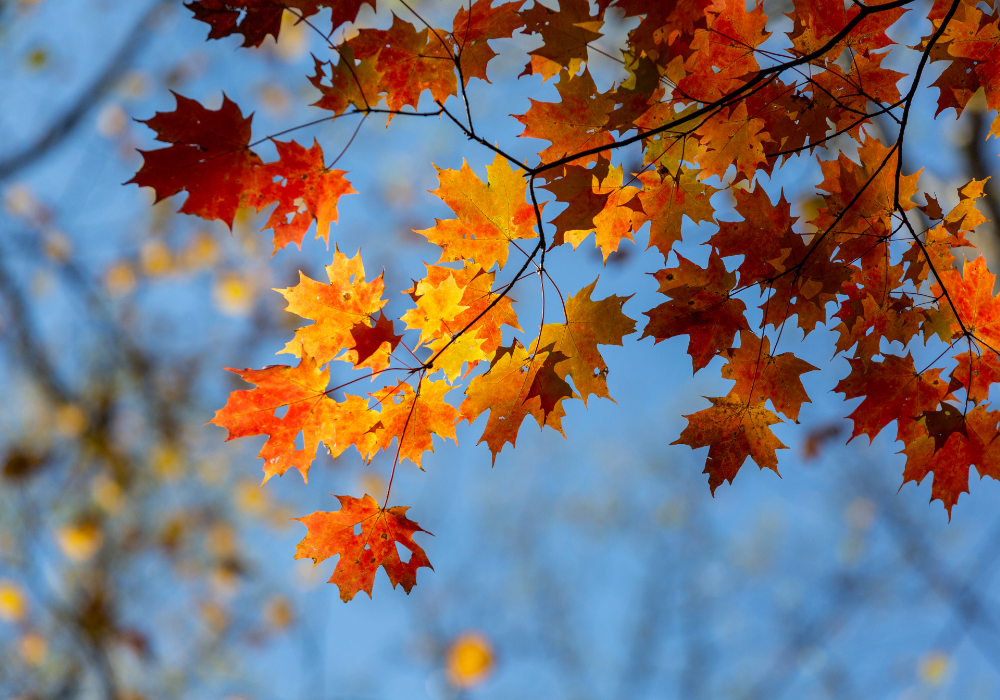
Seasons used to follow familiar rhythms, giving farmers, animals, and everyday life a predictable flow. Now, winter stretches too long or barely arrives at all. Spring jumps straight into scorching heat. Fall floods with storms, and summer turns brutal weeks earlier than expected.
Marie Keatley reports in World Economic Forum that climate change is causing birds to migrate earlier and plants to bloom ahead of schedule, disrupting the delicate balance of ecosystems. Farmers can’t rely on planting schedules that worked for generations. Everyday traditions, like enjoying crisp autumn air or waiting for cherry blossoms in spring, feel less reliable each year. What once felt like nature’s steady heartbeat now skips and stumbles, and that loss of rhythm changes life in ways big and small.
2. Coral reefs have already been devastated.
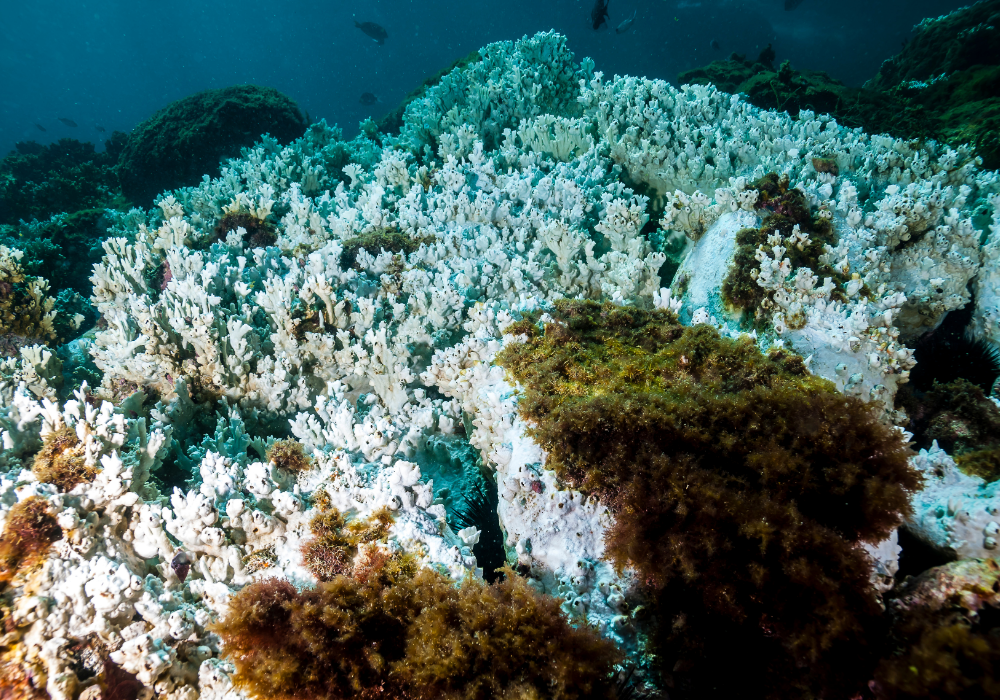
The bright, thriving ecosystems of coral reefs are fading fast. Rising ocean temperatures cause coral bleaching, turning vibrant underwater landscapes into ghostly white skeletons. The Australian Institute of Marine Science reports that the Great Barrier Reef has endured multiple mass bleaching events, with severe heat stress wiping out large stretches of living coral.
This isn’t just an aesthetic loss. Coral reefs are home to about a quarter of all marine life. As they die, the species that depend on them for shelter and food disappear too. Coastal communities lose natural protection against storms and erosion, and fishers lose critical sources of income. Reefs that took thousands of years to build are collapsing in a matter of decades, and the damage isn’t slowing down. The underwater cities of the ocean are vanishing before our eyes.
3. Reliable farming is no longer a guarantee.
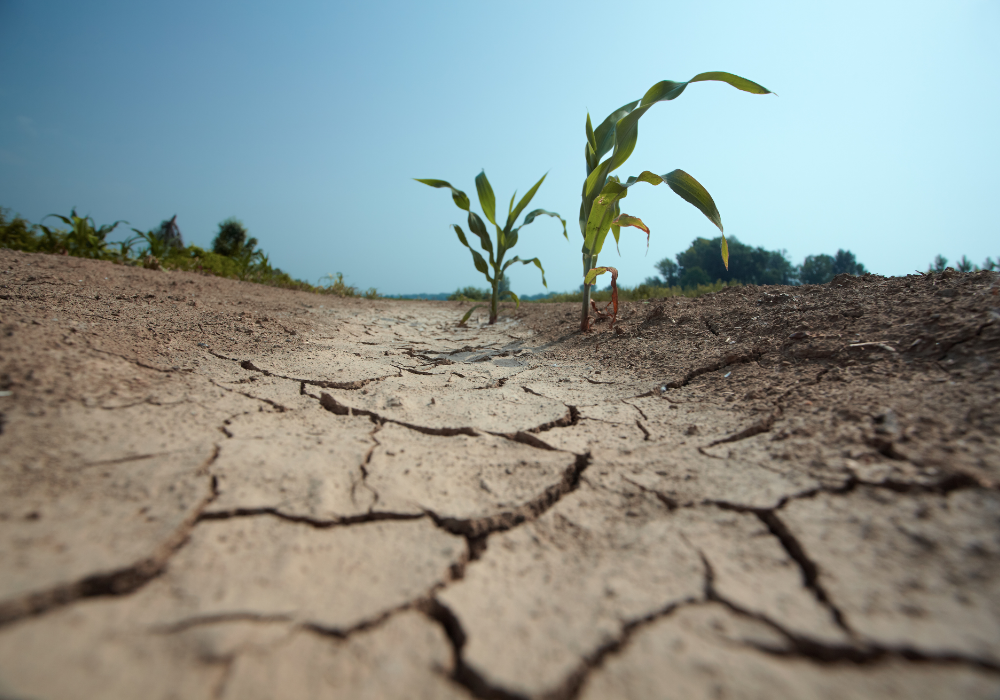
Farmers worldwide are already grappling with crop failures, soil erosion, and shifting weather patterns. In places like California’s Central Valley, drought has turned once-fertile fields into dust bowls. Meanwhile, flooding in the Midwest has drowned entire planting seasons, leaving farmers with empty harvests.
The EPA warns that rising temperatures and unpredictable rainfall are making it harder to reliably grow staple crops like wheat, corn, and rice. Extreme heat waves scorch fields, while unpredictable rain patterns wash away topsoil or leave plants thirsting for water.
For many farming communities, this isn’t a future fear—it’s a daily reality. The uncertainty has led to rising food prices, financial strain, and an overwhelming sense of instability for families who’ve worked the land for generations. The loss of reliable farming threatens food security for all of us.
4. Safe drinking water is becoming harder to find.
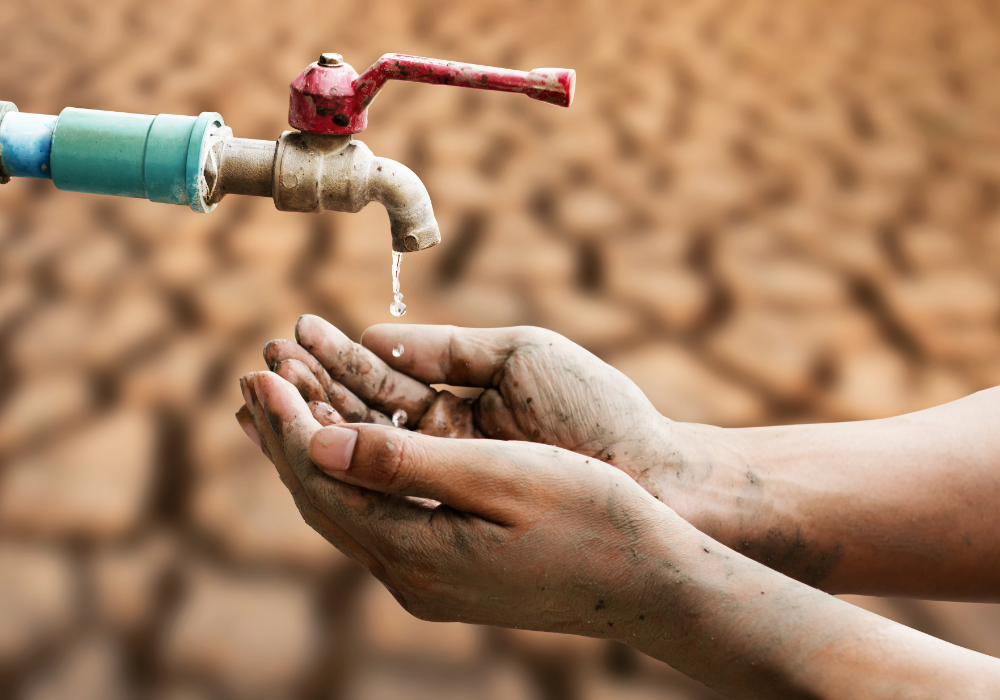
Freshwater systems are drying up or becoming contaminated as the climate crisis deepens. Melting glaciers, once steady sources of drinking water for millions, are vanishing. In parts of South Asia and South America, communities that depended on glacial melt are already facing shortages.
Rising sea levels push saltwater into freshwater supplies, especially in low-lying areas like coastal Bangladesh or island nations. Longer droughts also concentrate pollutants in shrinking water sources, making water treatment harder and more expensive. For many people, clean water has gone from a basic right to a daily worry. What was once a dependable resource is now at risk, threatening health, livelihoods, and survival itself.
5. Wildlife migrations have fallen out of sync.
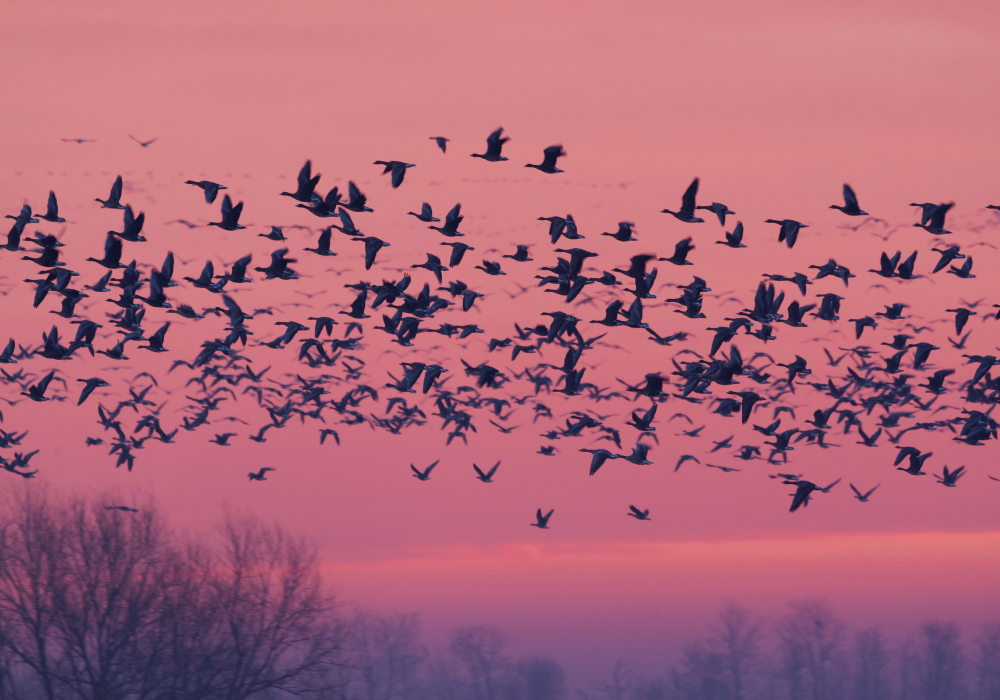
Animal migrations once moved in harmony with the seasons, timed to food availability and breeding cycles. Now, shifting temperatures and disrupted landscapes are throwing these natural patterns into chaos. Monarch butterflies arrive too early or too late for the milkweed they need. Caribou in the Arctic struggle to keep pace with the plants that used to feed them.
Birds, whales, and countless other species find their ancient routes less predictable as warming alters their environments. Some try to adapt, moving to new territories, but not all can survive the changes. These broken migration patterns ripple across ecosystems, weakening food chains and erasing relationships between species that evolved over millennia. The quiet beauty of seasonal migrations is already slipping away.
6. Entire towns have been forced to relocate.
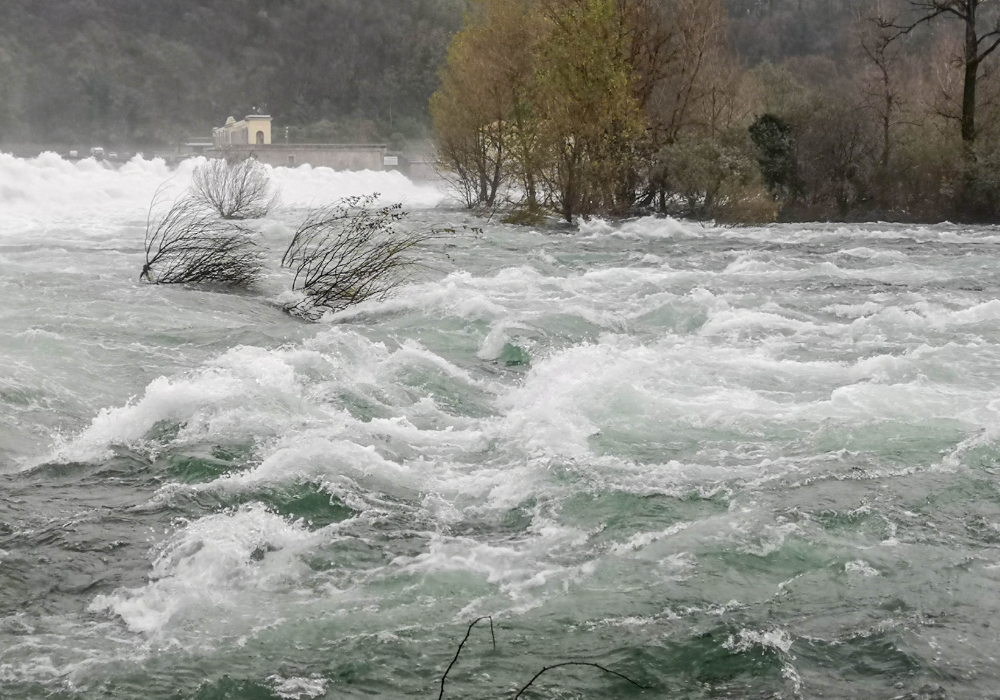
For some communities, the impact of climate change has already made their homes unlivable. Rising seas swallow coastlines, forcing residents to move inland. In places like Shishmaref, Alaska, melting permafrost has destroyed the ground beneath homes and buildings, leaving families no choice but to relocate. Island nations in the Pacific face the terrifying prospect of becoming entirely uninhabitable. Saltwater intrusion poisons crops and freshwater wells, while storms batter shorelines year after year.
These relocations aren’t just logistical nightmares—they’re cultural tragedies. When a community is forced to leave its home, it risks losing history, traditions, and connection to the land. The idea of climate refugees isn’t future fiction—it’s already happening.
7. Iconic glaciers are disappearing fast.
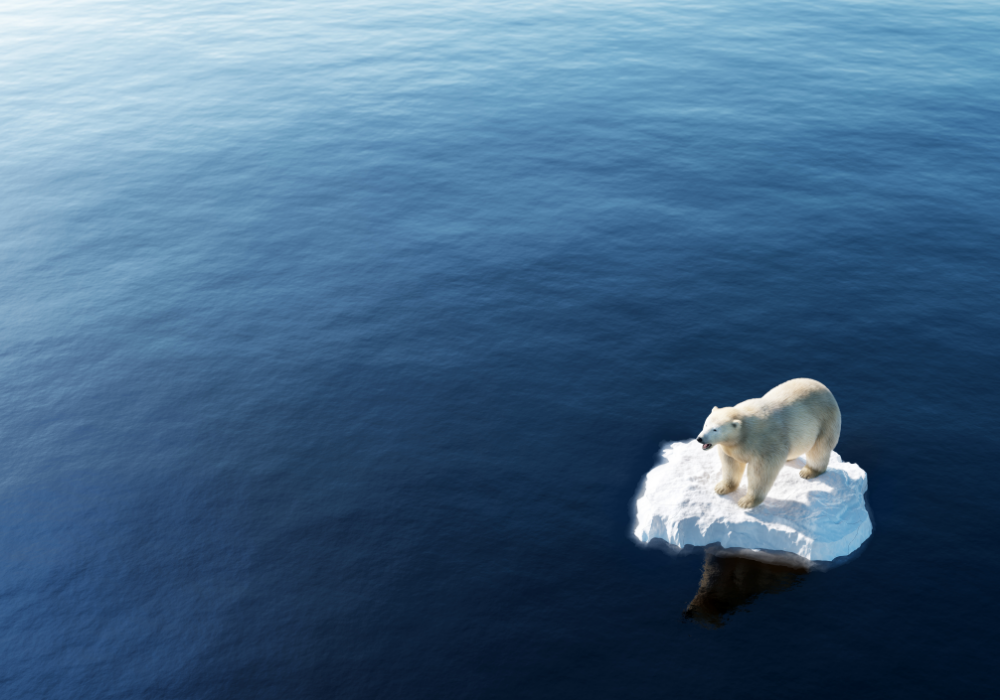
Glaciers, once towering symbols of natural beauty and power, are retreating at alarming rates. In the Alps, the Andes, and even Mount Kilimanjaro, ice that stood for thousands of years is melting away. Tourists who visit famous glaciers today often find bare rock and rushing meltwater where ice once stretched for miles.
But this is more than a loss of scenery. Glaciers provide drinking water, feed rivers, and help regulate local climates. As they disappear, water shortages grow worse and sea levels continue to rise. Regions that rely on seasonal glacial melt for farming and hydropower face growing uncertainty. The vanishing of glaciers is a stark, visible reminder that the planet is changing far faster than many realize.
8. Traditional ways of life are under threat.
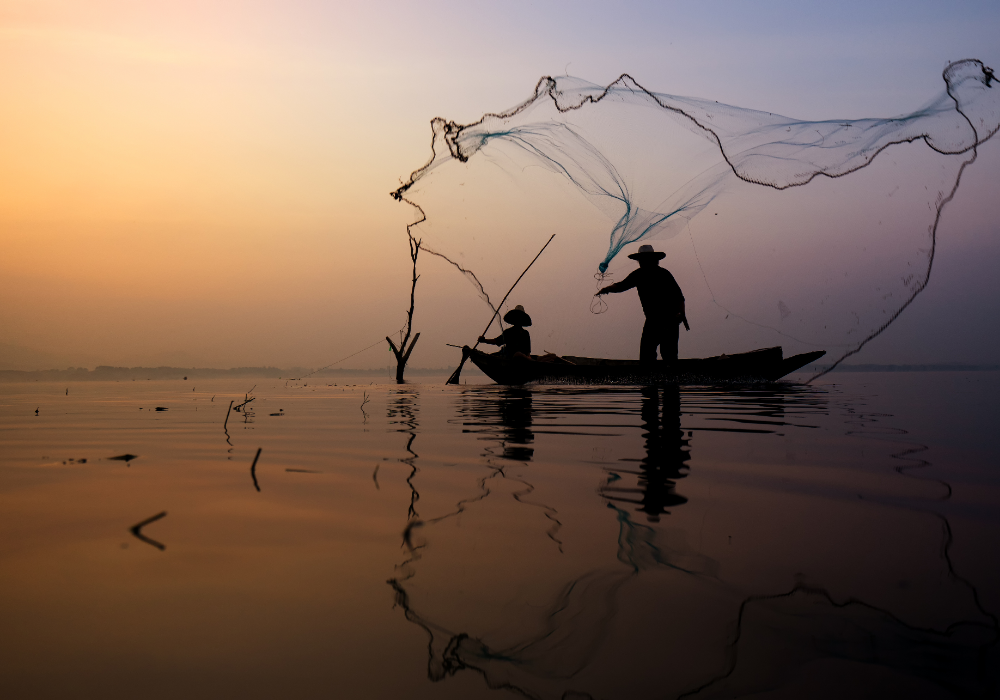
For Indigenous communities, farmers, and fishers around the world, climate change isn’t just about environmental loss—it’s about cultural survival. Arctic Indigenous peoples who rely on sea ice for hunting see their traditions slipping away as the ice melts beneath their feet. Fishing communities face empty nets as warming waters push fish into new territories.
Farming families who pass down knowledge through generations now find that old wisdom no longer applies to unpredictable seasons. These cultural practices, deeply tied to specific landscapes and ecosystems, are being eroded by forces far beyond their control. When the environment changes this drastically, it doesn’t just disrupt daily life—it threatens to erase identities and traditions built over centuries.
9. Air quality has already taken a hit.
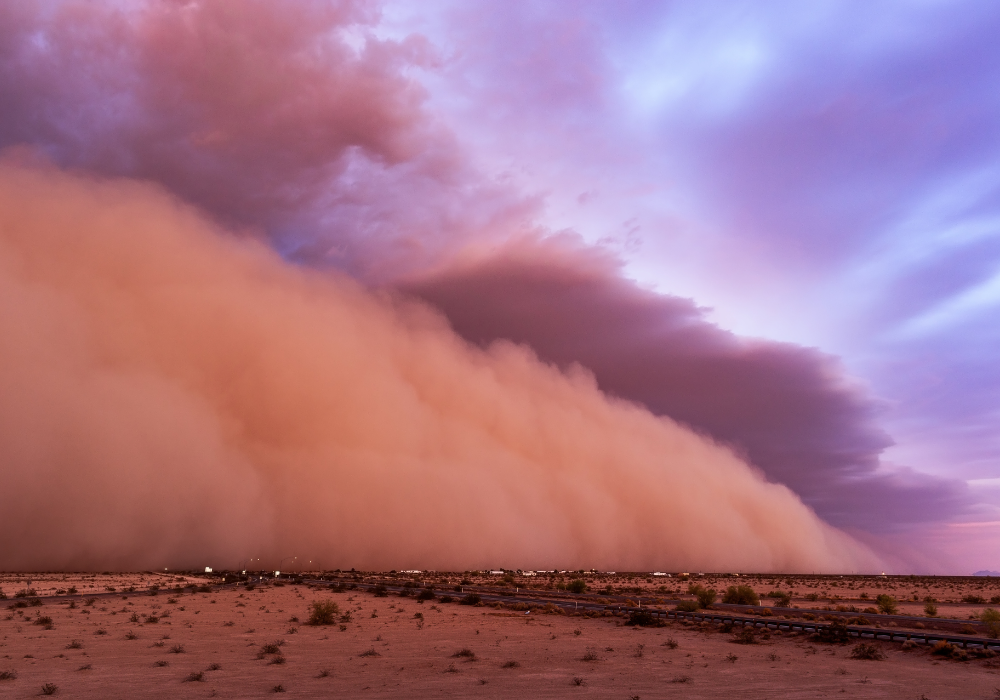
Climate-driven wildfires, dust storms, and heatwaves are making the air less safe to breathe. In recent years, wildfires in places like California, Australia, and Canada have choked cities with thick smoke, turning skies orange and forcing people indoors. Rising temperatures also worsen air pollution, increasing ground-level ozone that can trigger asthma and other respiratory problems.
For millions, breathing has become a daily hazard. Vulnerable groups like children, the elderly, and people with health conditions face the greatest risks. Air that was once taken for granted now comes with health warnings and evacuation orders. Clean air, once a basic expectation, is becoming yet another climate casualty.
10. Insect populations are crashing worldwide.
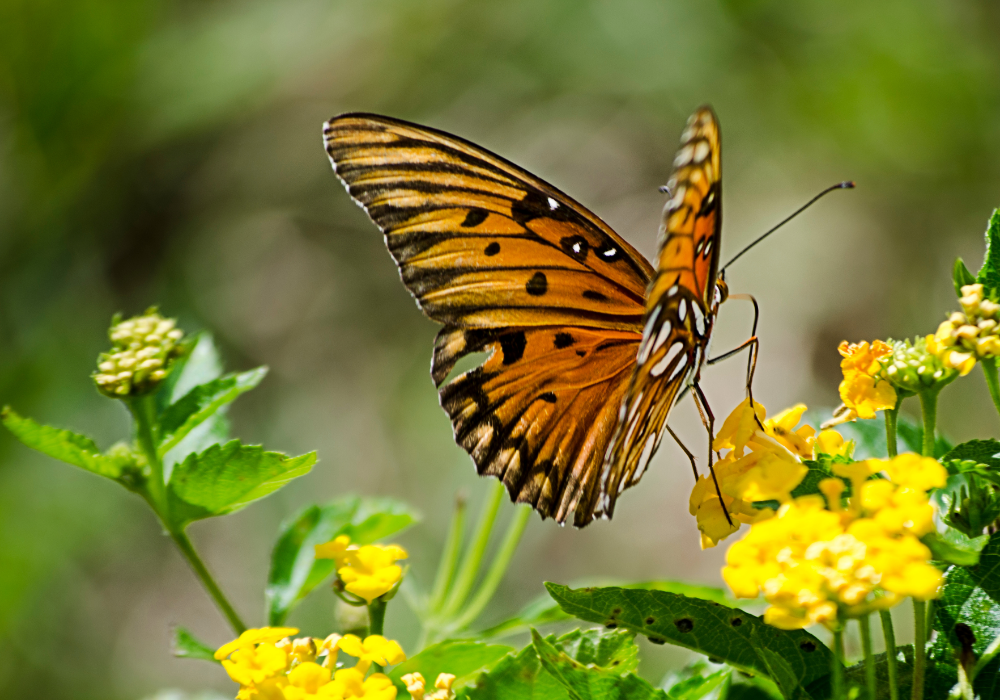
Insects might not grab headlines like polar bears or coral reefs, but their decline is one of the most alarming signs of ecological breakdown. Butterflies, bees, and beetles are disappearing at rapid rates, driven by habitat loss, pesticides, and climate stress. Warmer winters and hotter summers disrupt life cycles, leading to population crashes.
This matters more than most people realize. Insects pollinate crops, feed birds and fish, and keep ecosystems balanced. Without them, food chains start to collapse, and agriculture faces serious threats. The quiet hum of bees in a summer field is becoming less common, and with it, the essential work they do to keep the planet’s systems running smoothly.
11. Natural disaster recovery has become harder than ever.

Storms, floods, and wildfires have always existed, but what’s changed is how relentless and extreme they’ve become. Communities used to have time to rebuild between disasters, but now, recovery efforts are cut short by the next crisis rolling in. Towns hit by hurricanes barely patch their roofs before the next storm season arrives. Fire-prone regions like California face blazes year after year, exhausting both emergency services and residents.
Insurance companies are pulling out of high-risk areas, leaving families without coverage. Disaster relief funds stretch thinner with every new emergency. For people living through these back-to-back events, recovery isn’t just difficult—it’s starting to feel impossible. What used to be once-in-a-generation disasters now come in rapid succession, stealing the chance to rebuild and move forward. This relentless pace wears communities down, making each disaster hit harder than the last.
12. A sense of security has quietly slipped away.
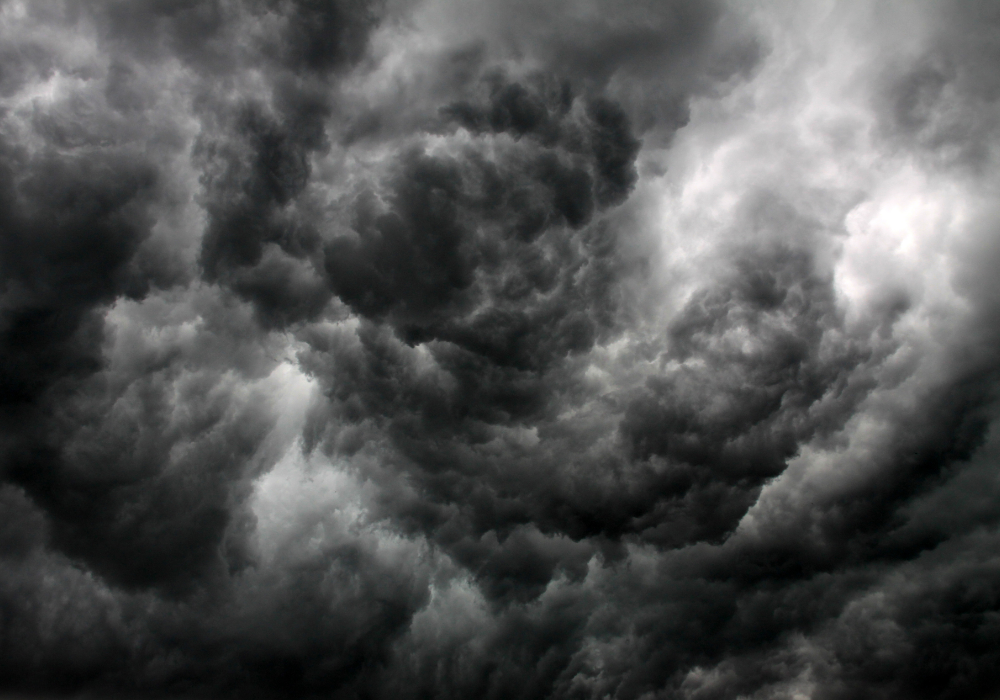
Even if you’ve been lucky enough to avoid direct impacts so far, the feeling of safety is fading. Unseasonal storms, smoky skies, and news of worsening disasters create a constant, low-level anxiety. Everyday moments—like stepping outside on a hot day or watching the weather report—carry a weight they didn’t use to. There’s a growing sense that the ground beneath us, both literally and figuratively, isn’t as steady as we once believed.
This quiet erosion of security seeps into decision-making. People delay having children, hesitate to buy homes, or reconsider careers tied to climate-vulnerable industries. Plans for the future feel less certain as the climate crisis accelerates. The steady, taken-for-granted stability of daily life has already been shaken, and even if it’s hard to name, many can feel it lingering in the background of their choices and worries.