
The ingredients look natural, but the practices aren’t always honest.

Clean beauty started as a refreshing pushback against chemical-heavy skincare routines. Suddenly, products boasting labels like “natural,” “green,” and “eco-friendly” flooded shelves, promising healthier skin and an ethical conscience. Who wouldn’t want cosmetics free from harsh toxins and harmful ingredients? But as with most trends that skyrocket into the mainstream, there’s a hidden side to this pretty picture—and it’s not always pretty at all.
Behind those minimalist labels and botanical buzzwords, the clean beauty industry often struggles with transparency, sustainability, and even genuine safety. The hype can overshadow inconvenient truths, leading consumers to trust branding over actual practices. From misleading marketing tactics to environmental impacts, these 10 dirty secrets reveal how your seemingly pure beauty regimen might not be as clean as you think.
1. “Natural” doesn’t actually mean safe—or natural.
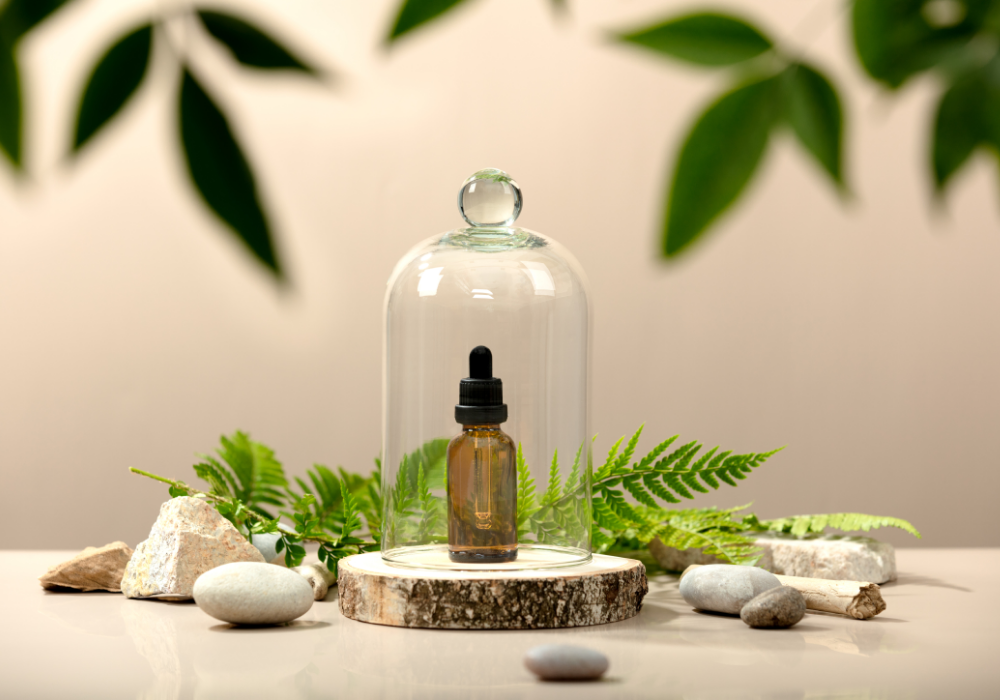
Beauty brands love vague terms like “natural,” but what does it really mean? Carla Burns explains in EWG that the term “natural” is largely unregulated, allowing companies to use it even when products contain synthetic or harmful ingredients.
Companies can use the word freely, regardless of whether their product contains synthetic ingredients. While aloe vera, coconut oil, or rosewater sound wholesome, the rest of the formulation could still include potentially irritating preservatives or synthetic fragrance compounds.
Even genuinely natural ingredients aren’t guaranteed safe. Essential oils, widely praised in clean beauty circles, can trigger allergic reactions or skin sensitivities. Lavender and tea tree oils, common in natural products, have been linked to hormonal disruptions. Without clear definitions or strict regulations, consumers often buy into the illusion that “natural” means harmless, when reality is far more complicated—and potentially risky.
2. Greenwashing is more common than real transparency.
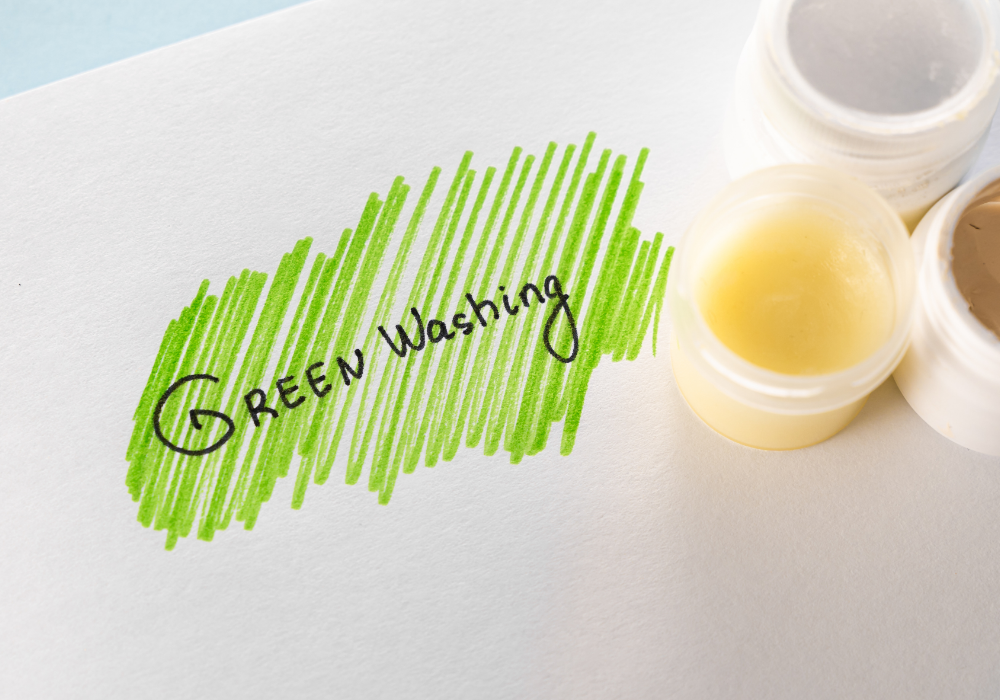
Behind minimalist packaging and leafy logos often lies clever marketing rather than true sustainability. Brands invest heavily in appearing eco-friendly, even when their production processes or ingredient sourcing tells a different story. Alexander Pertus notes in ReportLinker that beauty brands frequently highlight eco-friendly packaging to appear sustainable, even when their ingredient sourcing harms biodiversity or involves unethical practices.
Brands frequently emphasize the absence of certain controversial chemicals while quietly including other questionable ingredients. This selective transparency allows companies to appear ethical without making real changes. Consumers are left believing they’re making conscious choices, unaware that what looks like clean beauty is just greenwashing—the practice of using sustainability as a superficial selling point rather than a genuine commitment.
3. Plant-based doesn’t always equal cruelty-free.
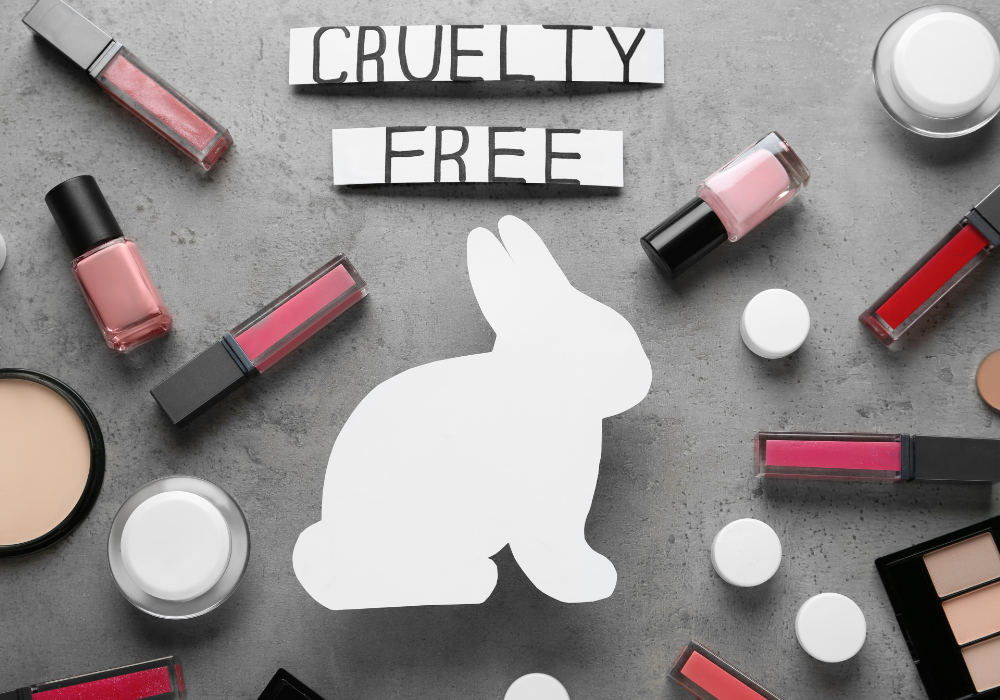
Vegan and plant-based labels lead many shoppers to assume products are automatically cruelty-free. However, these terms refer solely to ingredients, not necessarily animal testing or ethical sourcing. A vegan formula can still be tested on animals, and plant-derived ingredients like palm oil can fuel deforestation and wildlife loss. In Treehugger, Olivia Young highlights that even responsibly sourced palm oil poses environmental risks like deforestation, making full transparency essential for truly ethical beauty.
Brands frequently highlight plant-based credentials without clarifying their stance on animal testing or habitat destruction. True cruelty-free beauty requires comprehensive transparency around sourcing, production practices, and testing policies—areas where many “clean” brands fall short.
4. Short shelf lives cause more waste than you realize.

Clean beauty products often pride themselves on avoiding preservatives, but shorter ingredient lists mean shorter shelf lives. Products like facial oils, natural serums, and preservative-free moisturizers typically expire within a few months. Consumers frequently discard unfinished products, resulting in unnecessary waste and higher consumption rates.
Ironically, the attempt to minimize synthetic preservatives can lead to more frequent purchasing, more packaging waste, and more product disposal. This paradox highlights the trade-offs involved in clean beauty. Without innovation in biodegradable packaging or truly sustainable formulations, these products may inadvertently create more environmental harm, challenging the eco-conscious image brands love to promote.
5. Hidden chemicals still lurk in “fragrance.”
The word “fragrance” seems innocent, but it’s actually a loophole allowing companies to conceal dozens of undisclosed chemicals. Brands can legally bundle synthetic compounds under this single, vague term without transparency.
Even products labeled “natural” or “clean” frequently contain fragrance mixtures that may include phthalates, allergens, or irritants. Consumers sensitive to chemicals often assume fragrance-free or naturally scented products are safer, only to experience reactions from undisclosed ingredients.
Lavender, citrus, or eucalyptus scents might smell pure, but synthetic additives used to stabilize fragrance are common. Until transparency regulations catch up, fragrance remains one of clean beauty’s dirtiest secrets, hiding chemical complexity beneath a deceptively simple label.
6. Expensive doesn’t equal effective—or ethical.
Premium prices and sleek packaging signal luxury and quality, but clean beauty’s high price tags often reflect marketing rather than actual effectiveness. Consumers assume expensive products contain superior ingredients or ethical sourcing, yet price doesn’t guarantee either. Ingredients like argan oil or exotic botanicals inflate costs, despite comparable performance from simpler, less costly formulations.
Additionally, high-end branding frequently masks unethical practices like overharvesting, worker exploitation, or unsustainable sourcing. Shoppers pay premium prices believing they’re investing in responsible brands, unaware that elevated costs often subsidize advertising and image-building, not ethical business practices. Clean beauty’s price point can be as misleading as its promises, leading consumers to pay more for perceptions rather than reality.
7. Ingredient lists leave out important context.
Aloe vera, jojoba oil, and green tea extract sound wholesome on a label, but without knowing how they’re processed or sourced, the story is incomplete. Brands highlight these buzzy ingredients to win consumer trust, yet they rarely explain details like pesticide use, farming practices, or the chemical processes involved in extraction and preservation.
For example, green tea extract is popular for its antioxidant properties, but unless it’s processed gently, heat and solvents can strip away many of its benefits before it even reaches your skin. Similarly, aloe vera gel often undergoes heavy processing that removes much of its soothing potential. These nuances don’t make it to the glossy marketing copy. Without full transparency, ingredient lists tell only part of the story—leaving consumers unaware of what they’re really putting on their skin.
8. Clean beauty ignores broader environmental impact.

Clean beauty often focuses on what’s inside the bottle, but rarely addresses the environmental footprint left outside of it. Almond oil, for instance, is a common ingredient praised for moisturizing properties, but almond farming is notoriously water-intensive, especially in drought-prone regions like California. Shea butter is another darling of clean beauty, yet its sourcing can contribute to deforestation if not carefully managed.
The industry promotes clean beauty as an eco-friendly alternative, yet rarely discloses the full impact of ingredient cultivation, transportation, and packaging. Biodegradable or refillable packaging helps, but it doesn’t erase the heavy environmental toll of large-scale production. Consumers are led to believe they’re making sustainable choices, while the industry’s carbon footprint and resource demands quietly grow behind the scenes.
9. Worker exploitation hides behind pretty packaging.

Behind the allure of ethically sourced ingredients like argan oil and cocoa butter lies a complex web of labor exploitation. Argan oil production, concentrated in Morocco, often depends on low-paid women’s cooperatives.
While some cooperatives empower local workers, others capitalize on global demand without fair wages or safe working conditions. Cocoa butter, beloved for its rich texture in clean beauty balms and lotions, often comes from supply chains linked to labor abuses in West Africa. Despite branding that touts ethical sourcing, enforcement of labor standards remains inconsistent.
Brands may advertise fair trade practices, but oversight gaps allow exploitation to persist. Clean beauty can feel empowering at the checkout counter, but without better labor protections, it risks leaving workers behind.
10. The obsession with purity feeds fear-based marketing.
The clean beauty industry thrives on scaring consumers away from “toxic” ingredients while offering supposedly pure alternatives. This fear-based approach oversimplifies complex science and demonizes safe, regulated ingredients like parabens or silicones. Hyaluronic acid sourced from plants might sound safer, but synthetic versions have been proven safe and sustainable for years.
Fear sells, and brands lean into it by dramatizing ingredient risks without full context. This strategy pressures consumers to equate purity with safety, even when the science doesn’t support it. Instead of empowering informed choices, fear-based marketing clouds understanding and keeps consumers trapped in cycles of anxiety and overspending. Clean beauty could educate, but too often it exploits consumer fears to move products.