
The everyday essentials that become priceless when systems fail
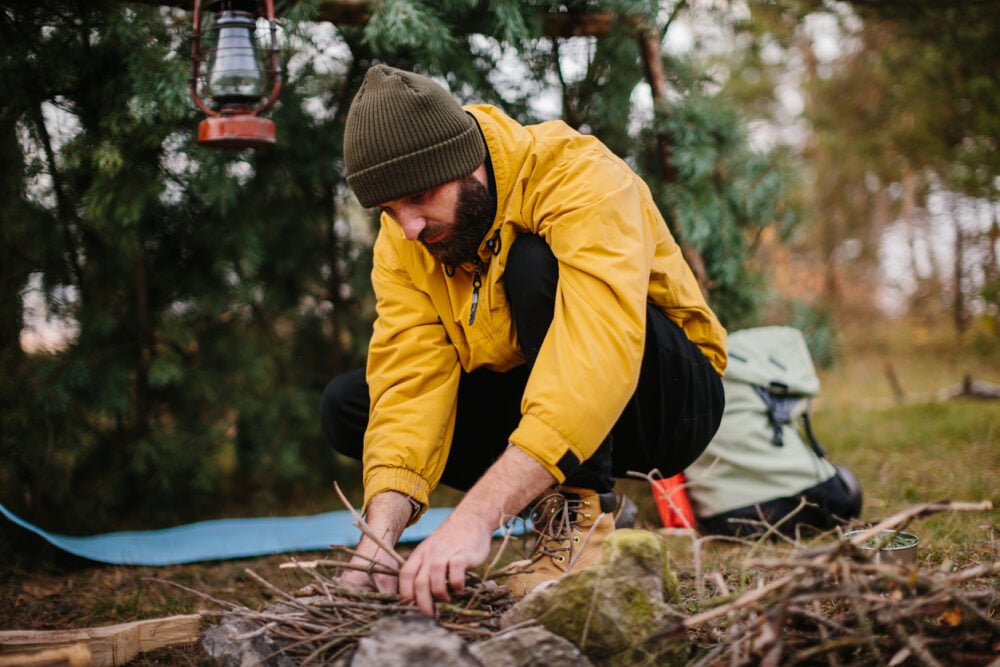
Panic buying and prepping get a bad rap, but the truth is, most people aren’t remotely ready for a real emergency. We’re used to systems working: food on shelves, water from taps, help when we call. But if the grid goes down or the world hits pause, the comfort of normal disappears fast, and survival becomes incredibly practical.
You don’t need a bunker, a generator, or military training to make it through a crisis. What you do need is gear that works, supplies that last, and the ability to stay calm when everything else gets loud. Whether it’s a natural disaster, a blackout, or something much bigger, the right tools can mean the difference between panic and preparedness.
1. A water filter turns sketchy puddles into survival fuel.
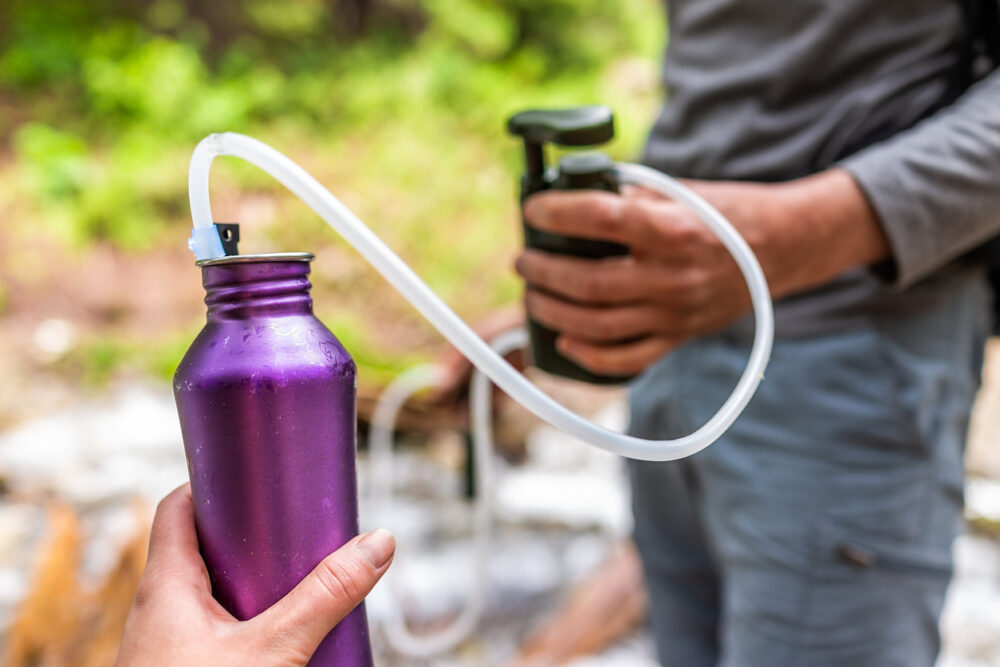
Clean water is the first thing to vanish in a crisis. Bottled supplies disappear quickly, and the tap may be contaminated or shut off entirely. LifeStraw explains that its portable filters can turn contaminated water into safe drinking water by removing bacteria, parasites, and microplastics—no electricity or chemicals needed.
A solid water filter can fit in a backpack, last for thousands of liters, and work whether you’re deep in the woods or stuck at home with no running water. It’s a one-time investment that can last through hundreds or even thousands of liters.
2. This little tool packs a dozen survival moves.
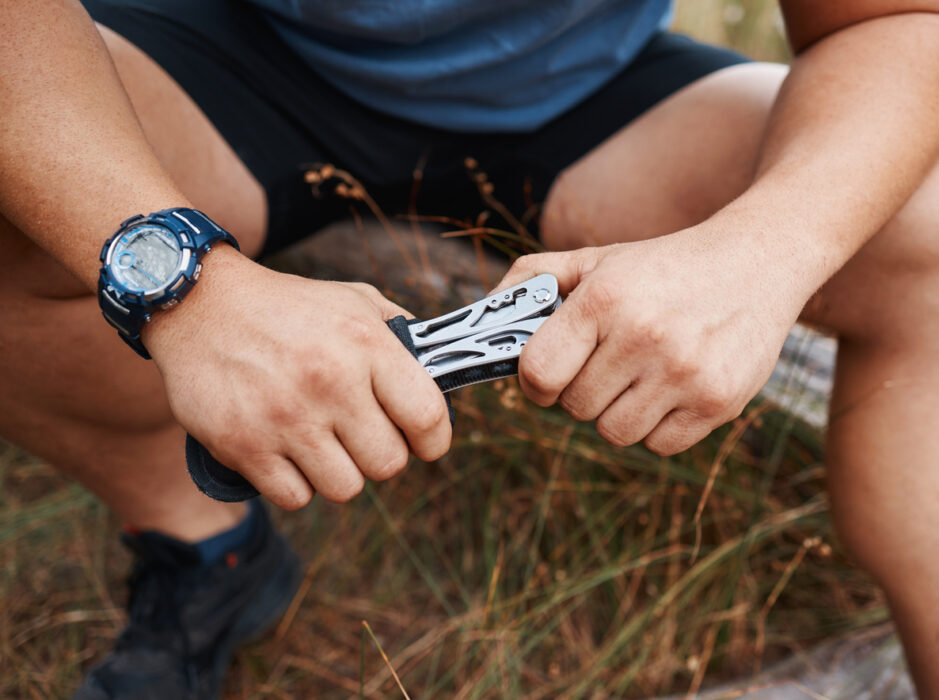
Forget packing a toolbox. In a survival scenario, less is more, and a quality multitool gives you just that. Essential tools like knives, saws, pliers, and screwdrivers in a multitool can cover everything from gear repair to food prep, making them indispensable in emergencies. Some models even come with fire-starting tools or saws built in.
Need to repair a tarp shelter? Cut rope? Break into a can of beans? It’s all there, in your pocket. Look for stainless steel, lockable blades, and tools you can access one-handed. In high-stress situations, time and energy matter, and the ability to adapt on the fly is everything.
3. Fire won’t wait for perfect weather.
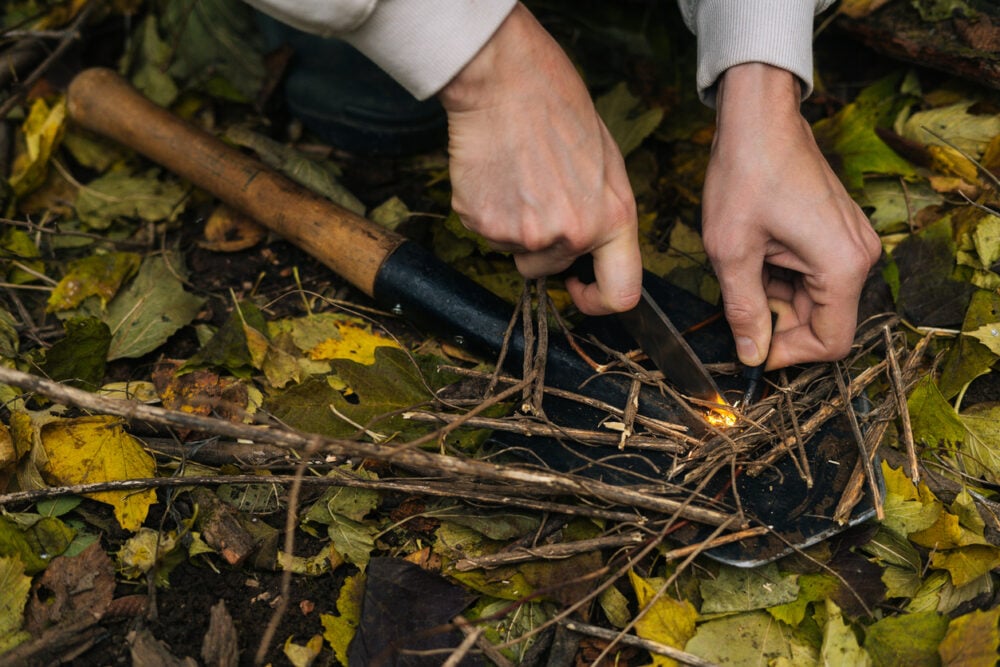
Fire is about more than comfort. It’s warmth, light, cooked food, boiled water, and even protection. A ferrocerium rod is considered the ultimate emergency fire-starting device because it functions reliably in all weather conditions and boasts an extremely long lifespan. It can spark in wind, rain, and cold—and it lasts for thousands of strikes.
Carrying a fire starter means you’re never dependent on fuel or dry paper. With a little practice, you can light a fire with damp wood or limited tinder. That’s the difference between a miserable night and a manageable one. In a real emergency, fire is more than a morale boost; it’s survival tech with ancient roots.
4. Light your path or get stuck in the dark.
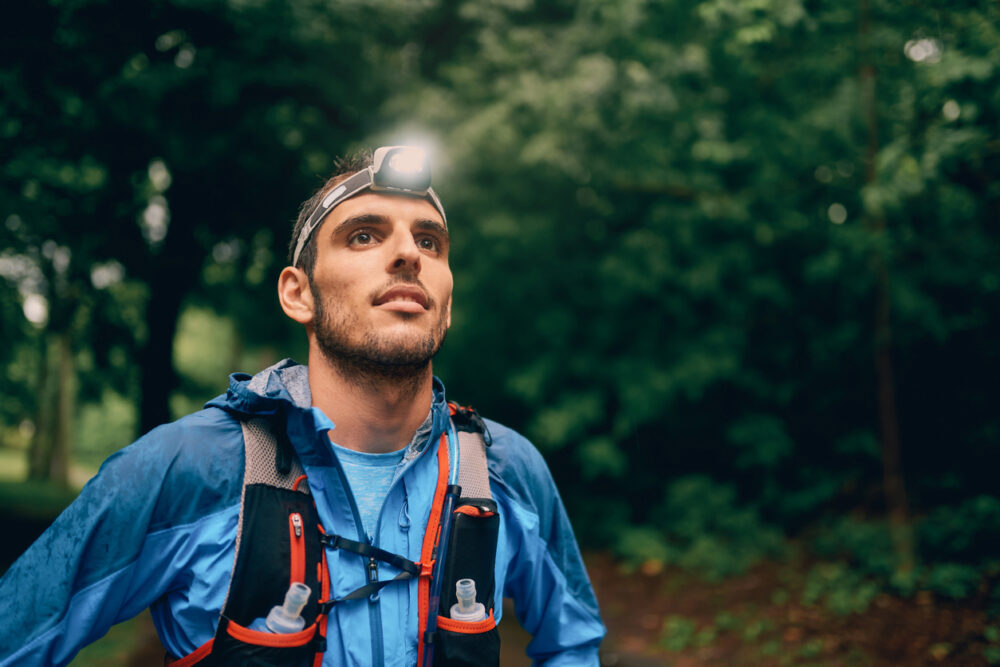
When power cuts out, darkness is immediate. Basic tasks like finding supplies, walking unfamiliar terrain, or checking a map become near impossible. A headlamp or reliable flashlight is essential, and not just for visibility. It reduces risk, calms nerves, and helps you stay functional when the world goes dark.
A headlamp keeps your hands free for cooking, building shelter, or defending yourself. Crank flashlights offer backup when batteries run low. Red-light modes preserve night vision and keep you less visible from a distance.
5. A tarp does way more than block the rain.

A tarp is the Swiss army knife of survival gear. It’s lightweight, folds flat, and adapts to nearly any situation. Use it to build shelter, protect yourself from rain, trap heat, carry gear, or even collect water. You don’t need poles, pegs, or a detailed plan. You just need some paracord or branches and a few minutes of improvisation.
Choose a tarp that’s waterproof and rip-resistant. Even better if it’s reflective on one side to retain warmth. When everything else falls apart, your ability to create a dry, windproof space becomes a game-changer. Tents are great, but they’re bulky and harder to repack. A tarp gives you flexibility without the weight or hassle.
6. Paracord solves problems before you even know you have them.
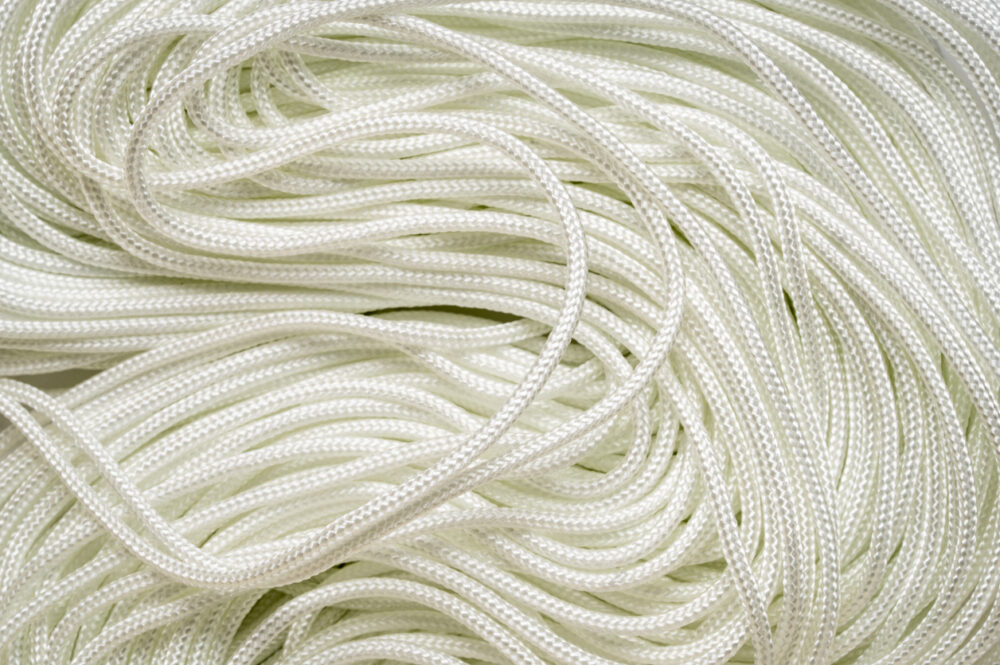
Paracord was designed for parachutes, but in a survival scenario, it becomes the ultimate multitasker. You can use it to tie down shelter, haul gear, build traps, make splints, or secure food out of reach.
Inside the sheath are smaller threads that can double as fishing line, thread for stitches, or emergency shoelaces. It’s light, strong, and takes up almost no space. Wrap it around your water bottle, toss a bundle in your bag, or wear it as a bracelet. Unlike duct tape or nylon rope, paracord gives you strength without bulk. When you’re in the middle of nowhere with zero resources, the ability to rig a fix with what’s on hand makes all the difference.
7. Your first aid kit shouldn’t look like a hotel freebie.
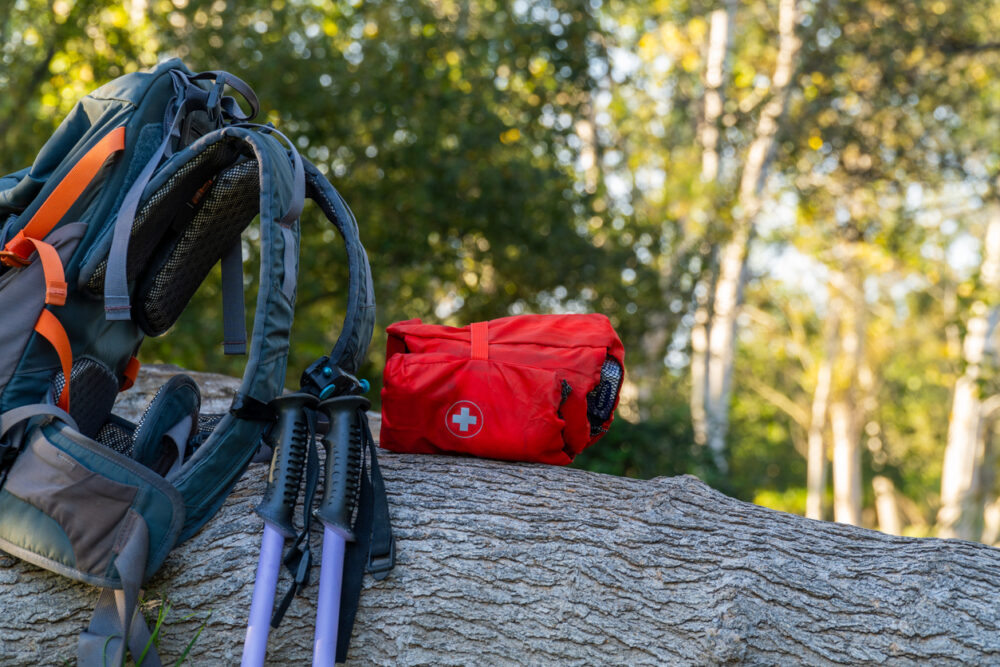
Small injuries become big problems when help isn’t coming. A real first aid kit needs more than Band-Aids and tiny wipes. Think gauze, antiseptic, tweezers, medical tape, gloves, and trauma supplies like clotting agents or a tourniquet. You’re not aiming for a full hospital but just enough to stabilize and keep moving.
If you take daily meds, stash a backup supply inside. Add allergy tablets, pain relievers, and electrolyte packets. No two kits should be exactly the same. Build yours to match your actual needs. Gear only works if you know how to use it. Take five minutes to learn how to wrap a wound or stop bleeding. In a collapse, there’s no urgent care. It’s just you and what you’ve packed.
8. When the grid goes quiet, your radio speaks loudest.
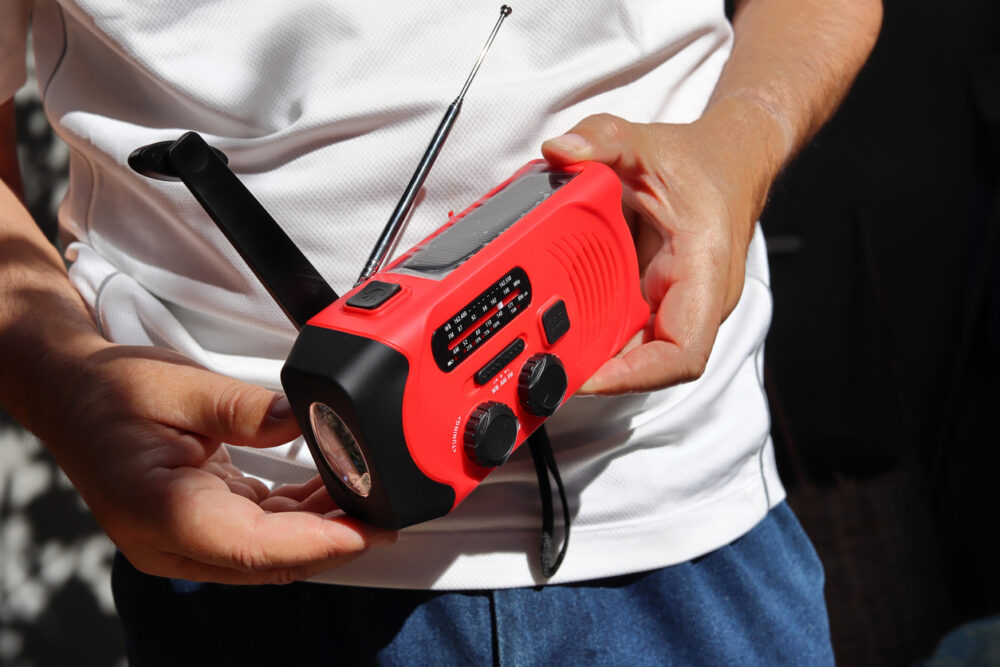
A crank-powered emergency radio isn’t glamorous, but it’s a lifeline when the internet, cell towers, and power grid go down. It connects you to weather alerts, evacuation orders, and real-time updates from the outside world. Look for a model that runs on crank, solar, or battery. Some also double as flashlights or phone chargers.
This tiny device can cut through silence, guide your decisions, and help you stay calm in the uncertainty. A radio doesn’t take up much room, but when the world stops talking, it could be your only voice of reason.
9. Canned food is boring—but it doesn’t quit on you.

It’s not trendy or freeze-dried, and it won’t win any Instagram points. But canned food is reliable, cheap, and shelf-stable for years. It doesn’t need cooking, refrigeration, or fancy packaging. Just open, eat, and keep going.
Beans, soups, meats, pasta, and vegetables; they’re all survival gold. Rotate your stash now and then to keep things fresh. And don’t forget a manual can opener. Without it, those cans might as well be bricks. In a crisis, calories equal clarity. If you’re starving, your decision-making gets worse, your stamina drops, and panic creeps in.
10. Bad boots will break you faster than bad weather.
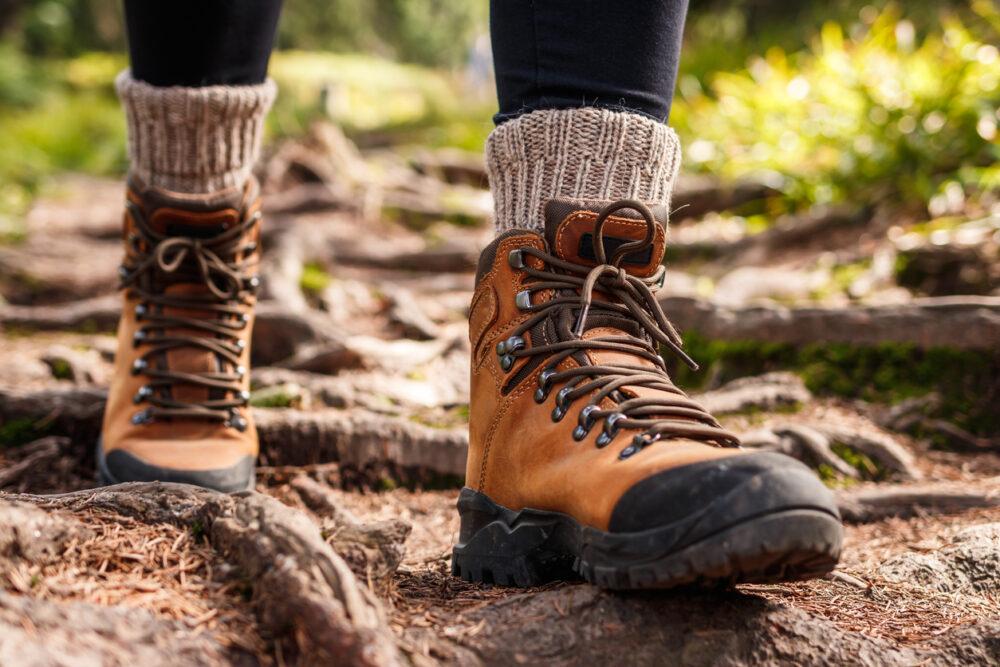
You can have the best gear in the world, but if your feet are wrecked, none of it matters. In a full-blown emergency, you might be walking for hours or days. That makes your boots one of the most important choices you’ll ever make.
They need to be broken in, waterproof, and tough enough to handle mud, rubble, rain, and long stretches of rough terrain. Cheap soles and thin materials fall apart fast. And the wrong fit can lead to blisters, infections, or worse. Good socks matter too. Go for wool or synthetic blends that wick moisture and reduce friction.
11. Trash bags are survival gear in disguise.

They’re cheap, compact, and weirdly underrated. A heavy-duty trash bag can double as a poncho, ground cover, water collector, makeshift shelter, or dry sack for your clothes. In a pinch, it can even be used for insulation if stuffed with leaves or clothing.
Look for contractor-grade bags—the kind that don’t rip at the first snag. You can stash a few flat in your pack and forget about them until you need them. They take up almost no space and can solve half a dozen problems in a single day. When you’re cold, wet, or desperate for a quick barrier between you and the elements, a trash bag goes from throwaway item to essential gear. It’s not glamorous, but it works.
12. Maps matter when your phone is a paperweight.
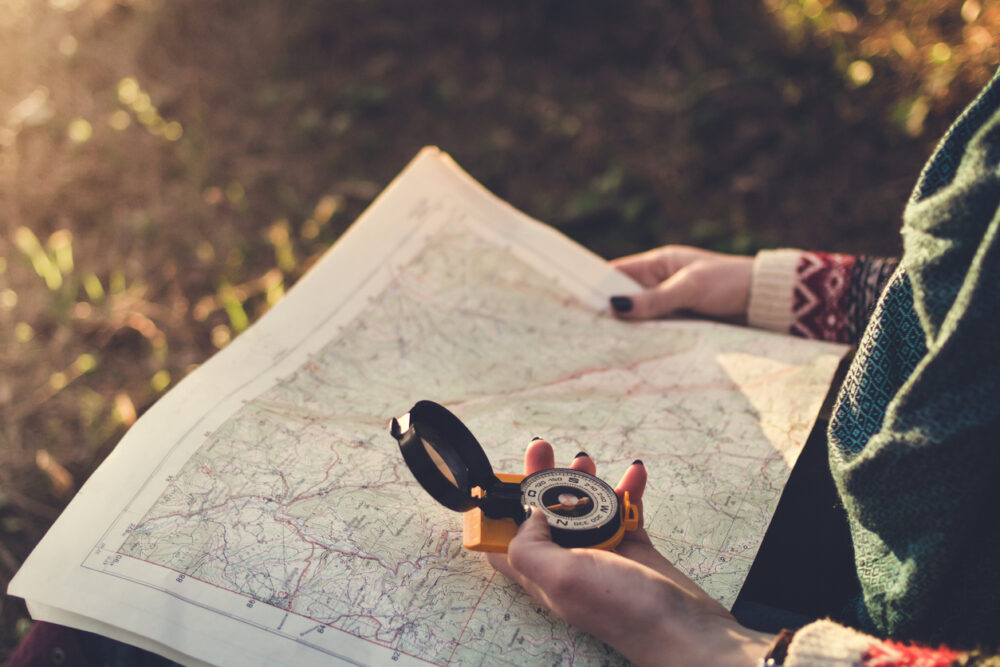
GPS is great, until your battery dies, the signal’s gone, or your phone becomes nothing more than a glowing brick. A physical map and a basic compass suddenly become survival tools. They let you plan routes, avoid hazards, and find water sources or shelter without tech.
You don’t need to be a hardcore navigator. Just knowing how to orient a map, track your position, and estimate distances puts you miles ahead of most people. Mark safe spots, alternate paths, and key landmarks before you need them. In a grid-down situation, knowing where you’re going is half the battle.
13. A bandana can do more than wipe sweat.

This small square of cloth pulls way more than its weight. A bandana can filter debris from water, wrap a wound, protect your neck from the sun, act as a sling, or even become a tourniquet in an emergency. It’s soft, reusable, and easy to clean in the field.
Need to signal for help? Tie it to a stick or a tree. Want to keep dust out of your lungs? Wrap it around your face. A bright-colored bandana is easier to spot if you’re lost or trying to mark a trail. You can even use it to wrap food or bundle gear. It’s one of the few items that works in dozens of situations without taking up real space. Toss one into every bag you pack.
14. Gloves keep your hands working when everything else goes wrong.
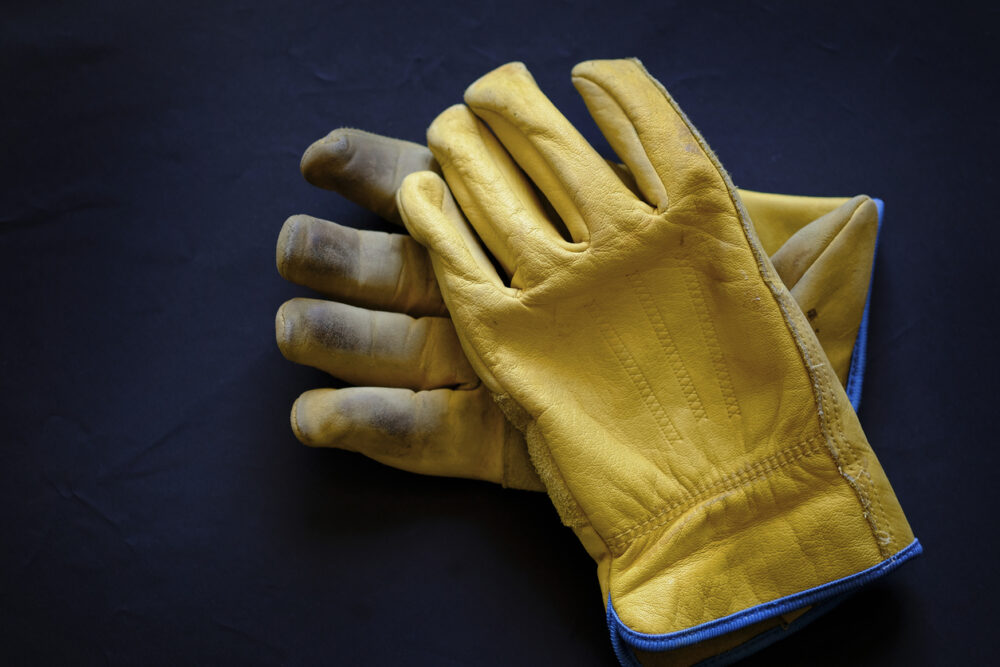
In survival mode, your hands are your tools. And once they’re cut, frozen, or burned, everything slows down. A good pair of work gloves protects you from broken glass, splinters, sharp rocks, and cold temperatures. It keeps you functional when your environment turns hostile.
Go for leather or synthetic materials with reinforced palms. Lightweight garden gloves won’t cut it. You need something that can handle clearing brush, hauling debris, or scrambling over rough terrain. Even basic chores like moving wood or fixing shelter become risky without protection. And in the cold, gloves become essential for preventing frostbite and keeping dexterity.
15. Your brain is the best gear you’ve got, so protect it.

No tool, pack, or plan works if you’re in panic mode. Mental clarity, quick decisions, and basic calm give you the edge when things fall apart. That’s why a bit of preparation now pays off later. Practice fire starting. Learn how to purify water. Read a map. Get familiar with your gear.
When you’ve practiced under pressure, your brain doesn’t freeze. It moves. It solves. It adapts. And that’s what survival is all about. The tools on this list are useful, but they’re only as good as the person using them. If you’re calm, trained, and mentally ready, you’ll always be a step ahead.