
These warning signs say nature’s rhythm is falling out of sync.

Spring and fall have always been the breath between extremes. A gentle warming. A soft cooling. They gave plants time to stretch, animals time to adapt, and humans a chance to settle into the shift. But lately, that space has been shrinking. The once-reliable transitions that defined these in-between seasons are now collapsing into abrupt changes that leave little room to adjust.
What used to take weeks now happens in days. Cold turns to heat, green turns to bare, and the soft edges of the calendar are becoming jagged. This isn’t just about earlier blooms or shorter leaf seasons—it’s about a global rhythm coming undone. Timing is everything in nature, and when it falls apart, so does everything that depends on it. The signs aren’t subtle anymore. They’re right in front of us. And they’re adding up to something we can’t afford to ignore much longer.
1. Spring arrives in a rush instead of unfolding slowly like it used to.

The shift from winter to spring used to stretch across weeks—a slow thaw, a light breeze, and the gradual return of warmth. Now, it happens almost overnight. According to the U.S. Environmental Protection Agency, since 1896, average spring temperatures have increased by about 2°F in the contiguous 48 states, leading to earlier springs.
Temperatures swing wildly from freezing to balmy in a matter of days. Snow melts too fast. Warm air surges in before the ground has time to wake up. It feels less like a transition and more like a sudden flip of the switch.
That speed creates instability. Trees bloom too early. Insects emerge before their food sources do. Animals lose critical time to adjust. Spring, once a season of renewal, is starting to feel like a missed moment. The natural rhythm that guided everything from planting to pollinating is being replaced by guesswork—and the consequences ripple far beyond the thermostat.
2. Trees are blooming early while the rest of nature scrambles to keep up.
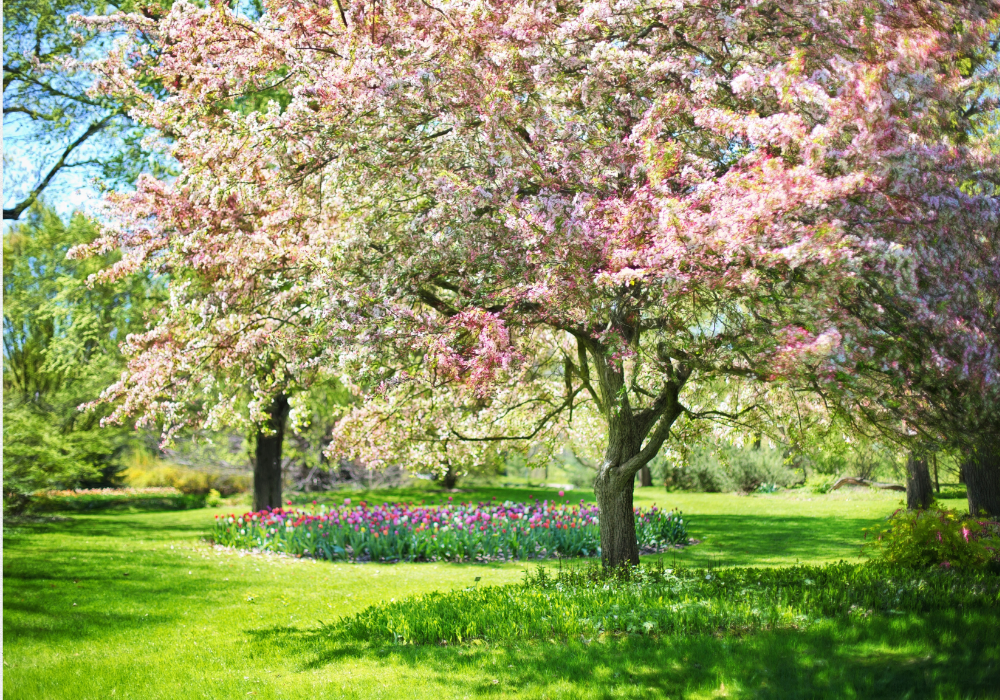
Flowering trees have always signaled the start of spring. But now, those blossoms are showing up weeks ahead of schedule. Susie Webb for WPBF news reports, warmer winters and milder late-February days are causing trees to bud earlier, which leaves them vulnerable to sudden cold snaps. Warmer winters and milder late-February days are causing trees to bud far earlier than they should. It might look like a beautiful surprise, but it comes with serious ecological risks.
Early bloomers are vulnerable to sudden cold snaps, which can wipe out an entire season of growth in one frosty night. Worse, pollinators like bees and butterflies often haven’t arrived yet—so flowers open with no one to visit them. When this timing is off, it affects everything from seed production to food chains. A pretty tree blooming in February might seem harmless, but it’s a signal that nature is out of sync.
3. Fall colors are fading faster and arriving later than ever before.
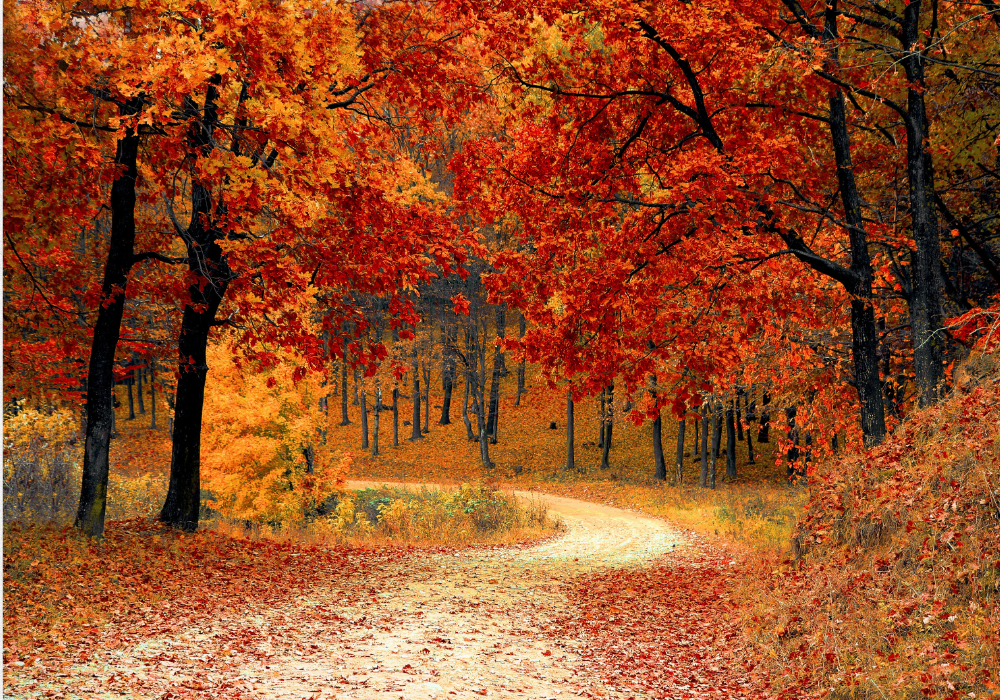
Crisp mornings and slow-turning leaves were once the hallmark of fall. But in many regions, peak color is arriving later than it used to—and disappearing just as fast. Some trees skip the show entirely, dropping leaves while they’re still green or turning straight to brown.
That familiar explosion of reds, oranges, and golds is starting to dim. Per Climate Central, fall color relies on a delicate balance of daylight, temperature, and moisture, and warmer autumns, along with unpredictable weather, are disrupting this process, leaving trees confused.
The science behind this is simple but sobering. Fall color relies on a delicate balance of daylight, temperature, and moisture. Warmer autumns and unpredictable weather disrupt that process, leaving trees confused. The pigments that create vivid foliage never fully develop—or they arrive too late. For those who love autumn’s aesthetic, it’s disappointing. For ecologists, it’s yet another warning that the season’s timing is falling apart.
4. Longer growing seasons are leading to more instability, not abundance.
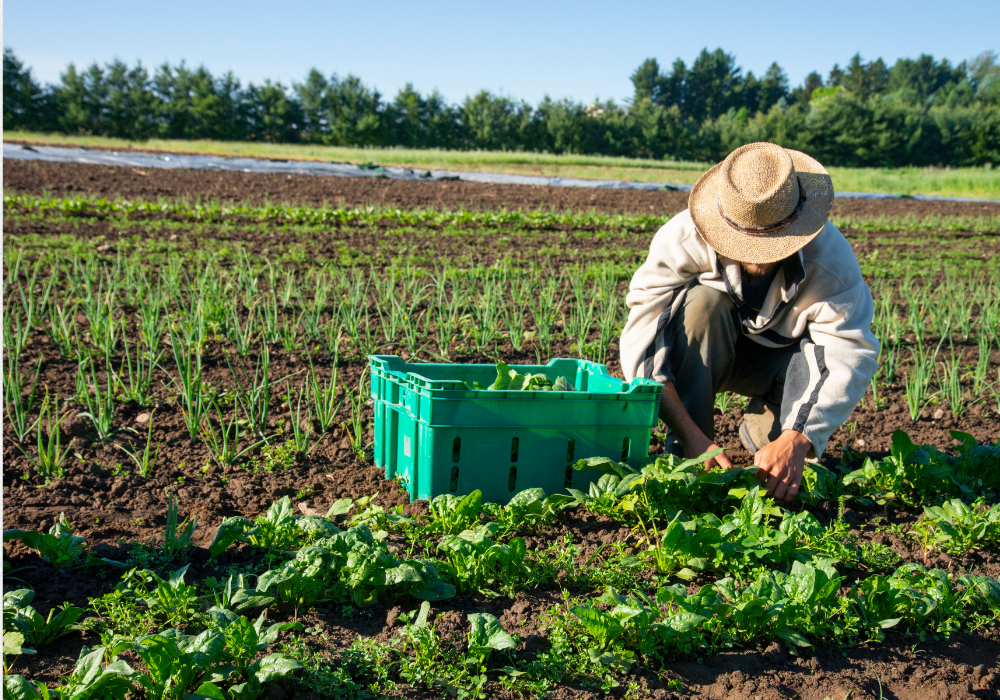
It sounds like a good thing: longer growing seasons, more time to plant, more food to harvest. But in practice, it’s creating more problems than solutions. Crops are blooming earlier, making them vulnerable to unexpected frosts. Pests and weeds thrive in longer warm periods.
And the traditional rhythms of planting and harvesting no longer match what the climate is actually doing. Farmers are being forced to adapt to a moving target. Some years start early and end early.
Others stretch late into fall but come with unpredictable storms. The idea of “more growing time” loses its value when the weather is unstable. More doesn’t mean better—it means riskier. And that risk isn’t just economic. It’s ecological, too, as entire food systems get pushed into unfamiliar territory.
5. Cold snaps are arriving out of nowhere and wiping out fragile growth.
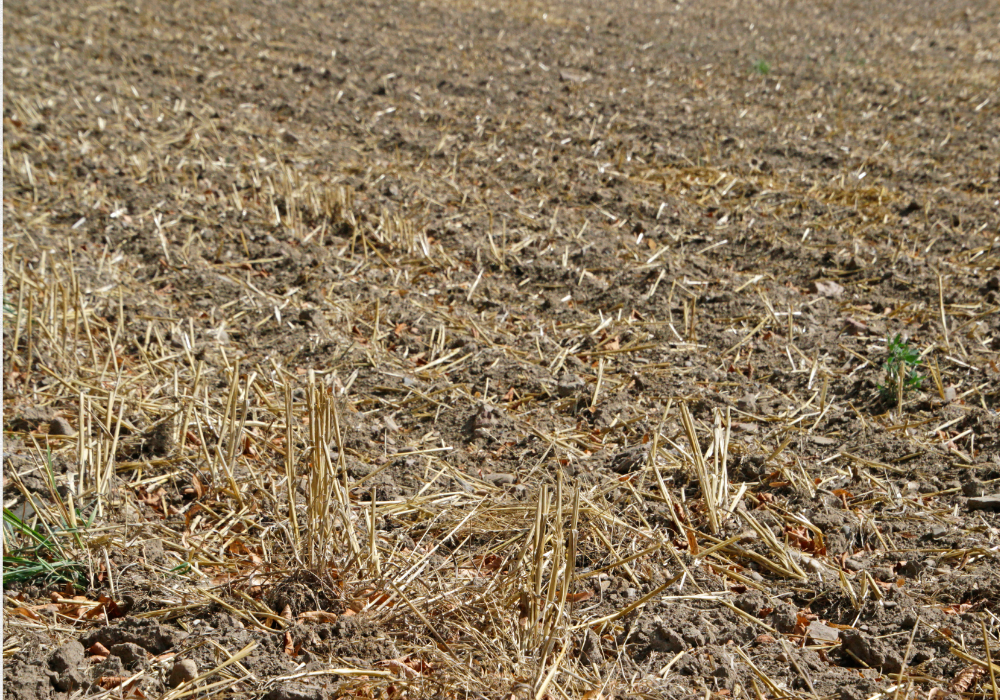
Late-season frosts have always been part of the natural calendar, but now they’re arriving after long stretches of warmth—just long enough to trick plants into blooming. When those cold snaps hit, they do real damage. Flowering trees lose their blossoms. Buds blacken. Crops wither. What should be a final chill becomes a total reset.
It’s not just inconvenient. For fruit growers and farmers, it’s devastating. An early bloom followed by a hard freeze can mean entire harvests lost in one night. For backyard gardens, it’s frustrating. For ecosystems, it’s disorienting. Climate change isn’t just making the planet warmer—it’s making its timing more erratic.
6. Insects and pollinators are getting out of sync with the plants they depend on.
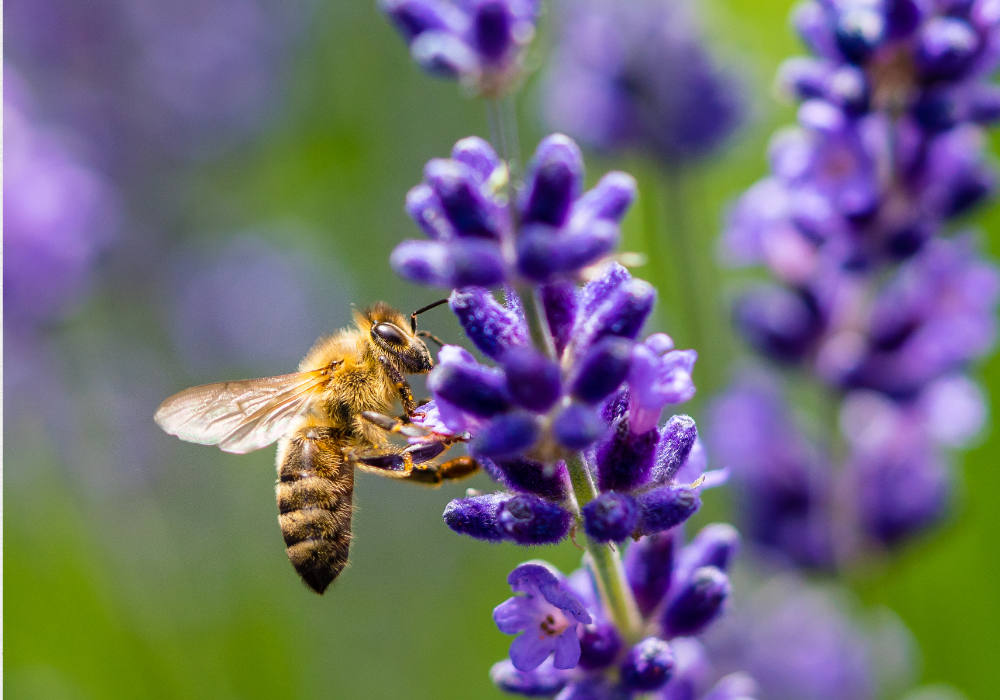
Bees, butterflies, and other pollinators rely on cues from temperature and light to know when to emerge. Plants do the same. But when spring speeds up or arrives too early, the two fall out of step. Flowers bloom before the bees arrive. Nectar is gone before butterflies migrate through. It’s like showing up to a party after the food’s already been cleared.
That disconnect ripples outward. Pollinators miss meals. Plants miss pollination. Birds miss the insects they usually feed on. These mismatches weaken entire ecosystems. Timing used to be one of nature’s strengths—an intricate web of cues and responses. That web is starting to unravel.
7. Allergies are starting earlier and hitting harder with each passing year.
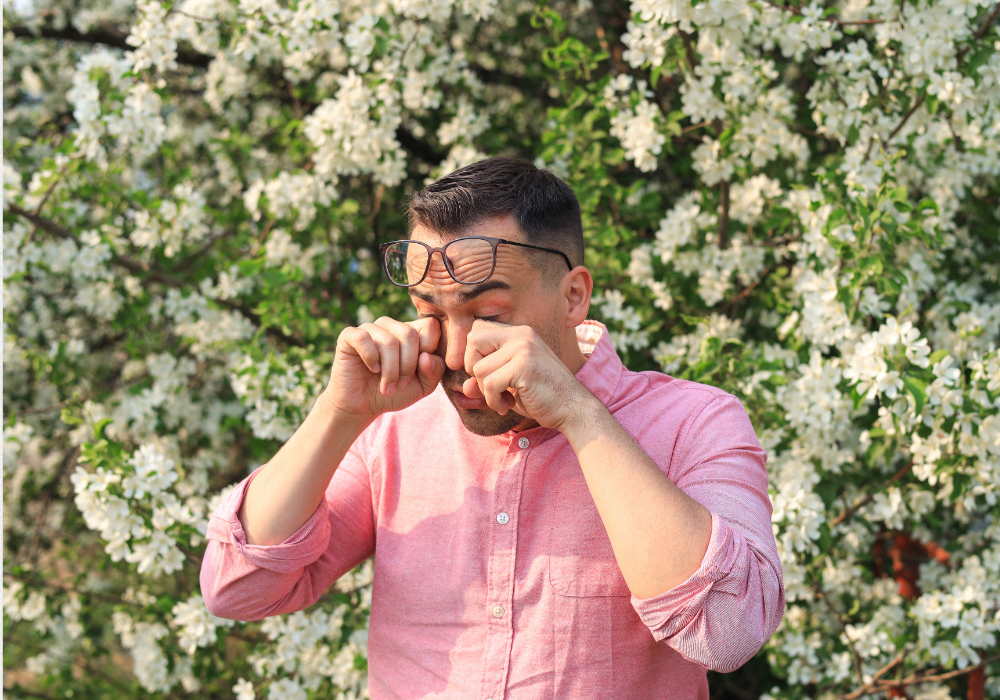
Pollen season isn’t just a spring nuisance anymore—it’s turning into a health crisis. Warmer temperatures and longer growing seasons are causing trees and grasses to release pollen earlier and for longer stretches of time.
Allergy seasons now start weeks ahead of schedule and can last months instead of weeks. For people with asthma or severe allergies, this isn’t just uncomfortable—it’s dangerous.
More pollen in the air means more trips to the ER, more missed school and work days, and more strain on healthcare systems. Spring’s arrival isn’t gentle when it’s wrapped in itchy eyes, runny noses, and heavy air.
8. Migrating animals are arriving too early—or too late—for what they need.
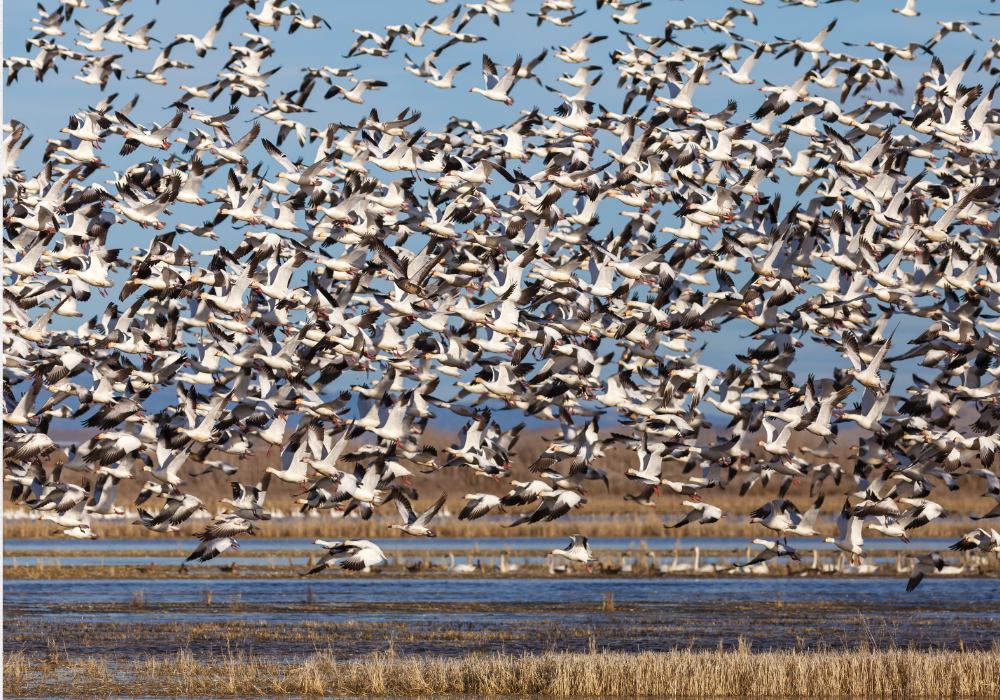
Birds, insects, and mammals rely on the seasons to tell them when to move. But when the cues shift—like temperature, daylight, and food availability—they can show up to the wrong environment. Birds might arrive before nesting trees have leaves. Monarchs may fly north before milkweed has grown. Even whales are getting thrown off.
Mismatches like these lead to lower survival rates, failed breeding seasons, and declining populations. Migration has always been a delicate dance with timing, and climate change is messing with the rhythm. Animals are adapting, but not fast enough to keep pace with the disappearing middle ground between extremes.
9. Fire seasons are creeping into spring and stretching past fall.
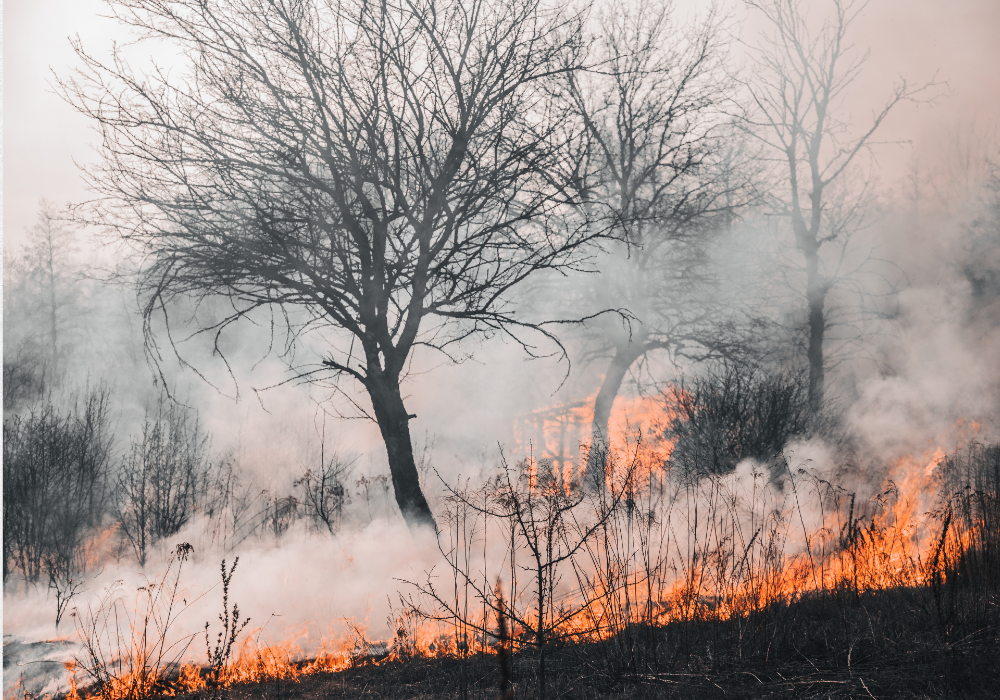
Wildfire season used to have boundaries. Now, it’s hard to tell when it begins—or if it ever ends. Earlier springs dry out vegetation faster. Shorter autumns bring hotter, windier conditions that keep fires burning longer. In some regions, fire season now stretches across more than half the year.
The overlap with spring and fall matters. These were the seasons when moisture typically returned—cooler nights, regular rains, less wind. Without them, landscapes dry out faster and stay vulnerable longer. It’s not just hotter summers fueling wildfires anymore. It’s the loss of the seasons that once helped keep flames in check.
10. Seasonal cues for wildlife are breaking down faster than animals can adapt.
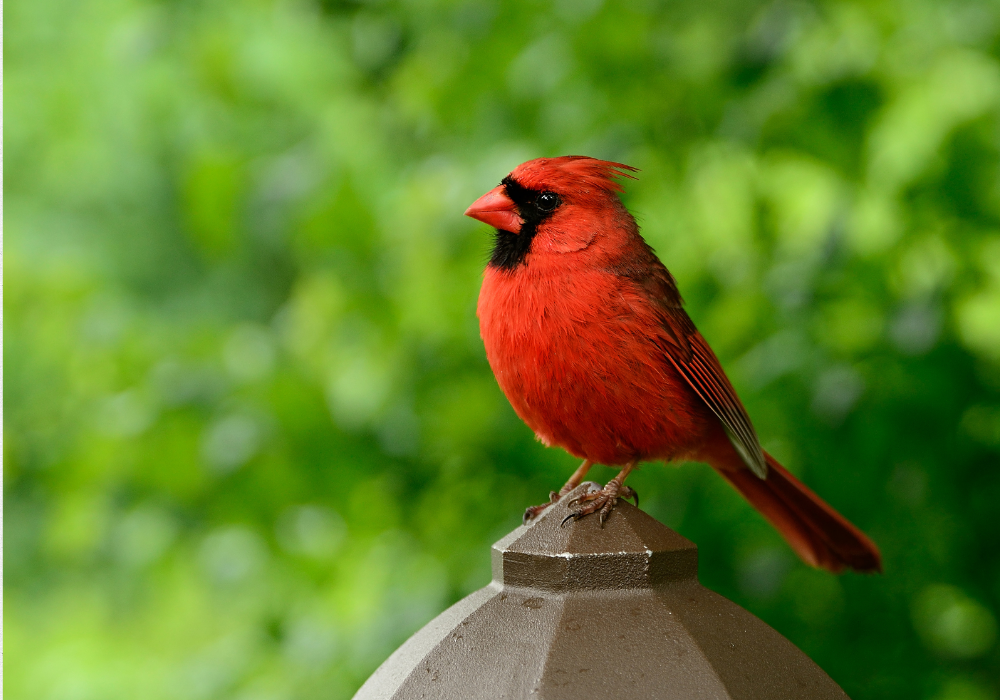
From birds to bears to tiny insects, many species rely on subtle seasonal changes to tell them when to migrate, breed, molt, or hibernate. These cues used to arrive like clockwork—lengthening days, cooling nights, budding plants. Now those natural signals are scrambled. Spring comes too early, fall arrives too late, and the timing no longer lines up with instinct.
When these cues go quiet or shift suddenly, animals are left guessing. A bird might arrive to an empty field with no insects. A hibernating species might wake before there’s food. These aren’t isolated glitches—they’re system-wide failures.
Evolution can’t keep pace with these rapid changes, and the more the seasons drift, the more species find themselves misaligned, exposed, and struggling to survive in a world that no longer matches their biology.
11. Soil cycles are shifting, making the ground less reliable.
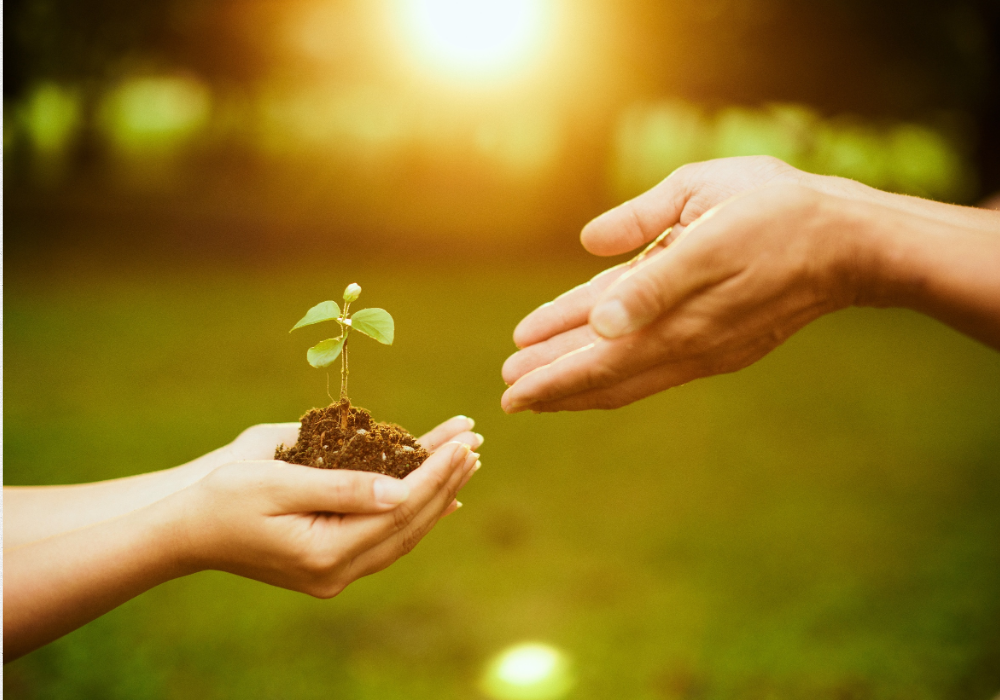
Soil isn’t static. It lives, breathes, and moves in time with the seasons. Winter freezes lock in nutrients. Spring thaws release them at the right moment for roots to take hold. Fall leaf-drop feeds the next growing cycle. But as the transitions between seasons warp, those cycles are losing their rhythm. Freeze-thaw cycles are shorter or happening too quickly, destabilizing the soil and throwing natural timing out of sync.
The consequences are hard to miss. Crops don’t root as deeply. Nutrients leach before plants can absorb them. Microbial life, essential to healthy soil, can’t keep up with the erratic temperature swings. Even erosion increases when the ground is too dry one month and flooded the next. For something we walk across daily, soil is surprisingly sensitive—and it’s already showing signs that the seasons are shifting too fast for it to keep up.
12. Seasonal flooding and rainfall patterns are becoming wildly unpredictable.
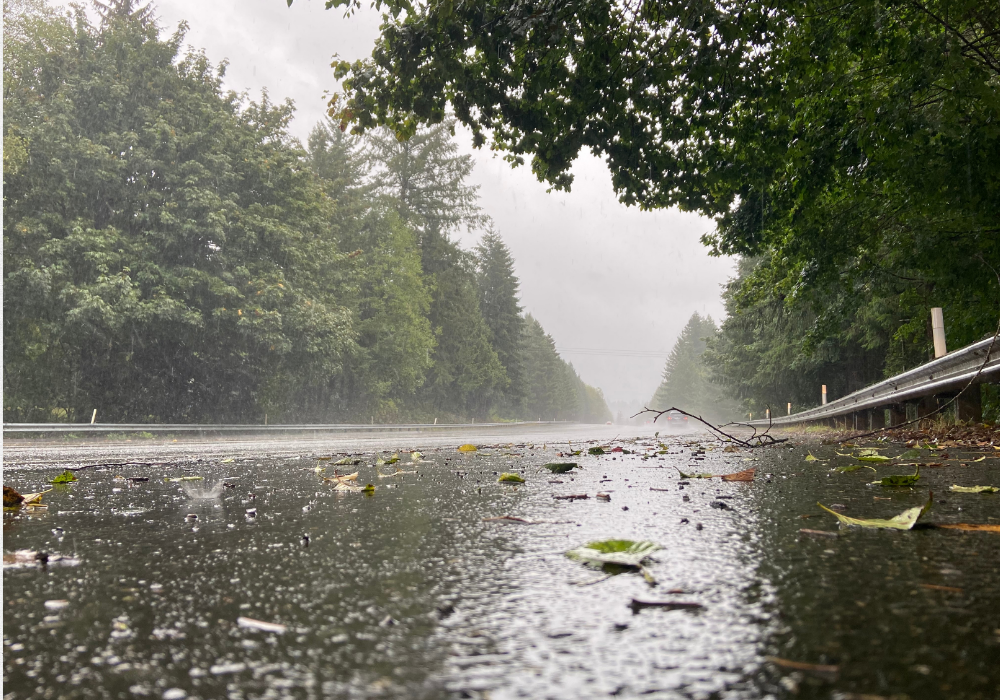
For decades, spring and fall rains were relatively reliable. They filled rivers, soaked farmland, and refreshed entire ecosystems. Now, rainfall patterns are becoming chaotic. Some areas see a year’s worth of water in one month.
Others endure long stretches of dryness during what used to be the wet season. And when water comes, it often arrives in violent surges—more flash flood than gentle soak.
The impact spreads quickly. Crops fail, roads wash out, and watersheds can’t recover in time for the next event. Wetlands shrink or vanish. Seasonal flooding once maintained delicate ecosystems; now it destroys them. This isn’t just bad weather luck—it’s a fundamental shift in climate behavior. The loss of seasonal reliability leaves communities vulnerable and makes it harder for both nature and humans to prepare for what’s coming next.
13. Fall frost is arriving too late to protect crops from pests.
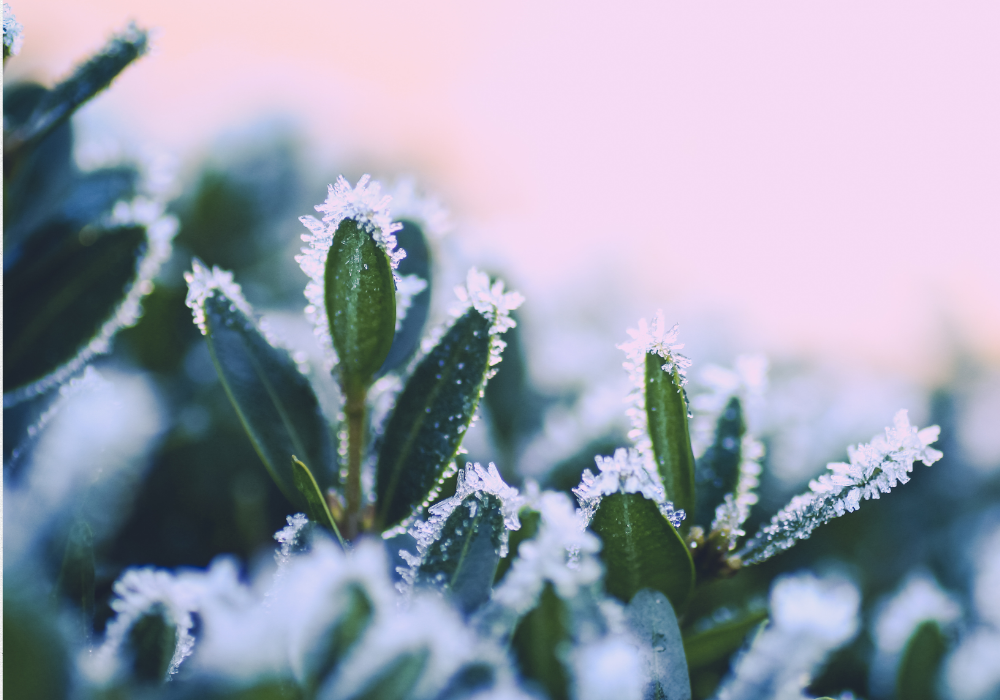
That first hard frost used to be nature’s reset button. It signaled the end of the growing season, wiped out pests, and gave the land time to rest. But with autumn temperatures staying warmer longer, that frost is coming weeks later—or not at all. In the meantime, pests get a longer runway to damage crops, spread disease, and reproduce unchecked.
This puts farmers in a bind. They’re forced to increase pesticide use, harvest earlier than planned, or risk losing entire fields. Late frost also complicates planting schedules for the next season. The ripple effect reaches beyond agriculture—natural ecosystems are affected too. Insects that would have died off are sticking around longer, disrupting food chains and increasing pressure on birds and mammals already struggling to adapt. The delay isn’t just inconvenient—it’s deeply destabilizing.
14. The in-between months are shrinking while the extremes take over.
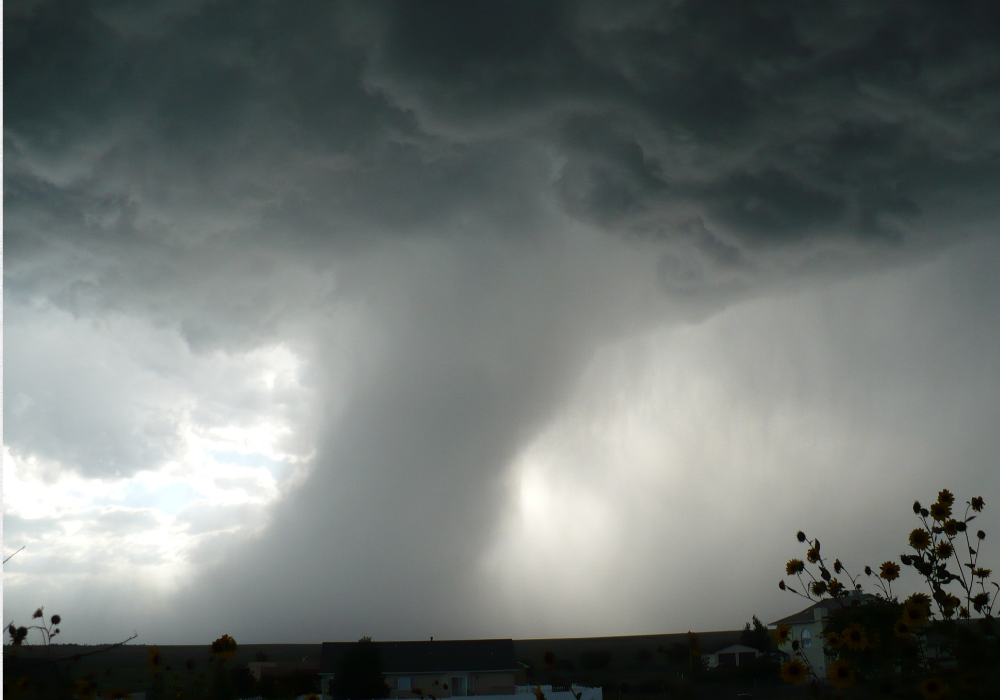
There used to be a clear sense of seasonal flow. April brought mud and tulips. October meant golden leaves and light jackets. But those soft spaces between hot and cold are collapsing. Spring feels like summer within days. Fall flashes past in storms and wind, giving way to early snow or lingering heat. The temperate months are getting edged out by the more extreme ones.
That loss has real consequences. Transitional weather gave animals time to prepare, crops time to ripen, and people time to adapt. Without that buffer, everything becomes more reactive—less time to prepare, more scrambling to cope.
Extremes dominate, while the quiet in-betweens disappear. The shrinking shoulder seasons aren’t just a matter of preference—they’re signs that Earth’s once-predictable pulse is falling out of sync with itself.