
While older generations roll their eyes, Gen Z is actually making a difference.

Older generations love to call Gen Z lazy, cynical, or too idealistic, but when it comes to fighting climate change, no generation is taking more action. They see the effects of environmental destruction in real-time—rising temperatures, devastating wildfires, plastic-choked oceans—and they refuse to sit back and accept it as inevitable. Unlike the generations before them, they aren’t just talking about change; they’re demanding it.
From leading global climate strikes to rejecting fast fashion, Gen Z is holding corporations accountable, voting for climate-focused leaders, and using social media to educate and mobilize millions. They’re not waiting for governments or big business to step up—they’re taking action themselves.
The planet is changing fast, and Gen Z is making sure the response is just as rapid. Their passion, innovation, and refusal to back down prove that climate activism isn’t a trend—it’s a movement with real power.
1. Climate strikes aren’t just symbolic—Gen Z is making leaders listen.
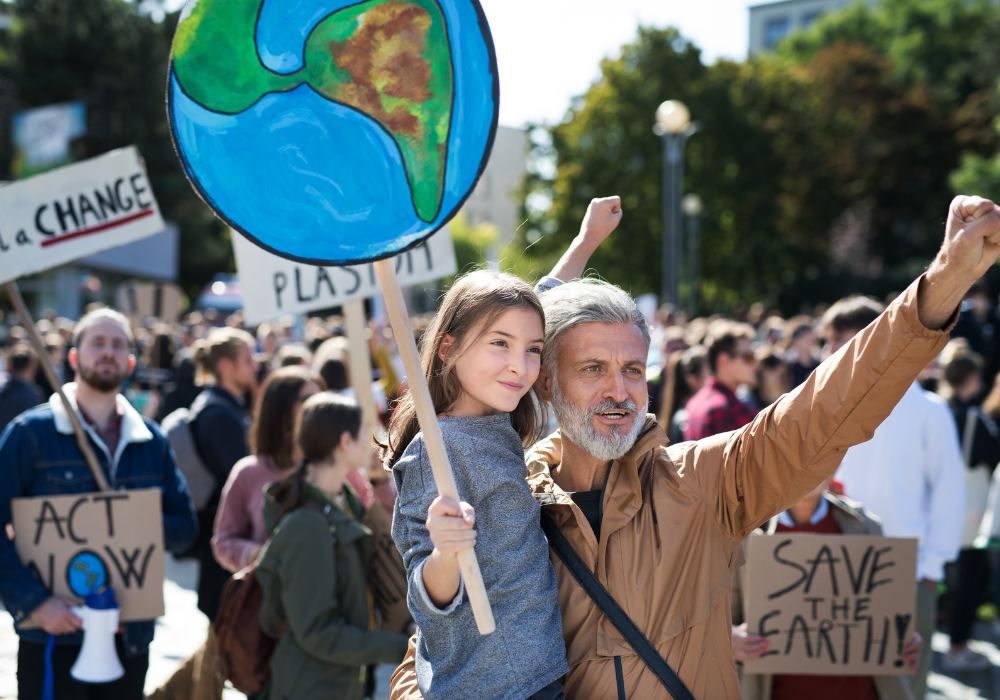
Skipping school to protest wasn’t always seen as activism, but Gen Z turned it into a global movement. Inspired by Greta Thunberg’s Fridays for Future, millions of young people worldwide have walked out of classrooms and taken to the streets to demand climate action. These strikes aren’t just symbolic—they pressure governments and corporations to acknowledge the climate crisis. A 2023 study published in Environmental Education Research found that the Fridays for Future movement mobilized over six million people worldwide, with most protesters under 25, many participating in activism for the first time.
Mass protests like these have forced world leaders to address environmental issues on a larger scale. Politicians who once ignored climate concerns now have to respond because young voters refuse to stay silent. Gen Z isn’t just asking for change—they’re demanding it, and they won’t stop until real action is taken.
2. Greenwashing doesn’t fool Gen Z, and corporations are being called out.

No one calls out corporate hypocrisy quite like Gen Z. With access to endless information at their fingertips, they’ve mastered the art of fact-checking companies that claim to be “green” while still contributing to pollution.
Whether it’s fast fashion brands pretending to be sustainable or oil companies pushing misleading ads, Gen Z isn’t buying it—literally. A 2021 survey by Liz Hilton Segal for McKinsey & Company found that 88% of American Gen Z consumers distrust brands’ environmental, social, and governance (ESG) claims, highlighting their skepticism towards corporate greenwashing.
Boycotts and social media campaigns have put major corporations on notice. Brands that once got away with performative activism now face public backlash if they don’t back up their claims with real action. Gen Z knows that businesses care about profits, and they’re using their purchasing power to force them to clean up their act.
3. Social media isn’t just for selfies—it’s a powerful tool for climate activism.

For older generations, activism meant marches and petitions. For Gen Z, it means viral videos, Twitter threads, and digital organizing on a massive scale. TikTok, Instagram, and Twitter have become platforms for spreading awareness about climate change, calling out corrupt politicians, and sharing sustainable lifestyle tips. Research by Carly Lynne Thigpen for Pew Research Center found that 45% of Gen Z social media users in the U.S. have engaged with climate change content online, highlighting their active participation in digital activism.
Climate activists like Leah Thomas and Vanessa Nakate have built global audiences by breaking down complex environmental issues into digestible content. Viral trends, like “eco-hacks” and “greenwashing exposés,” keep climate topics relevant and engaging. Social media has turned climate activism into something accessible for everyone—no megaphone or protest sign required.
4. Fast fashion is out, and Gen Z’s thrifted style is here to stay.

The days of overstuffed closets filled with cheap, trendy clothes are fading fast. Gen Z has taken a stand against fast fashion’s environmental destruction, opting for secondhand shopping, clothing swaps, and slow fashion brands instead.
Thrift stores, Depop, and upcycled fashion trends have turned sustainability into a statement, not a sacrifice. As awareness grows about the industry’s exploitative labor practices and environmental toll, major brands are scrambling to adapt. Gen Z’s demand for ethical production and transparency is forcing retailers to rethink their business models. When a generation this powerful decides fast fashion isn’t worth the cost, the industry has no choice but to listen.
5. Politicians ignoring climate change won’t win elections anymore.

While some older generations continue to debate whether climate change is real, Gen Z is showing up at the polls with one priority: electing leaders who actually care about the environment. From local elections to presidential races, they’re using their votes to push climate policies to the forefront. Politicians who downplay climate issues are losing favor with young voters.
Candidates with bold sustainability plans are gaining traction, proving that climate action is now a political necessity. As more Gen Zers reach voting age, their collective power is reshaping elections—and the future of environmental policy.
6. Billionaires won’t save the planet, so Gen Z is taking matters into their own hands.

Older generations grew up believing that politicians, corporations, or the ultra-rich would fix society’s biggest problems. Gen Z isn’t buying it. They’ve watched powerful people give speeches about sustainability while continuing to pollute, and they know that waiting for billionaires to fund climate solutions is a losing game.
Instead of hoping for trickle-down activism, they’re leading grassroots efforts, supporting small sustainable businesses, and investing in community-led environmental projects. They crowdfund for reforestation, push companies to clean up their supply chains, and start eco-friendly brands themselves.
More importantly, they’re voting with their dollars—choosing ethical brands and rejecting industries that profit from environmental harm. If the world’s richest people won’t step up, Gen Z is proving they don’t need them to. They’re building the future themselves, one sustainable decision at a time.
7. Minimalism isn’t just a trend—it’s how Gen Z rejects wasteful consumerism.

Boomers were raised on the idea that success means owning more, but Gen Z sees things differently. Instead of filling their homes with cheap, disposable goods, they’re embracing minimalism and rejecting the endless cycle of buying and tossing. Quality over quantity isn’t just a style choice—it’s a climate-conscious decision.
This shift isn’t just about aesthetics; it’s about sustainability. Fast fashion, overproduction, and mindless consumption have contributed to the planet’s growing waste crisis. Gen Z is taking a stand by prioritizing reusable products, thrifting instead of buying new, and investing in durable, ethically made items.
Whether it’s through capsule wardrobes, secondhand furniture, or DIY upcycling projects, they’re proving that less truly is more. Every time they say no to unnecessary purchases, they’re saying yes to a less wasteful world.
8. Plastic is the enemy, and Gen Z is waging war against it.

Straws were just the beginning. While previous generations treated plastic as an unavoidable part of life, Gen Z is actively working to phase it out. From reusable water bottles to zero-waste grocery shopping, they’re reducing their plastic footprint in ways that older generations never even considered. Social media has played a massive role in exposing the hidden dangers of microplastics and ocean pollution.
Viral trends like “plastic-free July” and refillable product swaps have encouraged millions to ditch disposable plastics. Many Gen Zers are pushing for legislative action to ban single-use plastics and hold corporations accountable for their waste. They’re not waiting for industries to change—they’re demanding it, while leading by example. Every reusable swap, every boycott of a plastic-heavy brand, and every push for policy change brings them closer to a cleaner planet.
9. Plant-based eating isn’t a fad—it’s a climate-conscious choice.

Older generations might roll their eyes at oat milk and veggie burgers, but Gen Z knows that reducing meat consumption is one of the most effective ways to lower carbon emissions. They’re leading the charge toward plant-based diets, making vegetarian and vegan lifestyles more accessible and mainstream than ever before. This shift isn’t just about personal health—it’s about protecting the planet. Industrial agriculture is a leading cause of deforestation and greenhouse gas emissions, and Gen Z refuses to support it blindly.
Whether they’re cutting back on meat, trying meat alternatives, or advocating for more plant-based options in schools and restaurants, they’re proving that sustainable eating isn’t just possible—it’s necessary. Even those who don’t go fully vegan are adopting the “reducetarian” mindset, cutting back where they can. Every plant-based meal is a step toward a healthier planet.
10. The 9-to-5 grind doesn’t matter if the planet is on fire.

Boomers love to say that younger generations don’t want to work, but Gen Z has bigger priorities than climbing a corporate ladder for the sake of it. They’re choosing careers that align with their values, prioritizing sustainability-focused jobs, and rejecting industries that contribute to environmental destruction.
For many in this generation, a six-figure salary means nothing if it comes at the expense of the planet. Renewable energy, climate tech, and environmental policy careers are attracting more young people than ever before. They’re also redefining work-life balance, knowing that burnout won’t save the world.
If a company isn’t eco-conscious, Gen Z is happy to take their talents elsewhere. They want meaningful work that supports the planet, not just a paycheck. If that means rejecting traditional corporate jobs in favor of ethical entrepreneurship or green tech, so be it.
11. They aren’t just talking about climate justice—they’re making it happen.
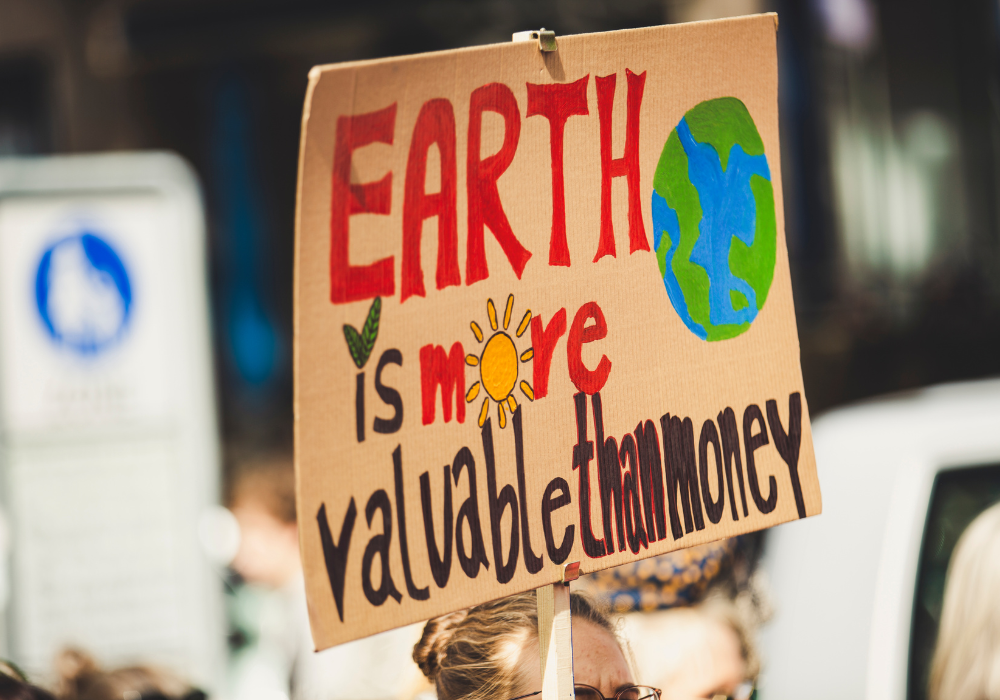
For Gen Z, climate activism isn’t just about saving the planet—it’s about protecting the people most affected by environmental destruction. They understand that marginalized communities bear the brunt of climate disasters, and they’re fighting for policies that address both environmental and social justice issues.
They’re advocating for clean water access, supporting Indigenous land defenders, and pushing for climate policies that prioritize vulnerable communities. Environmental racism, food deserts, and toxic waste dumping disproportionately impact lower-income areas, and Gen Z is calling out the inequality. They’re volunteering for mutual aid groups, raising awareness, and pressuring lawmakers to address environmental justice head-on. The future they’re fighting for isn’t just green—it’s fair, inclusive, and built to uplift everyone, not just the privileged few.